Note: This article is for informational purposes only. If your rabbit has crusty ears, patchy hair loss, raw skin, or stops eating, contact a rabbit-savvy veterinarian promptly.
If your rabbit suddenly looks like it rolled in dandruff, started scratching like it is auditioning for a drum solo, or developed crusty ears that seem to appear overnight, mites may be the culprit. The good news is that rabbit mites are treatable. The less-fun news is that they are not a “just wing it with a pet-store shampoo” kind of problem.
Rabbits can get several kinds of mites, but the most common troublemakers are fur mites and ear mites. Fur mites often cause flaky skin, hair loss, and that famous “walking dandruff” look along the back. Ear mites are even more dramatic, causing thick crusts, itching, head shaking, and very unhappy bunny vibes. Either way, the goal is the same: kill the mites safely, help the skin heal, and stop the infestation from bouncing right back.
Below are three practical, vet-backed ways to get rid of mites on rabbits, plus the mistakes owners should avoid if they want their bunny to recover without extra stress.
How to Tell if Your Rabbit Has Mites
Before treatment, it helps to know what you are dealing with. Mites are tiny, but the signs they leave behind can be pretty loud.
Common signs of mite infestation in rabbits
- Flaky skin or dandruff, especially along the back
- Patchy hair loss
- Excessive scratching or overgrooming
- Scabs, crusts, or irritated skin
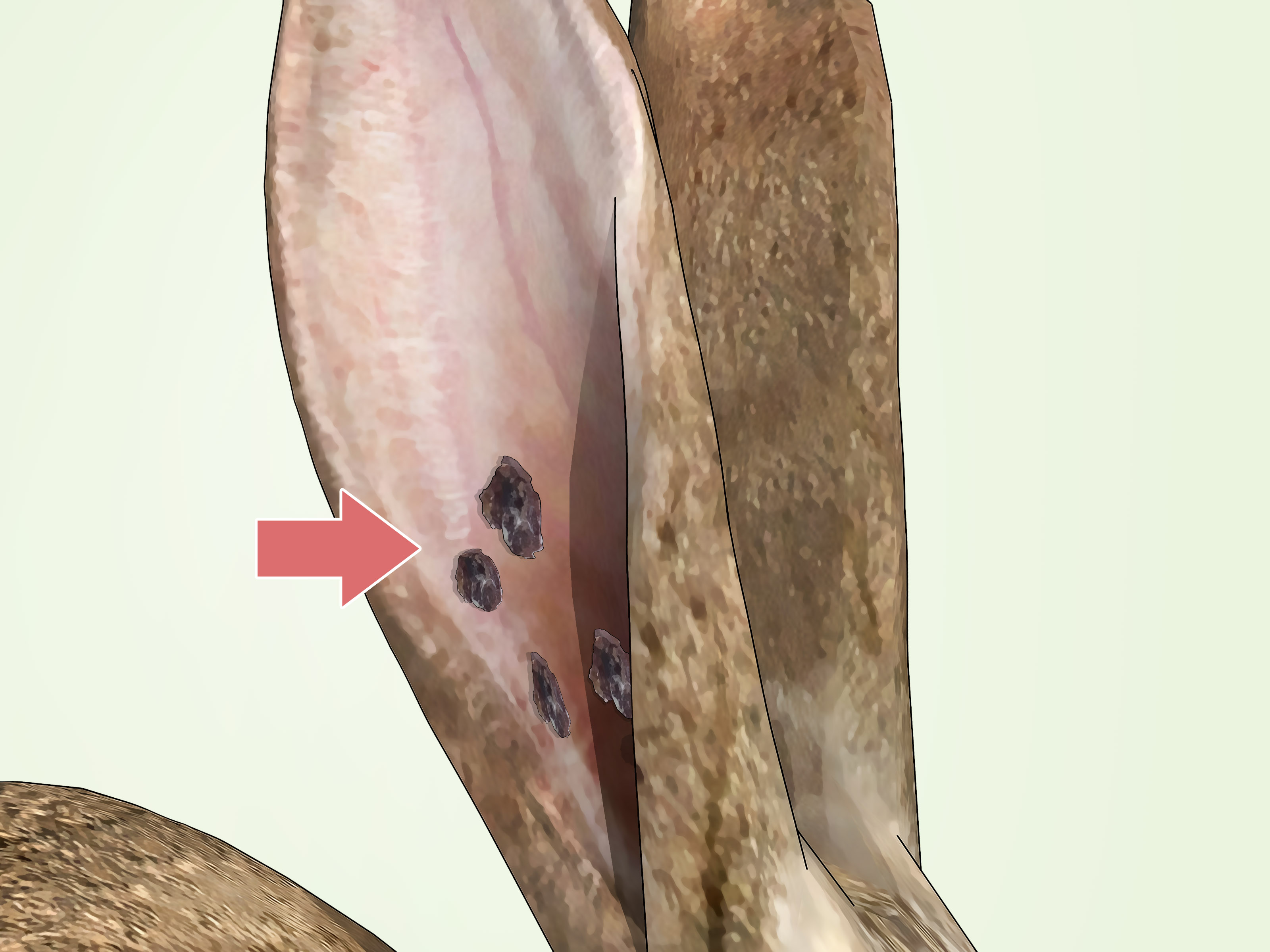
- Red-brown debris or thick crusts inside the ears
- Head shaking or ear drooping
- Restlessness or irritability
- Reduced appetite in more severe cases
Not every flake of skin means mites. Dry skin, poor grooming, urine scald, infection, or other skin conditions can look similar. That is why a proper diagnosis matters. A veterinarian may use an ear swab, tape prep, skin scraping, or a physical exam to confirm what is going on. In rabbits, guessing is not a strategy. It is a gamble with long ears.
Way #1: Use Vet-Prescribed Mite Treatment, Not DIY Guesswork
If you want to get rid of mites on rabbits for real, this is the main event. Prescription antiparasitic treatment is the first and most important step.
Why veterinary treatment matters
Rabbits are famously delicate when it comes to medications, stress, and skin care products. A treatment that is fine for a dog or cat may be dangerous for a rabbit. Some mites also cause secondary infection, pain, or inflammation, which means your bunny may need more than just one medication. A rabbit-savvy vet can determine:
- What type of mite your rabbit has
- How severe the infestation is
- Whether there is a bacterial or yeast infection too
- Which medication is safest for your rabbit’s age, size, and health status
What treatment usually looks like
Veterinarians commonly use antiparasitic medications such as ivermectin or selamectin for rabbit mites. These are often given in repeated treatments because mites have a life cycle, and one dose may not catch every stage. In simple terms: you are not just fighting the mites you see today, but also their unpleasant little relatives arriving next week.
For ear mites, treatment may also include sedation if the ears are extremely painful or if the veterinarian needs to examine the ear canal more thoroughly. Severe cases sometimes require supportive care if the rabbit is stressed, uncomfortable, or not eating normally.
Do not pick off ear crusts at home
This is one of the biggest mistakes owners make. Thick crusts caused by ear mites may look like they should be cleaned out immediately, but pulling them off at home can be very painful and can injure the tissue underneath. In many cases, the crusts loosen and slough off on their own after the mites die and the skin starts healing.
Do not use random over-the-counter products
Never assume a flea, tick, or mite product labeled for cats or dogs is safe for rabbits. One especially important warning: products containing fipronil, commonly known by the brand name Frontline, should not be used on rabbits. Certain medicated dips, flea shampoos, or harsh topical products can also be harmful or extremely stressful.
Bottom line: The fastest way to get rid of mites is not the “strongest” product on a shelf. It is the right product, prescribed for rabbits, given on the correct schedule.
Way #2: Clean the Rabbit’s Environment Like You Mean It
Here is the annoying part of mite treatment: medicating the rabbit without cleaning the environment is like mopping the floor while the sink is still overflowing. You may make progress, but you are not solving the full problem.
Why cleaning matters
Some mites spread through direct contact, while others can persist for a period in bedding, fur, dander, grooming tools, carriers, and shared living areas. If your rabbit goes back into a dirty enclosure full of shed hair and contaminated bedding, reinfestation becomes much more likely.
What to clean during treatment
- Replace all bedding and litter frequently
- Wash blankets, towels, and soft bedding in hot water
- Vacuum the enclosure area, rugs, and nearby floor space
- Disinfect hard surfaces, hideouts, food bowls, and carriers with rabbit-safe cleaning methods
- Clean brushes, combs, and grooming tools after every use
- Remove loose fur from the enclosure daily during active treatment
Keep cleaning on the treatment schedule
One deep clean is helpful, but repeated cleaning matters more. Since rabbit mite treatment often involves more than one dose of medication, many owners do best when they tie cleaning to each treatment day. Think of it as a two-part routine: medicate the rabbit, then evict the mites from the apartment they were renting in the bedding.
Should you treat other pets too?
Maybe yes. Some mites, especially Cheyletiella, can affect other animals in the home. If your rabbit lives near cats, dogs, guinea pigs, or other rabbits, ask your veterinarian whether all exposed pets should be treated. This is especially important in multi-pet households where bedding, play areas, or your own hands may help move mites around.
What about humans?
Some rabbit mites can temporarily irritate human skin, causing itchy bumps or a rash. Usually, the real solution is not a dramatic hazmat scene in your living room. It is proper treatment of the rabbit, cleaning the environment, and good hand hygiene after handling the pet or enclosure.
Way #3: Support Healing and Prevent Reinfestation
Killing mites is only part of the job. Your rabbit also needs support while the skin heals and while the household settles back into normal. A stressed rabbit with sore skin and a messy enclosure is more likely to have a rough recovery.
Focus on comfort and recovery
Rabbits with mites may be itchy, inflamed, and cranky. Honestly, who would not be? During recovery, keep your rabbit’s environment calm, clean, and easy to navigate. Provide fresh hay, clean water, and a consistent routine. Watch eating and droppings closely, because rabbits can go downhill quickly if pain or stress causes them to eat less.
Helpful recovery habits
- Brush gently if your vet says it is safe
- Trim away badly soiled fur only with professional guidance
- Separate infected rabbits from new or vulnerable pets during treatment
- Wash your hands before and after handling each pet
- Schedule follow-up checks if symptoms are not improving
Do not bathe your rabbit to “wash off” mites
This deserves its own headline because it is such a common instinct. Rabbits generally should not be bathed unless a veterinarian specifically advises it for a medical reason. Baths can cause severe stress, chilling, shock, and more skin trouble. Mites are not solved by turning your bunny into a damp burrito. Prescription treatment works better and is much safer.
Preventing mites from coming back
Once your rabbit recovers, prevention becomes the name of the game. Good housing, regular grooming, and quarantine for new rabbits can make a major difference.
- Inspect your rabbit’s skin and ears regularly
- Brush during molting seasons to remove loose fur and dander
- Keep housing dry and clean
- Avoid overcrowding and reduce stress
- Have new rabbits checked before introducing them to your current pets
- Contact a veterinarian early if you see dandruff, crusting, or head shaking
Common Mistakes to Avoid When Treating Rabbit Mites
Some mistakes make mite problems last longer. Others can make your rabbit seriously ill. These are the big ones to avoid:
1. Treating before getting a diagnosis
Flaky skin is not always mites. If you use the wrong product, you may waste time while the real condition worsens.
2. Using dog or cat parasite medication without vet approval
Rabbits are not small dogs with better ears. Never assume cross-species safety.
3. Peeling ear crusts off at home
It is painful, can damage tissue, and usually is not necessary once treatment begins.
4. Forgetting the environment
If the bedding, enclosure, and tools stay contaminated, mites may come right back.
5. Stopping treatment too early
If your rabbit looks better after one dose, great. That does not mean the treatment course is finished.
6. Ignoring appetite changes
An itchy rabbit is uncomfortable. A rabbit that stops eating is in danger. Call your vet if appetite drops.
What Rabbit Owners Commonly Experience During Mite Treatment
Many rabbit owners say the first sign was not dramatic ear crusting or obvious bald spots. It was “something just seems off.” A bunny that was usually relaxed became fidgety. A soft coat started looking dusty. A rabbit that loved head rubs suddenly pulled away when touched near the ears. Those subtle changes matter, because rabbits are experts at pretending everything is fine until it really is not.
One common experience is confusing mites with dry skin at first. Owners may notice flakes along the back and assume the air is dry or the rabbit is shedding. Then the dandruff seems heavier, the fur starts thinning, and the skin looks irritated instead of merely flaky. That is often the moment people realize this is more than a cosmetic issue. In many cases, the rabbit is not being dramatic. The rabbit is being itchy and miserable.
Another frequent experience involves ear mites showing up fast and looking scary. Owners describe seeing thick crusts in the ears and wanting to remove them immediately. That instinct is understandable. The ears look dirty, uncomfortable, and frankly alarming. But experienced rabbit owners often learn that restraint is part of good care. Once treatment starts, the crusts usually improve without aggressive home cleaning, and the rabbit is spared extra pain.
Cleaning the environment is also where many people get humbled. A lot of owners assume giving the medication is the hard part. Then they realize every blanket, mat, brush, carrier, and corner of the enclosure needs attention too. It turns into a full spring-cleaning event, except with more hay and more muttering under your breath. The owners who do well usually create a system: treatment day, laundry day, vacuum day, repeat. Not glamorous, but effective.
Multi-pet households add another layer. People are often surprised to learn that one rabbit’s mites may not stay politely confined to one rabbit. If there are other rabbits, guinea pigs, cats, or dogs in the home, the veterinarian may recommend evaluating or treating them too. Owners who skip this step sometimes end up in the frustrating loop of “Why is this coming back?” It is rarely because the rabbit is cursed. It is usually because the environment or another animal stayed in the cycle.
There is also the emotional side. Rabbit owners often feel guilty when mites are diagnosed, as if the infestation automatically means they were careless. That is not necessarily true. Parasites can show up in well-loved pets, especially after contact with other animals, contaminated items, or stressful changes that let a mild problem become more obvious. The better response is not guilt. It is action: get the diagnosis, follow the treatment plan, clean thoroughly, and watch the rabbit closely.
The encouraging experience many owners report is how much better rabbits can look and feel once the mites are addressed properly. The scratching eases. The coat starts filling back in. The ears look less angry. Appetite improves. Personality comes back. That grumpy little loaf who seemed offended by the universe may return to being merely offended by late salad service. Recovery can be very rewarding when treatment is timely and complete.
Final Thoughts
If you are wondering how to get rid of mites on rabbits, the safest answer is also the smartest one: use a rabbit-savvy veterinarian, treat the environment thoroughly, and support healing until the entire treatment course is finished. Those three steps do more than clear an infestation. They reduce pain, lower the chance of reinfestation, and help your rabbit get back to doing important rabbit work, such as eating hay, judging your housekeeping, and rearranging cardboard boxes with great seriousness.
The earlier you act, the easier mites usually are to manage. So if your rabbit has crusty ears, flaky skin, or unexplained hair loss, do not wait for it to become a full-blown bunny soap opera. Get it checked, get it treated, and get your fluffy roommate comfortable again.