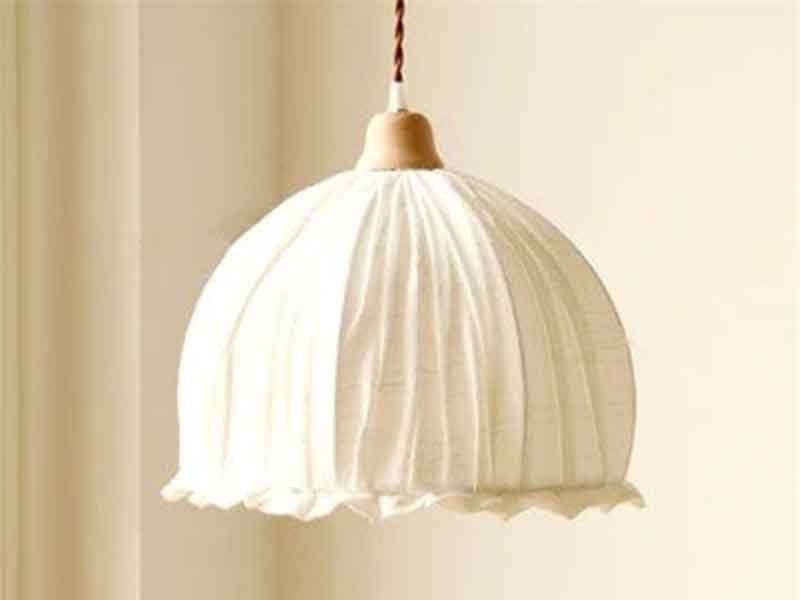
A cotton linen handmade pendant light is the kind of home detail that quietly changes the whole mood of a room. It does not shout, sparkle, or demand applause like a crystal chandelier arriving late to its own awards show. Instead, it glows softly, adds texture, and makes a space feel calm, thoughtful, and lived-in. In a world full of hard surfaces, glossy finishes, and lighting that sometimes feels like an interrogation room, cotton linen pendants bring the visual equivalent of a deep breath.
This style of pendant light combines natural fabric, artisan construction, and practical ceiling lighting in one warm package. Cotton offers softness and familiarity, linen brings organic texture and relaxed elegance, and handmade craftsmanship gives each shade a slightly individual character. The result is a fixture that works beautifully in kitchens, dining rooms, bedrooms, reading corners, entryways, nurseries, cafés, and small apartments where every design choice has to earn its rent.
More homeowners are also paying attention to layered lighting, natural materials, and softer interiors. A cotton linen pendant fits neatly into these trends because it is decorative without being fussy, functional without looking industrial, and stylish without trying too hard. Basically, it is the lighting version of someone who wears a perfectly rumpled linen shirt and somehow makes it look expensive.
What Is a Cotton Linen Handmade Pendant Light?
A cotton linen handmade pendant light is a ceiling-hung fixture with a shade made from cotton, linen, or a cotton-linen blend. It usually hangs from a cord, chain, rod, or canopy and directs or diffuses light downward and outward. Unlike glass, metal, or acrylic pendants, fabric pendant lights soften brightness and create a warm, comfortable glow.
The “handmade” part matters. Handmade pendant lights may include hand-wrapped fabric, stitched seams, woven details, pleating, fringe, rattan frames, bamboo structures, or carefully shaped drum and lantern silhouettes. These small imperfections are part of the charm. A machine-made shade can look clean and identical. A handmade shade looks like someone actually cared whether your dining nook felt cozy at 7:00 p.m.
Common styles include drum pendants, scalloped shades, lantern-inspired silhouettes, tapered fabric shades, wabi-sabi forms, Japandi lighting, coastal pendants, farmhouse pendants, and minimalist linen hanging lights. Some are simple and neutral; others use texture, trim, embroidery, or gathered fabric to create a stronger decorative statement.
Why Cotton and Linen Work So Well for Pendant Lighting
They diffuse light beautifully
The biggest appeal of a cotton linen pendant light is the way it handles illumination. Bare bulbs can be harsh. Metal shades can create sharp downlighting. Clear glass can show dust, fingerprints, and the bulb’s every emotional problem. Cotton and linen, on the other hand, filter light into a softer glow that feels warm and flattering.
This makes fabric pendant lighting especially useful in spaces where comfort matters: dining rooms, bedrooms, living rooms, breakfast nooks, and relaxed kitchen islands. The fabric shade reduces glare while still allowing enough brightness for everyday activities, depending on the bulb and shade thickness.
They add organic texture
Interior design is not only about color. Texture is what keeps a neutral room from looking like a rental listing with commitment issues. Cotton linen fabric adds depth through visible weave, gentle slubs, and natural irregularities. Even in white, beige, oatmeal, or warm gray, the material creates visual interest.
This is why cotton linen handmade pendant lights pair so well with wood tables, stone countertops, ceramic vases, woven baskets, plaster walls, cane chairs, and matte metal finishes. They are especially effective in Japandi, Scandinavian, coastal, bohemian, cottage, farmhouse, transitional, and organic modern interiors.
They feel timeless
Trendy lighting can be fun, but some fixtures age like milk left in July. Natural fabric pendants tend to stay relevant because their appeal is rooted in simple materials and balanced proportions. A well-made linen shade does not depend on a loud finish or novelty shape. It works because it is honest, warm, and easy to live with.
Best Places to Use a Cotton Linen Handmade Pendant Light
Kitchen island
A cotton linen pendant over a kitchen island creates a softer alternative to metal dome lights or glass cylinders. It can make a kitchen feel less clinical and more welcoming, especially when paired with natural wood cabinets, white oak stools, marble-look counters, or warm brass hardware.
For kitchen islands, consider using two or three pendants depending on the length of the island and the width of each shade. The bottom of the pendant commonly sits around 30 to 36 inches above the countertop, though ceiling height, shade size, and sightlines should guide the final placement. Nobody wants to have a heartfelt conversation through a lampshade.
Dining room
Above a dining table, a cotton linen handmade pendant light can replace a traditional chandelier for a softer, more relaxed look. A large drum shade gives clean symmetry, while a lantern shape or ruffled linen pendant adds character. The key is proportion. A pendant that is too small can look shy; one that is too large can make dinner guests feel like they are seated under a very polite parachute.
As a general design rule, the fixture should feel related to the table size. For a round table, a round or softly curved pendant usually works well. For a long rectangular table, consider one elongated pendant or a pair of matching fabric pendants.
Bedroom
In bedrooms, cotton linen pendants are excellent for creating calm, diffused light. They can hang in the center of the room or be used as bedside pendants instead of table lamps. Bedside pendants free up nightstand space, which is helpful if your nightstand already hosts a book stack, phone charger, water glass, hand cream, and one mysterious object you keep meaning to move.
Entryway or hallway
A handmade fabric pendant can soften the first impression of a home. In an entryway, it gives visitors a warm welcome without feeling overly formal. In hallways, smaller linen shades can add rhythm and texture without overwhelming narrow spaces.
Living room and reading corners
A fabric pendant in a living room works best as part of layered lighting. Combine it with table lamps, floor lamps, wall sconces, and dimmable bulbs. The pendant provides general ambiance, while smaller lights handle reading, conversation, and the noble household ritual of searching for the remote.
Choosing the Right Size and Shape
Size is one of the most important decisions when choosing a cotton linen handmade pendant light. A beautiful fixture in the wrong scale can throw off the entire room. Before buying, measure the ceiling height, furniture below, room width, and the visual weight of nearby pieces.
Drum shades
Drum shades are versatile and modern. They work well over dining tables, kitchen islands, bedrooms, and living spaces. Their straight sides create an even glow and a clean silhouette. A cotton linen drum pendant is a safe choice when you want texture without too much drama.
Lantern shapes
Fabric lantern pendants often have a more sculptural, airy quality. They can look Japanese-inspired, coastal, or bohemian depending on the frame and fabric. These are great for rooms that need softness and movement.
Scalloped or pleated shades
Scalloped, gathered, or pleated cotton linen shades add a decorative touch. They feel charming in cottage, traditional, vintage-inspired, or romantic interiors. Use them where you want personality, not just illumination.
Oversized pendants
An oversized linen pendant can become the focal point of a room. This works especially well in spaces with high ceilings, large dining tables, or minimalist furniture. The trick is to let the pendant breathe. If the room is already full of bold patterns, heavy furniture, and giant wall art, adding a huge fabric shade may push the space from “curated” to “design yard sale.”
Color Options: From Warm White to Earthy Neutrals
Most cotton linen handmade pendant lights come in soft, natural colors: ivory, cream, oatmeal, beige, flax, taupe, sand, warm gray, and muted brown. These shades are popular because they blend easily with other materials and create a calm atmosphere.
White or ivory cotton linen pendants feel fresh and airy. Beige and oatmeal shades bring warmth. Natural flax linen has a slightly rustic quality. Darker fabric shades, such as charcoal, olive, rust, or brown, create a moodier look and may direct more light downward than outward.
For small rooms, lighter shades usually help the space feel open. For large rooms or high ceilings, deeper colors can add grounding and drama. Always think about how the shade looks both during the day and when lit at night. Fabric can change personality after sunset, just like people after one strong coffee.
Bulb Selection: The Secret Ingredient
The shade gets the compliments, but the bulb does the work. For cotton linen pendant lights, LED bulbs are usually the best option because they are energy-efficient, long-lasting, and produce less heat than old incandescent bulbs. Fabric shades should always be paired with bulbs that match the fixture’s wattage and safety instructions.
Color temperature matters. For cozy spaces like bedrooms, dining rooms, and living rooms, choose warm white bulbs around 2700K to 3000K. For kitchens and work areas, 3000K to 4000K can provide a cleaner light while still feeling comfortable. Avoid overly cool bulbs unless you want your handmade pendant to give off “dentist office at noon” energy.
Brightness is measured in lumens, not watts. A pendant used for ambient lighting may need less brightness than one used over a kitchen island. If possible, install a dimmer switch compatible with your LED bulb. Dimming gives you flexibility: bright for chopping vegetables, low for dinner, lower for pretending the dishes do not exist.
Installation and Safety Considerations
Because pendant lights involve electrical wiring, professional installation is often the smartest choice unless you are experienced and local codes allow DIY work. A licensed electrician can make sure the canopy, junction box, wiring, and hanging hardware are secure.
Fabric shades also require attention to heat and clearance. Always use the recommended bulb type and wattage. Make sure the bulb does not touch the fabric. Check whether the fixture is rated for dry, damp, or wet locations. Most cotton linen pendants are best for dry indoor spaces, not bathrooms with heavy steam or outdoor patios exposed to moisture.
Look for quality wiring, sturdy frames, secure seams, and recognized safety listings when available. Handmade does not mean “anything goes.” It should mean carefully made, not “assembled during a power outage by someone with optimism and a glue gun.”
How to Style a Cotton Linen Handmade Pendant Light
For a Japandi room
Pair a simple linen lantern pendant with pale wood, black accents, low furniture, ceramic bowls, and minimal decor. Keep the palette quiet and let the texture do the talking.
For a coastal home
Choose a warm white or natural flax shade with rattan, cane, driftwood tones, and relaxed upholstery. Avoid going too literal with anchors and seashells unless you want your dining room to apply for a boating license.
For farmhouse style
Use a cotton linen drum or pleated pendant with aged brass, black hardware, wood beams, shaker cabinets, and woven textures. The fabric shade softens the rustic elements and keeps the room from feeling too heavy.
For modern organic interiors
Choose a sculptural handmade shade in cream, oatmeal, or taupe. Pair it with limewash walls, curved furniture, stone surfaces, and matte finishes. The pendant becomes a quiet focal point rather than a shiny centerpiece.
Care and Cleaning Tips
Fabric pendant lights collect dust, especially in kitchens and high-traffic rooms. Regular cleaning keeps the shade looking fresh and helps maintain good light quality. For routine care, turn off the light and let the bulb cool. Then use a microfiber cloth, feather duster, soft brush, or vacuum with a gentle upholstery attachment.
For pleated or textured shades, work in the direction of the fabric or pleats. Avoid soaking cotton linen shades unless the manufacturer specifically says it is safe. Water can stain fabric, loosen glue, or warp the frame. For small marks, test a barely damp cloth in an inconspicuous area first.
Kitchen pendants may need more frequent dusting because cooking oils can cling to fabric. If your pendant hangs near a stove, make sure there is proper ventilation and enough distance from steam and grease. A cotton linen pendant over a dining nook may stay fresh longer than one positioned directly above a bacon festival.
Pros and Cons of Cotton Linen Handmade Pendant Lights
Pros
Cotton linen handmade pendant lights offer soft light diffusion, natural texture, timeless appeal, and strong decorative value. They work with many interior styles and can make a room feel warmer almost instantly. Because they are often handmade, they also bring a sense of individuality that mass-produced lighting may lack.
Cons
They are not ideal for every location. Fabric can collect dust, absorb odors, or stain more easily than glass or metal. Some handmade designs may cost more than basic factory-made fixtures. They also require careful bulb selection and safe installation. In rooms with high humidity, heavy grease, or messy daily use, another material may be easier to maintain.
Buying Checklist Before You Choose One
Before purchasing a cotton linen handmade pendant light, check the dimensions, cord length, canopy size, bulb compatibility, maximum wattage, mounting requirements, and cleaning instructions. Confirm whether the listing includes only the shade or the full electrical fixture. Many handmade lampshades are sold separately, so read carefully before you end up with a beautiful shade and no way to hang it except pure determination.
Also look at customer photos when available. Product images are often professionally styled, but real-life photos show how the shade hangs, how much light passes through, and whether the color is warm, cool, sheer, or textured.
Experience Section: Living With a Cotton Linen Handmade Pendant Light
The real magic of a cotton linen handmade pendant light shows up after it is installed. At first, you notice the obvious things: the shape, the fabric, the glow. But after a few days, the fixture becomes part of the rhythm of the room. In the morning, the natural fabric looks soft and quiet in daylight. At night, it turns into a warm little cloud of light. It is not dramatic in the theatrical sense, but it changes the atmosphere in a way guests often notice before they can explain it.
One of the best experiences is using this type of pendant over a dining table. Dinner feels more intimate because the light is diffused rather than harsh. Faces look warmer, food looks more inviting, and the table becomes the center of attention. Even a simple meal feels a bit more intentional. A bowl of pasta under a linen pendant somehow says, “I have my life together,” even if the sauce came from a jar and the salad is mostly optimism.
In a kitchen, the experience depends heavily on placement and bulb choice. A cotton linen pendant can soften the entire room, especially in kitchens with white cabinets, stainless steel appliances, or stone countertops. However, it is important to pair it with enough task lighting. Under-cabinet lights, recessed lights, or brighter LED bulbs can help balance the softness of the fabric shade. The pendant brings mood; the task lights make sure you do not accidentally dice an onion with the confidence of a pirate.
In bedrooms, the experience is calmer and more personal. A cotton linen pendant creates a gentle overhead glow that feels less aggressive than many flush-mount fixtures. When used beside the bed, it frees up surface space and gives the room a boutique-hotel feeling. The fabric shade also helps prevent glare when you are winding down, reading, or pretending not to check your phone one last time.
Another pleasant surprise is how flexible these pendants are when redecorating. A natural cotton linen shade can survive multiple style changes. It works with wood furniture, painted furniture, vintage pieces, modern sofas, patterned rugs, and neutral walls. You can change pillows, art, chairs, or curtains, and the pendant usually still belongs. That makes it a smart choice for homeowners who enjoy refreshing rooms without replacing every major element.
Maintenance becomes part of the experience too. Fabric shades do need dusting, but the process is simple if done regularly. A quick pass with a microfiber duster keeps the shade looking clean. The only real caution is location. If installed too close to cooking grease, moisture, or children with airborne snacks, the fabric may age faster. But in the right spot, a cotton linen handmade pendant light can remain beautiful for years.
The best way to describe living with one is this: it makes a room feel finished without making it feel overdesigned. It adds warmth without clutter. It gives personality without shouting. And unlike some decor pieces that only look good in photos, a cotton linen pendant actually improves daily life by making ordinary moments feel softer, calmer, and more welcoming.
Conclusion
A cotton linen handmade pendant light is more than a decorative ceiling fixture. It is a practical design element that brings softness, texture, and warmth into the home. With the right size, bulb, placement, and care routine, it can elevate a kitchen island, dining room, bedroom, hallway, or reading corner without overwhelming the space.
Its beauty comes from balance: natural material with useful function, handmade character with timeless style, and soft illumination with everyday practicality. Whether your home leans Japandi, coastal, farmhouse, bohemian, cottage, or organic modern, this pendant style offers a relaxed elegance that feels current but not disposable.
Note: For safety, always follow the fixture manufacturer’s instructions and consult a qualified electrician for hardwired pendant installation, especially when replacing old wiring or installing lights in kitchens, bathrooms, or high ceilings.