Tear stains can make a perfectly healthy-looking pet appear as though they have spent the afternoon watching tragic movies. Those reddish-brown streaks beneath the eyes are especially noticeable on white and light-colored cats and dogs, but they can occur on pets of any coat color.
The stains themselves are usually cosmetic. However, constant tearing is not something to attack blindly with the strongest bottle labeled “miracle whitening wizardry.” Excessive tearing, medically known as epiphora, is a symptom rather than a disease. It may result from excessive tear production, poor drainage, facial anatomy, allergies, infection, eye irritation, abnormal eyelashes, eyelid problems, dental disease, or a blocked nasolacrimal duct.
Successfully eliminating tear stains therefore requires more than scrubbing the fur. The best plan combines veterinary investigation, safe daily cleaning, and long-term prevention. Here are three practical, vet-informed ways to reduce tear stains on cats and dogs without turning facial grooming into a wrestling match.
What Causes Tear Stains on Cats and Dogs?
Normal tears protect the surface of the eye, wash away debris, and help maintain a healthy cornea. After doing their job, excess tears should drain through tiny openings near the inner corners of the eyes and travel through the nasolacrimal ducts toward the nose and throat.
When a pet produces more tears than the drainage system can handleor when the ducts do not drain normallythe tears spill onto the face. As the surrounding fur remains damp, pigments and debris accumulate.
Why Tear Stains Look Red or Brown
The rusty color is commonly associated with porphyrins, naturally occurring iron-containing compounds excreted in tears and saliva. When tears repeatedly soak light fur and are exposed to air, the discoloration becomes increasingly visible. The stain is not usually blood, despite its dramatic “tiny vampire” appearance.
Long-term moisture can also irritate the skin and encourage odor, crusting, bacterial growth, or yeast overgrowth. That does not mean every reddish stain is an infection. It means the damp area deserves regular attention.
Pets More Likely to Develop Tear Stains
Flat-faced dogs and cats are frequently affected because their shallow eye sockets, prominent eyes, narrow drainage pathways, eyelid shape, and facial folds can interfere with normal tear movement. Persians, Himalayans, Exotic Shorthairs, Pugs, Shih Tzus, Maltese, Bichon Frises, Toy Poodles, Bulldogs, and similar breeds may require lifelong facial maintenance.
Some pets also have hair growing toward the eye, inward-rolling eyelids, extra eyelashes, or incomplete blinking. In these cases, the eye may constantly produce tears because something is physically irritating the cornea. Flat-faced pets can develop chronic tearing from irritation or kinked tear ducts and may not always show obvious pain when a serious eye problem is present.
Way 1: Identify and Treat the Underlying Cause
The most effective way to eliminate recurring tear stains is to find out why the face keeps getting wet. Cleaning can remove debris, but it cannot correct a blocked duct, cure conjunctivitis, remove an abnormal eyelash, or persuade an inward-rolling eyelid to rethink its life choices.
When a Veterinary Examination Is Necessary
Schedule a veterinary visit when tearing is new, persistent, suddenly worse, limited to one eye, or accompanied by any of the following:
- Redness or swelling
- Squinting or holding an eye closed
- Pawing or rubbing at the face
- Yellow, green, bloody, or thick discharge
- Cloudiness or a bluish appearance
- A visible scratch, foreign object, or injury
- Bad odor or inflamed skin beneath the eye
- Changes in vision, behavior, appetite, or energy
Eye pain, excessive tearing, cloudiness, severe redness, visible injury, or abnormal discharge may indicate conditions that need prompt treatment. Corneal ulcers, glaucoma, and other eye disorders can progress quickly and threaten vision.
What the Veterinarian May Check
A veterinarian may examine the eyelids, eyelashes, cornea, conjunctiva, facial folds, tear openings, and surrounding skin. Diagnostic testing may include a Schirmer tear test to measure tear production, fluorescein stain to look for corneal damage and evaluate drainage, pressure measurement to screen for glaucoma, or flushing of the nasolacrimal ducts.
The mouth may also be examined. In some pets, dental inflammation or an abnormal connection between the mouth and nasal cavity contributes to nasal or ocular discharge. Eye stains are not always merely an eye problem; occasionally, the culprit is hiding several teeth away.
Treatment Depends on the Diagnosis
Possible treatments include prescription eye medication, allergy management, treatment for respiratory or dental disease, removal of a foreign object, tear-duct flushing, lubrication for tear-film problems, or surgery for eyelid and eyelash abnormalities. Cats with recurring watery eyes may also need evaluation for viral respiratory or ocular disease.
Do not apply leftover antibiotic drops, human redness-relief drops, or another pet’s medication. An eye drop that helped one condition can delay proper treatment or worsen another. Veterinary ophthalmology sources specifically advise consulting a veterinarian before using over-the-counter eye medications because not every product is appropriate for dogs or cats.
Way 2: Clean and Dry the Eye Area Every Day
Once urgent medical problems have been ruled out or treated, daily cleaning becomes the workhorse of tear-stain control. Consistency matters more than aggressive scrubbing. A gentle 30-second routine performed every day is usually more useful than a heroic cleaning campaign once the fur resembles a tiny rust-colored waterfall.
Supplies for Safe Tear-Stain Cleaning
- Sterile saline eye wash recommended for pets
- A clean, soft washcloth, gauze pad, or lint-free cotton pad
- Warm water for softening dried material
- A separate dry cloth or gauze pad
- Veterinarian-approved eye wipes, when appropriate
- Treats for bribery, diplomacy, and international peace negotiations
Use a fresh pad for each eye so material is not transferred from one side to the other. Cats and dogs with a suspected infection should not share towels with other pets.
Step-by-Step Cleaning Method
- Wash your hands and place your pet in a calm, well-lit location.
- Moisten a soft cloth or gauze pad with sterile saline or comfortably warm water.
- Hold the damp compress over crusted fur briefly to soften the debris. Do not pull dry crust away from the skin.
- Wipe gently from the inner corner of the eye outward, staying on the fur and avoiding direct pressure on the eyeball.
- Repeat with a clean pad until the discharge is removed.
- Pat the fur completely dry. Moisture left behind invites the stain to return for an encore.
- Reward your pet immediately so the routine becomes predictable rather than suspicious.
The American College of Veterinary Ophthalmologists recommends patiently softening crusted debris with a warm, wet compress before removing it. Sterile eye wash may be used to rinse the ocular surface when directed, but contact-lens solution should not be substituted because some formulas contain ingredients that can harm the eye.
What Not to Put Near a Pet’s Eyes
Avoid bleach, whitening shampoo, essential oils, vinegar, makeup remover, baking soda paste, undiluted peroxide, alcohol, stain-removing laundry products, and human cosmetic creams. A product can be “natural” and still be a naturally terrible idea near a cornea.
Hydrogen peroxide occasionally appears in older home-cleaning recommendations, but using it around a moving pet’s eyes creates unnecessary risk. Sterile saline, warm water, or a veterinarian-approved product is the safer default. Never place a cosmetic tear-stain remover directly into the eye unless its label specifically identifies it as an ophthalmic product and your veterinarian approves its use.
Can Old Tear Stains Be Washed Away Immediately?
Usually not. Cleaning removes fresh tears, crust, dirt, and surface debris, but deeply discolored hair may remain rusty until it fades, grows out, or is carefully trimmed. Improvement is therefore measured by the color of the new hair closest to the skinnot by whether months of staining vanish after two wipes and a motivational speech.
Never use sharp scissors near the eyes of a restless animal. Ask a professional groomer or veterinarian to shorten stained or irritating facial hair safely.
Way 3: Prevent New Stains With Grooming and Environmental Control
After the medical cause is addressed and the face is clean, prevention focuses on reducing moisture and irritation. This is especially important for pets whose facial anatomy naturally sends tears over the eyelids instead of through the drainage ducts.
Keep Facial Hair Neat
Long hairs can rub against the eye, trap discharge, or wick tears across the face. Regular professional grooming keeps the area visible and easier to dry. For flat-faced pets, clean facial folds gently and check them for redness, odor, hair loss, or soreness.
Do not pluck eyelashes or attempt to correct inward-growing hairs at home. Abnormal eyelashes and eyelids may require veterinary treatment because repeated contact with the cornea can cause pain, tearing, ulcers, and scarring.
Reduce Everyday Irritants
Smoke, aerosol sprays, dusty litter, strong fragrances, shampoo, windblown debris, and seasonal allergens can make sensitive eyes water. Use unscented household products where possible, prevent shampoo from entering the eyes during bathing, and keep pets away from smoke and freshly sprayed cleaners.
Outdoor pets may benefit from having their face gently wiped after walks during dusty or high-pollen periods. However, do not assume every watery eye is “just allergies.” Eye irritation can look similar whether the cause is pollen, an ulcer, an abnormal eyelash, or a foreign object.
Provide Appropriate Food and Fresh Water
Feed a complete, balanced diet appropriate for the pet’s species, age, and medical needs. Keep food and water bowls clean, and provide fresh water daily. Stainless-steel or high-quality ceramic bowls are easy to wash and less likely than scratched plastic to harbor residue.
Some tear-stain guides recommend filtered water, grain-free diets, raw feeding, apple cider vinegar, or assorted supplements. Evidence does not support one universal diet change as a cure for tear staining. Changing food may help when a veterinarian identifies an actual dietary allergy or another nutrition-related condition, but random elimination diets can create nutritional problems and confusion.
Be Cautious With Oral Tear-Stain Products
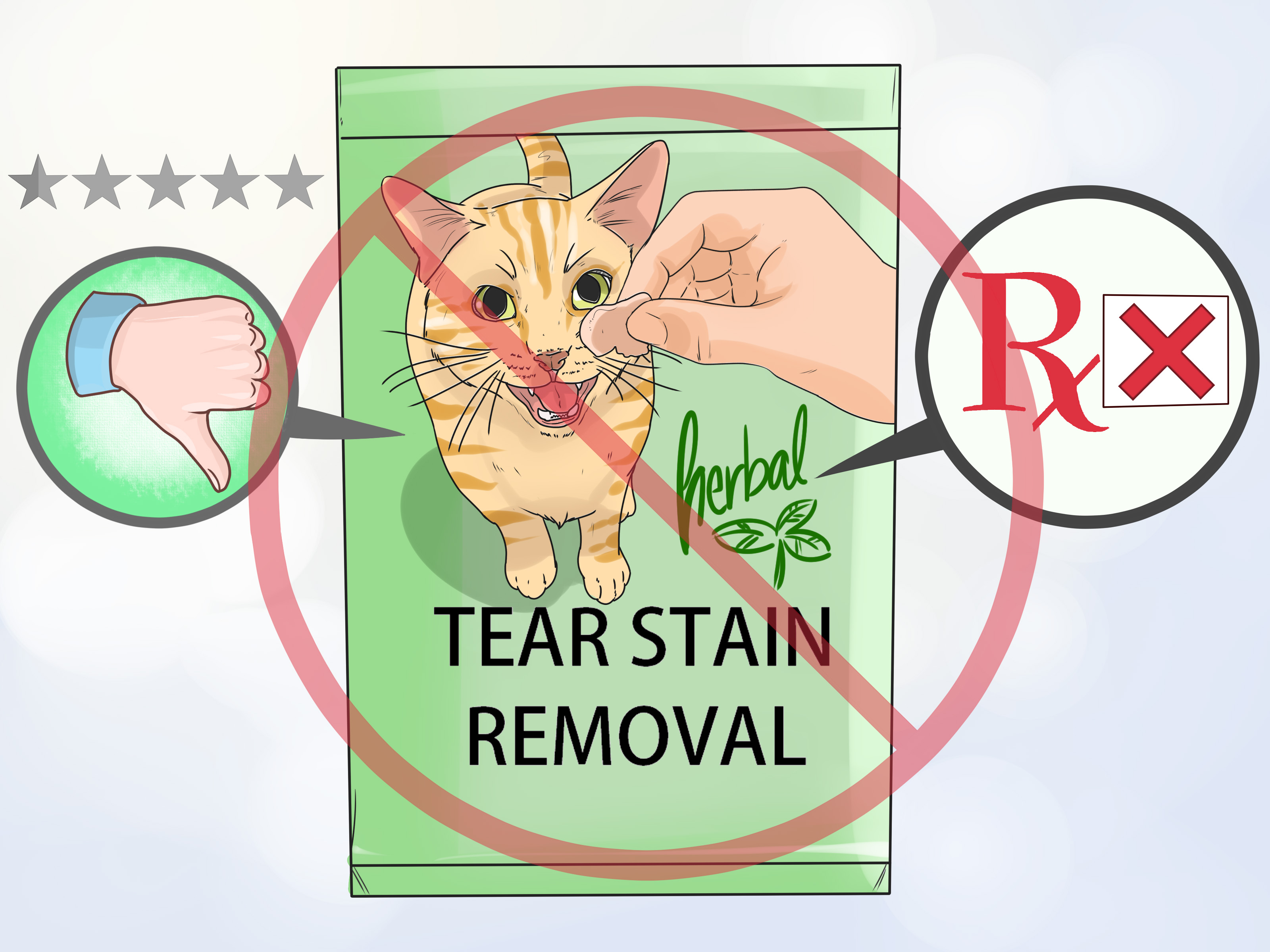
Supplements marketed for tear stains may contain herbs, probiotics, flavorings, or other ingredients with limited evidence. More importantly, some historical tear-stain products contained tylosin or other antibiotic substances. The FDA has issued warning letters concerning products marketed with drug-like tear-stain claims, including products associated with tylosin. Cosmetic staining alone is not a sensible reason to give a pet an unapproved antibiotic.
Ask your veterinarian to review any chew, powder, drop, or oral supplement before using it, especially for cats, puppies, kittens, pregnant animals, pets taking medication, or pets with liver, kidney, or digestive disease.
How Long Does It Take to Eliminate Tear Stains?
Fresh discharge may improve within days when the triggering problem is treated and the face is cleaned consistently. Visible coat improvement often takes several weeks because existing stained hair must grow out. Long-haired white pets may need one or more grooming cycles before the difference becomes dramatic.
A reasonable progress plan looks like this:
- First week: Less crusting, odor, and dampness
- Two to four weeks: Cleaner new growth near the skin
- One to three months: Old stained hair gradually fades or is trimmed away
If tearing remains heavy despite daily care, return to the veterinarian. Persistent moisture suggests that the cause has not been fully controlled or that the pet’s anatomy requires ongoing management.
Practical Experience: What a Four-Week Tear-Stain Routine Often Looks Like
Consider a representative example involving a small, white, flat-faced dog with reddish streaks beneath both eyes. The dog is energetic, eats normally, and does not appear painful. The owner has tried several whitening wipes, but the stains return within a day. The problem is not a lack of wiping effort. The fur is continually being re-soaked by tears.
Week 1: Stop Guessing
The first useful step is a veterinary examination. The veterinarian finds no corneal ulcer or infection but notices that the dog’s facial hair grows close to the eyes and that the drainage openings are small. The owner is advised to keep the hair trimmed professionally, clean the face daily, and return if redness, squinting, or thick discharge develops.
During the first few days, the routine feels awkward. The dog interprets every cotton pad as a personal insult and attempts to lick it. The owner learns to prepare the supplies beforehand, use a warm compress rather than scrubbing, and reward cooperation with a small treat. By the end of the week, the dog still looks stained, but the fur feels softer, smells better, and no longer remains wet all afternoon.
Week 2: Consistency Starts Winning
The owner cleans the eye area each morning and performs a quick dry wipe in the evening. Separate pads are used for each eye. The routine takes less than one minute, partly because the dog now associates facial cleaning with snacks and has decided the arrangement is acceptable.
The old reddish hair remains visible, which can make the process appear unsuccessful. A closer look, however, shows a narrow strip of cleaner hair emerging near the skin. This is the progress owners should watch for. Existing pigment does not politely evacuate the hair shaft just because a new wipe has entered the household.
Week 3: Grooming Makes the Difference Visible
A professional groomer shortens the discolored hair and removes strands that were holding moisture against the face. The groomer does not cut too close to the eyelids and avoids applying whitening shampoo near the eyes. With less stained hair present, the improvement suddenly looks much more impressive.
The owner also stops using a heavily fragranced room spray and washes the pet’s bowls daily. These changes are not presented as magical cures. They simply reduce possible irritants and keep the routine clean and repeatable.
Week 4: Maintenance Replaces the Search for Miracles
By the fourth week, the face is not perfectly snow-white, but fresh staining is lighter and easier to manage. The owner now understands that the goal is controlled tearing, healthy skin, and clean new hairnot an airbrushed face at any cost.
The same experience can occur with a Persian cat, although feline cooperation may require a slower introduction. Owners often succeed by touching the cheek briefly with a dry pad, offering a reward, and gradually introducing moisture over several sessions. Restraining a frightened cat aggressively tends to make the next cleaning harder. Calm handling, short sessions, and predictable rewards are more effective.
The most important lesson from these routines is that stain removal is not a one-product event. Veterinary care addresses the cause, daily cleaning prevents accumulation, and grooming removes old discolored hair. When all three pieces work together, improvement is usually gradual but sustainable.
Conclusion
The safest way to eliminate tear stains on cats and dogs is to work from the eye outward. First, have persistent or abnormal tearing evaluated so infections, ulcers, blocked ducts, allergies, dental disease, abnormal eyelashes, and eyelid problems are not missed. Second, clean and dry the area gently every day with sterile saline, warm water, or a veterinarian-approved wipe. Third, prevent recurrence by controlling facial hair, folds, irritants, moisture, and any diagnosed medical condition.
Some petsparticularly flat-faced breedsmay always produce a degree of staining. That is not a grooming failure. The real victory is a comfortable pet with clear eyes, healthy skin, and a face that no longer smells like a damp washcloth hiding under the couch.