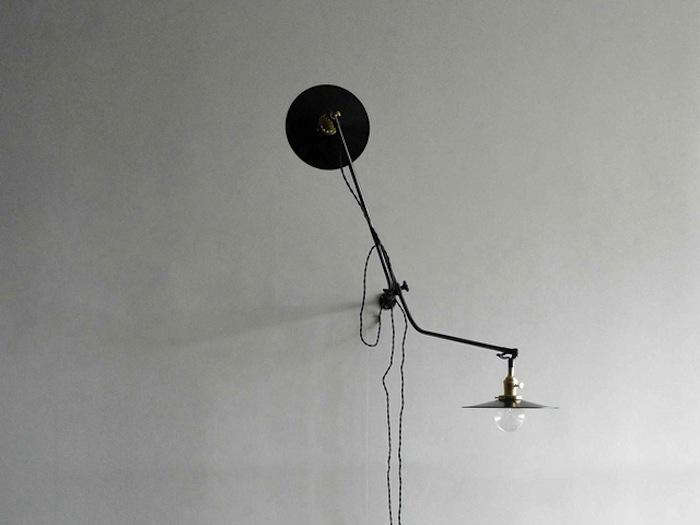
A 2-arm bent wall sconce is one of those rare home upgrades that looks thoughtful, works hard, and does not demand half your floor space in return. It is part lighting fixture, part wall jewelry, and part tiny architectural flex. Unlike a standard wall light that simply sits there looking polite, a double-arm bent sconce adds direction, movement, and sculptural shape. It can stretch light toward a reading chair, frame a bed, brighten a hallway, or give a bathroom mirror the flattering glow we all wish overhead lighting understood.
The beauty of this fixture is in its balance. Two arms create visual rhythm, while the bent form keeps the design clean and intentional. It can feel vintage, industrial, mid-century, modern, farmhouse, or quietly luxurious depending on the finish, shade, and bulb. In other words, the 2-arm bent wall sconce is not a one-style wonder. It is the lighting equivalent of a well-cut blazer: surprisingly versatile, instantly polished, and very good at making everything around it look more expensive.
What Is a 2-Arm Bent Wall Sconce?
A 2-arm bent wall sconce is a wall-mounted light fixture with two extended arms, usually angled, curved, or bent away from the wall. Some models have two light sources, while others use a two-part arm system to support one adjustable shade. The phrase can describe a double-light sconce with symmetrical arms, a swing-arm fixture with two articulated sections, or a bent-arm wall lamp designed to project light outward and downward.
The main purpose is simple: better light control. A flat wall sconce gives you glow. A bent-arm wall sconce gives you glow with a plan. The arms help position the shade away from the wall, creating a wider spread of light and reducing the harsh “spot on the plaster” effect that happens when a fixture sits too close to the surface.
Why the 2-Arm Design Works So Well
The two-arm structure gives this sconce three major advantages: reach, balance, and personality. Reach matters when you want light over a nightstand, desk, or reading nook without adding a table lamp. Balance matters because two arms create a composed look, especially when used as a pair on either side of a bed, mirror, fireplace, or artwork. Personality matters because, let’s be honest, nobody buys a bent wall sconce because they want their wall to whisper, “I gave up.”
The bent shape also softens the geometry of a room. Most homes are already full of rectangles: doors, windows, cabinets, beds, mirrors, TVs, and those mysterious boxes of cables everyone pretends not to see. A curved or angled sconce adds a line that feels deliberate. It breaks up the stiffness and brings a little motion to the wall.
Best Places to Use a 2-Arm Bent Wall Sconce
Bedroom Reading Lights
A 2-arm bent wall sconce is excellent beside the bed because it frees up nightstand space. Instead of a lamp base competing with your book, phone, water glass, lip balm, and the snack you promised yourself you were not bringing to bed, the light stays neatly mounted on the wall. Adjustable arms are especially helpful because they let you direct light toward the page without blasting your sleeping partner like an interrogation lamp.
Living Room Accent Lighting
In a living room, this fixture can highlight a reading chair, console table, gallery wall, or built-in shelves. A warm-toned bulb and a dimmer switch can turn a simple wall into a cozy evening zone. Place one near a sofa or armchair to create a soft pool of task light that feels more intimate than overhead lighting.
Bathroom Vanity Lighting
When used correctly, wall sconces near a bathroom mirror can reduce shadows and improve visibility. A 2-arm design can work beautifully beside a mirror, especially if the shades diffuse light evenly. For bathrooms, always choose a fixture rated for the location. Damp-rated sconces are designed for spaces where moisture and condensation may be present, while wet-rated fixtures are for direct water exposure.
Hallways and Entryways
Hallways love sconces. They add rhythm, depth, and warmth without taking up floor space. A 2-arm bent wall sconce can make a narrow passage feel more designed and less like a place where shoes gather to form a small government. In an entryway, it can also frame a mirror or console table and make the first impression feel polished.
Home Offices and Work Corners
If your desk is short on surface space, a wall-mounted sconce can provide useful task lighting without crowding your workspace. A bent or adjustable arm allows light to land where you need it, which is helpful for writing, reading, sketching, or pretending your desk is organized during video calls.
How to Choose the Right Size
Scale is the difference between “designer detail” and “why is there a tiny lamp hiding on that wall?” For most interiors, the sconce should feel proportional to the furniture and wall area around it. If the sconce is going beside a bed, consider the width of the headboard, the height of the ceiling, and the size of the nightstand. A small fixture may disappear beside a king bed, while an oversized one may look like it is trying to land a plane.
For hallway use, slimmer arms and compact shades usually work best. For living rooms, larger arms and more decorative shades can feel appropriate, especially if the fixture is meant to act as a design feature. For bathroom vanities, choose a size that provides enough light without crowding the mirror or medicine cabinet.
Placement Rules That Actually Help
A common starting point for wall sconces is around 60 to 72 inches from the finished floor, measured to the center of the fixture. This range typically keeps the light near eye level while reducing glare. However, the exact height should depend on the room, ceiling height, shade shape, and purpose of the light.
For bedside sconces, many homeowners place the light slightly above the nightstand and near shoulder height when sitting in bed. The goal is to make reading comfortable without exposing the bulb directly to your eyes. In hallways, sconces are often spaced several feet apart to create an even rhythm of light. In bathrooms, side sconces should be positioned to flatter the face rather than cast dramatic shadows under the nose. Unless you are auditioning for a mystery film, that is usually not the desired effect.
Hardwired vs. Plug-In 2-Arm Bent Wall Sconces
A hardwired 2-arm bent wall sconce connects directly to the electrical wiring inside the wall. It looks clean, permanent, and custom. This is often the best choice for remodels, new construction, bathrooms, and any space where you want a polished built-in appearance. The downside is that installation usually requires an electrician, especially if there is no existing junction box.
A plug-in 2-arm wall sconce is easier to install and more renter-friendly. It mounts to the wall and plugs into a standard outlet. Some plug-in models include cord covers for a neater look. The trade-off is the visible cord, although in the right room, that can feel casual and stylish rather than unfinished.
If you own your home and want a long-term lighting solution, hardwired is usually worth considering. If you rent, move often, or simply want less commitment, plug-in sconces can deliver style without electrical drama. Your wall, your rules.
Best Finishes and Materials
Finish plays a huge role in how a 2-arm bent wall sconce feels. Brass brings warmth and vintage charm. Matte black feels modern, graphic, and slightly industrial. Brushed nickel and chrome are clean and practical, especially in bathrooms. Bronze adds depth and works well in traditional, rustic, or transitional interiors. White or painted metal can disappear into the wall for a softer, minimal look.
Shade material matters too. Metal shades direct light downward and create strong task lighting. Fabric shades soften the glow and feel more relaxed. Glass shades can spread light more evenly, while opal or milk glass creates a diffused, flattering effect. Clear glass looks crisp and vintage but may expose the bulb, so choose a decorative LED bulb if the bulb will be visible.
Choosing the Right Bulb: Lumens, Kelvin, and Mood
When shopping for bulbs, think in lumens, not watts. Lumens measure brightness. Watts measure energy use. A wall sconce used for reading needs more focused brightness than one used only for mood lighting. For many bedside or accent sconces, a bulb in the 400 to 800 lumen range can work well, depending on the shade and room size.
Color temperature is measured in Kelvin. Warm white bulbs, usually around 2700K to 3000K, create a cozy glow that suits bedrooms, living rooms, dining rooms, and hallways. Neutral white bulbs, around 3500K to 4000K, can work in bathrooms, offices, and task-heavy spaces. Daylight bulbs can feel crisp, but they may also make a cozy bedroom feel like a dentist’s office with throw pillows.
LED bulbs are a smart choice for most sconces because they are energy-efficient, long-lasting, and available in many shapes and color temperatures. If your sconce is on a dimmer, make sure both the bulb and fixture are dimmer-compatible. Not all LEDs dim smoothly, and flickering lights are charming only if you are filming a haunted house scene.
Style Ideas for Different Rooms
Modern Minimalist
Choose a slim 2-arm bent wall sconce in matte black, white, or brushed steel. Pair it with simple furniture, clean lines, and a warm LED bulb. Keep the shade understated and let the silhouette do the talking.
Mid-Century Inspired
Look for brass, bronze, or mixed-metal finishes with rounded shades or globe bulbs. A bent-arm shape works beautifully with walnut furniture, textured rugs, and warm neutral walls.
Industrial Loft
Go for blackened metal, exposed hardware, and a metal shade. Use it near brick, concrete, reclaimed wood, or open shelving. A visible Edison-style LED bulb can add character without the heat and energy use of old incandescent bulbs.
Classic and Traditional
Aged brass, bronze, fabric shades, and graceful curved arms can make a double-arm sconce feel timeless. This style works well in dining rooms, bedrooms, libraries, and entryways.
Soft Coastal
Try white, antique brass, or natural woven shades. Keep the light warm and diffused. The result should feel airy, relaxed, and intentionally calmnot like a beach souvenir shop got very ambitious.
Installation and Safety Considerations
Before buying, check the fixture’s rating, bulb requirements, mounting style, and dimensions. For bathrooms, laundry rooms, covered porches, and other moisture-prone spaces, choose the proper damp-rated or wet-rated fixture. For hardwired models, hire a qualified electrician unless you have the training and local code knowledge to do the job safely.
Also check the depth of the sconce. A two-arm fixture projects farther from the wall than a standard flush sconce. That extra reach is useful, but it should not block traffic paths, cabinet doors, mirrors, or artwork. In narrow hallways, staircases, or tight bedrooms, measure carefully before ordering.
Common Mistakes to Avoid
The first mistake is hanging the sconce too high. If the bulb is visible from normal eye level, the fixture may cause glare. The second mistake is choosing the wrong color temperature. A bulb that is too cool can make warm interiors feel flat and uninviting. The third mistake is ignoring scale. A tiny sconce on a large wall looks accidental; an oversized sconce in a narrow passage can feel like a decorative elbow waiting to happen.
Another mistake is forgetting how the shade affects the light. A black metal shade may look fantastic but direct light downward in a narrow beam. A white fabric or opal glass shade may provide softer ambient light. Decide whether the sconce is meant to help you read, flatter a mirror, brighten a hallway, or simply add atmosphere. The best fixture is the one that looks good and does the job.
Maintenance Tips for a Long-Lasting Look
Dust the arms and shade regularly with a soft cloth. For metal finishes, avoid harsh cleaners unless the manufacturer specifically recommends them. Brass and bronze can develop patina over time, which many people love. If you prefer a polished look, use a finish-safe cleaner and test it on a hidden area first.
Glass shades should be removed carefully and washed with mild soap and water when needed. Always turn off the power and let bulbs cool before cleaning. If the sconce has adjustable joints, check them occasionally to make sure they remain secure. A wobbly arm is not a design feature; it is a small cry for help.
Real-Life Experiences With a 2-Arm Bent Wall Sconce
One of the best things about living with a 2-arm bent wall sconce is that it teaches you how much lighting affects daily comfort. Many homeowners start with the idea that a sconce is mainly decorative. Then they install one beside a bed or reading chair and suddenly realize their table lamp had been stealing precious surface space for years. A wall sconce gives that space back. The nightstand feels cleaner. The room feels less cluttered. The light feels more intentional.
In bedrooms, the most common experience is relief. A properly placed two-arm sconce makes nighttime reading easier because the light can be aimed where it belongs. Instead of lighting the entire room, it focuses on the page, pillow, or bedside area. This creates a calmer environment before sleep. It also helps couples with different schedules. One person can read while the other rests, assuming the reader does not also turn pages like they are shuffling legal documents in a courtroom.
In living rooms, homeowners often notice that a bent wall sconce makes the space feel layered. Overhead lighting alone can flatten a room. A wall-mounted fixture adds glow at eye level, which makes furniture, artwork, and textures look richer. A brass two-arm sconce above a side table can make an ordinary corner feel styled. A matte black version near a reading chair can create a compact, modern library mood even if the “library” is three novels, two magazines, and a basket full of remote controls.
Bathrooms offer another lesson: placement is everything. A beautiful fixture placed too high or too close to the mirror can create shadows. But when the sconce is mounted at the right height and paired with a flattering bulb, the mirror area becomes much more useful. Morning routines feel easier. Shaving, makeup, skincare, and hair styling all benefit from balanced light. The difference can be surprisingly dramatic, especially in bathrooms that previously depended on one overhead fixture.
Home offices also benefit from the two-arm design. A bent-arm wall light can illuminate paperwork, notebooks, keyboards, or craft projects without using desk space. People who work in small rooms often appreciate this more than expected. The wall becomes functional storage for light. The desk stays clearer, which may or may not improve productivity, but at least the mess becomes more visible and therefore slightly harder to deny.
Another real-life lesson is that dimmers are worth considering. A 2-arm bent wall sconce can be task lighting during the day and mood lighting at night if it has dimmable bulbs and compatible controls. This flexibility makes the fixture feel less like a single-purpose object and more like part of the room’s personality. Bright for reading. Low for relaxing. Medium for guests. Very low for pretending the laundry pile is not there.
Finally, many people discover that finish choice changes the whole mood. Brass warms up a room. Black adds contrast. Nickel feels clean and practical. Bronze brings a classic, grounded look. The fixture may be small compared with a sofa or bed, but because it sits at eye level, it carries visual weight. That is why the best 2-arm bent wall sconce is not simply the prettiest one online. It is the one that fits your wall, your lighting needs, your room style, and your daily habits.
Conclusion
A 2-arm bent wall sconce is a smart choice for anyone who wants lighting that is useful, stylish, and space-saving. It can work as a bedside reading light, bathroom vanity fixture, hallway accent, home office task light, or living room design feature. The key is choosing the right size, finish, shade, bulb, and installation type for your space.
For the best result, focus on proportion, placement, and purpose. Mount the fixture at a comfortable height, avoid glare, use warm or neutral LED bulbs based on the room, and select damp-rated or wet-rated models where moisture is present. Done well, this little wall-mounted fixture can make a room feel warmer, more functional, and more finished. Not bad for something that does not even ask for floor space.