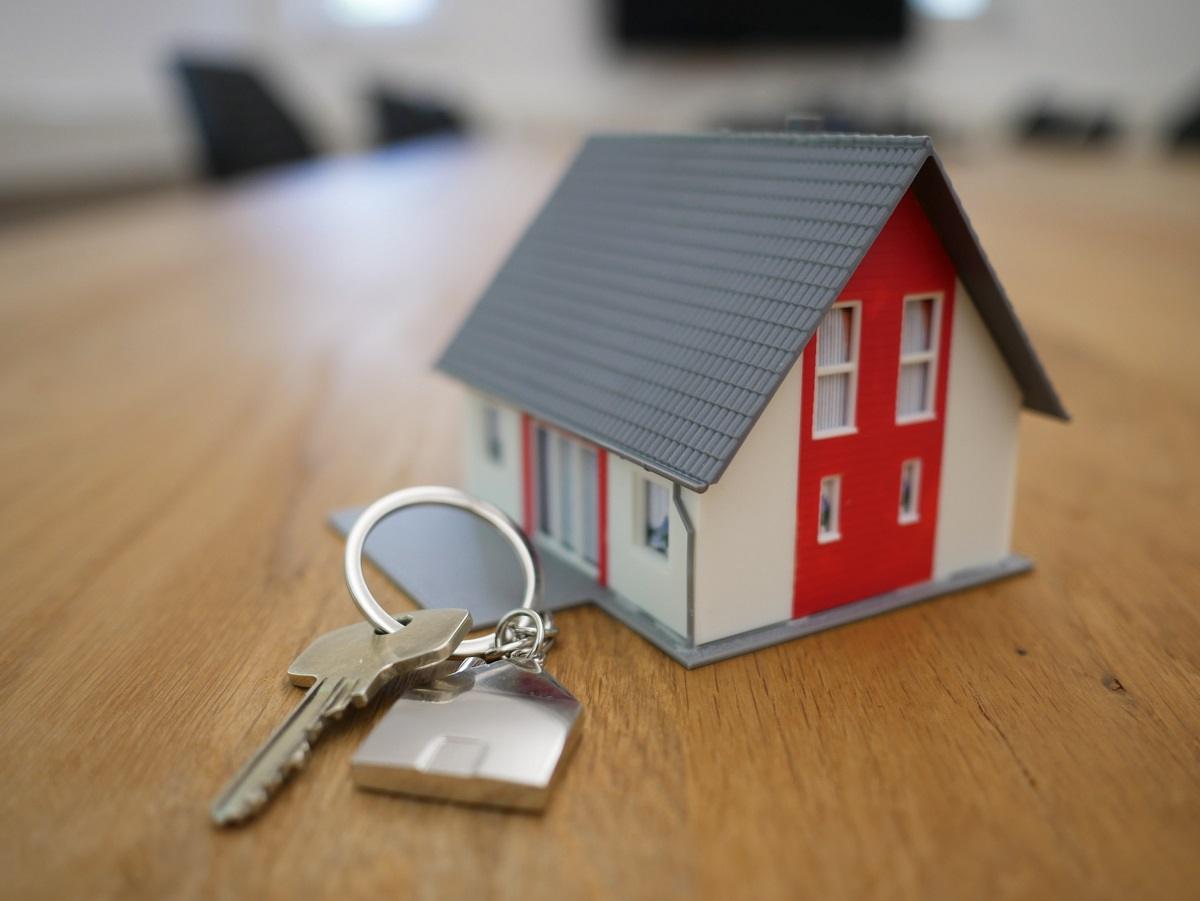
Home ownership is often presented as the grand finale of adult life: sign the papers, collect the keys, take a smiling photo beside the frontg in ankle-deep water at 2 a.m. while searching for the main shutoff valve.
Owning a house can provide stability, privacy, creative freedom, and an opportunity to build equity. It can also introduce expenses, responsibilities, and emotional surprises that do not appear in the listing photos. Your mortgage payment is only the opening act. The complete production includes property taxes, insurance, maintenance, utility bills, neighborhood politics, and an impressive supporting cast of mysterious household noises.
Before buying your first home, it helps to understand the less glamorous side of the experience. Here are 10 things they do not tell you about home ownershipand what you can do to prepare for them.
1. The Down Payment Is Not the Finish Line
Closing day can consume more cash than expected
Many first-time buyers focus so intensely on saving for a down payment that closing costs arrive like an unexpected final level in a video game. In addition to the down payment, buyers may need money for lender fees, an appraisal, title services, prepaid property taxes, homeowners insurance, recording charges, inspections, and other settlement expenses.
Federal and mortgage-industry guidance commonly estimates closing costs at roughly 2% to 5% of the purchase price, although the actual amount depends on the loan, location, property, and transaction. On a $350,000 home, even the lower end represents several thousand dollars.
You may also face moving expenses, utility deposits, locksmith charges, immediate repairs, and purchases such as blinds, lawn equipment, shelving, or appliances. A house that appears “move-in ready” may still require twenty small purchases before it feels functional.
The safest strategy is to avoid spending every available dollar at closing. Preserve a cash cushion for the first few months, when the home will begin revealing its personality.
2. Your Mortgage Payment Is Not Your Total Housing Cost
The real monthly number includes several moving parts
A mortgage calculator may show principal and interest, but homeowners often pay much more each month. Property taxes, homeowners insurance, mortgage insurance, homeowners association dues, utilities, repairs, and routine maintenance all contribute to the true cost of owning a home.
Buyers who put down less than 20% may also pay private mortgage insurance on a conventional loan. This coverage protects the lender rather than the homeowner, which is not the most exciting thing to fund each month. Other loan programs may have their own mortgage insurance requirements.
Some expenses are bundled into an escrow payment, making them easy to overlook. Nevertheless, they remain your expenses. If taxes or insurance premiums increase, your monthly payment may rise even when you have a fixed-rate mortgage.
Before buying, build a complete monthly budget rather than comparing rent with principal and interest alone. Include every recurring expense and add a monthly contribution to a home repair fund. The honest number may be less romantic, but it is much more useful.
3. Maintenance Never Truly Ends
A house is a collection of systems that age at different speeds
Renters usually call a landlord when something breaks. Homeowners call a contractor, watch three repair videos, reconsider their career choices, and then call a contractor anyway.
A house contains a roof, plumbing, electrical wiring, heating and cooling equipment, windows, appliances, drainage systems, exterior materials, and countless smaller components. Every one of them eventually needs cleaning, servicing, repairing, or replacing.
Fannie Mae suggests that homeowners may need to budget approximately 1% to 4% of a home’s value per year for maintenance, repairs, and replacements. A newer, smaller property may fall near the lower end, while an older home with aging systems may require considerably more.
Maintenance is not limited to emergencies. Gutters need cleaning. HVAC filters need changing. Exterior caulk deteriorates. Trees require trimming. Decks need sealing. Small cracks and leaks should be investigated before they become expensive renovations with their own zip codes.
Create a seasonal maintenance calendar and keep records of completed work. Preventive care is usually cheaper than repairing damage caused by neglect.
4. Repairs Do Not Arrive One at a Time
Household problems have terrible respect for your schedule
Home repairs rarely check whether it is a convenient month. The water heater does not care that you recently paid for a wedding. The air conditioner will happily stop working during the hottest weekend of the year, preferably when every technician in town is booked.
Worse, several problems may appear together. A roof leak can damage insulation, drywall, flooring, and electrical components. A slow plumbing leak may lead to cabinet repairs and mold remediation. One seemingly simple issue can become a group project.
A dedicated emergency fund is therefore essential. It should be separate from the money used for regular bills, vacations, and planned improvements. Home equity may look impressive on paper, but it cannot immediately pay a plumber unless you borrow against it or sell the property.
When obtaining repair estimates, ask contractors to separate urgent safety work from improvements that can wait. Get multiple written quotes for major projects, verify licenses and insurance where applicable, and be cautious about paying the full amount before work begins.
5. Property Taxes and Insurance Can Increase
A fixed-rate loan does not guarantee a fixed monthly payment
One of the most common home ownership surprises is an escrow shortage notice. Although the principal-and-interest portion of a fixed-rate mortgage remains stable, property taxes and insurance premiums can change.
A reassessment, a local tax increase, the end of a temporary exemption, or a higher assessed value may raise the tax bill. Insurance premiums may also increase because of construction costs, claims history, regional disaster risks, coverage changes, or broader market conditions.
Standard homeowners insurance also does not cover every danger. Flood damage generally requires separate flood insurance, and earthquake coverage is commonly excluded unless a separate policy or endorsement is purchased. Sewer backups, sump-pump failures, mold, valuable collections, and certain wind risks may also have limited or excluded coverage.
Review your insurance policy rather than treating it as a mysterious document stored beside the appliance manuals. Understand the deductible, exclusions, coverage limits, and whether the dwelling limit is sufficient to rebuild the homenot merely repay the mortgage.
6. Utilities Can Be Surprisingly Expensive
More space often means more space to heat, cool, and maintain
A larger home may deliver extra bedrooms and storage, but it also brings additional square footage that must be heated, cooled, illuminated, cleaned, and supplied with water. Heating and cooling commonly represent a major share of household energy use, especially in homes with old equipment, poor insulation, air leaks, or inefficient windows.
Ask sellers for recent utility costs when possible, but remember that another household’s habits may differ from yours. A family that keeps the thermostat at 78 degrees will have different bills from someone who wants the living room to feel like an arctic research station.
After moving in, consider a professional or do-it-yourself home energy assessment. Air sealing, attic insulation, duct repairs, efficient lighting, smart thermostat settings, and properly maintained HVAC equipment may reduce waste without sacrificing comfort.
Do not forget less obvious costs such as water, sewer service, trash collection, pest control, lawn irrigation, propane, septic pumping, or private road maintenance. Which services apply depends heavily on the property and municipality.
7. Renovations Cost Moreand Take LongerThan Expected
The television makeover timeline is not a legally binding promise
Renovation shows can transform a gloomy kitchen before the next commercial break. Real projects involve contractor schedules, permits, product delays, dust, revised estimates, and discoveries hiding behind the walls.
A remodeling budget should include a contingency for unexpected conditions. Once work begins, contractors may uncover outdated wiring, water damage, structural issues, unsafe materials, or plumbing that appears to have been installed during an experimental period in American history.
Permits and inspections may be required for electrical, plumbing, structural, mechanical, roofing, and other work. Requirements vary by location, so check with the appropriate local authority before starting. Unpermitted work may create safety concerns and complicate insurance claims or a future sale.
Prioritize projects that protect the structure and improve safety before focusing on fashionable finishes. A reliable roof is less photogenic than a marble backsplash, but it performs significantly better during a thunderstorm.
8. An HOA Is More Than a Monthly Fee
You may be buying into a private system of rules
A homeowners association can maintain common areas, establish appearance standards, organize services, and protect shared amenities. It can also regulate fences, paint colors, parking, landscaping, pets, rentals, holiday decorations, and other details that buyers may assume are personal choices.
HOA assessments are mandatory rather than optional membership fees. They may increase, and an association can sometimes levy a special assessment when reserves are insufficient for major work. Depending on governing documents and state law, unpaid assessments may result in collection costs, liens, and serious legal consequences.
Before purchasing, review the declaration, bylaws, rules, budget, recent meeting minutes, reserve information, insurance coverage, pending litigation, rental restrictions, violation history, and current or proposed special assessments.
A low monthly fee is not automatically a bargain. It may indicate limited servicesor inadequate reserves that could eventually produce a large bill. Study the association’s finances with the same seriousness you apply to the home’s inspection report.
9. Home Ownership Reduces Your Flexibility
Moving is more complicated when you own the building
Renters can often relocate after a lease expires. Homeowners must prepare the property, hire professionals, list it, negotiate offers, complete disclosures, address inspection issues, and pay transaction expenses before moving on.
This reduced mobility matters when changing jobs, starting a relationship, having children, caring for family members, or facing a financial setback. A home that suits today’s life may become inconvenient surprisingly quickly.
Selling after a short ownership period can be especially risky because appreciation is not guaranteed, while buying and selling expenses can consume a substantial portion of any gain. A property is an asset, but it is not a savings account with a front porch.
Consider your likely plans for the next several years before buying. You cannot predict every life change, but purchasing solely because “rent is throwing money away” ignores the real costs and limitations of ownership.
10. The Neighborhood Matters as Much as the House
You can renovate a kitchen, but not the entire zip code
Buyers frequently fall in love with a home’s layout while overlooking the environment around it. Noise, traffic, drainage, school traffic, nearby development, flight paths, street parking, internet service, emergency response times, and commute patterns can dramatically affect daily life.
Visit the neighborhood at different times and on different days. A quiet street on Tuesday morning may become a concert venue every Saturday night. Talk with nearby residents, review available flood and hazard information, test cellular service, and investigate planned development.
Pay attention to the land itself. Water pooling near the foundation, steep driveways, large trees close to the structure, retaining walls, and neighboring properties at higher elevations can create future maintenance concerns.
The perfect house in the wrong location may become difficult to enjoy or resell. Choose the neighborhood with the same care you use to evaluate the building.
How to Prepare for the Real Cost of Home Ownership
Home ownership becomes far more manageable when buyers prepare for the unglamorous parts. Start by calculating the full monthly cost, not merely the advertised mortgage payment. Keep emergency savings after closing, learn how the home’s major systems work, and develop a maintenance schedule.
During the buying process, use qualified professionals, read every available document, and ask questions until the answers make sense. A home inspection is valuable, but it is not a guarantee that nothing will break. Inspectors evaluate visible conditions during a limited period; they cannot predict exactly when an appliance or system will fail.
Ownership also rewards patience. You do not need to renovate every room during the first year. Live in the home long enough to understand how you actually use it. That wall you planned to remove may be the only thing preventing the kitchen from displaying every dirty dish to unexpected guests.
Conclusion: Home Ownership Is Worthwhile When You See the Whole Picture
Owning a home can be deeply satisfying. You can create a space that reflects your needs, establish roots in a community, and potentially build long-term wealth. However, the experience is less like buying a finished product and more like accepting permanent responsibility for a complicated machine that has shrubs.
The happiest homeowners are not necessarily those who experience the fewest problems. They are often the people who expected repairs, preserved financial flexibility, researched the property carefully, and understood that maintenance is part of the deal.
Go into home ownership with realistic expectations, adequate savings, and a willingness to learn. The leaking faucet will still be annoying, but it will be less likely to destroy your budgetor your sense of humor.
Experience-Based Lessons: What the First Years of Ownership Often Feel Like
Consider a typical first-time homeowner experience. The buyers spend months comparing interest rates, touring properties, and saving for a down payment. After closing, they enter the home carrying takeout food and a box labeled “important kitchen stuff.” For a few hours, everything feels perfect.
Then the small surprises begin. None of the windows have blinds. The refrigerator makes a noise resembling a motorcycle attempting to start. The previous owner took the garage shelving, and the living-room rug suddenly looks tiny in the new space. During the first weekend, the buyers spend far more than expected on locks, cleaning supplies, curtains, tools, extension cords, trash cans, and items they previously assumed simply appeared inside houses.
A month later, the first heavy rain reveals water collecting near a downspout. It is not yet entering the basement, but the situation requires attention. The homeowners learn that a relatively inexpensive drainage correction today may prevent an extremely expensive moisture problem later. Their first important lesson is that maintenance is often about responding before something technically “breaks.”
Summer arrives, followed by a utility bill that seems to have been calculated for a small shopping mall. An energy assessment reveals weak attic insulation and several air leaks. The owners had planned to replace the countertops, but insulation moves to the top of the list. It is not glamorous, and no dinner guest compliments it. Nevertheless, the upstairs becomes more comfortable and the heating and cooling system works less aggressively.
Later that year, the homeowners association announces a proposed increase in dues. The buyers remember glancing at the HOA documents before closing but not fully understanding the reserve fund. They begin attending meetings and discover that the community will eventually need major pavement and drainage work. Another lesson appears: shared amenities create shared financial responsibilities, whether or not a homeowner uses every amenity.
During the second year, the water heater fails. The owners obtain three estimates and discover that the cheapest bid excludes several necessary upgrades. They choose a properly insured contractor with a detailed proposal rather than the lowest number. It costs more upfront but avoids confusion about permits, disposal, and warranty coverage.
Not every surprise is negative. The homeowners gradually learn which rooms receive the best morning light, where vegetables grow successfully, and which neighbor owns every tool ever manufactured. They repaint slowly instead of making every decision during the first week. They build a repair fund through automatic monthly transfers and stop treating maintenance expenses as personal financial failures.
By the third year, the house still produces unexpected work. However, the owners now know where the shutoff valves are, how often to replace filters, which contractors return calls, and what problems deserve immediate attention. The home feels less like an unpredictable burden and more like a responsibility they understand.
That may be the most important home ownership experience of all: confidence develops gradually. You do not receive it with the keys. You build it through research, budgeting, small mistakes, preventive maintenance, and the occasional Saturday spent watching a tutorial titled “Why Is My Toilet Making That Sound?”
Note: Mortgage, insurance, tax, HOA, permitting, and property rules vary by loan type and location. Buyers should consult qualified local professionals before making financial or legal decisions.