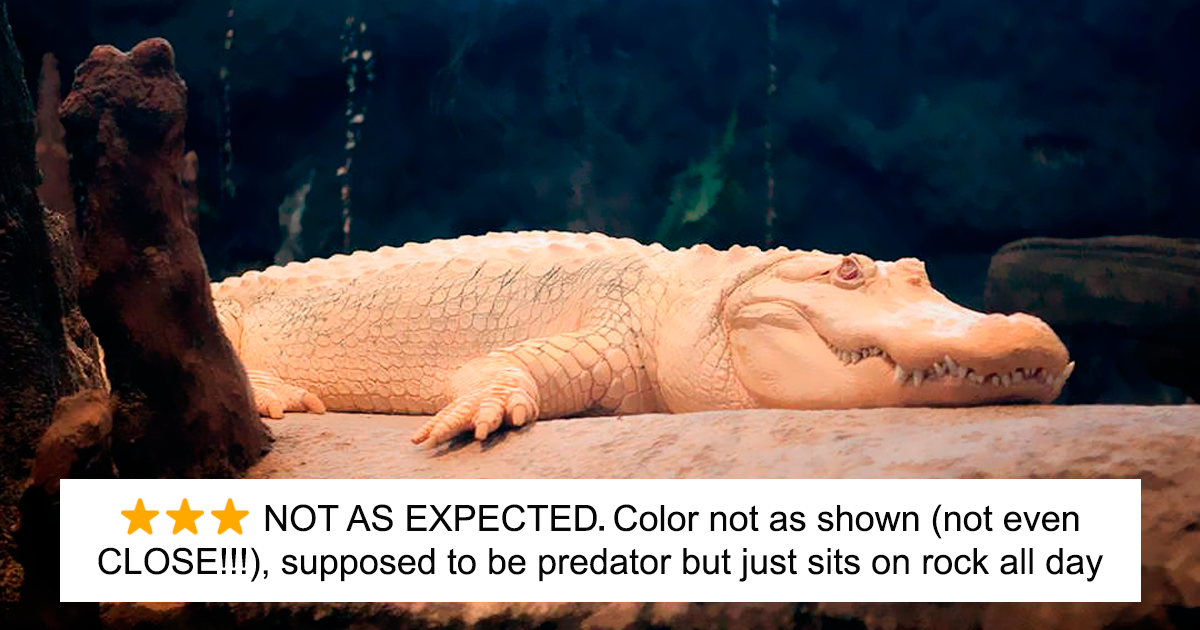
There are very few things on the internet that can unite people across time zones, politics, and snack preferences. Cute animals? Usually. Funny product reviews? Absolutely. Put those two together, and suddenly the web turns into one giant, happy group chat. That is exactly why the wildly entertaining trend of zoos posting Amazon-like reviews of their animals hit such a sweet spot. It was clever, oddly educational, and just self-aware enough to make everyone feel in on the joke.
Instead of bland captions or overly formal institution-speak, zoos and aquariums started describing animals the way someone might review a blender, hiking boots, or a suspiciously expensive air fryer. Otters were praised for being waterproof. Owls got points for sound quality. Giraffes earned high marks for height but lost style points for limited color options. The humor worked because it took the familiar language of online shopping and dropped it directly into the animal kingdom, where, frankly, it had no business being this perfect.
But this trend was more than a parade of punchlines. At its best, it showed how modern zoos, aquariums, and wildlife institutions can communicate with the public in a voice that feels human, fast, and memorable. Behind the stars, jokes, and fake customer complaints was something more valuable: a smarter way to spark curiosity about species, conservation, animal care, and the personalities that make wildlife so compelling in the first place.
How the animal review trend took off
The format feels obvious now, but that is usually how the best internet ideas work. One funny post lands, people instantly understand the bit, and then the entire timeline joins the party. The animal review craze took off because the structure was simple: write about a creature like it had been ordered online, assign it a star rating, and highlight its “features” as though it came with a warranty and optional accessories.
That setup gave institutions room to be both playful and informative. A sea otter could be described as winter-ready and waterproof. A mantis shrimp could be pitched as a multi-tool with outrageous performance specs. A lemur could be framed as spring-loaded, free-range, or wildly destructive to your “furniture,” depending on the joke. The language was absurd, but the animal facts tucked inside the joke were often completely real.
This is why the format spread so quickly. It was funny enough for social media, but structured enough to let zoos slip in real details about anatomy, behavior, habitat, or temperament. In a crowded feed full of forgettable posts, the review format made animal content feel fresh again.
Why these fake reviews are so funny
They treat wild animals like consumer products
The first reason this works is the basic mismatch. Animals are majestic, chaotic, unpredictable living beings. Product reviews are supposed to help people compare sensible purchases, like rice cookers or camping lanterns. Bringing those two worlds together creates instant comedy. A giraffe is not a lamp. An otter is not outerwear. And yet, the second you describe an otter as “only available in brown,” it somehow makes perfect sense.
The format rewards tiny observational details
Good animal reviews succeed because they zoom in on the tiny truths people already love. Owls really do seem like premium audio equipment with feathers. Mantis shrimp really do sound like overengineered underwater gadgets. Pikas really are almost offensively adorable. The humor lands because the joke is built on accurate observation, not randomness.
Every species gets to be the main character
One of the most charming things about this trend is that it does not only celebrate the obvious crowd-pleasers. Sure, otters are born to dominate the internet. But lesser-known animals also shine in this format. Suddenly, a slow loris, a lemur, a shark, or an opossum can steal the show with one perfectly written line. That is a win for humor and for animal education.
What these reviews reveal about modern zoo marketing
Let’s give credit where it is due: this is excellent digital communication. Zoos and aquariums have spent years trying to translate serious missions into language that people will actually stop and read. Conservation, species recovery, public outreach, education, and animal well-being are important ideas, but they do not always perform well when wrapped in stiff, formal messaging.
Humor changes that. A funny post lowers the barrier to engagement. It invites a casual audience in, then rewards them with a fact, a personality trait, or a reason to care. In other words, the joke is the hook, but curiosity is the real conversion.
That is especially important in a world where institutions compete with creators, brands, and endless entertainment for attention. The average person may scroll past a generic “Meet our resident sea otter” post. But a mock product review that describes the same sea otter as durable, waterproof, and suspiciously charismatic? That gets a stop, a smile, a share, and maybe even a deeper interest in the species.
For search engines and human readers alike, this kind of content also performs well because it combines entertainment with relevance. It is highly shareable, easy to skim, emotionally warm, and rooted in recognizable cultural language. That is content strategy wearing a clown nose, and it works.
Specific examples that made the trend unforgettable
Otters: the undisputed review champions
If this trend had a mascot, it would probably be an otter. Otters are already overqualified for internet fame: expressive faces, chaotic energy, tiny hands, and the vibe of a toddler who found espresso. When reviewed like products, they become comedy gold. Calling one sturdy, waterproof, and winter-ready is funny because it sounds like outdoor gear copy, but it also accurately describes an animal built for aquatic life.
Giraffes: elegant, tall, and somehow under-customized
Giraffe jokes in the review format are almost unfairly easy. Their height, patterning, and slow-motion grace lend themselves to lines about limited color selection, surprising dimensions, and strong visual impact. It is the kind of joke that works in two seconds and sticks in your head for two days.
Lemurs: adorable chaos in premium packaging
Lemurs thrive in this kind of writing because they already look like they arrived from a boutique supplier that specializes in “highly expressive forest weirdos.” Reviews that describe them as free-range, spring-loaded, or furniture-destroying menace-goblins are funny because they blend affection with just enough fake consumer frustration to make the whole thing sparkle.
Mantis shrimp and sharks: built like luxury nightmares
Aquariums had an especially strong showing in the trend because marine life already sounds like science fiction. A mantis shrimp can be framed as a high-speed seafood multi-tool. A shark can be sold as sleek, efficient, and definitely not for beginners. These jokes work because the animals already feel larger than life, and the fake review language amplifies that drama beautifully.
Why audiences cannot get enough
People are exhausted by content that tries too hard. That is part of the magic here. These posts feel playful rather than calculated, even though they are clearly smart communication. They also offer something increasingly rare online: low-stakes joy. Nobody has to argue about them. Nobody has to decode them. You just read a fake review of an owl and think, “Yes, that tiny feathered stereo system does deserve four stars.”
There is also a deeper emotional appeal. These reviews give animals personality without turning them into cartoons. They make wildlife feel approachable while still leaving room for wonder. Readers do not come away thinking animals are products. They come away feeling that animals are fascinating, funny, and full of traits worth noticing.
And that matters. When people feel emotionally connected to animals, they are more likely to support the institutions that care for them, learn about conservation, remember species names, and share that enthusiasm with other people. A joke can open the door to genuine interest. A clever caption can do more public education than a paragraph of textbook prose ever could.
The SEO lesson hidden inside the humor
From a content perspective, this trend is a master class in audience-first storytelling. It combines humor, specificity, cultural familiarity, and educational value in a single format. That is exactly the kind of content readers spend time with and search engines tend to reward. Why? Because it answers a real curiosity: why are zoo animal reviews going viral, and what makes them so funny?
The best blog content often works the same way. It starts with a strong, irresistible premise. It delivers fast value. It uses clear headings, natural keywords, and vivid examples. And most importantly, it sounds like a person wrote it rather than a committee or a spreadsheet. This story checks every box.
Main keyword phrases like zoo animal reviews, Amazon-like animal reviews, funny zoo social media posts, and #RateASpecies fit naturally into the topic because they reflect genuine search intent. Readers are not just looking for jokes. They want context, examples, and a reason this trend matters. That is where a thoughtful article can outperform quick listicles and recycled summaries.
Are these posts just jokes, or something more?
They are definitely jokes. Very good jokes. But they are also a reminder that institutions do not have to sound robotic to be credible. In fact, humor can make expertise feel more accessible. A zoo can talk about animal traits, behavior, enrichment, and conservation in a way that feels light without becoming shallow.
That balance is what makes the trend memorable. The funniest reviews are not random punchlines pasted onto animal photos. They are rooted in the actual characteristics of the species being described. The result is content that entertains first, teaches second, and lingers longer than most promotional material ever will.
So no, we cannot get enough. And honestly, why should we? In a digital world overflowing with bland captions and recycled memes, zoos posting hilarious Amazon-like reviews of their animals feels like a rare five-star purchase. No assembly required. Batteries apparently included. Side effects may involve spontaneous affection for otters.
Extended experience: what it feels like to fall down the zoo review rabbit hole
The experience of discovering these zoo animal reviews is a little like opening one funny post and then realizing, forty minutes later, that you have somehow become emotionally invested in the customer satisfaction rating of a giraffe. It starts innocently. You see one sea otter described like a rugged outdoor product and laugh harder than expected. Then the algorithm, sensing weakness, serves you an owl review, a lemur review, a shark review, and before long you are reading fake complaints about perfectly respectable wildlife as if this were the most natural thing on earth.
What makes the experience so satisfying is that it feels communal. Even if you are alone with your phone, the format creates the sensation that thousands of other people are in on the same joke at the same time. Everyone instantly understands the rules. We all know what an Amazon review sounds like. We all know that animals should not be reviewed like cookware. That shared cultural reference makes the humor land faster, and it turns every new post into a tiny social event.
There is also something unexpectedly wholesome about the way these posts let people notice animal details they might otherwise ignore. You are not just laughing at a clever caption. You are suddenly paying attention to claws, fur, movement, camouflage, posture, noise, and weird little habits. A joke about “limited color options” can make someone look more carefully at a giraffe’s coat pattern. A line about “sound quality” can make a reader remember how haunting and theatrical an owl really is. Comedy becomes observation, and observation becomes appreciation.
For families, students, and casual animal lovers, this kind of content can also make zoos and aquariums feel more approachable. Institutions that might have seemed formal or distant suddenly sound witty, warm, and human. That shift matters. It makes people more likely to follow an account, share a post, plan a visit, or explore the educational material behind the laugh. In a sense, the joke acts like the welcome mat.
And then there is the staying power. Most internet humor vanishes on contact. These reviews linger because they are not only funny; they are built around real personalities and recognizable truths. Otters really do look like they know they are adorable. Lemurs really do seem like they were assembled by a very creative designer on too little sleep. Mantis shrimp really do sound like they were engineered in a lab where subtlety was banned. The best reviews feel inevitable once you read them, which is usually a sign that the idea is strong.
In the end, spending time with these posts feels less like scrolling through disposable content and more like being reminded that wonder does not always arrive wearing a serious face. Sometimes it shows up disguised as a product review for an animal that definitely does not come with a return policy. And maybe that is why people keep coming back: the experience is funny, yes, but it also restores a little delight to the internet. These reviews do not just sell the joke. They sell attention, curiosity, and affection for the natural world. Five stars. Would scroll again.
Conclusion
Zoos posting hilarious Amazon-like reviews of their animals became a viral hit for a simple reason: the idea is brilliant, the writing is funny, and the animals are impossible to outshine. What looks like a goofy social media trend is actually a smart example of how humor, education, and audience engagement can work together. The best posts do not just make us laugh. They make us notice, remember, and care.
That is why this trend still feels so satisfying. It turns wildlife into a conversation starter without flattening it into a gimmick. It gives zoos and aquariums a more human voice. And it proves that sometimes the most effective way to teach people about animals is not with a lecture, but with a perfectly timed fake review that says, in essence, “Great product. Slightly chaotic. Would absolutely recommend.”