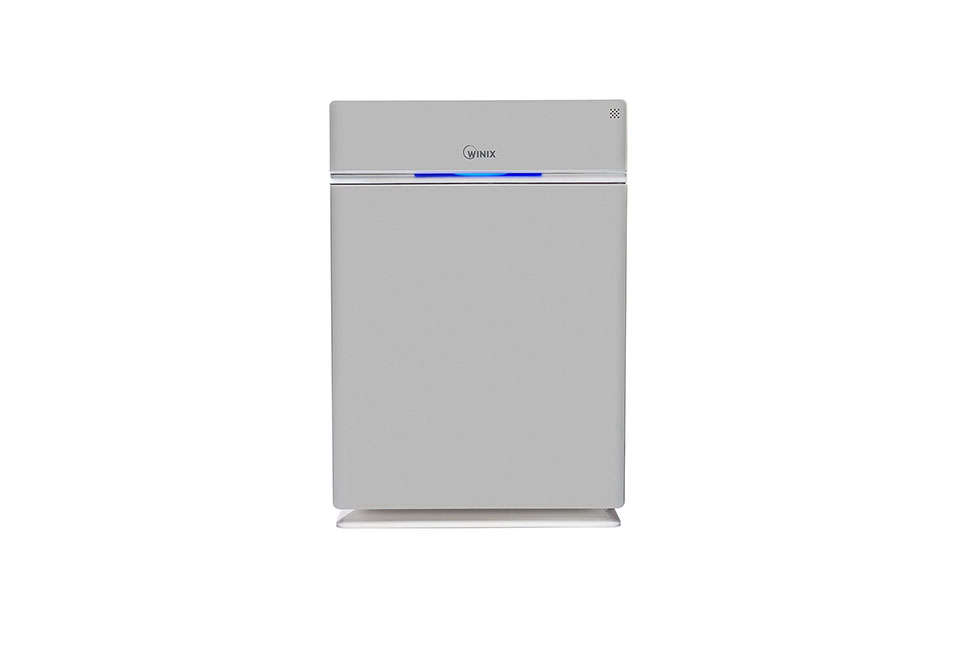
The Winix HR1000 5-Stage Wifi Enabled Air Cleaner is one of those appliances that sounds like it should be quietly managing a space station, but its actual job is more relatable: fighting dust, pet dander, cooking smells, pollen, smoke particles, and the mysterious floating fuzz that appears five minutes after you vacuum. Designed as a large-room air purifier with smart controls, a multi-layer filter system, and Winix’s PlasmaWave technology, the HR1000 sits in the sweet spot between “serious indoor air tool” and “please make my living room stop smelling like last night’s garlic experiment.”
Although the HR1000 is not as widely promoted today as newer Winix models, it remains a noteworthy air cleaner because it combines several features modern buyers still look for: True HEPA filtration, odor reduction, smart sensors, app connectivity, Auto Mode, Sleep Mode, and room coverage rated around 400 square feet. That makes it especially interesting for pet owners, allergy sufferers, apartment dwellers, home-office workers, and anyone who has ever looked at a sunbeam and thought, “Wow, I am breathing glitter made of dust.”
What Is the Winix HR1000?
The Winix HR1000 is a WiFi-enabled air purifier built for medium to large rooms. It uses a 5-stage air purification system that includes a washable pre-filter, a carbon odor-control layer, an antimicrobial True HEPA filter, and PlasmaWave technology. In practical terms, it is designed to capture larger debris first, trap smaller airborne particles next, reduce household odors, and then circulate cleaner air back into the room.
Its listed AHAM-verified room size is 400 square feet, with CADR ratings of about 264 for dust, 301 for pollen, and 258 for smoke. Those numbers matter because CADR, or Clean Air Delivery Rate, is one of the most useful ways to judge whether an air purifier is powerful enough for a room. A pretty purifier with a weak CADR is basically home decor with a fan. The HR1000, thankfully, brings actual airflow to the party.
Key Specifications at a Glance
- Room coverage: Approximately 400 square feet
- Filtration system: 5-stage air purification
- CADR ratings: Dust 264, pollen 301, smoke 258
- Smart features: WiFi connection and Winix Smart App compatibility
- Sensors: Particle sensor and VOC sensor
- Modes: Auto Mode, Sleep Mode, multiple fan speeds, Turbo setting
- Noise range: Around 26.4 dB on low to 61.8 dB on turbo
- Dimensions: About 9.6 x 16.3 x 23.6 inches
- Weight: About 18.7 pounds
- Warranty: 2 years
For a large-room air cleaner, the HR1000 is not tiny, but it also does not look like an industrial robot sent to judge your housekeeping. Its upright design makes it relatively easy to place near a wall while still allowing good airflow. Like all portable air purifiers, it works best when it is not blocked by furniture, curtains, laundry baskets, or that one chair everyone uses as a closet.
How the 5-Stage Filtration System Works
The biggest selling point of the Winix HR1000 is its 5-stage filtration system. The idea is simple: different pollutants need different defenses. Pet hair is not the same as smoke. Cooking odors are not the same as pollen. Dust bunnies are not the same as volatile organic compounds. Unfortunately, your lungs do not enjoy any of them, so the HR1000 layers several technologies together.
1. Washable Pre-Filter
The washable pre-filter is the first line of defense. It catches larger airborne particles such as pet hair, lint, dust clumps, and visible debris. This stage is important because it helps protect the more expensive HEPA filter behind it. Think of it as the bouncer at the front door of Club Clean Air. Big particles do not get VIP access.
Because the pre-filter is washable, regular maintenance can help keep airflow strong. A clogged pre-filter forces the unit to work harder, increases noise, and reduces cleaning efficiency. For homes with pets, this part of the purifier may need attention more often. Golden retriever owners, you already know why.
2. Carbon Filter for Odors and VOCs
The HR1000 uses a carbon filter layer to reduce household odors and some gaseous pollutants. Activated carbon is commonly used in air purifiers because it can adsorb certain odor-causing compounds from cooking, pets, smoke, and household products. This does not mean it magically erases every smell from the universe, but it can make a noticeable difference in rooms where odors linger.
Carbon filtration is particularly useful in kitchens, living rooms, pet areas, and apartments where outdoor ventilation may be limited. If your home occasionally smells like fried food, wet dog, scented candles, or “what died in the trash can,” the carbon layer earns its keep.
3. Antimicrobial True HEPA Filter
The True HEPA filter is the main particle-capturing stage. It is designed to capture fine airborne particles such as pollen, dust, smoke particles, mold spores, and pet dander. This is the feature most allergy-conscious shoppers look for because HEPA-style filtration is widely recognized as one of the most effective technologies for reducing airborne particles indoors.
For people sensitive to seasonal allergies, pet allergens, or dust, the HEPA filter is the workhorse. It cannot stop your cat from sitting directly on your pillow like a furry landlord, but it can help reduce the airborne dander floating around the room.
4. PlasmaWave Technology
Winix’s PlasmaWave technology is designed to help break down odors and certain pollutants at a molecular level. It is a signature feature in many Winix air purifiers. Some buyers love having this extra cleaning layer; others prefer to run air purifiers using only mechanical filtration. The good news is that many Winix units allow PlasmaWave to be turned off, which is useful for people who prefer filter-only operation.
When discussing any ionizing or plasma-style technology, ozone is the elephant in the room wearing a tiny air-quality monitor. Buyers should always look for certifications and use air cleaners according to manufacturer directions. The HR1000 has been associated with CARB and Energy Star certification in product documentation, which is important because CARB certification relates to low ozone emissions standards for air cleaning devices sold in California.
5. Smart Air Monitoring and Automatic Adjustment
The final “stage” is not a filter you replace but a smart control system. The HR1000 includes particle and VOC sensors, an air quality visual indicator, and Auto Mode. When Auto Mode is active, the unit can adjust fan speed based on detected air quality. In other words, if the air gets spicy after dinner, the purifier can respond without waiting for you to stop scrolling and press buttons.
WiFi and Smart App Control
The Winix HR1000 was one of the brand’s WiFi-enabled models, compatible with the Winix Smart App. App control allows users to monitor air quality, adjust settings, and manage the purifier from a phone or tablet. This is especially handy when the purifier is across the room, upstairs, or humming away in a bedroom while you are already tucked in and unwilling to sacrifice blanket warmth.
Smart functionality is not essential for air cleaning, but it improves convenience. If you like checking air quality status, changing modes remotely, or turning the unit on before arriving home, WiFi control is a useful bonus. For busy households, smart controls can also help keep the unit running consistently, and consistency is a big part of getting results from a portable air purifier.
Performance: Where the HR1000 Makes Sense
The HR1000’s 400-square-foot room rating makes it suitable for bedrooms, living rooms, home offices, nurseries, pet zones, and medium-size open spaces. With a smoke CADR around 258, it aligns well with general sizing guidance for a room of roughly 400 square feet with standard ceilings. Larger open-concept spaces may still benefit, but performance depends on layout, ceiling height, doorways, airflow patterns, and how aggressively pollutants are being produced.
For best results, the air purifier should run continuously or for long periods. Portable air cleaners do not work like vacuum cleaners where one quick pass solves the problem. Air is constantly moving, people are constantly shedding skin cells, pets are constantly contributing fur confetti, and outdoor particles sneak inside through doors, windows, and HVAC systems. The purifier needs time and airflow to keep up.
Noise Levels and Bedroom Use
Noise matters. An air purifier can have excellent filtration, but if it sounds like a jet engine auditioning for a disaster movie, nobody will run it long enough to benefit. The HR1000 is listed at about 26.4 dB on low, which is very quiet, and about 61.8 dB on turbo, which is much more noticeable.
In a bedroom, Sleep Mode or low speed is likely the most comfortable setting. Turbo is best used when you need fast cleaning, such as after cooking, cleaning, opening windows during pollen season, or discovering that your dog has rolled in something biologically ambitious. For everyday use, Auto Mode can be a good balance because it increases fan speed when needed and backs down when air quality improves.
Pet Owners: Is the HR1000 a Good Fit?
Yes, the Winix HR1000 is a strong candidate for pet households. Its pre-filter captures larger pet hair and debris, while the HEPA filter targets finer pet dander. The carbon filter helps reduce pet odors, though it should be seen as a helper, not a substitute for bathing pets, cleaning litter boxes, washing bedding, and removing mystery stains before they develop personalities.
For best pet-related performance, place the purifier in the room where your pets spend the most time. Running it in an unused guest room while your Labrador hosts a shedding festival in the living room is a noble but deeply flawed strategy.
Allergies, Dust, and Indoor Air Quality
Indoor air can contain fine particles, pollen, mold fragments, dust mite debris, smoke particles, and VOCs from everyday products. A portable air purifier like the HR1000 can reduce airborne particles in a specific room, especially when paired with source control and ventilation. That last part is important: an air purifier helps, but it does not replace cleaning, moisture control, smoke avoidance, or fixing mold problems at the source.
For allergy sufferers, the HR1000’s True HEPA filter, strong CADR ratings, and Auto Mode make it practical for daily use. It can be especially helpful during pollen season, wildfire smoke events, heavy dust periods, or times when pets are indoors more often. The air purifier will not make spring allergies vanish like a magician with better insurance, but it can make indoor air feel easier to live with.
Maintenance and Filter Replacement
Maintenance is where many air purifiers go from “excellent purchase” to “expensive white noise machine.” The HR1000 uses replacement filters, including a compatible Winix Filter T set. Genuine replacement filters are designed for models including HR900, HR950, HR951, and HR1000. The Filter T package is commonly described as a one-year filter set, though actual life depends on air quality, run time, pet load, smoke exposure, and how often the pre-filter is cleaned.
The washable pre-filter should be cleaned regularly. The carbon and HEPA filters should be replaced according to the filter indicator or manufacturer guidance. If airflow drops, odors return quickly, or the unit seems louder than usual, the filters may be overdue. A dirty filter is not a badge of honor. It is a cry for help.
Pros and Cons of the Winix HR1000
Pros
- Strong 400-square-foot room rating for medium to large rooms
- True HEPA filtration for fine particles
- Carbon filtration for odors and some VOCs
- WiFi and app control for convenient operation
- Particle and VOC sensors with air quality indicator
- Auto Mode and Sleep Mode for everyday use
- Good option for pet owners and allergy-conscious households
Cons
- May be harder to find new because it is an older model
- Turbo mode is noticeably louder
- Replacement filter cost should be considered
- Smart app experience may vary depending on device support and network setup
- Not a whole-house air cleaning solution
Who Should Buy the Winix HR1000?
The Winix HR1000 is best for someone who wants a capable large-room air purifier with smart features and a layered filtration system. It makes sense for homes with pets, people with mild to moderate allergy concerns, apartment residents dealing with cooking odors, and anyone who wants automatic air quality response without babysitting the control panel.
It is also a good fit for users who value CADR ratings and room-size matching. The HR1000 is not just a stylish box that whispers “clean air” while doing very little. Its airflow numbers and filter stack make it a serious appliance for a real room.
Who Might Want a Different Air Purifier?
If you need coverage for a very large open floor plan, you may want a higher-capacity model or multiple air purifiers placed strategically. If you are extremely sensitive to noise, compare low-speed CADR and bedroom-focused models carefully. If you only want a currently promoted, easy-to-buy model with widely available retail support, a newer Winix unit may be more convenient.
Also, if your main problem is mold growth, an air purifier alone is not the fix. It may reduce some airborne mold particles, but the actual solution is moisture control, cleaning, and repair. Air purifiers are talented, but they are not tiny contractors with dehumidifiers and clipboards.
Tips for Getting the Best Results
- Place it correctly: Keep the intake and outlet clear. Do not trap it behind furniture.
- Run it consistently: Longer run time means more air passes through the filters.
- Use Auto Mode: Let the sensors adjust fan speed when air quality changes.
- Clean the pre-filter: This protects airflow and extends the life of the main filter.
- Replace filters on schedule: A loaded filter cannot perform like a fresh one.
- Control pollutant sources: Ventilate while cooking, reduce indoor smoke, and clean dust regularly.
- Match room size: Use the HR1000 in spaces close to its rated capacity for best performance.
Real-Life Experience: Living With the Winix HR1000
Using the Winix HR1000 in everyday life feels less like operating a gadget and more like adding a quiet household assistant that politely handles airborne chaos. The first thing most users would notice is the air quality indicator. It gives the machine a sense of personality, almost like it is silently judging your decision to sear salmon indoors with the windows closed. When the light changes after cooking, cleaning, or opening the door on a high-pollen day, it creates a satisfying feeling that the purifier is not just sitting there looking expensive.
In a living room, the HR1000 works best when it has room to breathe. Put it near the main activity area, leave the front and side airflow paths open, and let it run. During normal conditions, low or Auto Mode is usually enough to maintain a comfortable background presence. The low setting is quiet enough for reading, working, or watching TV. Turbo, on the other hand, is the setting you use when the air needs emergency intervention. It is powerful, but you will hear it. Think of Turbo as the purifier putting on a cape and sprinting into battle.
In pet homes, the washable pre-filter becomes the unsung hero. After a week or two, especially with cats or dogs, it may collect visible hair and dust. Cleaning it is oddly satisfying, like emptying a vacuum bin after pretending your floors were not that bad. The benefit is practical: keeping the pre-filter clean helps maintain airflow and prevents the main HEPA filter from doing unnecessary heavy lifting.
For bedrooms, Sleep Mode is where the HR1000 becomes most comfortable. The lower sound level creates a soft background hum that many people may find easier to sleep with than total silence. It will not eliminate allergens from bedding or carpets, but running it overnight can help reduce the amount of airborne dust, dander, and pollen circulating while you sleep. Pair it with washed sheets and closed windows during high-pollen days, and the room can feel noticeably fresher.
The WiFi feature is convenient when it works smoothly. Being able to check status or adjust settings from a phone is useful, especially if the purifier is across the room or placed in a child’s bedroom, pet room, or home office. However, like many smart appliances, setup may depend on router compatibility and app support. The air cleaning performance does not depend on WiFi, so even if you are not a smart-home enthusiast, the HR1000 remains useful as a traditional air purifier.
The biggest long-term lesson is simple: filters matter. A new HR1000 with clean filters can move air confidently and reduce common indoor particles well within its intended room size. A neglected HR1000 with dirty filters becomes less effective, louder, and less impressive. Owning an air purifier is a little like owning a coffee maker: the machine is important, but maintenance decides whether the experience stays delightful or turns into regret with buttons.
Overall, the Winix HR1000 feels like a strong, practical air cleaner for people who want real performance without needing a commercial-grade machine. It is especially appealing for pet owners, allergy-sensitive households, and anyone who wants smart features without sacrificing traditional HEPA-and-carbon filtration. It may be an older model, but its feature set still makes sense: strong CADR, layered filtration, smart sensors, odor reduction, and a design that does not scream “laboratory equipment.” For the right room, it is a dependable clean-air companion with just enough tech to feel modern and just enough muscle to make a difference.
Final Verdict
The Winix HR1000 5-Stage Wifi Enabled Air Cleaner is a capable large-room purifier with a thoughtful mix of filtration power and smart convenience. Its True HEPA filter targets fine particles, the carbon filter helps with odors and VOCs, the washable pre-filter handles larger debris, and the smart sensors make everyday operation easier. It is not a miracle machine, and it will not replace cleaning, ventilation, or source control, but it can be a meaningful part of a healthier indoor air strategy.
For buyers who can still find the HR1000 in good condition with available replacement filters, it remains a compelling option. It is especially useful in bedrooms, living rooms, pet spaces, and home offices up to around 400 square feet. Just remember the golden rule of air purifiers: buy the right size, run it often, clean the pre-filter, replace the filters, and do not block the airflow with a decorative basket because Pinterest told you to.
Note: This article was created from real publicly available product specifications and U.S. indoor air quality guidance, then rewritten into original publish-ready content without source links or citation placeholders.