Note: This article synthesizes practical broom-care guidance from reputable U.S. cleaning publications, manufacturer recommendations, product-testing reviews, and home-maintenance experts. It is written for web publication without external source links, as requested.
There are two kinds of people in this world: people who have never thought about trimming a broom, and people who saw one viral cleaning hack and immediately reached for the scissors like they were giving their broom a dramatic post-breakup haircut. The idea sounds reasonable at first. If the bristles look frayed, bent, fuzzy, or uneven, why not snip them into shape? After all, we trim split ends on hair, prune plants, and cut loose threads off sweaters. Surely a broom deserves the same spa day, right?
Not so fast. Trimming your broom could be a major mistake, especially if you own a modern synthetic broom with flagged bristles. Those fuzzy, split-looking ends are often not damage at all. They are intentionally designed to grab dust, pet hair, crumbs, fine dirt, and the mysterious kitchen grit that appears even when nobody cooked. Cut them off, and you may turn a carefully engineered cleaning tool into a stiff plastic rake that mostly pushes debris around while looking smug about it.
The real answer is more nuanced than “never trim a broom.” Some natural fiber brooms can benefit from careful, occasional trimming. But for many household brooms, especially indoor angle brooms made from synthetic fibers, cutting the bristles can reduce performance, shorten the broom’s useful life, and make sweeping more frustrating. Before you give your broom bangs, let’s look at why those bristle tips matter, when trimming is a bad idea, and what to do instead.
Why People Trim Brooms in the First Place
The trimming trend usually starts with a familiar problem: an old broom no longer sweeps like it used to. The bristles flare outward. Hair and lint cling to the head. The ends look ragged. The broom leaves a dusty line behind, as if it is signing its work in disappointment. A quick trim seems like an easy way to restore a straight edge and make the broom feel new again.
In some cases, people also trim brooms because they believe frayed bristles are dirty, worn out, or inefficient. This assumption makes sense visually. A messy broom looks less effective than a clean, even one. The problem is that broom design is not based on looking tidy. It is based on surface contact, fiber flexibility, bristle density, and debris type. A broom that looks slightly feathered at the ends may actually be doing exactly what it was made to do.
The Big Mistake: Cutting Off Flagged Bristles
Many modern indoor brooms use flagged bristles. “Flagged” means the bristle tips are intentionally split, feathered, or softened at the ends. These tips create more contact points with the floor, which helps the broom collect fine particles instead of simply pushing them forward. If you have ever swept flour, dust, sawdust, pet hair, or tiny crumbs with a good indoor broom, flagged bristles are often the reason it worked.
When you trim flagged bristles, you remove the very feature that helps the broom sweep fine debris. The broom may look neater afterward, but its performance can drop. It is a little like shaving the bristles off a paintbrush and then wondering why it no longer paints smoothly. The brush is not broken; the haircut was the problem.
Flagged Bristles Are Not “Split Ends” in the Bad Sense
It is tempting to compare flagged broom bristles to damaged hair. They look split, so we assume they need to be cleaned up. But broom bristles are not trying to win a shampoo commercial. The split ends increase the broom’s ability to trap fine particles. They make the broom softer, fuller, and more forgiving on indoor flooring.
That matters on hardwood, laminate, tile, vinyl, and smooth concrete floors. Fine dust often settles into tiny grooves, seams, and surface texture. A stiff, blunt bristle can skip over some of it. A flagged bristle has more flexible fibers at the tip, which improves contact and helps pull debris into the sweep pile. Cut away those feathered tips, and you may need more passes to clean the same area.
Synthetic Brooms vs. Natural Fiber Brooms
The biggest factor in whether trimming is smart or risky is the type of broom you own. Most everyday indoor brooms sold today are made with synthetic fibers such as PET, polypropylene, or PVC. These are often designed with specific bristle shapes, stiffness levels, and flagged tips. For these brooms, trimming is usually a bad move unless you are removing one or two wildly bent strands.
Natural fiber brooms, such as corn brooms or straw brooms, are different. Their fibers can fray, splinter, dry out, or wear unevenly over time. A very light trim may help remove damaged ends and create more even floor contact. Even then, the trim should be minimal. A natural broom does not need a buzz cut. It needs a careful dusting of the scissors, preferably after cleaning and drying.
When Trimming Might Make Sense
Trimming may be reasonable if you have a natural fiber broom with clearly broken, ragged, or uneven ends that no longer make good contact with the floor. It may also help if a few bristles are bent sharply outward and catching on furniture, rugs, or baseboards. In that case, cut only the damaged pieces, not the entire broom head.
If you do trim, use sharp scissors or utility shears, cut a tiny amount, and keep the broom’s original shape. Do not flatten an angled broom into a straight broom. Do not remove an inch because you are “freshening it up.” And absolutely do not trim a synthetic flagged broom just because the ends look fluffy. That fluff is not laziness. That fluff has a job.
How Trimming Can Make Sweeping Worse
A broom is deceptively simple. It is just a handle and bristles, yet small design details affect how well it works. When you cut the bristles, you change the broom’s balance, flexibility, contact area, and debris-capturing ability. That can create several cleaning problems.
1. It Reduces Fine Dust Pickup
The most common downside of trimming a synthetic broom is reduced dust pickup. Flagged bristles are excellent for fine particles. Once cut, they become blunt and less able to gather powdery debris. You may notice more dust trails, more leftover grit, and more “why is the floor still crunchy?” moments.
2. It Makes the Broom Too Stiff
Shorter bristles are often stiffer. Flexibility matters because the broom must bend slightly as it moves across the floor. If the bristles become too rigid, they can bounce over dust, scatter crumbs, or flick debris in multiple directions. This is especially annoying near cabinets, under tables, and around chair legs, where crumbs already behave like they have legal immunity.
3. It Destroys the Original Angle
Angle brooms are shaped to reach corners, baseboards, and tight spaces. That slanted edge is not decorative. It helps the broom slide into areas a straight broom may miss. If you trim the head unevenly, you may ruin the angle and make the broom less useful in exactly the places where you need it most.
4. It Can Shorten the Broom’s Life
Every trim removes material. If you cut too much, there is no undo button. The broom may lose its reach, softness, and floor coverage. Over time, repeated trimming can turn a full broom head into a sad little bristle mustache. At that point, replacement is usually the better option.
5. It May Spread Dirt Instead of Collecting It
A damaged or poorly trimmed broom can push dust around rather than gather it. This is the classic “I cleaned for twenty minutes and somehow made the room look busier” problem. If your broom has lost its ability to hold debris in front of the head, the issue may be bristle damage, dirt buildup, or using the wrong broom for the jobnot a lack of trimming.
What to Do Instead of Trimming Your Broom
Before you cut anything, try basic broom maintenance. Many brooms do not need a haircut; they need a bath, a comb, and better storage. Yes, your broom gets dirty. It spends its life dragging itself through crumbs, dust, hair, and whatever that gray stuff is under the refrigerator. Cleaning it is not excessive. It is survival.
Clean the Bristles Regularly
Remove trapped hair, threads, lint, and debris from the broom head after use. You can use your fingers, a cleaning comb, an old fork, or the comb teeth built into some dustpans. For deeper cleaning, dip the bristles in warm water with a small amount of dish soap, gently work out grime, rinse thoroughly, and let the broom dry completely.
For synthetic brooms, a 15- to 30-minute soak can loosen stubborn dirt. For natural fiber brooms, use less water and avoid long soaking, because excessive moisture can weaken or rot plant fibers. Always dry the broom with the head positioned so water does not pool near the handle or base.
Clean the Dustpan Too
A clean broom paired with a dirty dustpan is like washing your hands and drying them on a pizza box. Dustpans collect sticky residue, hair, grit, and bacteria. Wash the dustpan with warm, soapy water, scrub the corners, rinse, and dry it. This helps prevent old dirt from transferring back onto your broom and floors.
Store the Broom Correctly
Bad storage is one of the biggest reasons brooms deform. If you store a broom standing on its bristles, the bristles can bend, splay, and develop a permanent lean. Hang the broom from a hook when possible. If you cannot hang it, store it upside down with the bristles off the floor. This keeps the broom head in better shape and reduces the urge to “fix” bent bristles with scissors.
Use the Right Broom for the Job
Not all brooms are designed for the same mess. Soft flagged bristles are best for indoor dust, hair, flour, and fine debris. Stiffer unflagged bristles are better for outdoor leaves, gravel, damp debris, and garage grit. Rubber brooms can be useful for pet hair and carpets. Push brooms cover large spaces such as patios, workshops, and basements.
If your indoor broom performs poorly on wet leaves or driveway gravel, the broom is not failing; it has simply been assigned the wrong department. Likewise, if your outdoor broom leaves flour on the kitchen floor, it is not lazy. It is built for bigger debris.
Signs Your Broom Should Be Replaced, Not Trimmed
Sometimes a broom has reached retirement age. No shame. It served. It fought crumbs. It saw things behind the toaster that no cleaning tool should have to see. But trimming cannot solve every problem.
Replace your broom if the bristles are permanently flattened, melted, brittle, heavily stained, or shedding. Replace it if the head is cracked, the handle is loose, or the bristles no longer spring back after use. If the broom smells bad even after cleaning, it may also be time to let it go with dignity.
Another sign is poor performance after proper cleaning. If you have removed hair, washed the bristles, cleaned the dustpan, stored it correctly, and the broom still leaves dirt behind, replacement may be more practical than surgery with scissors.
Common Broom-Trimming Myths
Myth 1: A Neater Edge Always Sweeps Better
A straight, sharp edge may look satisfying, but sweeping is not a beauty contest. For fine debris, a slightly feathered edge often performs better than a blunt one. Function beats symmetry.
Myth 2: Frayed Bristles Mean the Broom Is Worn Out
Sometimes fraying is intentional flagging. Look at the broom type before assuming the ends are damaged. If the bristles are synthetic and uniformly feathered, they were probably made that way.
Myth 3: All Brooms Can Be Trimmed the Same Way
A corn broom, a synthetic angle broom, a rubber broom, and a push broom are different tools. Treating them all the same is like using one recipe for pancakes, soup, and drywall. The results will be memorable, but not necessarily good.
Myth 4: Trimming Saves Money Every Time
A careful trim on the right natural broom may extend its usefulness. But trimming the wrong broom can reduce performance so much that you replace it sooner. That is not saving money. That is buying scissors a job they did not deserve.
A Practical Decision Guide: Should You Trim Your Broom?
Ask yourself four quick questions before cutting. First, is the broom synthetic with fluffy or split-looking tips? If yes, do not trim the ends. Those are likely flagged bristles. Second, is it a natural fiber broom with genuinely damaged tips? A very small trim may help. Third, is the broom dirty rather than damaged? Clean it first. Fourth, are the bristles bent because of storage? Hang the broom or store it upside down and see if the shape improves over time.
If you are still unsure, test the broom before and after cleaning, not before and after cutting. Sweep a small pile of flour, dust, or fine crumbs on a hard floor. If the broom gathers the mess cleanly after washing and combing, it does not need trimming. If it leaves streaks because bristles are broken or uneven, then consider whether replacement or a tiny natural-fiber trim is the better choice.
How to Maintain a Broom Without Ruining It
The best broom care routine is simple. After sweeping, remove hair and debris. Once a month, wash the broom head if it is used regularly. Clean the dustpan at the same time. Let everything dry fully before storing. Hang the broom or keep the bristles off the ground. Match the broom to the task. Avoid using a delicate indoor broom for muddy patios, wet garages, or construction debris.
Also, do not use harsh chemicals unless the broom has been exposed to something unsanitary and the material can handle disinfecting. Mild dish soap and water are enough for most household cleaning. For natural fibers, keep moisture exposure brief. For synthetic bristles, rinse well so soap residue does not attract more dirt.
Real-Life Experiences: What Happens When You Trim the Wrong Broom
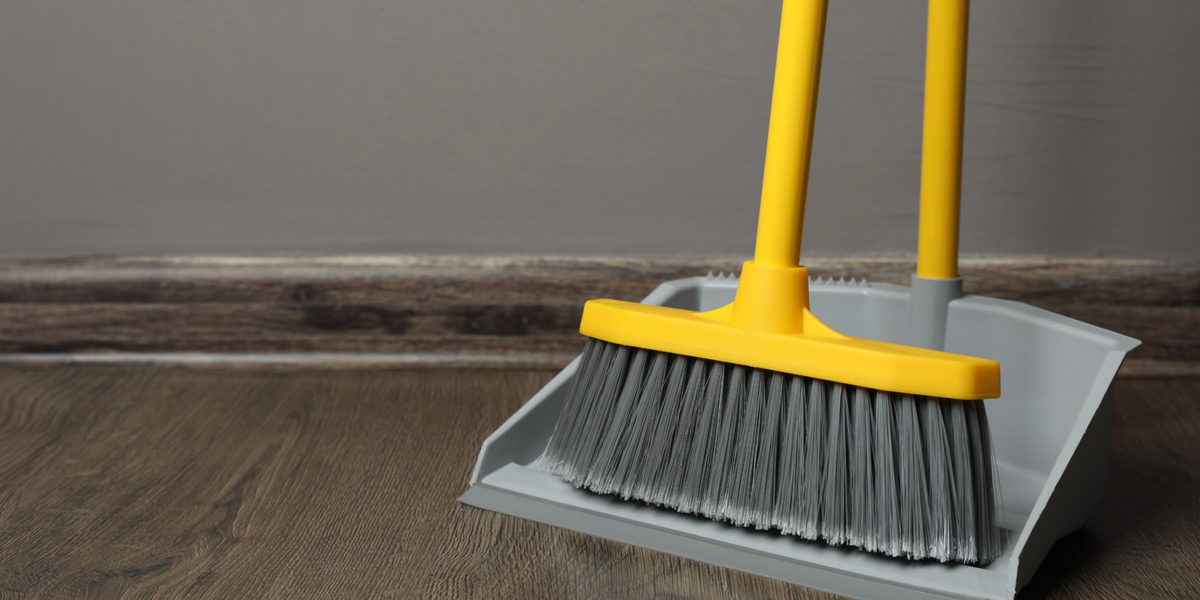
One of the easiest ways to understand the risk is to imagine a typical kitchen broom: angled head, synthetic bristles, slightly fuzzy tips, and a dustpan that clips to the handle. At first glance, the ends may look worn. After months of sweeping cereal dust, pet hair, and crumbs, the broom head can look like it slept under a couch cushion. A homeowner might decide to trim half an inch off the bottom to “freshen it up.” The result often looks great for about five minutes.
Then comes the first sweep. Instead of collecting fine dust in a neat line, the broom starts pushing it forward in a thin cloud. Flour from baking does not gather as well. Pet hair rolls away. Tiny crumbs escape along the edges. The broom feels stiffer and louder against the floor. What looked like a repair turns into a downgrade. The broom did not need a trim; it needed the hair combed out and the bristles washed.
Another common experience happens in apartments with limited storage. A broom is stored upright in a closet, resting on its bristles for months. Eventually, one side bends outward. The owner trims the longer-looking side, hoping to even things out. But the issue is not length. It is deformation. Cutting the bristles makes the broom shorter on one side while the bent fibers remain bent. Now the broom has both a storage problem and a geometry problem. That is a bold combination for a cleaning tool.
Pet owners often face the same temptation. Dog hair and cat hair wrap around broom bristles and make the head look tired. Trimming feels like a shortcut, but hair buildup is usually removable. A dustpan comb, old wide-tooth comb, rubber glove, or even a quick hand-cleaning session can pull out trapped hair. Once the bristles are free, the broom often works normally again. Cutting it would only remove useful bristle tips while leaving the real issue unsolved.
Natural fiber brooms tell a different story. A well-used corn broom in a garage or mudroom may develop ragged ends after years of work. In that case, a tiny trim can restore a more even sweeping edge. The key is restraint. The goal is not to reshape the broom dramatically, but to remove broken or straggly pieces. Think of it as trimming a candle wick, not carving a Thanksgiving turkey.
The best personal rule is this: clean first, store better, trim last. Most broom problems are caused by dirt buildup, trapped hair, moisture, wrong usage, or poor storage. Scissors should not be the first tool you grab. In many homes, the broom will perform better after five minutes of cleaning than after any amount of cutting. And unlike trimming, cleaning does not permanently remove the bristle design you paid for.
There is also a satisfying little lesson here: not everything that looks worn out is broken. Sometimes the “messy” part is the feature. Flagged bristles look imperfect because they are built to grab imperfect messes. They are the broom version of a good fishing net. Cut the net too cleanly, and the little stuff slips through.
Conclusion: Put Down the ScissorsAt Least for Now
Trimming your broom could be a major mistake because many broom bristles are designed to look split, soft, or feathered at the ends. On synthetic indoor brooms, those flagged bristles help collect fine dust, pet hair, and small debris. Cutting them can make the broom less effective, stiffer, and more likely to leave dirt behind.
That does not mean every broom trim is forbidden. Natural fiber brooms may benefit from careful, minimal trimming when the ends are genuinely damaged. But for most modern household brooms, cleaning and proper storage are safer, smarter fixes. Remove trapped hair, wash the bristles, clean the dustpan, and hang the broom when you store it. Your floors will thank you. Your broom will thank you. Your scissors can go back to opening snack bags like nature intended.