A sore spot beneath your left ribs may make you wonder, “Why is my spleen hurting?” The honest answer is that pain in this area can come from the spleen, but it can also originate in the stomach, pancreas, colon, kidney, ribs, muscles, or even the lower part of the left lung. The upper-left abdomen is a crowded neighborhood, and the organs are not considerate enough to label their complaints.
True spleen pain commonly feels like discomfort, pressure, or tenderness behind the left rib cage. It may spread to the back or left shoulder. Possible causes range from a temporary infection to an enlarged spleen, an interruption in its blood supply, or a traumatic rupture. Because some of these conditions require urgent treatment, persistent or unexplained pain deserves professional evaluation rather than a determined session with an online symptom checker.
Where Is the Spleen, and What Does It Do?
The spleen is a fist-sized organ located in the upper-left part of the abdomen, behind the stomach and protected by the lower ribs. It belongs to both the lymphatic and immune systems. Its responsibilities include filtering blood, removing aging or damaged red blood cells, storing some platelets, and helping the body recognize and fight certain infections.
A healthy spleen usually stays quietly tucked beneath the rib cage. Most adults cannot feel it from the outside. When the organ becomes enlargeda condition called splenomegalyit may extend below the ribs, press against the stomach, and become more vulnerable to injury.
What Does Spleen Pain Feel Like?
Spleen-related discomfort is typically felt in the upper-left abdomen. Depending on the cause, it may be:
- A dull ache or feeling of pressure beneath the left ribs
- Tenderness when the upper-left abdomen is touched
- A sense of fullness despite eating little or nothing
- Pain that spreads to the left shoulder or upper back
- Sudden, sharp, or severe pain following an injury
Left shoulder pain associated with internal irritation near the spleen is called referred pain. It occurs because the brain may interpret signals from the diaphragm as coming from the shoulder. When upper-left abdominal pain and left shoulder pain appear after a fall, collision, or blow, treat that combination as an emergency warningnot as evidence that your shoulder slept awkwardly.
When Is Pain in the Spleen Area an Emergency?
A ruptured spleen can release a dangerous amount of blood into the abdomen. Call 911 or go to an emergency department immediately if you develop sudden or worsening pain beneath the left ribs, particularly after a car crash, sports collision, fall, assault, or other abdominal injury.
Warning Signs of Internal Bleeding
- Dizziness, lightheadedness, or fainting
- A fast heartbeat or rapid breathing
- Pale, cool, or clammy skin
- Confusion, unusual weakness, or restlessness
- A swollen, rigid, or very tender abdomen
- Pain that travels to the left shoulder
- Severe pain that worsens with movement or deep breathing
Splenic bleeding may begin immediately after trauma, but symptoms can occasionally be delayed. An enlarged spleen can also rupture after a relatively minor impact. Do not drive yourself if you feel faint or suspect significant internal bleeding.
Why Is My Spleen Hurting? Common and Uncommon Causes
1. An Enlarged Spleen
Splenomegaly is not a disease by itself. It is a sign that another condition is making the spleen work harder, trapping blood cells inside it, or interfering with blood flow through nearby vessels. In the United States, major categories of causes include liver disease, infection, and blood-related cancers.
An enlarged spleen may cause no symptoms and may be found during an exam or imaging test performed for another reason. When symptoms occur, they can include upper-left abdominal discomfort, early fullness after meals, fatigue from anemia, frequent infections, or easy bruising and bleeding.
2. Infections
Infections can activate the immune tissue inside the spleen and cause temporary swelling. Infectious mononucleosis, most often caused by the Epstein-Barr virus, is a familiar example in teenagers and young adults. Mono may also cause extreme fatigue, fever, sore throat, and swollen lymph nodes.
Other possible infectious causes include cytomegalovirus, viral hepatitis, HIV, bacterial endocarditis, and certain parasitic diseases. Malaria should be considered when symptoms follow travel to or residence in an affected region. A bacterial infection can also produce a splenic abscess, although this is uncommon. An abscess may cause persistent upper-left abdominal pain, fever, chills, and general illness.
3. Liver Disease and Portal Hypertension
Blood leaving the spleen normally travels through the portal circulation toward the liver. Cirrhosis and other advanced liver conditions can increase pressure in this system. That pressure, called portal hypertension, may cause blood to back up into the spleen and enlarge it.
Additional clues can include abdominal swelling, yellowing of the skin or eyes, easy bruising, leg swelling, dark or tarry stool, vomiting blood, or confusion. Gastrointestinal bleeding in someone with possible liver disease requires emergency care.
4. Blood Disorders and Blood Cancers
The spleen helps remove abnormal blood cells, so illnesses that damage or overproduce these cells may enlarge the organ. Possible causes include hemolytic anemia, sickle cell disease, thalassemia, polycythemia vera, and myelofibrosis.
Leukemia and lymphoma can also involve the spleen. Warning signs may include persistent fever, drenching night sweats, unexplained weight loss, swollen lymph nodes, fatigue, repeated infections, or unusual bleeding. These symptoms have many possible explanations, but they should not be ignored when they persist.
5. Splenic Infarction
A splenic infarction occurs when a blood clot or another blockage cuts off circulation to part of the spleen. The resulting pain is often sudden and located in the upper-left abdomen, sometimes with nausea, vomiting, or fever.
Risk factors can include atrial fibrillation, blood-clotting disorders, sickle cell disease, inflammation of blood vessels, infection of a heart valve, pancreatic disease, trauma, and certain cancers. Treatment depends on the cause and whether complications such as infection, an abscess, or rupture develop.
6. Injury or Rupture
The spleen contains a rich blood supply, which makes a tear potentially life-threatening. Blunt trauma from vehicle crashes, contact sports, falls, or blows to the abdomen is the leading cause of rupture. Penetrating injuries can damage it as well.
A spleen enlarged by mono, liver disease, or a blood disorder is easier to injure than a normal-sized organ. This is why healthcare professionals may restrict contact sports and heavy lifting while the spleen remains swollen.
7. Cysts, Abscesses, and Tumors
Cysts may form after an injury, infection, or for no immediately apparent reason. Small cysts can be symptom-free, while larger ones may cause pressure or pain. Splenic abscesses generally require antibiotics and sometimes drainage or surgery.
Primary cancer beginning in the spleen is rare. The spleen is more likely to be affected by lymphoma, leukemia, or cancer that has spread from another location. Pain alone does not mean cancer, but unexplained weight loss, prolonged fever, weakness, or persistent abdominal swelling should prompt an examination.
8. Autoimmune and Inflammatory Conditions
Rheumatoid arthritis, lupus, sarcoidosis, and other inflammatory disorders can occasionally be associated with splenomegaly. Felty syndrome, for example, is an uncommon complication involving rheumatoid arthritis, an enlarged spleen, and a low level of certain infection-fighting white blood cells.
It May Not Be Your Spleen
Feeling pain near the spleen does not prove that the organ is responsible. Several neighboring structures can create remarkably convincing impersonations.
- Stomach: Gastritis, ulcers, indigestion, and reflux can cause upper abdominal burning or aching.
- Colon: Trapped gas at the bend of the colon beneath the spleen may cause bloating and sharp pain. This is sometimes called splenic flexure syndrome.
- Pancreas: Pancreatitis may cause intense upper abdominal pain that travels to the back, often with nausea or vomiting.
- Left kidney: Kidney stones or infection may produce pain in the side or back, urinary symptoms, fever, or nausea.
- Ribs and muscles: Strains, bruised ribs, or inflammation between the ribs may hurt more with movement, touch, coughing, or deep breathing.
- Lung or pleura: Pneumonia and irritation of the lung lining can create pain near the lower ribs, especially during breathing.
- Shingles: Burning or sensitive pain may begin before its characteristic one-sided rash appears.
Location is an important clue, but it is not a diagnosis. The pattern, timing, associated symptoms, and medical history provide the rest of the detective story.
How Doctors Diagnose Spleen Pain
A healthcare professional will ask when the pain began, whether it followed an injury, and whether it changes with eating, breathing, or movement. Expect questions about recent infections, fever, travel, alcohol use, medications, known liver or blood conditions, unexplained weight loss, and bleeding symptoms.
Physical Examination and Blood Tests
The clinician may gently examine the abdomen for tenderness or enlargement and look for signs of anemia, infection, liver disease, or swollen lymph nodes. A normal physical examination does not completely rule out a spleen problem.
Common laboratory tests include a complete blood count to measure red cells, white cells, and platelets; a peripheral blood smear; liver function tests; and tests for inflammation or infection. Additional testing is selected according to the suspected cause rather than ordered as a medical scavenger hunt.
Imaging
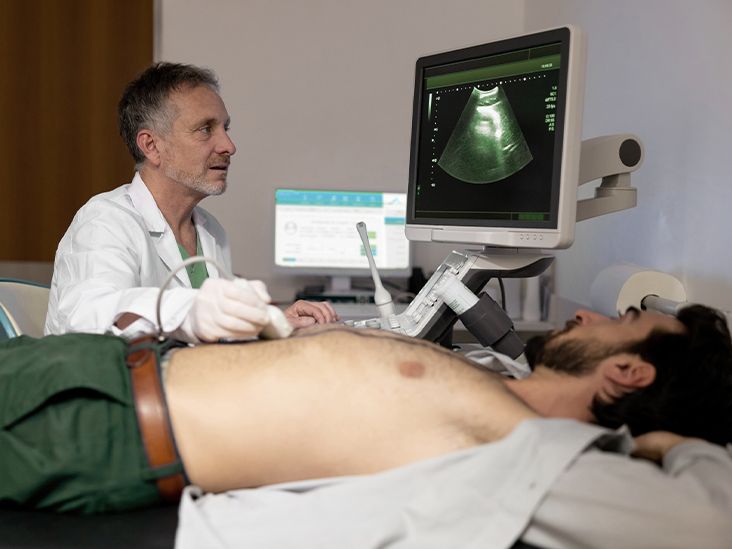
Abdominal ultrasound is often the first imaging test used to confirm splenic enlargement. It does not expose the patient to ionizing radiation. A contrast-enhanced CT scan provides more detail and is commonly used when clinicians suspect trauma, active bleeding, an infarction, abscess, or another abdominal condition. MRI or specialized vascular imaging may be appropriate in selected cases.
How Is Spleen Pain Treated?
There is no single “spleen pain medicine” because treatment must address the underlying problem. Silencing the discomfort without identifying the cause would be like muting a smoke alarm while the kitchen continues smoking.
Treatment for an Enlarged Spleen
An asymptomatic enlarged spleen may only require monitoring while its cause is investigated. Activity restrictions are often recommended to reduce rupture risk. If a bacterial infection is responsible, treatment may include antibiotics. Viral infections such as uncomplicated mono generally receive supportive care, including rest, fluids, and clinician-approved symptom relief.
Liver-related enlargement requires treatment of the liver disease and its complications. Hemolytic anemia, leukemia, lymphoma, and myeloproliferative disorders may require care from a hematologist or oncologist.
Treatment for Injury or Rupture
Emergency treatment depends on blood pressure, bleeding severity, imaging results, and the grade of injury. A stable patient with a limited injury may be closely monitored in the hospital. Treatment can include intravenous fluids, blood transfusions, repeated blood testing, and follow-up imaging.
Some bleeding vessels can be sealed through splenic artery embolization, a minimally invasive procedure performed by an interventional radiologist. Uncontrolled bleeding may require surgery to repair the organ or remove it in a splenectomy.
Treatment for Infarction, Abscess, or Cyst
A splenic infarction may be managed with hydration and pain control while clinicians treat the underlying clotting, cardiac, infectious, or blood disorder. Anticoagulant treatment is appropriate only in selected cases and should never be started without medical supervision.
Splenic abscesses usually need antibiotics, with drainage or surgery considered according to their size and location. A cyst may be monitored when small and uncomplicated; a symptomatic, growing, bleeding, or infected cyst may require a procedure.
Living Without a Spleen
People can live without a spleen, but they become more vulnerable to certain severe bacterial infections. Anyone scheduled for or recovering from splenectomy should discuss pneumococcal, meningococcal, and Haemophilus influenzae type b vaccination with a healthcare professional. Some patients also need preventive antibiotics.
After spleen removal, fever can represent a medical emergency. Patients should follow their clinician’s fever plan, keep vaccinations current, and consider carrying medical identification stating that they do not have a functioning spleen.
What Should You Do at Home?
Mild discomfort without emergency symptoms still deserves medical attention if it persists, returns, or has no clear muscular or digestive explanation. Until you know whether your spleen is enlarged:
- Avoid contact sports, heavy lifting, and activities that could cause an abdominal impact.
- Do not repeatedly press, massage, or attempt to “check” the spleen yourself.
- Record when the pain occurs and whether meals, movement, or breathing affect it.
- Note related symptoms such as fever, fatigue, bruising, weight loss, bloating, or urinary changes.
- Ask a clinician or pharmacist before taking pain medicine, especially if you may have bleeding or liver disease.
- Do not use leftover antibiotics or someone else’s medication.
Arrange a prompt medical appointment if the discomfort lasts more than a few days, worsens, repeatedly returns, or occurs with fever, early fullness, swollen lymph nodes, unusual fatigue, bruising, or weight loss.
Experiences That Illustrate Spleen-Area Pain
The following composite scenarios are educational examples, not accounts of identifiable patients. Symptoms can overlap, so they should not be used for self-diagnosis.
Experience 1: “It Was Only a Minor Sports Collision”
A recreational soccer player takes an elbow beneath the left ribs. The pain seems manageable, so he finishes the game and drives home. Several hours later, the ache becomes stronger and spreads toward his left shoulder. He feels dizzy when he stands and notices that his heart is racing.
The important part of this experience is not the apparent force of the collision. Internal injuries do not always arrive with cinematic drama. Delayed pain, shoulder discomfort, lightheadedness, and a rapid heartbeat after abdominal trauma can indicate splenic bleeding. The safest response is emergency evaluation, not waiting overnight to see whether a heating pad negotiates a peace treaty.
Experience 2: Fatigue, Sore Throat, and a Full Feeling
A college student develops a sore throat, fever, swollen neck glands, and profound fatigue. A few days later, she notices pressure beneath her left ribs and feels full halfway through a small meal. Testing supports a diagnosis of infectious mononucleosis, and an examination suggests an enlarged spleen.
Her clinician recommends fluids, rest, symptom management, and temporary avoidance of contact sports and strenuous lifting. This restriction matters even after she begins feeling better because the spleen may remain enlarged during recovery. Her return to activity is based on clinical guidance rather than the tempting logic of “I survived walking to the refrigerator, so volleyball must be fine.”
Experience 3: The Ache That Came With Other Clues
An adult with a history of heavy alcohol use develops a vague upper-left abdominal ache and early fullness. He has also noticed ankle swelling, easy bruising, and increasing abdominal size. Evaluation reveals chronic liver disease with portal hypertension and splenic enlargement.
In this situation, treating only the pain would miss the larger problem. The care plan focuses on the liver condition, complications of portal hypertension, nutrition, alcohol cessation support, medication when appropriate, and ongoing monitoring. The spleen is reacting to disrupted circulation rather than behaving as an isolated troublemaker.
Experience 4: A Convincing Spleen Impersonator
Another person experiences sharp discomfort under the left ribs after meals, along with belching and visible bloating. The pain improves after passing gas and is not accompanied by fever, trauma, dizziness, weight loss, or abnormal blood tests. Evaluation points toward gas collecting at the splenic flexure of the colon rather than disease in the spleen itself.
Dietary adjustments and treatment of the underlying digestive issue provide relief. This experience demonstrates why self-diagnosis based on location alone is unreliable. Gas can produce impressive pain, but dangerous conditions can begin subtly. New, severe, persistent, or unexplained symptoms should still be assessed.
What These Experiences Have in Common
Each situation begins with discomfort in roughly the same location, yet the urgency and treatment are completely different. Trauma plus dizziness requires emergency action. An infection may call for testing, rest, and activity restrictions. Chronic symptoms with bruising or swelling can reveal liver or blood disease. Meal-related bloating may originate in the digestive tract.
The most useful “experience” to take away is a decision process: consider recent injury, watch for internal-bleeding symptoms, note accompanying signs, and seek care when the cause is unclear. Your spleen may be quiet most of the time, but when it raises a complaint, it is worth listening carefully.
Conclusion
Spleen pain is usually felt beneath the left ribs and may result from enlargement, infection, liver disease, a blood disorder, interrupted blood flow, or injury. However, nearby digestive, urinary, muscular, and lung conditions can cause similar discomfort.
Sudden pain after traumaor pain accompanied by dizziness, fainting, a fast heartbeat, left shoulder pain, confusion, or clammy skinrequires emergency care. For persistent or recurring discomfort, a healthcare professional can use your history, examination, blood tests, and imaging to identify the cause. Treatment may be as simple as monitoring and temporary activity restrictions or as urgent as embolization or surgery. The key is to treat the condition behind the pain, not merely the location where it happens to complain.
Medical information and fact-checking note
This article was developed from current patient guidance and clinical reviews published by reputable U.S. medical and public-health organizations, including the following:
- Mayo Clinic: Enlarged Spleen
- Mayo Clinic: Ruptured Spleen
- Cleveland Clinic: Enlarged Spleen
- Cleveland Clinic: Ruptured Spleen
- Cleveland Clinic: Splenic Infarction
- MedlinePlus: Spleen Diseases
- American Academy of Family Physicians: Splenomegaly
- CDC: Infectious Mononucleosis
- Johns Hopkins Medicine: Infectious Mononucleosis
- Merck Manual: Enlarged Spleen
- NCBI Bookshelf: Splenomegaly
- University of Michigan Health-Sparrow: Enlarged Spleen