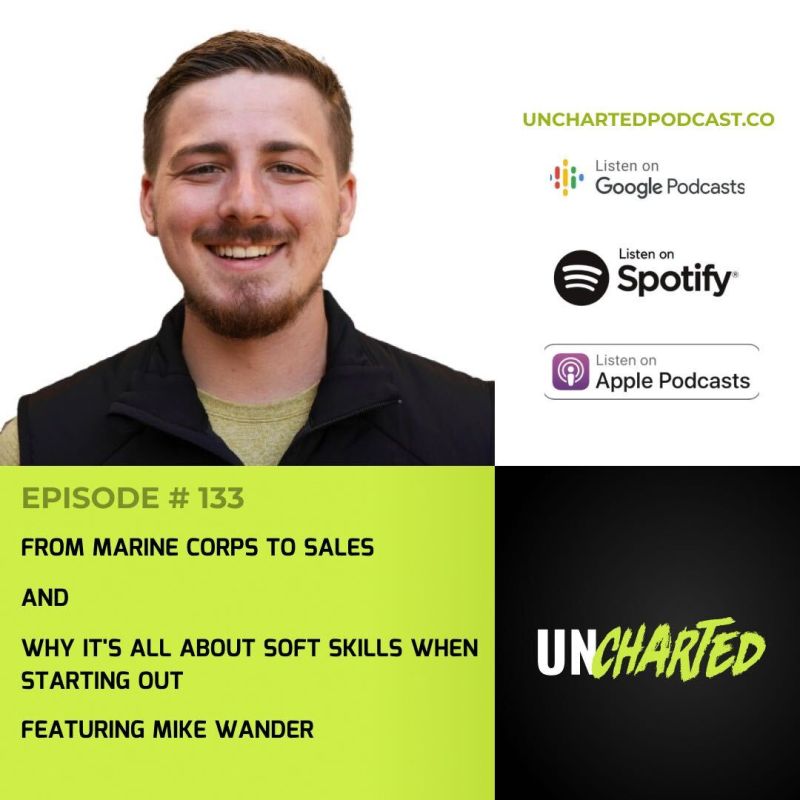
Every startup dreams of hiring that one magical sales development representative who walks in, opens the CRM, cracks their knuckles, and somehow turns a quiet pipeline into a revenue parade. Usually, that fantasy belongs in the same folder as “our product sells itself” and “the forecast is definitely conservative.” But SaaStr’s story about Mike Wander, a new Partnership Manager operating much like an SDR, is the rare case where the numbers are big enough to make even seasoned sales leaders sit up straighter.
In his first 90 days, Wander reportedly booked 90 meetings that helped generate $1 million in closed revenue. That is not a normal ramp. That is not “nice first quarter, keep it up.” That is the sales equivalent of joining a gym and deadlifting the vending machine by week three.
But the real lesson is not that one unusually motivated person worked hard. The lesson is that great SDR performance is rarely magic. It is a system. SaaStr had brand trust, leadership support, a manager who knew the motion, a predecessor who had already proven the model, and a market where the right conversation could quickly become real revenue. Wander brought discipline, curiosity, soft skills, and the kind of urgency that turns a contact list into a calendar full of qualified conversations.
Why This SaaStr SDR Story Matters
The SaaS market is noisier than ever. Buyers research independently, ignore generic outreach, and often know your pricing page better than your newest rep. In that world, the old SDR playbook of “send 300 nearly identical emails and pray to the reply-rate gods” is losing steam fast.
The SaaStr case matters because it shows what still works: relevant targeting, consistent activity, credible messaging, fast learning, and thoughtful human follow-up. Even as AI SDRs, automated sequences, and signal-based prospecting become standard tools, the foundation remains human: understand the buyer, respect their time, and make the next step easy.
Booking 90 meetings in 90 days sounds like a heroic personal achievement. It is. But it is also a reminder that revenue teams should stop asking, “How do we find a superstar?” and start asking, “How do we build an environment where a capable SDR can become dangerous in the best possible way?”
The Anatomy of a $1 Million SDR Quarter
1. The Role Had a Clear Revenue Purpose
An SDR role can quickly become a dumping ground for random activities: find leads, clean data, send emails, update fields, chase no-shows, and occasionally explain to leadership why “just book more meetings” is not a strategy. The SaaStr example worked because the role was tied to a clear commercial outcome: create meaningful conversations with companies that could become sponsors, partners, or high-value customers.
That clarity matters. When an SDR knows exactly what a qualified meeting looks like, they can spend less time chasing activity metrics and more time creating pipeline that actually closes. A meeting with the wrong account is not progress. It is calendar graffiti.
2. The SDR Had Brand Leverage
SaaStr is not an unknown logo sending cold emails from a basement next to a half-empty coffee mug. It is a recognized SaaS community with events, content, podcasts, and a strong founder-led voice. That matters. A strong brand opens doors faster because prospects already have context. They may have read a SaaStr article, attended a SaaStr event, listened to a podcast, or seen the brand mentioned by founders and revenue leaders.
Brand does not replace sales skill, but it reduces friction. The best SDRs use brand trust wisely. They do not hide behind it. They turn recognition into relevance: “You know SaaStr; here is why a conversation could matter for your company right now.”
3. There Was Training, Support, and a Proven Path
One of the most important details in the SaaStr story is easy to miss: Wander did not succeed in a vacuum. He had support from his manager, his predecessor, and the company’s sales leadership. That is huge. Many companies hire SDRs, give them a login, hand them a list, and then act shocked when the results look like a raccoon operating a spreadsheet.
Strong SDR programs teach the market, the product, the buyer persona, the qualification criteria, the talk track, the follow-up process, and the reason behind each step. The best programs also share real examples: good emails, bad emails, winning calls, lost deals, objection handling, and what a high-intent prospect actually sounds like.
What Mike Wander Appears to Have Done Right
He Treated Sales as a Listening Job
Wander came from a military background, and the Uncharted story emphasized soft skills. That is not fluff. In modern B2B sales, soft skills are hard currency. Buyers can smell scripted outreach from three browser tabs away. They respond to people who listen, adapt, and communicate with confidence without sounding like they swallowed a sales enablement handbook.
Listening helps SDRs identify timing, pain, authority, internal priorities, and hidden opportunities. A weak SDR hears, “Send me more information,” and celebrates too early. A strong SDR hears that and asks, “What would be most useful for your team to evaluate first?”
He Made the Prospect’s Life Easier
One of the simplest but most powerful SDR principles is this: make the buyer’s next step obvious. If scheduling a meeting requires twelve emails, three calendar links, and an apology from the moon, you have already lost momentum.
Great SDRs reduce effort. They provide context, suggest times, explain why the meeting is worth taking, and route the prospect to the right person. The goal is not to “win the email.” The goal is to create a useful business conversation with as little friction as possible.
He Worked With Urgency
Ninety meetings in 90 days means one meeting booked per day on average, including weekends. That kind of pace requires more than motivation. It requires a daily operating rhythm. Research accounts. Send relevant outreach. Follow up. Track responses. Learn from objections. Tighten the message. Repeat tomorrow.
Sales development is not won by one perfect email. It is won by dozens of small, consistent actions performed with enough care that prospects do not feel like they are being processed by a toaster.
The Modern SDR Playbook Behind the Story
Start With the Ideal Customer Profile
The best SDRs do not prospect everyone with a LinkedIn profile and a pulse. They focus on accounts that match the company’s ideal customer profile. For SaaS companies, that often means filtering by company size, industry, growth stage, tech stack, funding, hiring signals, event attendance, content engagement, or current business priorities.
In SaaStr’s world, the most valuable prospects were likely companies that benefited from access to SaaS founders, executives, investors, and revenue leaders. That narrows the field. Instead of saying, “Would you like sponsorship?” the SDR can say, “Your team is expanding into the SaaS executive market; here is how SaaStr could put you in front of the exact people you want to meet.”
Use Personalization That Actually Means Something
Bad personalization is “I saw you went to Ohio State.” Better personalization is “Your company just launched an enterprise package, and SaaStr’s audience is full of enterprise SaaS operators evaluating tools like yours.”
Modern SDR personalization should connect to a business reason. The prospect should immediately understand why they are being contacted, why now, and why the offer is relevant. Compliments are nice. Commercial relevance pays the bills.
Follow Up Without Becoming a Menace
Persistence is essential in outbound sales, but persistence without value becomes noise. Strong SDR cadences use multiple channels: email, phone, LinkedIn, events, referrals, and sometimes video. But every touch should add something useful: a new angle, a relevant example, a customer story, a timely observation, or a simple, respectful bump.
The best follow-up feels like a helpful reminder. The worst follow-up feels like someone shaking a vending machine because their granola bar got stuck.
Why Most SDRs Do Not Hit This Level
Most SDRs do not fail because they are lazy. They fail because the system around them is messy. The ICP is vague. The messaging is generic. The CRM is cluttered. The manager is too busy. Marketing and sales disagree on lead quality. The product positioning changes every other Tuesday. Then leadership asks why the pipeline is soft, as if the answer is not sitting in the meeting notes from six weeks ago.
Another common problem is measuring the wrong things. Activity metrics matter, but they are not the whole story. An SDR can send hundreds of emails and still create very little revenue if the targeting is weak. A healthier scorecard includes meetings booked, meeting show rate, opportunity creation, pipeline value, closed revenue, account quality, response quality, and feedback from account executives.
Where AI SDRs Fit Into the Lesson
The SDR conversation has changed dramatically because AI can now research accounts, draft outreach, monitor buying signals, qualify website visitors, and book meetings at a scale human reps cannot match. SaaStr has also discussed impressive AI SDR results, including high-volume outreach and inbound agents that qualify visitors quickly.
Still, AI does not erase the core lesson from the Wander story. It amplifies it. AI can move faster, but it still needs clean data, sharp positioning, thoughtful prompts, clear routing rules, and human oversight. Otherwise, it simply becomes a faster way to send mediocre messages to the wrong people. Congratulations, you have automated confusion.
The future SDR team will likely blend humans and AI. AI handles research, routing, enrichment, first-touch suggestions, and real-time qualification. Humans handle judgment, nuance, strategic accounts, complex objections, partner development, and the relationship-building moments that matter. The winning teams will not ask, “Human or AI?” They will ask, “Which part of the motion should each one own?”
How Founders Can Replicate the SaaStr SDR Success
Build the System Before Hiring the Rep
Before hiring your first SDR, define your ICP, offer, qualification rules, meeting handoff process, and follow-up expectations. Create a short sales development playbook with messaging examples, common objections, buyer personas, and a clear definition of a qualified meeting.
If you cannot explain the role in plain English, the SDR cannot execute it under pressure.
Give SDRs Access to Real Customer Insight
New SDRs should listen to sales calls, customer interviews, onboarding calls, renewal conversations, and lost-deal reviews. They need to hear how buyers talk, not just how marketing describes them. A good SDR learns the customer’s language and mirrors it back with precision.
Coach Daily at the Beginning
The first 30 days matter. Review emails, calls, responses, and meetings booked. Help the SDR understand patterns. Which subject lines get replies? Which objections repeat? Which accounts convert? Which messages sound clever but produce silence? Early coaching prevents bad habits from becoming company folklore.
Connect Meetings to Revenue
Do not let the SDR team live in a separate universe from closed-won data. Show them which meetings became pipeline, which became revenue, and why. This feedback loop turns appointment setters into revenue thinkers.
Experience Section: Field Lessons From SDR Teams Chasing Big Pipeline
In real SDR teams, the difference between an average quarter and a breakout quarter often comes down to small operating habits that do not look glamorous on a dashboard. One common pattern is the morning focus block. Top SDRs protect the first part of the day for the hardest work: researching priority accounts, writing tailored first touches, and calling prospects when energy is high. Average SDRs start with admin, Slack, and CRM cleanup, then wonder why their best thinking happens after lunch when buyers are already buried in meetings.
Another experience that shows up again and again is the power of a tight feedback loop with account executives. When SDRs and AEs barely talk, meetings become a numbers game. When they review accounts together, the quality rises fast. The AE explains which titles matter, which pain points lead to real deals, and which accounts are not worth chasing. The SDR then adjusts targeting, messaging, and qualification. Suddenly, fewer meetings are needed to create better pipeline. Everyone looks smarter. The CRM even becomes slightly less haunted.
Strong SDRs also learn to create urgency without sounding desperate. They do not say, “Do you have 15 minutes?” like they are asking for spare change. They say, “Based on your expansion into enterprise SaaS, this may be worth discussing before your next campaign planning cycle.” That is a different message. It gives the buyer a business reason to act now.
One practical lesson from high-performing teams is to build reusable message libraries, but never send them blindly. A message library gives reps structure. Personalization gives the message life. For example, an SDR might start with a proven sponsorship outreach template, then adjust the opening line based on the prospect’s recent funding, hiring, product launch, or market expansion. The structure creates consistency; the context creates relevance.
Finally, the best SDRs develop emotional resilience. Sales development includes rejection, silence, reschedules, ghosting, and the occasional reply that appears to have been written by someone fighting a printer. The reps who win do not take every no personally. They inspect the signal. Was the account wrong? Was the timing off? Was the message too vague? Was the offer unclear? Each response, even a negative one, becomes data.
That is the deeper experience behind the SaaStr story. Booking $1 million in revenue-related meetings in 90 days is not about having a lucky list or a magic email subject line. It is about combining discipline, coaching, brand leverage, clean targeting, buyer empathy, and fast iteration. The SDR who learns quickly compounds quickly. The company that supports that learning gets the reward.
Conclusion: The Real Uncharted Lesson
SaaStr’s story about an SDR booking 90 meetings in 90 days and helping generate $1 million in revenue is exciting, but the headline is only the doorway. The real lesson is more useful: outstanding SDR performance comes from the right person inside the right system.
Mike Wander brought energy, adaptability, and strong communication skills. SaaStr brought brand credibility, leadership support, a proven sales motion, and a clear market. Together, those elements created momentum. That is what founders, CROs, and revenue leaders should copy.
Do not simply hire SDRs and hope they become pipeline superheroes. Give them focus. Give them training. Give them buyer insight. Give them clean data. Give them fast feedback. Give them a reason to care about revenue, not just meetings. Then add AI where it improves speed, research, routing, and qualification.
The modern SDR is not dead. The lazy, generic, spray-and-pray SDR motion is dead. And honestly, it had a good run. The future belongs to SDRs and revenue teams that combine human judgment, smart automation, sharp targeting, and relentless buyer relevance.
Note: This article is original, SEO-focused content synthesized from public SaaS sales, SDR, AI sales development, and B2B buying research. Source links are intentionally not included per publishing requirements.