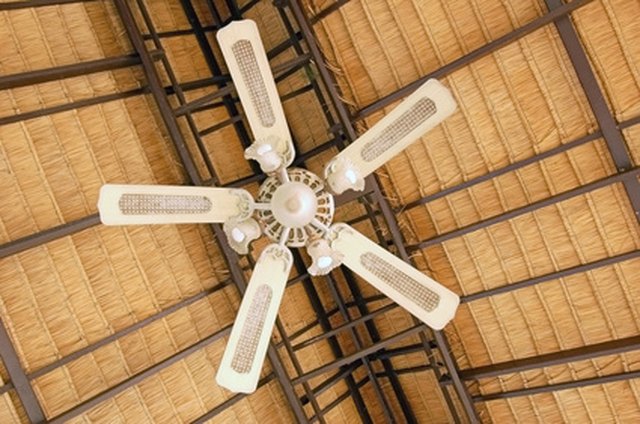
Choosing a ceiling fan is a little like choosing shoes: the style matters, but the fit matters more. A fan can be beautiful, quiet, powerful, and packed with smart features, but if it is mounted the wrong way, it may wobble, hang too low, move air poorly, or look like it is having a small identity crisis above your dining table. That is why understanding the different types of mounts for ceiling fans is one of the smartest steps before buying or installing one.
Ceiling fan mounts determine how the fan connects to the ceiling, how far the blades sit from the floor, whether the fan can work on a sloped ceiling, and how well it circulates air. The most common options include flush mounts, low-profile or hugger mounts, standard downrod mounts, extended downrod mounts, angled ceiling mounts, and convertible mounting systems. Each one solves a different ceiling-height or room-design problem.
This guide breaks down the major ceiling fan mounting types, when to use each one, what to watch out for, and how to choose a setup that keeps your room comfortable without turning your ceiling into a spinning science experiment.
Why Ceiling Fan Mount Type Matters
The mount is not just a decorative cap hiding wires. It is the connection point between the fan, the ceiling structure, and the electrical box. A proper ceiling fan mount helps keep the fan stable, level, safe, and positioned at the right height for airflow.
For the best comfort, many fan and energy-efficiency guidelines recommend positioning the blades roughly 8 to 9 feet above the floor when ceiling height allows. At the same time, the blades should never be too low. In most homes, a minimum blade clearance of about 7 feet from the floor is the basic safety target. That means the same fan may need a completely different mounting system in a room with an 8-foot ceiling than it would in a vaulted living room with a 14-foot peak.
The mount also affects performance. A fan installed too close to the ceiling may not get enough air above the blades to move air efficiently. A fan installed too high may look dramatic but leave people below wondering why they still feel warm. The goal is simple: keep the fan secure, give the blades breathing room, and place the airflow where people actually live.
1. Flush Mount Ceiling Fans
A flush mount ceiling fan attaches close to the ceiling without a visible downrod. This type of mount is often used in rooms with lower ceilings where every inch of clearance matters. If your ceiling is around 8 feet high, a flush mount fan can help keep the blades high enough above the floor while still providing air movement.
Best for Low Ceilings
Flush mount ceiling fans are especially popular in bedrooms, laundry rooms, small offices, hallways, and apartments. They are designed to sit tight against the ceiling, creating a clean look and reducing the risk of the fan hanging too low. In rooms where tall family members already duck under pendant lights like they are competing in an obstacle course, flush mount is often the sensible choice.
Pros of Flush Mount Fans
The biggest advantage is clearance. Flush mount fans help maintain safe blade height in rooms where a downrod would bring the fan too far into the living space. They also create a neat, compact appearance that works well in modern, minimalist, or small-room designs.
Cons of Flush Mount Fans
The trade-off is airflow. Because the blades sit closer to the ceiling, there is less room for air to move above the fan. Some flush mount models perform very well, but in general, they may not circulate air as efficiently as a standard downrod fan installed at the proper height. For larger rooms, high ceilings, or spaces where strong airflow is the priority, another mount may be better.
2. Low-Profile or Hugger Mounts
Low-profile and hugger ceiling fans are closely related to flush mount fans. In everyday shopping language, these terms are often used interchangeably. A hugger fan is designed to “hug” the ceiling, sitting very close to it without a downrod. The name is cute, but do not worrythe fan is not emotionally attached to your drywall.
When to Choose a Hugger Fan
Choose a hugger mount when ceiling height is limited and you need the lowest possible profile. These fans are useful in older homes, finished basements, enclosed porches, small bedrooms, and any space where a standard fan would hang too low.
Flush Mount vs. Hugger: Is There a Difference?
In many cases, no major practical difference exists. Both are low-clearance ceiling fan mounting options. However, some manufacturers use “flush mount” to describe a fan that mounts directly to the ceiling canopy, while “low-profile” or “hugger” may refer to a fan engineered specifically to reduce total hanging depth. Always check the product’s installed height from ceiling to blade, not just the label on the box.
3. Standard Downrod Mounts
A standard downrod mount is one of the most common ceiling fan mounting types. It uses a short metal rod between the ceiling canopy and the motor housing. Many standard ceiling fans include a downrod of about 3 to 6 inches, depending on the model.
Best for Average Ceiling Heights
Standard downrod mounts are usually a good match for rooms with ceilings around 8 to 9 feet, as long as the final blade height remains safe. The short downrod helps place the fan slightly below the ceiling, giving the blades more room to pull and push air.
Why Downrods Help Airflow
A downrod creates space between the ceiling and the blades. That space matters because ceiling fans need air above and around the blades to operate efficiently. When installed correctly, a standard downrod mount can provide better airflow than a very tight hugger fan, especially in medium-size rooms such as living rooms, bedrooms, and kitchens.
Common Examples
A 52-inch ceiling fan in a 9-foot living room often works well with a standard downrod. A bedroom with an 8-foot ceiling may still work with a short downrod if the fan body is slim and the blades remain at least 7 feet from the floor. However, if the fan has a thick motor housing or large light kit, a flush or low-profile model may be safer.
4. Extended Downrod Mounts
An extended downrod mount uses a longer rod to lower the fan from a tall ceiling. This type of ceiling fan mount is ideal for high ceilings, great rooms, foyers, lofts, vaulted rooms, and open-plan living spaces where a standard downrod would leave the fan floating too high to be useful.
Best for Tall Ceilings
If your ceiling is 10 feet, 12 feet, 15 feet, or even higher, an extended downrod helps bring the blades closer to the ideal airflow zone. Without it, the fan may circulate air near the ceiling while the sofa area remains stubbornly still. That is not cooling; that is decorative spinning.
Typical Downrod Lengths
Downrods come in many lengths, including 12 inches, 18 inches, 24 inches, 36 inches, 48 inches, 60 inches, and longer options for very tall ceilings. The right length depends on ceiling height, fan body depth, blade clearance, and manufacturer recommendations. A room with a 10-foot ceiling may use a 12-inch downrod, while a 12-foot ceiling may need something closer to 24 or 36 inches, depending on the fan.
Important Compatibility Tip
Not every downrod fits every fan. Diameter, threading, pin style, finish, and brand compatibility can vary. Before buying an extension rod, check the fan manual or product listing. A “close enough” downrod is not the place to improvise. Save the improvisation for soup recipes, not spinning electrical fixtures.
5. Angled or Sloped Ceiling Mounts
An angled ceiling mount, also called a sloped ceiling adapter, is used when the fan must be installed on a vaulted, cathedral, or slanted ceiling. This mounting system allows the fan to hang straight down even though the ceiling surface is angled.
Why Sloped Ceilings Need Special Hardware
A ceiling fan must hang level for smooth operation. If the fan is installed directly against a slope without the right adapter, the blades may tilt, wobble, or hit the ceiling. An angled mount uses a special canopy, ball-and-socket system, or slope adapter to compensate for the pitch.
Best for Vaulted and Cathedral Ceilings
Angled mounts are common in living rooms with dramatic ceilings, attic bedrooms, cabins, sunrooms, and open entryways. Most sloped-ceiling installations also require a downrod because the rod gives the fan enough clearance from the angled surface.
Check the Maximum Slope Rating
Every fan and adapter has limits. Some standard mounting systems can handle modest slopes, while steeper ceilings require a special sloped ceiling adapter. Many adapters are rated for specific angles, such as 30, 34, 45, or more degrees, depending on the brand. Always check the fan’s manual before purchasing. If the ceiling slope is extreme, consult an electrician or installer before assuming a universal adapter will solve the problem.
6. Dual-Mount and Tri-Mount Ceiling Fans
Dual-mount and tri-mount ceiling fans are designed with flexibility in mind. A dual-mount fan may allow standard downrod installation or angled installation. A tri-mount fan may offer three options: flush mount, standard downrod mount, and angled mount.
Best for Flexibility
These fans are helpful when you are not completely sure where the fan will go, or when you want one model that can work in different rooms. For example, a tri-mount ceiling fan may be installed flush in a low-ceiling bedroom today and with a downrod in a taller room later, assuming all parts are included and the manufacturer allows both configurations.
Great for Renovations
If you are remodeling a home, a convertible fan gives you options as the project evolves. Maybe the original plan was a flat ceiling, then someone discovered exposed beams and suddenly the room became “rustic modern.” A convertible mounting system can keep the fan from becoming the first casualty of changing design plans.
7. Close-to-Ceiling Adapter Kits
Some ceiling fans that normally use a downrod can be converted to a closer ceiling installation with a compatible flush mount kit or close-to-ceiling adapter. These kits are brand- and model-specific, so they should not be treated as universal parts.
When They Make Sense
A close-to-ceiling kit can be useful when you love a particular fan style but need slightly more clearance. For example, if a fan comes with a short downrod but your ceiling is lower than expected, a flush mount conversion kit may reduce the total hanging height.
When to Avoid Them
Do not use a conversion kit unless the manufacturer says it is compatible with your fan. Ceiling fans are engineered as systems, including the motor housing, canopy, bracket, wiring space, and support hardware. Mixing random parts can create wobble, wiring crowding, or unsafe support.
8. Outdoor Ceiling Fan Mounts
Outdoor ceiling fan mounts are not always a separate shape, but outdoor installations require extra attention. A porch, patio, pergola, or covered deck may use a flush mount, downrod mount, or angled mount, but the fan and mounting hardware must be rated for the location.
Damp-Rated vs. Wet-Rated Fans
Damp-rated fans are designed for covered outdoor areas where moisture is present but direct rain does not hit the fan. Wet-rated fans are built for more exposed locations where rain or heavy moisture may reach the fixture. The mount, canopy, screws, downrod, and finish should also be suitable for the environment.
Outdoor Mounting Example
A covered porch with an 8-foot ceiling may call for a damp-rated flush mount fan. A tall covered patio with a sloped roof may need a damp-rated or wet-rated fan with a downrod and sloped ceiling adapter. In coastal areas, corrosion-resistant finishes and stainless or protected hardware become even more important.
9. Ceiling Fan Support Boxes and Mounting Brackets
Behind every good ceiling fan mount is something less glamorous but far more important: the ceiling fan-rated outlet box and support bracket. A standard light fixture box is not automatically strong enough for a ceiling fan. Fans are heavier than many light fixtures, and they create movement and vibration while operating.
Use a Fan-Rated Electrical Box
A ceiling fan should be mounted to a box or support system listed for ceiling fan support. The box should be securely attached to framing or an approved brace. If the existing ceiling box is only rated for a light fixture, it should be replaced with a fan-rated box before installation.
New Work vs. Retrofit Boxes
New-work fan boxes are installed when the ceiling is open, such as during construction or remodeling. Retrofit fan braces are designed to be installed through an existing ceiling opening, often expanding between joists to create a secure support point. Both can work well when properly installed.
How to Choose the Right Ceiling Fan Mount
Start with ceiling height. If the ceiling is low, look at flush mount or hugger fans. If the ceiling is average height, a standard downrod may offer the best balance of clearance and airflow. If the ceiling is tall, use an extended downrod to bring the fan into the comfort zone. If the ceiling is sloped, choose a fan and adapter rated for the ceiling angle.
Measure Before You Buy
Measure from the floor to the ceiling. Then check the fan’s installed height, including the canopy, downrod, motor body, blades, and light kit. Do not guess based only on the box photo. Product images are excellent at making fans look elegant and terrible at showing whether Uncle Mark will bump his head on Thanksgiving.
Match the Mount to the Room
For a small bedroom with an 8-foot ceiling, a low-profile fan is usually practical. For a 10-foot dining room ceiling, a standard or short extended downrod may look balanced. For a two-story great room, a long downrod can bring airflow down where people can feel it. For a vaulted ceiling, a sloped ceiling adapter and downrod are usually required.
Think About the Light Kit
Light kits add depth. A fan that clears the floor safely without a light may hang too low once a large glass shade or integrated LED housing is included. Always check the total installed height with the light kit attached.
Common Mistakes to Avoid
The first mistake is using a light-duty electrical box. A ceiling fan needs fan-rated support, not wishful thinking and two old screws. The second mistake is choosing a flush mount fan for a large room with a high ceiling, which may reduce airflow. The third mistake is ignoring ceiling slope until installation day, when the fan suddenly refuses to hang level.
Another common mistake is buying the wrong downrod finish or diameter. Even if it fits mechanically, a mismatched finish can look like the fan borrowed a necktie from another outfit. Finally, do not assume “universal” always means universal. Ceiling fan parts often have brand-specific requirements.
Real-World Experience: What Homeowners Usually Learn the Hard Way
After dealing with ceiling fans in real homes, one lesson becomes clear: the mount is usually where the project succeeds or gets annoying. Most people shop by blade style, color, remote control, or whether the fan looks good in a product photo. That is understandable. Nobody walks into a store whispering, “Show me your finest mounting hardware.” But once installation begins, the mount becomes the star of the show.
In low-ceiling rooms, the biggest surprise is how quickly inches disappear. An 8-foot ceiling sounds normal until you add a fan body, blade arms, and a bowl-style light kit. Suddenly the room feels shorter, and taller people begin developing ceiling-fan radar. In those rooms, a true low-profile or hugger fan often feels much better than trying to force a standard downrod fan into the space. The fan may not move quite as much air as a downrod model, but safe clearance wins every time.
In tall rooms, the opposite problem happens. Homeowners sometimes install a fan close to the ceiling because it looks clean from below. Then they turn it on and feel almost nothing. The fan is working, but it is stirring air far above the seating area. A longer downrod can dramatically improve comfort because it brings the blades down into the usable part of the room. This is especially noticeable in living rooms with high ceilings, where warm air collects above and air circulation matters year-round.
Sloped ceilings teach another lesson: level matters. A fan that is even slightly awkward on an angled ceiling can wobble, click, or look visually wrong. A proper sloped ceiling adapter gives the installation a cleaner, more professional result. It also helps maintain blade clearance from the ceiling. On steep slopes, a longer downrod may be needed so the blade tips do not get too close to the ceiling surface.
Outdoor installations add one more layer of reality. A fan on a covered patio may seem protected, but humidity, wind, insects, and temperature changes still affect the hardware. Damp-rated or wet-rated fans are worth choosing for the right location. The mounting hardware should be tightened carefully and checked occasionally, especially after storms or seasonal weather changes.
The most practical advice is to decide on the mount before falling in love with the fan. Measure the ceiling height, check the slope, identify the electrical box, and confirm the final hanging height. A beautiful fan with the wrong mount is frustrating. A well-mounted fan, even a simple one, feels intentional, quiet, and comfortable. In the world of ceiling fans, the mount may not get applause, but it does most of the behind-the-scenes work.
Conclusion
The main types of mounts for ceiling fans include flush mounts, low-profile or hugger mounts, standard downrod mounts, extended downrod mounts, angled or sloped ceiling mounts, and convertible dual- or tri-mount systems. The best choice depends on ceiling height, ceiling angle, room size, airflow needs, and safety requirements.
For low ceilings, choose a flush mount or hugger fan. For average ceilings, a standard downrod often works best. For tall ceilings, use an extended downrod. For vaulted or sloped ceilings, choose an angled ceiling mount with the correct adapter. And in every case, make sure the fan is attached to a fan-rated electrical box or approved support system.
Note: Ceiling fan installation should always follow the manufacturer’s instructions and local electrical code. If wiring, structural support, box rating, or ceiling slope is uncertain, hire a licensed electrician. A properly mounted fan should cool the room, not test gravity.