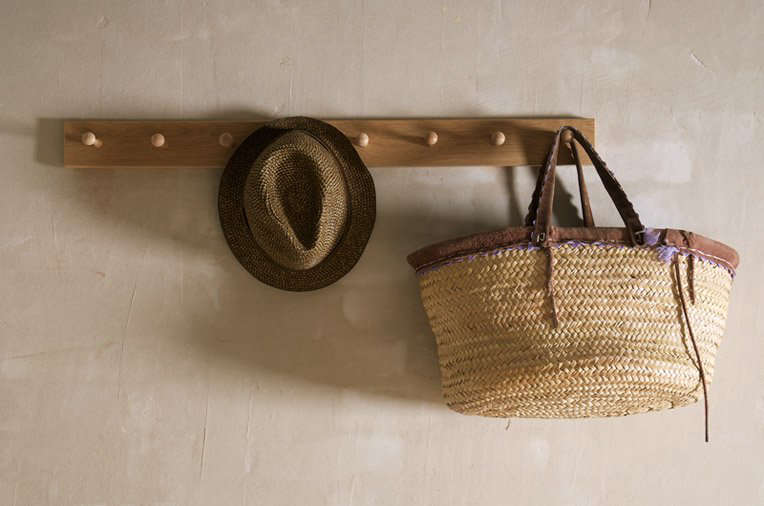
A traditional Shaker peg rail may look like the humblest thing in the room: a narrow wooden board, a row of rounded pegs, and absolutely zero drama. But do not be fooled by its quiet personality. This simple storage solution has been organizing homes for generations, proving that good design does not need glitter, gadgets, or a complicated instruction manual written in six languages.
Rooted in the practical, disciplined world of Shaker design, the Shaker peg rail is a classic example of beauty through usefulness. It holds coats, hats, baskets, aprons, towels, tools, children’s backpacks, kitchen utensils, and sometimes the entire emotional weight of a messy entryway. It belongs in mudrooms, kitchens, bedrooms, bathrooms, laundry rooms, hallways, workshops, and almost anywhere a wall is standing around looking underemployed.
Today, the traditional Shaker peg rail is enjoying a well-deserved comeback. Homeowners love it because it is warm, timeless, affordable, easy to customize, and impressively hardworking. Designers love it because it brings architectural charm without visual clutter. And busy families love it because, frankly, anything that helps people stop throwing coats on dining chairs deserves a medal.
What Is a Traditional Shaker Peg Rail?
A traditional Shaker peg rail is a horizontal wooden rail fitted with evenly spaced wooden pegs. The rail is mounted to the wall and used for hanging everyday items. In its purest form, it is made from solid wood, finished simply, and designed to blend function with quiet beauty.
The classic design usually includes a straight backboard and smooth, rounded pegs. Many peg rails are made from maple, cherry, oak, pine, or poplar. Some are stained to show the grain, while others are painted to match the wall, trim, cabinetry, or furniture. Traditional versions often have a handmade quality, with soft edges and proportions that feel balanced rather than showy.
Unlike modern metal hooks that can feel sharp, industrial, or visually busy, a Shaker peg rail creates rhythm. The repeated pegs give the wall a clean, orderly look. Even when the rail is loaded with jackets, woven totes, straw hats, or kitchen linens, it still feels intentional. That is the magic trick: it turns necessary storage into part of the design.
The Shaker Design Philosophy: Simple, Useful, Beautiful
To understand the traditional Shaker peg rail, it helps to understand the Shakers themselves. The Shakers, formally known as the United Society of Believers in Christ’s Second Appearing, became known in America for communal living, disciplined work, and objects designed with deep respect for utility. Their furniture and interiors emphasized clean lines, order, durability, and restraint.
Shaker design is often described with three words: simplicity, utility, and craftsmanship. That sounds elegant, but in real-life terms it means this: no unnecessary decoration, no fussy carvings, no “look at me” furniture. If an object existed, it had a purpose. If it had a purpose, it should perform that purpose beautifully. The result was furniture and architecture that still feels fresh in modern homes.
The peg rail fit perfectly into that philosophy. It helped keep belongings off the floor, made cleaning easier, and allowed rooms to change function quickly. Chairs could be hung on wall pegs when not in use. Brooms, bonnets, textiles, tools, mirrors, and other household items could be lifted out of the way. In a communal setting where order mattered, the peg rail was not just decoration. It was a quiet system for daily life.
Why Shaker Peg Rails Still Work in Modern Homes
Some historic designs are lovely but not exactly convenient. A candle stand is charming until you need a charging station. A rope bed is romantic until your back files a complaint. The Shaker peg rail, however, has aged beautifully because modern homes still have the same basic problem: stuff needs a place to go.
Entryways collect coats, bags, keys, dog leashes, umbrellas, scarves, and mysterious objects that no one claims. Kitchens need spots for towels, aprons, cutting boards, market baskets, and small tools. Bathrooms need towel storage. Bedrooms need a landing place for robes, hats, and tomorrow’s outfit. Laundry rooms need somewhere to hang delicates or cleaning brushes. A traditional Shaker peg rail answers all of these problems with one elegant sentence: “Hang it up.”
Another reason peg rails remain popular is their visual flexibility. They work in farmhouse interiors, cottage homes, Colonial-inspired spaces, Scandinavian-style rooms, modern rustic cabins, minimalist apartments, and even polished traditional homes. Paint one the same color as the wall, and it becomes subtle architectural detail. Stain it in cherry or oak, and it becomes a warm handcrafted accent. Add a shelf above it, and suddenly it is doing double duty like a very polite overachiever.
Common Materials for a Traditional Shaker Peg Rail
Maple
Maple is a favorite for Shaker-inspired furniture because it is strong, smooth, and durable. It accepts paint well and can also be finished naturally for a light, clean appearance. A maple Shaker peg rail is a smart choice for high-use areas such as mudrooms, hallways, and family entryways.
Cherry
Cherry brings warmth and richness. Over time, natural cherry deepens in color, giving the rail a graceful, aged character. A cherry peg rail looks especially handsome in traditional homes, libraries, dining rooms, and bedrooms where the wood can be appreciated as part of the decor.
Oak
Oak is sturdy, familiar, and full of visible grain. It works well in country homes, Craftsman-style interiors, and rooms where a slightly bolder wood texture feels right. A solid oak Shaker peg rail is a dependable choice when you want storage that feels strong and grounded.
Pine and Poplar
Pine and poplar are often used for painted peg rails. Pine has a more rustic personality, while poplar paints beautifully and creates a smooth finish. These woods are excellent for budget-friendly DIY projects, especially when the final rail will be painted white, cream, sage, navy, black, or the same color as the wall.
Traditional Peg Rail Dimensions and Spacing
While there is no single universal rule, many modern Shaker peg rails use pegs spaced about 6 inches apart. This spacing is practical for coats, hats, towels, baskets, and kitchen items. Some traditional room-length rails may use wider spacing, especially when the rail is intended for larger objects. The right distance depends on what you plan to hang.
A common backboard size is similar to a 1×4 board, which usually gives enough height for secure peg placement without looking bulky. Many pegs project about 3 inches from the rail, which is long enough to hold coats and bags but not so long that the wall starts to resemble a wooden porcupine.
Height also matters. Historically, peg rails were often mounted high enough to keep items clear of the floor and allow chairs or tools to hang properly. In modern homes, the best height depends on the room. For adult coats in an entryway, 60 to 72 inches from the floor often works well. For children’s spaces, a lower rail around 36 to 48 inches can encourage kids to hang up their own things. Yes, miracles do happen, especially when hooks are within reach.
Best Places to Use a Traditional Shaker Peg Rail
Entryway or Foyer
The entryway is the natural home for a Shaker peg rail. Install one near the front door for coats, hats, bags, umbrellas, and dog leashes. Add a bench below it for shoes, and you have a mini mudroom without needing a full renovation or a dramatic lifestyle change.
Mudroom
In a mudroom, peg rails are practical superheroes. Use a long rail for family coats and bags, or install two rows: a higher rail for adults and a lower rail for children. Baskets on the pegs can hold gloves, sunscreen, bug spray, or all the tiny things that otherwise disappear into the household Bermuda Triangle.
Kitchen
A kitchen Shaker peg rail can hold aprons, towels, small cutting boards, measuring cups, herb-drying bundles, or market bags. It adds charm without taking up counter space. In a small kitchen, that is not just designit is survival.
Bathroom
In the bathroom, a peg rail works beautifully for towels, robes, bath brushes, and small baskets. A painted rail can match the trim for a built-in look, while a natural wood rail can warm up tile, stone, and painted walls.
Bedroom
In the bedroom, a peg rail can hold robes, hats, scarves, jewelry organizers, or a planned outfit for the next day. It is especially useful in rooms without large closets. A peg rail does not judge your wardrobe. It simply helps it behave.
Laundry Room
A laundry room peg rail is perfect for hangers, cleaning brushes, lint rollers, mesh bags, and drying items. Add a shelf above the rail, and you can store detergent jars, clothespins, or folded towels.
How to Choose the Right Shaker Peg Rail
Start by deciding what the rail needs to hold. Lightweight items such as hats, towels, and aprons can be handled by a smaller rail. Heavy coats, backpacks, and bags need stronger wood, secure mounting, and preferably screws driven into wall studs.
Next, choose the length. A short 2-foot rail may be enough for a bathroom or narrow wall. A 4-foot rail works well in kitchens, bedrooms, and compact entryways. A 6-foot rail or longer can create a hardworking mudroom wall. For a more traditional look, consider running the rail across an entire wall or even around part of a room.
Then think about finish. A natural wood finish highlights craftsmanship and grain. A painted finish blends easily with existing trim or cabinetry. White feels classic and fresh. Black adds contrast. Soft green, blue, cream, or warm gray can make the rail feel charming without shouting for attention.
Installation Tips for a Secure Peg Rail
The most important rule is simple: mount the rail securely. A peg rail may look light, but once it is holding winter coats, backpacks, and a tote bag containing three library books and half a grocery store, it needs real support.
Whenever possible, screw the rail into wall studs. Studs are commonly spaced 16 inches on center in many homes, though older houses can be full of surprises. Use a stud finder, mark the locations, and pre-drill holes to reduce splitting. If studs do not line up with your rail placement, use strong wall anchors rated for the expected weight.
For a clean look, countersink the screws slightly, fill the holes with wood filler, sand smooth, and touch up with paint or finish. If you want the rail to look more handmade, visible screws can also be acceptable, especially with traditional slotted screws or dark hardware. The key is consistency.
DIY Traditional Shaker Peg Rail: Basic Steps
Building a simple Shaker peg rail is a beginner-friendly woodworking project. You need a straight board, wooden Shaker pegs, a drill, measuring tape, pencil, wood glue, screws, sandpaper, and paint or stain.
Step 1: Measure the Wall
Decide where the rail will go and how long it should be. Check nearby doors, light switches, windows, and furniture. A peg rail should feel integrated, not squeezed in like an afterthought.
Step 2: Mark Peg Spacing
Mark the center of the board, then lay out the peg locations evenly. Six-inch spacing is a useful starting point, but larger items may need more breathing room. Keep the end spaces balanced so the rail looks intentional.
Step 3: Drill the Holes
Use a drill bit that matches the peg tenon. Drill straight and evenly. If the holes are crooked, your pegs may point in different directions, giving the rail the expression of a confused hedgehog.
Step 4: Glue and Insert Pegs
Add wood glue to each hole, insert the pegs, and make sure they are seated firmly. Wipe away extra glue before it dries.
Step 5: Sand and Finish
Sand the board and pegs until smooth. Apply paint, stain, oil, or a clear protective finish. For a traditional look, avoid anything too glossy. Satin, matte, or hand-rubbed finishes usually feel more authentic.
Step 6: Mount the Rail
Hold the rail level, mark screw locations, pre-drill, and attach it securely to studs or appropriate wall anchors. Test it gently before loading it with heavy items.
Traditional Style Ideas That Look Fresh Today
One of the best things about a traditional Shaker peg rail is that it can feel old and new at the same time. In a historic home, it looks like it has always belonged. In a modern apartment, it adds warmth and character. In a farmhouse kitchen, it feels perfectly at home beside open shelving, wood cutting boards, and linen towels.
For a classic look, install a natural maple or cherry rail against white walls. For a built-in effect, paint the rail the same color as the wall or wainscoting. For a bolder design moment, paint the rail a contrasting color that connects with nearby doors, cabinets, or trim.
You can also pair peg rails with beadboard, board-and-batten, tongue-and-groove paneling, or a narrow shelf. A shelf above the rail is useful for framed art, small plants, baskets, candles, or seasonal decor. Just remember the Shaker spirit: useful first, beautiful because it is useful. If the shelf becomes a parking lot for clutter, the Shakers may not haunt you, but your entryway certainly will.
Care and Maintenance
A Shaker peg rail does not require much maintenance. Dust it regularly, wipe it with a lightly damp cloth, and avoid soaking the wood. In kitchens and bathrooms, choose a finish that can handle moisture and frequent cleaning. Painted rails may need occasional touch-ups, especially around pegs that hold keys, bags, or hardware.
If a peg loosens, remove it if possible, clean out old glue, add fresh wood glue, and reset it. If the rail begins pulling away from the wall, take it seriously. Remove the load, inspect the mounting points, and reinstall with stronger anchors or screws into studs.
Common Mistakes to Avoid
The first mistake is hanging the rail too high or too low for its purpose. A rail meant for daily coats should be easy to reach. A decorative rail near the ceiling may look charming, but if no one can use it without a step stool, it becomes wall jewelry.
The second mistake is using weak anchors for heavy items. Drywall alone is not a good long-term partner for a heavily loaded peg rail. Use studs when possible and quality anchors when necessary.
The third mistake is overcrowding. A peg rail is not a magic spell that makes clutter disappear. It organizes what you choose to hang. Leave some visual space between items, especially in open areas like kitchens and living rooms.
The fourth mistake is choosing a finish that fights the room. A rustic stained rail may look wonderful in one home and oddly heavy in another. Consider the surrounding trim, flooring, cabinets, and furniture before choosing wood tone or paint color.
Experience Notes: Living With a Traditional Shaker Peg Rail
After using and observing Shaker peg rails in real home settings, one thing becomes clear: the charm is not only visual. The real pleasure is behavioral. A good peg rail gently changes how a room works. It gives everyday items an obvious home, which means people are more likely to put things away without needing a family meeting, a chore chart, or a motivational speech worthy of a sports movie.
In an entryway, the difference can be immediate. Before a peg rail, coats often land on chairs, bags slump on the floor, and keys migrate like tiny metal wildlife. After a peg rail, the wall becomes a command center. One peg holds the dog leash. One holds the canvas grocery bag. One holds the hat that always disappears five minutes before leaving the house. The storage is visible, simple, and fast. That matters because the best organizing system is the one people will actually use when they are tired, late, carrying coffee, and wearing only one shoe.
In kitchens, the experience is more aesthetic but still practical. A peg rail with linen towels, an apron, a small basket, and a favorite cutting board can make the kitchen feel warmer and more personal. It breaks up a blank wall without adding bulky cabinetry. It also keeps frequently used items within reach. The trick is editing. Three beautiful objects on a kitchen peg rail look intentional. Twenty-seven objects look like a yard sale climbed the wall.
Bathrooms benefit from peg rails because towels dry better when they are not crushed onto a tiny hook behind the door. A row of pegs gives each towel room to hang. In a guest bathroom, a short peg rail can hold a hand towel, a robe, or a small basket with toiletries. Natural wood adds warmth, especially in bathrooms with white tile or cool stone.
For families with children, a lower peg rail can be surprisingly effective. Kids are more likely to hang backpacks and jackets when the pegs are at their height. A rail near the back door can become a school-day landing zone: backpack, lunch bag, cap, jacket. Labeling pegs or assigning each child a section can help, although the system may still occasionally host a random sock, a superhero cape, or a pinecone collection. This is normal. Homes are not museums.
The most important lesson from living with Shaker peg rails is that placement matters more than perfection. A beautifully made peg rail in the wrong spot will not solve much. A modest rail placed exactly where clutter naturally gathers can feel life-changing. Watch where coats fall, where bags pile up, where towels never quite make it back to the bar. That is where the peg rail belongs.
Another practical experience: finish affects mood. Painted peg rails disappear into the architecture and feel tidy. Natural wood rails stand out more and feel handcrafted. Dark rails create contrast and can look sharp in modern spaces, but they also show dust more easily. Light wood feels relaxed and forgiving. There is no single right choice; the best finish is the one that supports the room instead of arguing with it.
Finally, a traditional Shaker peg rail teaches a small design lesson that applies far beyond wall storage: simple things work when they are thoughtfully made and honestly used. It does not beep, sync, update, collapse, expand, or require an app. It just holds what needs holding. In a home full of complicated solutions, that kind of quiet usefulness feels almost luxurious.
Conclusion
The traditional Shaker peg rail remains popular because it solves modern storage problems with historic grace. It is practical, handsome, adaptable, and refreshingly uncomplicated. Whether made from maple, cherry, oak, pine, or poplar, a well-placed peg rail can turn a blank wall into a hardworking design feature.
Its appeal comes from more than nostalgia. The Shaker peg rail represents a design idea that still feels relevant: keep what is useful, remove what is unnecessary, and make everyday life more orderly without making it feel stiff. From mudrooms and kitchens to bathrooms, bedrooms, and laundry rooms, this simple wooden rail proves that timeless design does not have to shout. Sometimes it just waits patiently by the door, holding your coat.