Thyroid disease sounds like something that should arrive with flashing warning lights, a dramatic soundtrack, and maybe a tiny butterfly-shaped siren in your neck. In real life, it is usually sneakier. One person feels tired all the time and blames work. Another suddenly loses weight and calls it “finally, metabolism!” Someone else notices hair thinning, a racing heart, constipation, anxiety, or a puffy face and wonders if adulthood simply came with bad software updates.
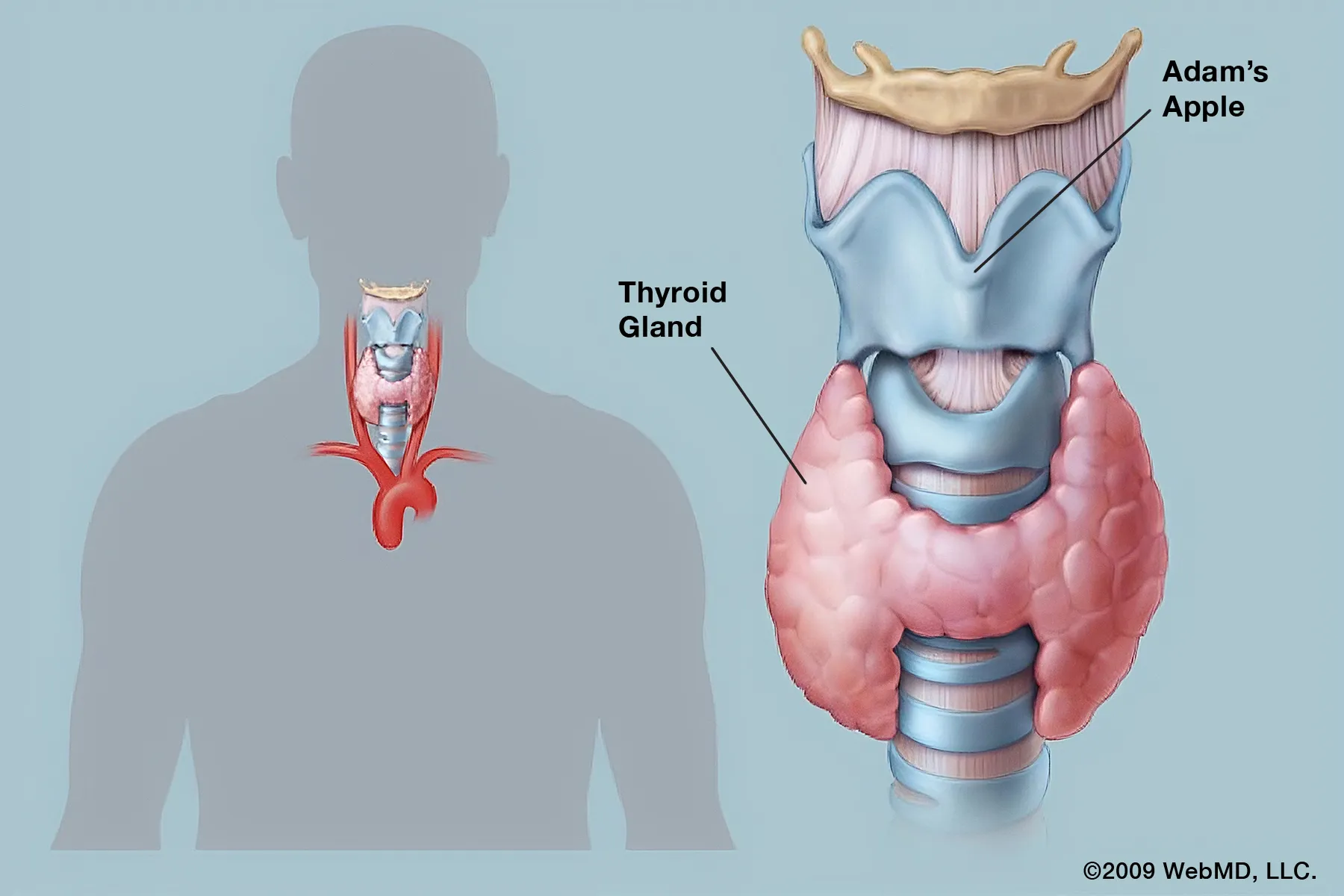
The thyroid is a small butterfly-shaped gland at the front of the neck, but do not be fooled by its cute shape. It helps regulate metabolism, energy use, body temperature, heart rate, digestion, mood, menstrual cycles, cholesterol levels, and more. When it produces too little hormone, the body may slow down. When it produces too much, the body may speed up like a laptop fan during a software update. Both situations can make everyday life feel confusing, uncomfortable, and exhausting.
This guide explains thyroid disease symptoms, causes, types, diagnosis, and treatment in clear American English. It is educational, practical, and written for real humans who have bodies, schedules, emotions, and search histories that probably include “why am I tired even after coffee?”
What Is Thyroid Disease?
Thyroid disease is a broad term for conditions that affect how the thyroid gland works. The thyroid makes hormones called thyroxine, or T4, and triiodothyronine, or T3. These hormones help control how the body uses energy. The pituitary gland in the brain releases thyroid-stimulating hormone, or TSH, which tells the thyroid how hard to work.
When this system is balanced, the body usually runs smoothly. When it is not, symptoms may appear throughout the body. That is why thyroid problems can feel like ten unrelated issues showing up at the same party. Fatigue, weight change, mood shifts, skin changes, digestive problems, and heart rhythm changes can all be part of the thyroid story.
Common Symptoms of Thyroid Disease
Thyroid symptoms vary from person to person. Some people have obvious signs, while others have mild symptoms that build slowly. Symptoms can also overlap with stress, aging, pregnancy, menopause, depression, anemia, sleep problems, and other health conditions. That is why proper testing matters.
Symptoms of Hypothyroidism
Hypothyroidism, also called an underactive thyroid, happens when the thyroid does not make enough thyroid hormone. The body’s systems may slow down. Common symptoms include:
- Fatigue or low energy
- Unexplained weight gain or difficulty losing weight
- Feeling cold when others are comfortable
- Dry skin, brittle nails, or thinning hair
- Constipation
- Depression, brain fog, or slowed thinking
- Heavy or irregular menstrual periods
- Muscle aches, joint pain, or weakness
- Slower heart rate
- Puffy face or hoarse voice
One frustrating thing about hypothyroidism is that it can look like “life is tiring.” Many people push through symptoms for months before testing. But if fatigue comes with cold intolerance, constipation, dry skin, hair changes, or menstrual changes, the thyroid deserves a seat in the investigation room.
Symptoms of Hyperthyroidism
Hyperthyroidism, also called an overactive thyroid, happens when the thyroid makes more hormone than the body needs. Instead of slowing down, the body may speed up. Common symptoms include:
- Unexplained weight loss despite normal or increased appetite
- Rapid heartbeat, palpitations, or irregular heartbeat
- Nervousness, anxiety, or irritability
- Tremors, especially in the hands
- Heat intolerance or excessive sweating
- Trouble sleeping
- Frequent bowel movements
- Muscle weakness
- Light or irregular menstrual periods
- Enlarged thyroid gland, also called goiter
Hyperthyroidism can feel like the body has had six espressos without asking permission. Some people feel wired but exhausted. Others notice their heart racing while sitting still, which is both medically important and deeply annoying.
Symptoms of Thyroid Nodules and Thyroid Cancer
Thyroid nodules are lumps or growths in the thyroid gland. Most are benign, and many cause no symptoms. However, a nodule may need evaluation if it grows, changes, or causes pressure symptoms.
Possible warning signs include:
- A lump or swelling in the front of the neck
- Trouble swallowing
- Hoarseness or voice changes
- Difficulty breathing, especially when lying down
- Persistent neck discomfort
- Swollen lymph nodes in the neck
Thyroid cancer is not the most common thyroid disorder, but it is important to detect early. A neck lump does not automatically mean cancer, but it should not be ignored. Your neck is not a storage shelf; new lumps deserve medical attention.
What Causes Thyroid Disease?
Thyroid disease can have several causes. Some are autoimmune, some are related to iodine balance, some happen after medical treatment, and some are linked to inflammation, nodules, pregnancy, or genetics.
Autoimmune Conditions
The immune system normally protects the body from harmful invaders. In autoimmune thyroid disease, it mistakenly targets the thyroid.
Hashimoto’s disease is the most common cause of hypothyroidism in the United States. It causes chronic inflammation that can gradually reduce thyroid hormone production. Graves’ disease is a major cause of hyperthyroidism. In Graves’ disease, the immune system stimulates the thyroid to make too much hormone.
Iodine Imbalance
The thyroid needs iodine to make thyroid hormones. In the United States, severe iodine deficiency is uncommon because iodized salt and iodine-containing foods are widely available. Still, too little or too much iodine may contribute to thyroid dysfunction in certain people, especially those with existing thyroid conditions.
Thyroiditis
Thyroiditis means inflammation of the thyroid gland. It may happen after pregnancy, viral illness, certain medications, radiation exposure, or autoimmune activity. Some forms cause a temporary release of stored hormone, leading to short-term hyperthyroid symptoms, followed by a hypothyroid phase. Other forms may lead to long-term hypothyroidism.
Thyroid Nodules
Some nodules produce thyroid hormone on their own. These are sometimes called toxic nodules or autonomous nodules. If they produce too much hormone, hyperthyroidism can develop. Other nodules are inactive and may simply need monitoring, ultrasound, or biopsy depending on size and appearance.
Medical Treatments and Medications
Thyroid disease may develop after thyroid surgery, radioactive iodine treatment, radiation therapy to the neck, or certain medications. Some drugs can affect thyroid hormone production, hormone conversion, or thyroid inflammation. Anyone taking medications that may affect thyroid function should follow the monitoring plan recommended by their clinician.
Pregnancy and Postpartum Changes
Pregnancy changes hormone demands, and thyroid health matters for both the pregnant person and the baby. Some people develop thyroid disease during pregnancy or after delivery. Postpartum thyroiditis can cause temporary hyperthyroid symptoms, hypothyroid symptoms, or both at different times.
Major Types of Thyroid Disease
Hypothyroidism
Hypothyroidism means the body does not have enough thyroid hormone. Hashimoto’s disease is a leading cause, but hypothyroidism may also occur after thyroid surgery, radioactive iodine therapy, radiation treatment, medication use, pituitary problems, or congenital thyroid conditions.
Untreated hypothyroidism can contribute to high cholesterol, heart problems, fertility problems, nerve issues, and severe complications in rare cases. Fortunately, it is usually treatable with thyroid hormone replacement.
Hyperthyroidism
Hyperthyroidism means the body has too much thyroid hormone. Graves’ disease is a common cause, but toxic nodules, thyroiditis, and excess iodine exposure may also play a role. Untreated hyperthyroidism can affect the heart, bones, muscles, eyes, and overall quality of life.
Because symptoms can include rapid heartbeat or irregular rhythm, hyperthyroidism should be evaluated promptly. A racing heart is not a personality trait; it is a signal.
Hashimoto’s Disease
Hashimoto’s disease is an autoimmune condition that can slowly damage the thyroid. Some people have thyroid antibodies for years before hormone levels become abnormal. Others develop hypothyroidism and need lifelong treatment.
Hashimoto’s can cause goiter, fatigue, weight gain, cold intolerance, dry skin, constipation, and mood changes. Blood tests often include TSH, free T4, and thyroid antibody testing when autoimmune disease is suspected.
Graves’ Disease
Graves’ disease is an autoimmune form of hyperthyroidism. It can cause typical overactive thyroid symptoms, but it may also affect the eyes and skin. Eye symptoms may include irritation, dryness, bulging eyes, double vision, or pressure behind the eyes.
Graves’ disease treatment may involve antithyroid medication, radioactive iodine, surgery, beta blockers for symptom control, and specialized care for eye disease when needed.
Thyroiditis
Thyroiditis is a group of inflammatory thyroid conditions. It may be painful or painless, temporary or long-term. Subacute thyroiditis can cause neck pain and tenderness. Silent thyroiditis may cause hormone swings without much pain. Postpartum thyroiditis can occur after childbirth.
Treatment depends on the type and phase. Some people need anti-inflammatory medicine, beta blockers, temporary thyroid hormone replacement, or monitoring until the thyroid recovers.
Goiter
A goiter is an enlarged thyroid gland. It can happen with hypothyroidism, hyperthyroidism, nodules, iodine imbalance, or autoimmune disease. Some goiters are small and harmless. Larger goiters may cause visible swelling, throat pressure, swallowing trouble, or breathing difficulty.
Thyroid Nodules
Thyroid nodules are common, and most are not cancerous. Evaluation may include physical exam, TSH testing, ultrasound, radioactive iodine scan, or fine-needle aspiration biopsy. Treatment may range from watchful waiting to medication, radioactive iodine, ablation, or surgery.
Thyroid Cancer
Thyroid cancer includes several types, such as papillary, follicular, medullary, and anaplastic thyroid cancer. Papillary thyroid cancer is the most common type and often has a favorable outlook when found and treated early. Treatment may include surgery, radioactive iodine therapy, thyroid hormone therapy, external radiation, targeted therapy, chemotherapy, watchful waiting, or clinical trials depending on type and stage.
How Thyroid Disease Is Diagnosed
Diagnosis usually starts with a medical history, symptom review, physical exam, and blood tests. Because thyroid symptoms can mimic many other conditions, testing is essential.
Common Thyroid Blood Tests
- TSH test: Often the first test ordered. High TSH may suggest hypothyroidism. Low TSH may suggest hyperthyroidism.
- Free T4 test: Measures the main thyroid hormone circulating in the blood.
- T3 test: Often useful when hyperthyroidism is suspected.
- Thyroid antibody tests: Help identify autoimmune thyroid disease such as Hashimoto’s disease or Graves’ disease.
Imaging and Other Tests
If a nodule, goiter, or hyperthyroidism needs further evaluation, a clinician may order thyroid ultrasound, radioactive iodine uptake scan, thyroid scan, or biopsy. Ultrasound helps describe the size and features of nodules. A fine-needle aspiration biopsy may be recommended when a nodule has suspicious features or meets size criteria.
Treatment for Thyroid Disease
Treatment depends on the specific condition, severity, age, pregnancy status, symptoms, lab results, medical history, and personal preferences. The main goal is to return thyroid hormone levels to a healthy range and reduce symptoms.
Treatment for Hypothyroidism
The standard treatment for hypothyroidism is thyroid hormone replacement, most commonly levothyroxine, a synthetic form of T4. The dose is individualized and adjusted based on symptoms, TSH levels, age, weight, pregnancy status, heart health, and other medications.
After starting or changing the dose, blood testing is usually repeated after several weeks. Once the right dose is found, many people need periodic monitoring. Some people feel better quickly; others improve gradually. Thyroid hormone is not an energy drink. It is a replacement treatment, not a turbo button.
Treatment for Hyperthyroidism
Hyperthyroidism treatment may include:
- Antithyroid medications: These reduce thyroid hormone production.
- Radioactive iodine therapy: This damages overactive thyroid cells so they make less hormone.
- Beta blockers: These do not fix hormone levels but may help control symptoms such as rapid heartbeat, tremor, and anxiety.
- Surgery: Thyroidectomy may be recommended for large goiters, suspicious nodules, medication intolerance, pregnancy-related situations, or when other treatments are not suitable.
After radioactive iodine or thyroid surgery, some people develop hypothyroidism and need lifelong hormone replacement. That may sound like trading one thyroid issue for another, but controlled hypothyroidism is often easier and safer to manage than uncontrolled hyperthyroidism.
Treatment for Thyroid Nodules
Many nodules only need monitoring. If a nodule is benign and not causing symptoms, watchful waiting with periodic ultrasound may be enough. If a nodule makes too much hormone, causes pressure, grows, or raises concern for cancer, treatment may include radioactive iodine, ablation, or surgery.
Treatment for Thyroid Cancer
Thyroid cancer treatment depends on cancer type, size, spread, risk level, and patient factors. Surgery is common. Some patients also need radioactive iodine therapy, thyroid hormone suppression therapy, external radiation, targeted medication, chemotherapy, watchful waiting, or clinical trials.
Lifestyle Tips for Supporting Thyroid Health
Lifestyle does not replace medical treatment, but it can support overall health and help people manage symptoms more effectively.
Take Medication Correctly
Levothyroxine is commonly taken on an empty stomach with water, often before breakfast. Calcium, iron, soy, fiber supplements, coffee, and some medications can interfere with absorption, so timing matters. Patients should follow their clinician’s instructions and avoid changing brands or doses without guidance.
Eat a Balanced Diet
A thyroid-friendly diet is not a magical secret menu. Most people benefit from balanced meals with protein, vegetables, fruits, whole grains, healthy fats, and adequate iodine. Selenium, zinc, vitamin D, and iron also play roles in overall endocrine health, but supplements should be used carefully. More is not always better; the thyroid is a gland, not a smoothie challenge.
Monitor Symptoms Without Obsessing
Tracking energy, sleep, weight changes, heart rate, menstrual patterns, mood, and medication timing can help identify patterns. However, daily panic-scrolling every symptom is not a treatment plan. Useful tracking is calm, consistent, and shared with a healthcare professional.
Do Not Self-Treat With Thyroid Hormones
Taking thyroid medication without a diagnosis can be dangerous. Too much thyroid hormone can cause palpitations, bone loss, anxiety, and heart rhythm problems. Supplements marketed as “thyroid boosters” may contain iodine, animal thyroid extracts, or other ingredients that can worsen thyroid disease.
When to See a Doctor
Make an appointment if you have persistent fatigue, unexplained weight change, cold or heat intolerance, hair loss, constipation, rapid heartbeat, tremors, neck swelling, hoarseness, menstrual changes, fertility problems, or mood changes that do not improve.
Seek urgent care if you have chest pain, severe shortness of breath, fainting, confusion, very rapid heartbeat, high fever with severe thyroid symptoms, or sudden swelling that affects breathing or swallowing.
Living With Thyroid Disease: Real-World Experiences and Practical Lessons
Living with thyroid disease is often less like one dramatic diagnosis day and more like slowly realizing your body has been sending emails to the wrong department. People often describe months or even years of vague symptoms before testing finally provides answers. Fatigue may be blamed on parenting, studying, shift work, stress, or simply “getting older.” Weight gain may be blamed on snacks. Weight loss may be praised before anyone asks why it is happening. Anxiety may be treated as purely emotional when the thyroid is quietly revving the engine.
One common experience with hypothyroidism is the feeling of moving through life with the brightness turned down. A person may sleep eight hours and still wake up tired. They may feel cold in a room where everyone else is comfortable. Their skin may feel dry no matter how much lotion they use. Hair may shed more than usual, and brain fog can make simple tasks feel strangely heavy. The emotional side is real too. When the body slows down, motivation and mood can take a hit. It is not laziness; it may be biology asking for evaluation.
People with hyperthyroidism often describe a different kind of frustration. Instead of feeling slow, they may feel overpowered. Their heart races, hands shake, sleep becomes difficult, and anxiety may appear out of nowhere. Some lose weight but do not feel healthy. Others feel hungry, sweaty, restless, and exhausted at the same time. That combination can make a person feel like a phone with too many apps open and the battery melting. Getting labs checked can be a turning point because it turns a confusing cluster of symptoms into something measurable.
Another real-life challenge is patience. Thyroid treatment often requires dose adjustments, follow-up blood tests, and time. Starting levothyroxine does not always create instant energy. Antithyroid medication may take weeks to calm symptoms. After surgery or radioactive iodine, the body may need careful monitoring while hormone levels settle. This waiting period can feel discouraging, especially when friends say helpful things like “just eat healthier,” which is usually when deep breathing becomes a survival skill.
Medication routines also become part of daily life. Many people learn to keep thyroid medication by the bed, take it with water, and wait before breakfast or coffee. Others use phone alarms, pill organizers, or calendar reminders. The goal is consistency, not perfection. Missed doses, brand changes, supplements, and timing mistakes can affect lab results, so honest communication with a clinician is important. Your doctor cannot troubleshoot what they do not know.
Socially, thyroid disease can be invisible. A person may look fine but feel drained, shaky, foggy, or emotionally off. That invisibility can make support harder to find. Explaining the condition simply can help: “My thyroid affects my energy and heart rate, and my medication is being adjusted.” No long lecture required. No PowerPoint unless your family really deserves one.
The most useful lesson from many thyroid journeys is this: do not dismiss persistent body changes. Track symptoms, ask for appropriate testing, follow up on abnormal labs, and take treatment seriously. Thyroid disease is common, manageable, and often very treatable, but it rewards consistency. With the right diagnosis and care plan, many people regain energy, stabilize weight, improve mood, protect heart and bone health, and feel more like themselves again.
Conclusion
Thyroid disease can affect nearly every corner of the body, from energy and mood to heart rhythm, digestion, skin, hair, weight, fertility, and temperature tolerance. The most common thyroid conditions include hypothyroidism, hyperthyroidism, Hashimoto’s disease, Graves’ disease, thyroiditis, goiter, thyroid nodules, and thyroid cancer. Although symptoms can offer clues, diagnosis depends on medical evaluation and thyroid testing.
The good news is that most thyroid disorders can be managed effectively. Treatment may involve thyroid hormone replacement, antithyroid medication, radioactive iodine, beta blockers, surgery, monitoring, or cancer-specific therapy. The best plan depends on the cause and the person. In other words, the thyroid may be tiny, but the treatment plan should not be one-size-fits-all.
Note: This article is for educational purposes only and should not replace professional medical advice, diagnosis, or treatment. Anyone with symptoms of thyroid disease should speak with a qualified healthcare provider and ask whether thyroid testing is appropriate.