Because hope should never come with a fake cure, a miracle price tag, or a website that looks like it was designed by a crystal ball with Wi-Fi.
Why Cancer Patients Need Protection From Bad Information
A cancer diagnosis can turn an ordinary Tuesday into a life-altering storm. One moment, a person is thinking about dinner plans, work emails, or whether the laundry can survive one more day in the basket. The next, they are learning new medical terms, weighing treatment choices, and trying to understand what comes next. In that vulnerable space, information matters. Good information can guide, steady, and empower. Bad information can confuse, exploit, and harm.
That is where the idea behind Skeptics for the Protection of Cancer Patients becomes so important. The phrase may sound like a club of people who attend meetings with magnifying glasses and aggressively fact-check soup labels, but the mission is serious: protect patients and families from cancer misinformation, false hope, and unproven treatments marketed as miracles.
Cancer patients do not need cynicism. They need clarity. They do not need strangers shouting “try this secret cure doctors hate” from the digital rooftops. They need evidence-based support, honest communication, and compassionate communities willing to say, “Let’s slow down and check whether this claim is real.”
What “Skeptical” Really Means in Cancer Care
In everyday conversation, “skeptic” can sound like someone who refuses to believe anything unless it arrives with a notarized certificate and a stern-looking footnote. But in health care, skepticism is not about being negative. It is about asking careful questions before making life-changing decisions.
A good skeptic asks:
- Has this treatment been tested in well-designed clinical trials?
- Is the claim supported by reliable medical organizations?
- Are the risks explained honestly?
- Is someone selling hope while hiding the price tag?
- Does this advice encourage patients to delay or reject proven treatment?
Those questions are not cold. They are protective. They are the seatbelt of medical decision-making. Nobody complains that a seatbelt is “too negative” because it does not believe in vibes. It exists because bodies are fragile, roads are unpredictable, and physics does not care how inspirational the dashboard sticker is.
The Problem: False Hope Is a Business Model
Cancer misinformation often wears a friendly costume. It may appear as a dramatic testimonial, a viral video, a supplement ad, a celebrity wellness story, or a clinic promising “natural,” “non-toxic,” or “breakthrough” results. The language is usually warm, emotional, and confident. That confidence can be persuasive, especially when a family is scared.
But false hope is not harmless. When unproven products or therapies are promoted as cancer cures, patients may spend money they cannot afford, delay treatment that could help, or feel guilty for not “believing” hard enough. That last part is especially cruel. Cancer is not a character flaw. A tumor does not shrink because someone bought the correct smoothie powder or maintained a perfect attitude while listening to whale music.
The danger is not limited to obviously bizarre claims. Some misleading cancer content mixes truth with nonsense. For example, it may correctly say that nutrition, sleep, stress reduction, and exercise can support overall health. Then it leaps across the Grand Canyon of evidence and claims those habits can replace oncology treatment. That leap is where harm begins.
Complementary vs. Alternative: The Difference Matters
One of the most important distinctions in cancer care is the difference between complementary medicine and alternative medicine.
Complementary Care Works Alongside Standard Treatment
Complementary approaches are used with standard medical treatment. Examples may include meditation for stress, gentle yoga for flexibility, acupuncture for certain symptoms, music therapy for anxiety, or massage for comfort when approved by the care team. These practices are not presented as cancer cures. Their role is supportive.
In other words, complementary care is like bringing a pillow on a long flight. It can make the journey more bearable, but it is not flying the airplane.
Alternative Care Replaces Standard Treatment
Alternative medicine is different. It is used instead of standard treatment such as surgery, chemotherapy, radiation therapy, immunotherapy, targeted therapy, or hormone therapy when those treatments are medically recommended. This is where risk increases sharply.
Many respected medical organizations warn that replacing evidence-based cancer treatment with unproven alternatives can lead to worse outcomes. The issue is not whether patients should have comfort, dignity, or choices. They absolutely should. The issue is whether they are being given honest information about what is known, what is unknown, and what is simply being sold.
Why the Internet Is a Perfect Playground for Cancer Myths
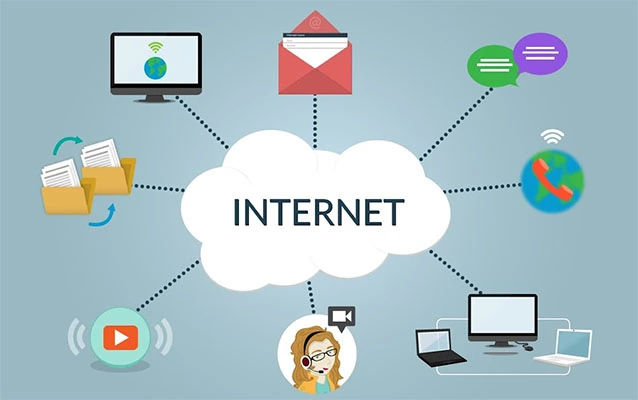
The internet is wonderful for many things: learning recipes, finding maps, watching dogs misunderstand mirrors, and discovering that someone has built a tiny house entirely out of recycled windows. But when it comes to cancer treatment, the internet can be a carnival with no safety inspector.
Social media rewards emotion, speed, and shareability. A dramatic claim like “Doctors don’t want you to know this cure!” spreads faster than a careful explanation of clinical trial design. The truth often arrives wearing sensible shoes. Misinformation arrives on a motorcycle with flames painted on the side.
Cancer patients and caregivers may search online late at night, when fear is loud and sleep has packed its bags. They may find forums, videos, ads, and personal stories that sound convincing. Some stories are sincere but incomplete. Others are marketing in disguise. A testimonial may leave out surgery, radiation, medication, tumor type, staging, or follow-up care. Without those details, a “miracle recovery” becomes a fog machine, not evidence.
The Burzynski Case and the Rise of Patient-Protection Activism
Skeptics for the Protection of Cancer Patients became associated with public criticism of controversial cancer claims, including those surrounding the Burzynski Clinic and antineoplaston therapy. For years, skeptics, physicians, scientists, and consumer advocates raised concerns about unproven treatment claims, regulatory issues, patient costs, and the emotional burden placed on desperate families.
The broader lesson is not about one clinic alone. It is about a repeating pattern: a treatment is promoted as revolutionary, critics are painted as villains, evidence remains weak or incomplete, and patients are asked to take enormous risks. The story becomes emotionally charged because people want hope. Of course they do. Hope is human. But hope without evidence can become a trap with inspirational wallpaper.
Patient-protection activism matters because it gives families a counterweight. It says, “You are allowed to ask questions. You are allowed to demand data. You are allowed to be hopeful without handing your trust to anyone with a dramatic sales pitch.”
How Readers Can Help Protect Cancer Patients
You do not need a medical degree to help reduce cancer misinformation. You do need humility, patience, and the courage to be the person in the group chat who says, “Let’s verify this before we forward it to Aunt Linda.”
1. Share Reliable Cancer Information
When someone is newly diagnosed, send them to trusted sources such as major cancer centers, government health agencies, oncology societies, and nonprofit cancer organizations. Reliable sources explain benefits and risks without promising instant miracles. They also encourage patients to talk with their oncology team.
2. Be Careful With Testimonials
Personal stories can be meaningful, but they are not the same as medical evidence. A single story cannot prove that a treatment works. It may be missing key facts, including the person’s diagnosis, stage, standard treatments, genetics, imaging results, or timeline. Treat testimonials as stories, not instructions.
3. Watch for Red-Flag Language
Be cautious when a product or practitioner claims to “cure all cancers,” “detox tumors,” “boost immunity to eliminate cancer,” or “work better than chemotherapy” without strong clinical evidence. Be especially wary when the pitch suggests that doctors, hospitals, or regulators are hiding the truth. Real medicine is imperfect, but conspiracy language is often used to silence reasonable questions.
4. Encourage Patients to Tell Their Doctors About Supplements
Many patients use vitamins, herbs, or supplements during treatment. Some may be safe in certain situations, while others can interfere with medications, surgery, bleeding risk, or treatment effectiveness. The safest move is not secrecy. It is open communication with the care team.
5. Support Evidence-Based Charities and Patient Resources
Donations, volunteer work, and awareness campaigns can make a real difference when they support transparent, reputable organizations. Helping patients access transportation, meals, counseling, lodging, financial guidance, or credible educational materials is often far more useful than chasing the latest miracle claim.
What Compassionate Skepticism Looks Like
Nobody wants to be the person who crushes hope. That is why tone matters. If a friend shares a questionable cancer cure, responding with “That is nonsense” may shut down the conversation. A better response might be:
“I understand why this sounds promising. I would want every possible option too. Before spending money or changing treatment, could we check this with your oncologist or compare it with information from a major cancer center?”
That sentence protects the relationship and the patient. It does not mock fear. It redirects fear toward safety.
Compassionate skepticism does not say, “You are foolish for believing this.” It says, “You deserve better than a claim that has not earned your trust.”
Why “Natural” Does Not Always Mean Safe
One of the most common marketing tricks in cancer misinformation is the word “natural.” It sounds gentle. It sounds pure. It sounds like something sold in a glass jar beside a handwritten sign and a suspiciously calm fern.
But natural substances can still be powerful, unpredictable, or risky. Poison ivy is natural. Arsenic is natural. A bear is natural, and yet most people do not invite one into the kitchen for wellness coaching.
In cancer care, the issue is not whether something comes from a plant, mineral, or laboratory. The issue is whether it has been studied, whether it is safe for that patient, whether it interacts with treatment, and whether it is being used as support or as a substitute for proven care.
The Emotional Side: Why Smart People Fall for Bad Cancer Claims
Believing questionable cancer information is not a sign of low intelligence. It is often a sign of fear, love, exhaustion, or desperation. Families want to save the people they love. Patients want control in a situation that feels wildly unfair. When someone offers certainty, it can feel like a lifeline.
That is why shame is the wrong tool. Education works better. So does empathy. A person who feels judged may retreat deeper into misinformation communities. A person who feels respected may be more willing to review evidence, ask better questions, and involve qualified clinicians.
The goal is not to win an argument. The goal is to keep the patient safe.
A Practical Checklist Before Trusting a Cancer Claim
Before believing or sharing any cancer-related claim, run it through this simple checklist:
- Source: Who is making the claim, and what are their credentials?
- Evidence: Is there strong clinical research, or only testimonials?
- Specificity: Does it claim to treat many unrelated cancers with one method?
- Risk: Are side effects and limitations clearly explained?
- Money: Is the claim tied to expensive products, subscriptions, or clinic fees?
- Delay: Does it encourage stopping or postponing standard treatment?
- Transparency: Can an oncologist review the evidence and discuss it openly?
If a claim fails several of these tests, it deserves caution. If it fails all of them, back away slowly, preferably while holding onto your wallet.
Experiences Related to Protecting Cancer Patients From Misinformation
Many people who have spent time around cancer patients recognize the same pattern. The diagnosis arrives first. Then comes the flood. A cousin sends a video. A neighbor recommends a supplement. A social media post claims that hospitals hide cures. Someone says chemotherapy is “poison” without explaining that many effective medicines are powerful because cancer is powerful too. Suddenly, the patient is not only dealing with appointments and scans but also managing a crowd of amateur oncologists armed with search engines.
One common experience is the late-night research spiral. A caregiver starts with a reasonable question: “What foods help during treatment?” Two hours later, they are reading about secret protocols, detox regimens, and miracle testimonials from people whose medical histories are impossible to verify. The emotional pull is enormous. When someone you love is sick, even a tiny chance can look like a doorway. But not every doorway leads somewhere safe. Some lead to empty promises and drained savings.
Another familiar experience is the awkward family conversation. A patient may already be overwhelmed, while relatives argue over what should be done. One person trusts the oncologist. Another distrusts hospitals. Someone else has printed forty pages from a website that uses the word “quantum” with reckless enthusiasm. In those moments, a calm, skeptical voice can help. Not a rude voice. Not a superior voice. A steady voice that says, “Let’s bring this to the medical team and ask what evidence exists.”
Patients also describe the emotional burden of being told they must stay positive at all times. Positivity can be comforting, but forced positivity can become another job. People with cancer are allowed to be scared, annoyed, tired, hopeful, skeptical, funny, angry, and boredsometimes before breakfast. Protecting patients means protecting their emotional reality too. They should not have to pretend that every smoothie tastes like optimism or that every scan day feels like a motivational poster.
Care teams often appreciate when patients ask questions early instead of hiding outside therapies. A patient may think, “It is just an herb,” or “It is only a supplement,” but the oncology team needs the full picture. Some products may affect bleeding, anesthesia, drug metabolism, or treatment response. Good clinicians are not there to scold. They are there to help patients make safer choices.
The most encouraging experience is seeing what happens when communities choose evidence over panic. Friends organize rides to treatment. Relatives help with meals. Online groups share reputable resources. Patients feel less alone. Skepticism, when practiced with kindness, becomes an act of care. It says: “Your life is too important for guesswork. Your hope deserves facts. Your treatment decisions deserve more than a sales pitch.”
Conclusion: Cancer Patients Deserve Hope With Evidence
The message behind The Skeptics for the Protection of Cancer Patients need your help is still urgent: cancer patients deserve protection from misinformation, exploitation, and fake cures dressed up as bravery. They deserve compassion without manipulation, choices without deception, and hope without a hidden invoice.
Helping does not require a lab coat. It requires sharing credible information, questioning suspicious claims, supporting evidence-based care, and speaking with kindness when fear makes people vulnerable. In a world where misinformation moves fast, patient protection must move with both speed and heart.
Skepticism is not the enemy of hope. It is how we keep hope honest.