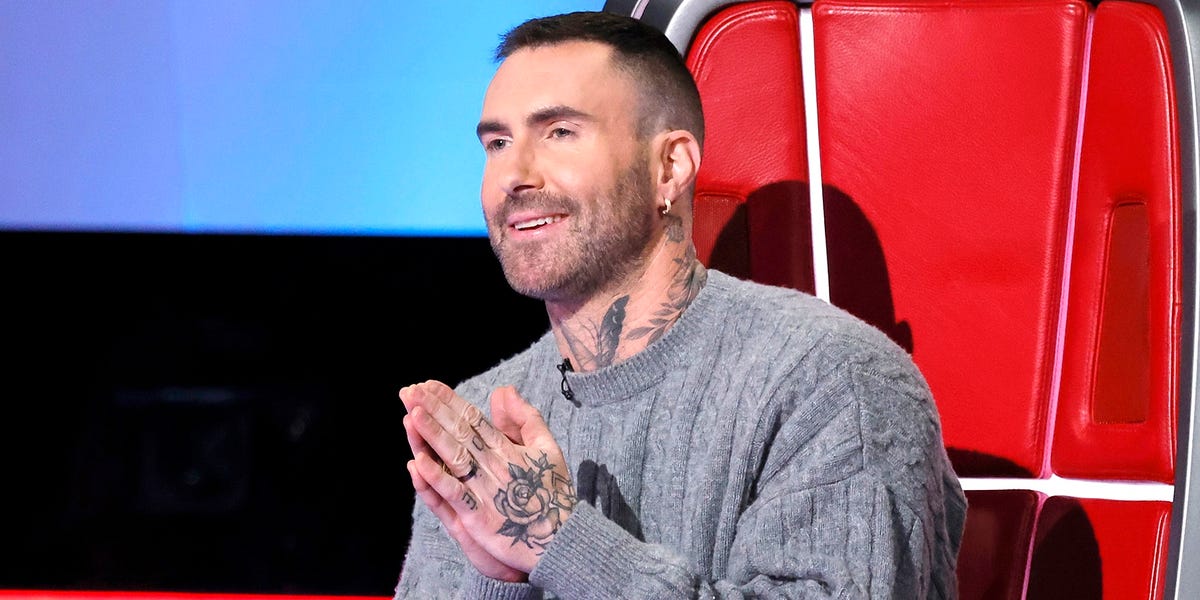
Adam Levine leaving The Voice again? For longtime fans, that headline may feel like musical déjà vu with a swivel chair. The Maroon 5 frontman helped define the early personality of NBC’s hit singing competition, then stepped away in 2019, came back for Season 27, and once again sat out Season 28. Naturally, viewers wanted one big answer: what happened this time?
The simple answer is not nearly as dramatic as internet speculation might hope. Based on public information, Adam Levine’s Season 28 absence appears to be mostly about scheduling, music, and prioritiesnot a scandal, feud, firing, or dramatic backstage breakup with the red chair. The timing lined up with Maroon 5’s return to album mode, new singles, and a fall tour. In other words, Levine did not vanish into a cloud of reality-TV smoke. He went back to his first job: being the frontman of one of the biggest pop bands of the 2000s and 2010s.
Still, the story is interesting because Levine’s relationship with The Voice has always been bigger than a normal celebrity job. He was not just “a coach.” He was one of the show’s original faces, one half of the famous Blake Shelton rivalry, and a coach whose competitive smirk practically deserved its own NBC parking space.
Adam Levine’s History With The Voice
Adam Levine joined The Voice when the show premiered in 2011. At the time, the format felt fresh: blind auditions, spinning chairs, celebrity coaches, and hopeful singers trying to win over ears before looks. Levine quickly became one of the show’s central personalities. He was sharp, funny, competitive, and sometimes just smug enough to make great television.
During his original run, Levine coached for 16 straight seasons. His team produced major winners, including Javier Colon in Season 1, Tessanne Chin in Season 5, and Jordan Smith in Season 9. His dynamic with Blake Shelton became one of the show’s signature ingredients. Their friendly rivalry helped make The Voice feel less like a formal talent contest and more like a weekly family argument with better lighting.
When Levine left in 2019, it felt like the end of an era. He later explained that after years of nonstop television, music, and public attention, he wanted more time with his family and more space to make music. That explanation mattered because it showed his departure was not simply about ratings or contracts. It was about burnout, balance, and life outside the studio.
Why Adam Levine Returned for Season 27
Levine’s comeback for Season 27 in 2025 surprised and delighted many fans. After several years away, he returned to the red chair with the energy of someone who had missed the competition but needed the break. His return also reminded viewers how much his presence shaped the original tone of the show.
The timing made sense. He had taken years away from the weekly grind of filming, mentoring, rehearsing, and promoting. He had spent more time with his family and reconnected with music outside the show’s structure. When he returned, it felt less like a permanent reset and more like a carefully chosen comeback.
That distinction is important. A coach can return for one season without promising to stay forever. Reality competition shows rotate coaches all the time. On The Voice, that rotation is practically part of the format. The chairs spin, the singers change, and the celebrity panel gets refreshed to keep the show from feeling like a very expensive karaoke committee meeting.
The Real Reason Adam Levine Sat Out Season 28
The most likely reason Adam Levine left The Voice ahead of Season 28 is straightforward: Maroon 5 had a major music cycle to promote. The band released new music in 2025, including material connected to the album Love Is Like, and announced a fall tour. Season 28 aired in the fall of 2025, which created an obvious scheduling conflict.
Coaching on The Voice is not a casual side gig. It involves blind auditions, battle rounds, rehearsals, production days, live shows, promotional appearances, and constant availability. A major tour requires the same thing: rehearsals, travel, press, performances, and physical stamina. Trying to do both at full speed would be like trying to sing “She Will Be Loved” while sprinting through airport security with three suitcases and a latte.
So the real reason is likely not “Adam Levine quit because he hated the show.” It is more accurate to say he sat out Season 28 because his music career needed him. Maroon 5 is not a side project. It is the foundation of his career, and when a band launches an album and tour, the frontman usually cannot spend every week in a television studio pretending his calendar is made of elastic.
Was Adam Levine Fired From The Voice?
There is no credible public evidence that Adam Levine was fired from The Voice before Season 28. In fact, later developments strongly suggest the opposite. Levine returned again for Season 29 and confirmed he would be back for Season 30. That makes the “fired” theory look weaker than a contestant who forgets the lyrics during the first verse.
Television audiences often read every cast change as a crisis. If a coach leaves, fans ask whether there was drama. If a coach returns, fans ask who they replaced. If a coach changes their hairstyle, someone on the internet will probably call it a clue. But in this case, the public pattern points to scheduling and career balance, not a messy exit.
Season 28 simply moved forward with a different lineup: Michael Bublé, Reba McEntire, Niall Horan, and Snoop Dogg. That panel gave the season a mix of pop, country, hip-hop, soul, and charming chaos. The show did what The Voice has always done: it refreshed the chemistry while keeping the format familiar.
Why Season 28 Could Work Without Adam Levine
Adam Levine is a major part of The Voice history, but the show has survived many departures. Blake Shelton eventually left. Kelly Clarkson has rotated in and out. Gwen Stefani, John Legend, Alicia Keys, Pharrell Williams, Ariana Grande, Camila Cabello, Chance the Rapper, and other stars have all helped shape different eras of the series.
That is one reason The Voice has lasted so long. The show is not built around one permanent judge. It is built around the idea that different artists bring different coaching styles. Reba McEntire brings warmth and country authority. Niall Horan brings pop experience and a fan-friendly sense of humor. Snoop Dogg brings cultural reach, calm charisma, and unexpected mentor energy. Michael Bublé brings classic showmanship and technical polish.
Without Levine, Season 28 still had star power. It simply had a different flavor. Think of it less as losing the hot sauce and more as changing the recipe. The meal is still dinner. It just may not make the same jokes at Blake Shelton’s expense.
Why Fans Still Care So Much About Adam Levine
The reason Adam Levine’s absence became a headline is simple: nostalgia. For many viewers, Levine represents the original identity of The Voice. He was there when the show was new, when the format still felt risky, and when the coach banter became as entertaining as the performances.
Fans also remember the tension and humor he brought to the show. He could be persuasive during blind auditions, emotional during contestant breakthroughs, and intensely competitive when another coach landed a singer he wanted. Whether viewers loved him or found him a little too cocky, they rarely found him boring.
That is valuable on television. Talent shows need talent, of course, but they also need personality. A technically brilliant coach who says nothing interesting is not going to carry a two-hour broadcast. Levine understood the entertainment part of the job. He could mentor, joke, argue, and create a moment.
Maroon 5 Comes First
At the center of this whole story is Maroon 5. Before Levine was a reality TV coach, he was the lead singer of a band that became a pop-radio machine. From Songs About Jane to massive hits like “Moves Like Jagger,” “Sugar,” “Girls Like You,” and “Memories,” Maroon 5 built a catalog that made Levine globally recognizable long before he sat in a red chair.
That matters because The Voice was never his only career. It was a major chapter, but not the whole book. When the band enters a new album cycle, it makes sense that Levine would prioritize recording, rehearsing, touring, and promoting new music. Fans may miss him on Monday nights, but Maroon 5 fans expect him onstage.
There is also a creative reason to step away sometimes. Coaching other singers can be fulfilling, but artists also need time to make their own work. If Levine had stayed glued to The Voice every season forever, fans might eventually ask why he was coaching more than creating. His Season 28 absence answered that question before it became criticism.
Did Adam Levine Leave The Voice for Good?
No. That is the key point. Adam Levine sitting out Season 28 did not mean he left The Voice forever. He returned for Season 29, and his later confirmation for Season 30 showed that his relationship with the show remained active. Season 28 was more of a pause than a permanent goodbye.
This is why the word “leaving” can be misleading. In entertainment headlines, “leaving” often sounds final, like someone stormed out of a building while dramatic music played. In reality TV scheduling, it can simply mean a celebrity is not part of one season’s panel. Levine’s case fits the second category much better.
For viewers, the better question is not “Why did Adam Levine abandon The Voice?” It is “How does Adam Levine balance The Voice, Maroon 5, and family life?” That answer has been consistent for years: he returns when the timing feels right and steps away when music or personal priorities need the space.
What His Exit Says About The Voice as a Brand
Adam Levine’s Season 28 absence also says something about the strength of The Voice. The show is built to survive change. Rotating coaches create fresh dynamics, bring in different fan bases, and help each season feel slightly new. A country legend, a pop crooner, a rapper, and a former boy-band star can sit together and suddenly the show has a new rhythm.
That flexibility is a major advantage. Some reality shows struggle when a key personality leaves. The Voice has turned departures into part of its identity. The format gives viewers enough familiarity to keep watching while allowing producers to refresh the cast whenever necessary.
Levine’s absence may have disappointed fans, but it did not break the show. If anything, it reminded audiences that the coach lineup is part of the suspense. Who is coming back? Who is taking a break? Who will surprise everyone? The chairs are not the only things that turn.
Audience Experience: Why Adam Levine Leaving Season 28 Felt Bigger Than It Was
For fans who watched The Voice from the beginning, Adam Levine leaving again before Season 28 probably felt oddly personal. That is one of the strange things about long-running TV shows. Viewers do not actually know the celebrities on the panel, but after years of watching them laugh, argue, celebrate, and occasionally make questionable wardrobe choices, they start to feel familiar.
Levine’s original era had a specific energy. The blind auditions felt like a weekly sporting event, and his rivalry with Blake Shelton gave the show a sitcom-like rhythm. One would tease, the other would fire back, and somewhere in between, a nervous singer would try to decide which superstar should guide their career. It was ridiculous, dramatic, and effective.
When Levine returned for Season 27, many viewers likely felt that old spark come back. Even if the show had changed, his presence connected the newer version of The Voice to its early seasons. That made his Season 28 absence feel more noticeable. It was not just about one missing coach. It was about the emotional memory attached to him.
From a viewer’s perspective, celebrity coach rotations can be both exciting and frustrating. Fresh coaches bring new jokes, new strategies, and new musical backgrounds. But when a familiar face leaves, the chemistry changes. Fans have to adjust to a new panel, new alliances, and new styles of persuasion. It is like walking into your favorite coffee shop and discovering they moved the counter. The coffee may still be good, but your routine needs a minute to recover.
Levine’s Season 28 break also highlighted the difference between fan expectations and celebrity reality. Fans often want their favorite stars to be available forever. But artists have albums, tours, families, contracts, health needs, and creative goals. The schedule that gives viewers comfort might be exhausting for the person living it. When Levine chose music commitments over another immediate season, it reflected a normal career decision, not a betrayal.
In many ways, that makes his story more relatable. Most people know what it feels like to choose between professional opportunities. You cannot attend every event, accept every project, or say yes to every request without eventually becoming a very tired human with excellent email anxiety. Levine’s version just happens to involve a hit TV show, an arena tour, and millions of people asking where he went.
The good news for fans is that his Season 28 absence was not the closing chapter. His return afterward proved that the door remained open. That makes the experience easier to understand: Adam Levine did not leave The Voice because the magic was gone. He stepped away because timing matters. And when the timing worked again, he came back.
Conclusion: The Real Reason Is Timing, Not Drama
The real reason Adam Levine left The Voice Season 28 appears to be far less scandalous than the rumor mill might prefer. He had major Maroon 5 commitments, including new music and touring, and his public comments over the years show that family, music, and personal balance matter deeply to him. Season 28 was not a dramatic breakup. It was a scheduling and priority decision.
That may not be as spicy as a secret feud, but it is more believable. Levine has always been both a television personality and a working musician. Sometimes the red chair gets him. Sometimes the stage does. For Season 28, the stage won.
And since Levine returned afterward, fans can relax. The chair was not retired. It was just waiting for him to spin back around.