Note: Product formulas, regional availability, and lawn-growing conditions can change. Use this guide as a practical starting point, then confirm the seed label, your local climate zone, and your yard’s actual sunlight before buying.
A shady lawn has a special talent for humbling confident homeowners. You spread seed, water faithfully, stare at the ground like it owes you money, and somehow end up with a patch of moss, a few brave weeds, and one suspiciously cheerful mushroom.
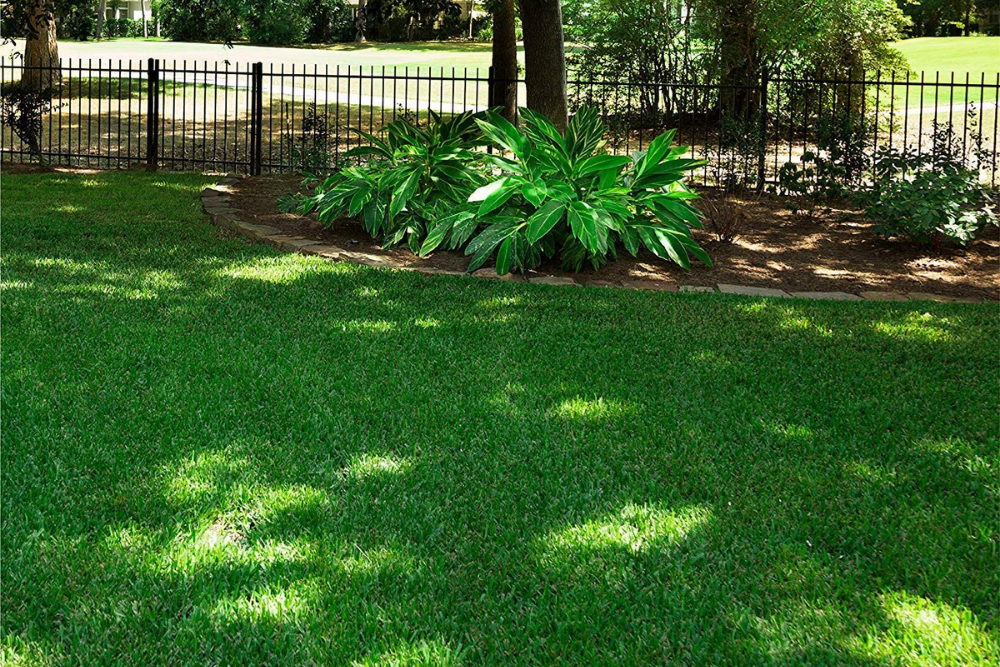
The problem is not always bad seed. Grass under trees and along the north side of a home faces a triple challenge: less light, more moisture, and competition from tree roots for water and nutrients. The best grass seed for shade must be chosen for the specific kind of shade in your yard, whether that means dappled afternoon light, a fence-shadowed side lawn, or the gloomy kingdom beneath an old maple tree.
Bob Vila’s shade-grass picks offer useful options for several common lawn problems, from bare spots to moderate shade and heavy-use areas. The secret, however, is matching the seed blend to the site instead of expecting one bag to solve every lawn mystery ever invented.
Quick Look: Bob Vila’s Grass Seed Picks for Shade
Bob Vila’s published roundup included seed products designed for different degrees of shade, traffic, moisture needs, and repair jobs. Rather than treating every recommendation as interchangeable, think of these products as tools in a lawn-care toolbox.
- Best Overall: Scotts Turf Builder Grass Seed Sun & Shade Mix for yards that move between sunny and lightly shaded areas.
- Best Budget Pick: Pennington Smart Seed Dense Shade Grass Mix for lower-light spaces that still receive some filtered sun.
- Best for Dense Shade: Scotts Turf Builder Grass Seed Dense Shade Mix for areas with limited daily sunlight.
- Best for Light Shade: Scotts Turf Builder Kentucky Bluegrass Mix for lawns that receive plenty of sun but have a few shaded edges.
- Best Drought-Resistant Option: WaterSaver Grass Mixture with Turf-Type Tall Fescue for moderate shade and dry conditions.
- Most Disease-Resistant Pick: Jonathan Green Black Beauty Dense Shade Grass Seed for cooler, lower-light lawns where disease has been a recurring headache.
- Best for Repairs: Scotts EZ Seed Patch & Repair Sun and Shade for bare spots, utility-trench repairs, and smaller damaged areas.
- Fast Establishment Pick: Scotts Turf Builder Rapid Grass Sun & Shade Mix for homeowners who want quicker early coverage.
- Best for High Traffic: GreenView Fairway Formula Grass Seed for moderately shaded areas that also see plenty of footsteps.
- Also Consider: Pennington One Step Complete Dense Shade Bare Spot for small, difficult-to-seed patches.
These options make sense only when the lawn receives at least some usable light. A bag labeled “dense shade” does not mean “will thrive in total darkness beneath a tree, beside a shed, and under three layers of patio furniture.” Grass still needs light to produce energy. When a location stays deeply shaded all day, mulch, moss, groundcovers, ferns, or other shade-adapted plants may be the smarter long-term answer.
Why Shade Makes Grass So Difficult to Grow
Grass is a sun-loving plant by nature. Most traditional lawn grasses perform best with several hours of direct sunlight each day. Shade reduces photosynthesis, which means slower growth, weaker roots, thinner turf, and fewer reserves to bounce back after heat, foot traffic, mowing, drought, or a dog’s enthusiastic patrol route.
Trees create more than shade. Their roots compete with grass for moisture and nutrients, especially in dry weather. Dense branches can also reduce airflow, keeping leaves wet longer after rain or morning dew. That extra moisture can encourage fungal problems, while fallen leaves can block precious light when they pile up.
This is why a grass seed choice should never be based on the package photo alone. Every bag shows an unrealistically perfect lawn, usually photographed in conditions that would make a botanical garden blush. Your lawn deserves a more realistic plan.
Understanding the Best Types of Grass Seed for Shade
Fine Fescue: The Shade Champion
Fine fescue is usually the best starting point for cool-season shady lawns. This group includes creeping red fescue, Chewings fescue, hard fescue, sheep fescue, and slender creeping red fescue. These grasses have narrow blades, relatively low maintenance needs, and stronger shade tolerance than Kentucky bluegrass.
Fine fescues work especially well in dry shade, such as beneath mature trees where roots pull moisture from the soil. Creeping red and Chewings fescue are popular in shade blends because they handle tree-filtered light well. Hard fescue is often valued for drought tolerance and lower-input lawns.
The trade-off is durability. Fine fescue is not the best choice for a heavily used play area, a dog racetrack, or the shortcut everyone takes from the driveway to the back door. It prefers a quieter life. Think less “weekend soccer field” and more “peaceful side yard where nobody goes except the mail carrier’s shadow.”
Turf-Type Tall Fescue: Better for Moderate Shade and Activity
Turf-type tall fescue is a practical option for lawns that receive moderate shade but also need more durability. It has deeper roots than many cool-season grasses, handles drought reasonably well, and tolerates foot traffic better than fine fescue.
Look specifically for turf-type tall fescue, not old forage-style tall fescue such as Kentucky 31. Modern turf-type varieties are generally denser, finer-textured, and more suitable for home lawns. Tall fescue is often a good choice for transition-zone climates, where summers can be hot enough to stress bluegrass but winters are too cold for many warm-season grasses.
It does have limits. Tall fescue generally needs more light than fine fescue and may struggle in truly dense shade. It also grows in bunches, so bare areas may need periodic overseeding instead of naturally knitting themselves together.
Kentucky Bluegrass: Best for Light Shade Only
Kentucky bluegrass is beloved for its rich color, soft texture, and ability to spread through underground rhizomes. It can recover from wear better than many fine-leaf grasses, but it is not the hero of deep shade. Bluegrass works best in lawns with mostly sun and only light, temporary, or intermittent shade.
A bluegrass blend can make sense when your front yard gets six or more hours of sunlight but the edges near shrubs, fences, or a small ornamental tree receive less. It is less suitable for a yard dominated by large mature trees.
Perennial Ryegrass: The Fast Starter, Not the Shade King
Perennial ryegrass germinates quickly and is often included in sun-and-shade mixes to help a lawn establish faster. It can be useful when you need early coverage, but it is typically less shade-tolerant than fine fescue. In the right mix, it can play a supporting role. On its own, it is not usually the best long-term answer for a deeply shaded lawn.
How to Choose Shade Grass Seed by Sunlight Level
Light Shade: About 6 Hours of Sun or Filtered Light
For lawns that receive several hours of direct sunlight or broad, dappled light through open tree branches, a sun-and-shade mix can work well. These blends often combine bluegrass, ryegrass, and fescue so different grasses can perform in different microclimates across the yard.
This is where a product such as Scotts Turf Builder Sun & Shade Mix or a Kentucky bluegrass blend may make sense. The goal is visual continuity between sunny turf and slightly shaded edges.
Moderate Shade: About 4 to 6 Hours of Light
Moderate shade is the territory where turf-type tall fescue and fine fescue blends become more useful. A tall fescue-heavy blend can work if the lawn gets morning sun, filtered midday light, or several hours of direct sun before shade settles in.
For a yard with dry soil, warm summers, and regular foot traffic, a turf-type tall fescue option may be the most balanced choice. For a lower-traffic area with more tree canopy, choose a blend with a larger percentage of fine fescue.
Dense Shade: About 2 to 4 Hours of Light
Dense shade calls for realistic expectations and a fine-fescue-heavy seed mix. Bob Vila’s dense-shade picks, including Pennington Smart Seed Dense Shade and Scotts Turf Builder Dense Shade, are intended for these difficult areas.
Before seeding, take a full-day sunlight inventory. Check the area every hour or two. If you discover it gets almost no direct or filtered light, grass may germinate but decline later. That is not a seed failure; it is simply the lawn trying to work a night shift without electricity.
How to Plant Grass Seed in Shady Areas
Even the best grass seed for shade needs good preparation. Skip this step and you may be creating an expensive bird buffet rather than a lawn.
1. Test the Site Before You Seed
Watch how sunlight moves across the yard. Note whether the shade comes from a building, a fence, evergreen trees, deciduous trees, or dense shrubs. Building shade can be cooler and more predictable. Tree shade often brings root competition, leaf litter, and changing light patterns throughout the year.
2. Remove Leaves, Thatch, and Weeds
Rake away accumulated leaves, sticks, dead grass, and loose thatch so seeds can touch the soil. Grass seed does not need to be buried deeply, but it absolutely needs seed-to-soil contact. A seed sitting on a mat of leaves has roughly the same chance of success as a houseplant sitting in a shipping box.
3. Loosen the Soil Carefully
Scratch the soil surface with a rake or garden cultivator. Under trees, be gentle. Do not aggressively dig through roots or pile heavy soil on top of them. Tree roots are not thrilled when a lawn renovation turns into a surprise excavation project.
4. Seed at the Recommended Rate
Follow the package directions for new lawns or overseeding. More seed is not automatically better. Overseeding too heavily can create crowded seedlings that compete for limited water, light, and nutrients. Use a broadcast spreader for larger areas and hand-seed small repair patches.
5. Keep the Seedbed Consistently Moist
During germination, keep the top layer of soil lightly moist. Short, gentle watering sessions are usually more effective than one heavy soaking that washes seed into a gutter, flower bed, or mysterious clump beside the patio. Once seedlings establish roots, reduce frequency and water more deeply when needed.
6. Seed at the Right Time
For most cool-season lawns, late summer through early fall is the best seeding window. Warm soil helps germination, cooler air reduces stress, and many summer weeds are less aggressive than they are in spring. Spring seeding can work, especially for repairs, but it often has to compete with fast-growing weeds and incoming summer heat.
How to Maintain a Shady Lawn After It Grows
A shade lawn needs gentler care than a sunny lawn. The goal is not to force it into golf-course perfection. The goal is to keep it healthy enough to stay dense, green, and useful.
Mow Higher
Keep shade grass taller than you would in full sun, generally around 3 to 3.5 inches for many cool-season lawns. Taller blades create more leaf area, helping the grass collect limited light. Scalping a shady lawn is one of the fastest ways to turn it into a weed invitation.
Fertilize Modestly
Shaded turf usually needs less fertilizer than sunny turf. Too much nitrogen can encourage weak, lush growth and increase disease pressure. A soil test is the most reliable way to decide whether your lawn needs nutrients, lime, or simply a better relationship with the rake.
Improve Airflow Without Over-Pruning Trees
Selective pruning can allow more filtered light and airflow to reach the lawn. However, do not remove large portions of a mature tree canopy just to save grass. Trees provide cooling, wildlife habitat, stormwater benefits, and serious curb appeal. In many yards, the tree is the VIP; the grass is supporting cast.
Overseed Thin Areas Each Fall
Shade lawns often thin over time, especially as trees mature. Annual fall overseeding with an appropriate fine fescue or tall fescue blend can help maintain density. This is normal maintenance, not an admission of defeat.
Practical Experiences From Shady-Lawn Projects
One of the most common experiences with shade grass is the “looks great for six weeks, then slowly disappears” problem. Homeowners often assume the seed was poor quality because it germinated beautifully and then faded away. In reality, germination is only the first test. A seedling can sprout using stored energy inside the seed, but it needs adequate sunlight, moisture, and root space to survive long-term.
A typical example is the lawn beneath a mature maple tree. In early spring, the area may receive enough sunlight before leaves fully emerge. Fresh seed germinates, the grass looks promising, and everyone feels victorious. By midsummer, the tree canopy becomes dense, the roots absorb moisture quickly, and the lawn begins thinning. The solution is usually not more fertilizer. It is often a better seed blend, higher mowing, modest irrigation, annual overseeding, or a decision to convert the most difficult area into mulch or shade plantings.
Another common scenario involves the north side of a house. Unlike tree shade, this area may not have root competition, but it can stay cooler and damp longer after rain. Fine fescue can work well there, especially when the soil drains properly and the area receives some reflected or filtered light. However, homeowners often make the mistake of watering as frequently as they would in a sunny lawn. That can keep the grass overly wet and invite disease. In shade, watering should be thoughtful rather than automatic.
High-traffic shaded lawns create another challenge. A narrow pathway between a driveway and backyard may receive limited sun, regular foot traffic, and occasional pet use. Fine fescue may look beautiful there at first but can wear down quickly. Turf-type tall fescue is often more practical in these spaces because it offers stronger wear tolerance. Still, even tall fescue has limits. When every family member, delivery driver, dog, and recycling bin follows the same route, a stepping-stone path or mulch walkway may solve the problem more effectively than repeated seeding.
Many homeowners also learn that “sun and shade” mixes are excellent for mixed yards but not necessarily for the darkest corner. These blends are designed to create a balanced lawn across varying conditions. They may include bluegrass for sunny spaces, ryegrass for quick establishment, and fescue for shade tolerance. That versatility is useful in a lawn with scattered trees. But under a dense evergreen canopy, a mix with a high percentage of fine fescue is usually more logical.
One of the best lessons from shaded-lawn projects is that appearance improves when expectations become more flexible. A shade lawn does not need to look identical to a sunny lawn. It may have a softer texture, slightly lighter color, a taller mowing height, and a more natural look. That is not failure. It is the landscape responding honestly to its conditions.
The most successful shade gardens often combine several solutions: grass where light is adequate, mulch around major tree roots, stepping stones along walking routes, and shade-loving plants in the darkest areas. Instead of fighting every square foot of shade, work with the yard. Your lawn will look better, your trees will stay healthier, and you may spend less time arguing with a bag of grass seed.
Final Thoughts on the Best Grass Seed for Shade
The best grass seed for shade depends on how much sunlight reaches your lawn, how much traffic the area receives, and whether trees are competing for water and nutrients. For deep or dry shade, fine fescue is usually the strongest choice. For moderate shade with more activity, turf-type tall fescue is often the safer bet. Kentucky bluegrass belongs mainly in lawns with light shade and plenty of sun.
Bob Vila’s picks are useful because they cover real-world needs: dense shade, light shade, fast repairs, drought resistance, and higher traffic. Still, seed is only part of the equation. Prepare the soil, mow higher, avoid overfeeding, water wisely, and accept that some dark corners may be happier with mulch or groundcover than a traditional lawn.
A healthy shade lawn is less about finding a miracle bag and more about choosing a grass that understands the assignment.