Note: Body-only HTML, ready for publishing and copying.
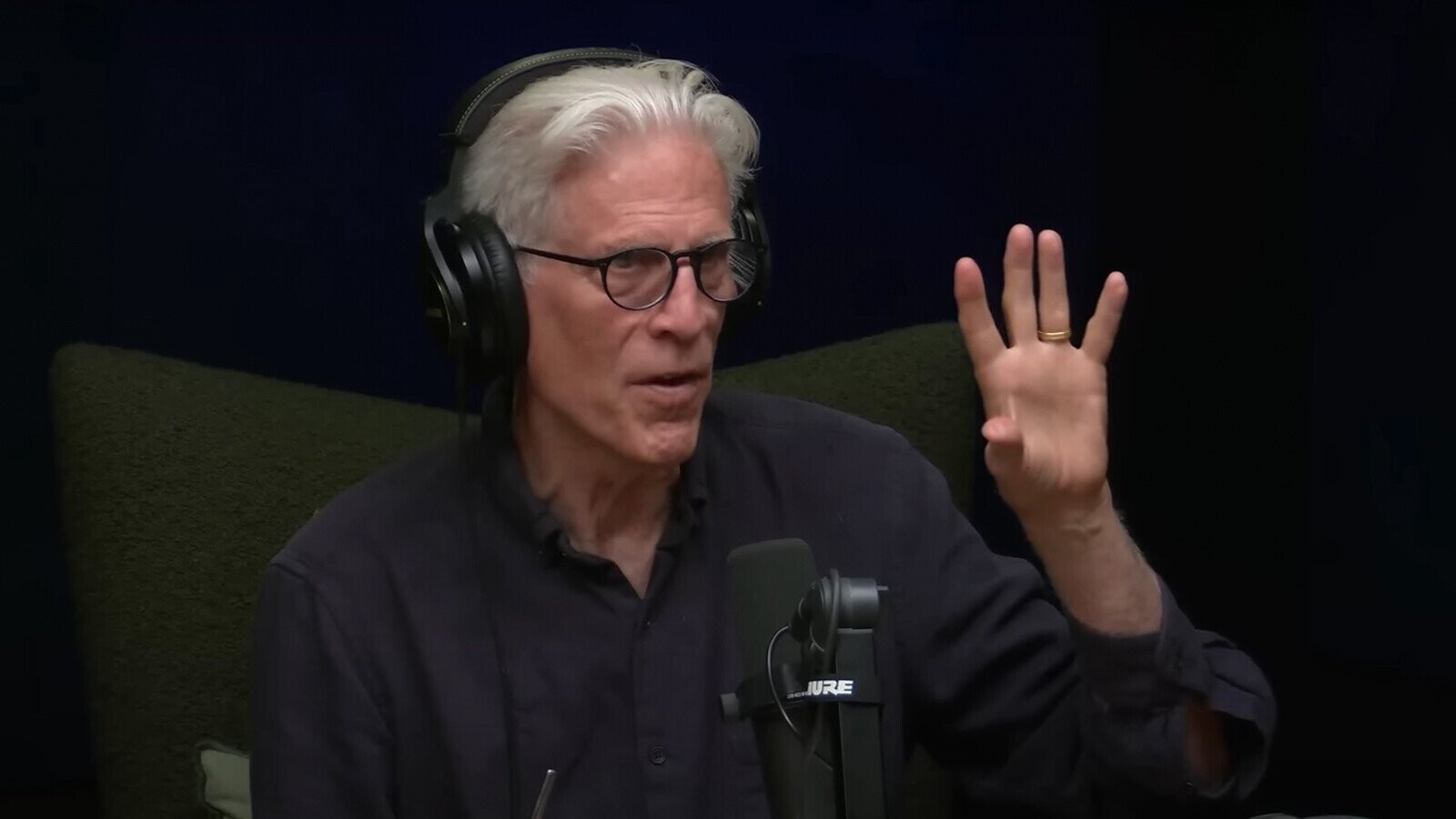
Leaving a hit TV show at the top of its game sounds, on paper, like the kind of decision that should require a helmet, a lawyer, and maybe a therapist on standby. But Ted Danson has never framed his Cheers exit as a neat little career move. In a candid 2025 podcast conversation, he explained it in a far messier, far more human way: he was “blowing shit up” in his life at the time. Oddly enough, that chaos may have been exactly what helped him walk away from Sam Malone.
And that is what makes this story so compelling. This is not just a tale about why Ted Danson left Cheers. It is a story about identity, fear, reinvention, and the strange courage it takes to leave something beloved before it calcifies into a permanent costume. For fans of classic television, career pivots, and the very American art of quitting while everyone is still clapping, it is catnip.
The Quote That Reframed a Famous TV Goodbye
For years, the public version of Ted Danson’s Cheers departure sounded simple enough: the show had run for 11 seasons, he wanted to move on, and that was that. Clean, tidy, acceptable. The kind of explanation publicists probably dream about while lying awake at night.
But Danson’s more recent reflection adds texture. He described the transition as easier than it otherwise might have been because his personal life was already in upheaval. In other words, leaving Cheers did not feel like the only earthquake happening at the time. It was one tremor inside a larger shake-up. He also made it clear that part of the decision came from a deeper professional fear: if he did not leave then, he might never know whether he could do anything else.
That line lands because it cuts right to the center of the actor’s dilemma. Sam Malone was not just a role. He was an institution. He was one of the most recognizable characters on television, the handsome ex-ballplayer bartender with charm, vanity, wit, and just enough vulnerability to keep the whole operation from turning into sitcom wallpaper.
Walking away from that kind of success is not irrational. It is terrifyingly rational. Stay too long, and you become inseparable from the part. Leave too soon, and you risk looking ungrateful, overconfident, or flat-out nuts. Hollywood loves reinvention in theory, but in practice it often prefers you stay in the lane that keeps making money.
Why Ted Danson Really Walked Away From Cheers
Personal chaos met professional courage
Ted Danson’s own words suggest that his decision was not driven by one dramatic lightbulb moment. It was more like a convergence. His personal life was turbulent, his internal sense of self was changing, and his professional ambitions were poking him in the ribs. Sometimes people do not make their biggest decisions because life is stable; they make them because stability has already left the building.
That matters because it changes the emotional logic of his exit. He was not walking away from Cheers because he stopped caring about it. He was walking away because he was in a period of transformation and did not want to cling to the safest version of himself. He has described that impulse almost like jumping off a cliff on purpose. Not because cliffs are relaxing, but because staying on the ledge can become its own trap.
The fear of becoming only one thing
There is another piece here that deserves more attention: fear of artistic fossilization. Danson admitted that part of him wanted to test whether he could do other work. That is not vanity. That is craft anxiety. Actors who play iconic roles for years often have to wrestle with the question ordinary workers rarely face in such public fashion: am I talented, or am I just perfectly attached to one wildly successful situation?
It is a brutal question. Charlie Day, who prompted the conversation, clearly recognized the concern. Long-running television can be a blessing and a beautiful prison. You gain money, visibility, and audience affection, but the role can start to stick like permanent glitter. And just like craft-store glitter, it gets everywhere and never fully leaves.
Danson’s answer was refreshingly unsentimental. He did not frame typecasting as some mystical curse inflicted by the industry gods. He suggested it is partly about choices. If you want to grow, you have to choose growth, even when the safer option is still paying very well.
Why Cheers Couldn’t Easily Continue Without Sam Malone
Sam was more than the bartender
One reason Ted Danson’s exit mattered so much is that Sam Malone was not merely the lead on paper. He was the emotional hinge of Cheers. The show’s creators built a bar full of eccentrics, neurotics, romantics, know-it-alls, underachievers, and verbal snipers. Sam was the one who could stand in the middle of that chaos and make it feel welcoming.
Danson has talked about how his job as Sam was, in essence, to love everybody in the bar. That insight is sneaky and brilliant. Sam was the audience’s passport into a “wacky world.” He could flirt, mock, fumble, and self-sabotage, but the show still worked because he created a loose emotional permission structure: these people are odd, but they belong here. And so do you.
That is a harder quality to replace than a punchline machine or a romantic lead. It is tone. It is gravity. It is the thing viewers feel more than they consciously identify.
A finale so big it felt national
By the time Cheers ended in 1993, it had grown from an early ratings struggler into one of the defining sitcoms of its era. Estimates for the finale’s audience vary depending on the metric used, but they all agree on one thing: the number was enormous, landing somewhere above 80 million viewers and, by NBC’s estimate, around 93 million. That is not just a hit. That is a cultural event with bar stools.
The finale’s scale helps explain why Danson’s departure still fascinates people decades later. This was not a case of an actor quietly leaving a show that had run its course in semi-obscurity. This was the face of one of America’s biggest sitcoms deciding that success, however glorious, was not reason enough to stay forever.
And according to long-running accounts from the show’s creators and chroniclers, once Danson was ready to leave, continuing without him did not feel right. Cheers was still highly successful, but Sam Malone and the series had become too intertwined to separate cleanly.
What Leaving Cheers Actually Did for Ted Danson
It saved him from becoming a museum exhibit
The irony of Ted Danson leaving Cheers out of fear he might only ever be Sam Malone is that the move seems to have worked. He did not vanish into rerun purgatory. He built one of the sturdier second acts in television.
After Cheers, he kept proving he could shift tone and persona. He worked in comedy, drama, and satire. He fronted Becker, turned up memorably in Curb Your Enthusiasm, impressed in Damages, delivered excellent work in Fargo, and then found a whole new generation of fans as Michael in The Good Place. More recently, he has remained active with A Man on the Inside, a later-career project that shows he is still not interested in settling into a glass case marked “legacy talent.”
That career arc matters because it validates the gamble. The cliff jump did not destroy him. It expanded him.
The personal chapter changed too
The years around the end of Cheers were undeniably messy in his private life, and Danson has not hidden from that reality. But the broader arc did not end in collapse. It ended in a different kind of steadiness. By the mid-1990s, he married Mary Steenburgen, and that relationship has become one of the more durable partnerships in celebrity culture, which, let’s be honest, is a phrase that usually sounds like an oxymoron wearing expensive shoes.
In later years, he has spoken with gratitude about how much Cheers gave him. When he received the Carol Burnett Award in 2025, he made clear that so much of what he has in his acting life traces back to that series. That balance is important. Leaving a thing does not mean resenting it. Sometimes it means honoring it enough not to overstay.
What This Story Says About Career Change, Fame, and Timing
There is a reason the Ted Danson story keeps traveling beyond entertainment news. It doubles as a career parable. Most people will never have to decide whether to leave one of the biggest sitcoms in television history. But plenty of people do face a smaller-scale version of the same question: should I stay where I am admired, or leave to find out who else I can be?
Success can become its own sedative. The paycheck is good. The role is familiar. The identity is established. People know your name, your strengths, your patterns, your jokes. There is immense comfort in that. There is also danger. At some point, staying can become less about loyalty and more about fear.
Danson’s honesty is what makes the story useful. He did not sell the decision as glamorous or strategic or perfectly timed. He described it like a person who knew he was in flux and decided to act from within that flux. That is rarely how motivational posters describe reinvention, but it is probably closer to how reinvention actually works.
Mess first. Clarity later. New chapter eventually.
Experiences Related to the Topic: What It Feels Like to Leave a Version of Yourself Behind
The most relatable part of Ted Danson’s Cheers story is not the fame. It is the feeling. Plenty of people know what it is like to live inside a role that works so well it becomes difficult to imagine life outside it. Maybe it is a job title. Maybe it is a marriage. Maybe it is the city you swore you would never leave. Maybe it is simply the version of yourself other people have gotten very comfortable with.
Walking away from that kind of identity is rarely dramatic in the cinematic sense. There is no orchestral swell. No tasteful slow-motion. Usually it feels more like indigestion mixed with panic and a voice in your head asking whether you have confused courage with stupidity. One day you are the person who belongs in that room, and the next day you are standing outside it wondering who you are without the key.
That is why Danson’s comment resonates. He did not say he left because the path was obvious. He left because his life was already changing, and he recognized that clinging to one successful version of himself might keep him from discovering another. That is a deeply human experience. People often make their biggest transitions while they are emotionally messy, not while they are glowing with perfect wisdom and drinking cucumber water in a sunlit kitchen.
There is also a strange grief in leaving something that still works. If a job is terrible, quitting gets applause. If a situation is broken, everyone understands the exit. But leaving when things are still objectively good? That confuses people. They ask why you would give up security, reputation, routine, or prestige. They may even take it personally. To them, you are abandoning something valuable. To you, you may simply be trying not to disappear inside it.
Another common experience is the delayed emotional reaction. At first, practical concerns crowd everything else out. You are dealing with paperwork, identity shifts, relationship fallout, fear, or exhaustion. Only later do you realize what you actually left behind. Danson described something similar: he was so consumed by his personal upheaval that the full emotional reality of leaving Cheers did not hit immediately. That rings true for a lot of life changes. The heart is often late to the meeting.
Then comes the awkward in-between season. You are no longer the old version of yourself, but you are not yet convincingly the new one either. That period can feel embarrassingly uncertain. It can also be the most creative part of the whole journey. The next chapter usually does not arrive as a polished identity. It arrives as trial and error, strange opportunities, accidental reinventions, and the slow realization that your life may be wider than the role you once thought defined it.
That is why Ted Danson’s story endures. It reminds us that sometimes leaving is not a rejection of success. Sometimes it is the price of becoming more than one successful thing.
Conclusion
Ted Danson did not leave Cheers because he had stopped valuing the show. He left because he was in the middle of personal change, because he wanted to know whether he could do more than Sam Malone, and because staying forever can be its own kind of surrender. In hindsight, the decision looks less like sabotage and more like a high-wire act of self-preservation.
The story also explains why his exit still matters. Cheers was not just a popular sitcom. It was a national habit, a comfort ritual, and for millions of viewers, a place that felt emotionally available at the same time every week. Walking away from that took nerve. Building a long, respected career after it took even more.
So yes, Ted Danson quit Cheers while, by his own description, blowing up parts of his life. But that is exactly what makes the story worth remembering. Sometimes the move that looks reckless in the moment becomes the reason you are still growing decades later.