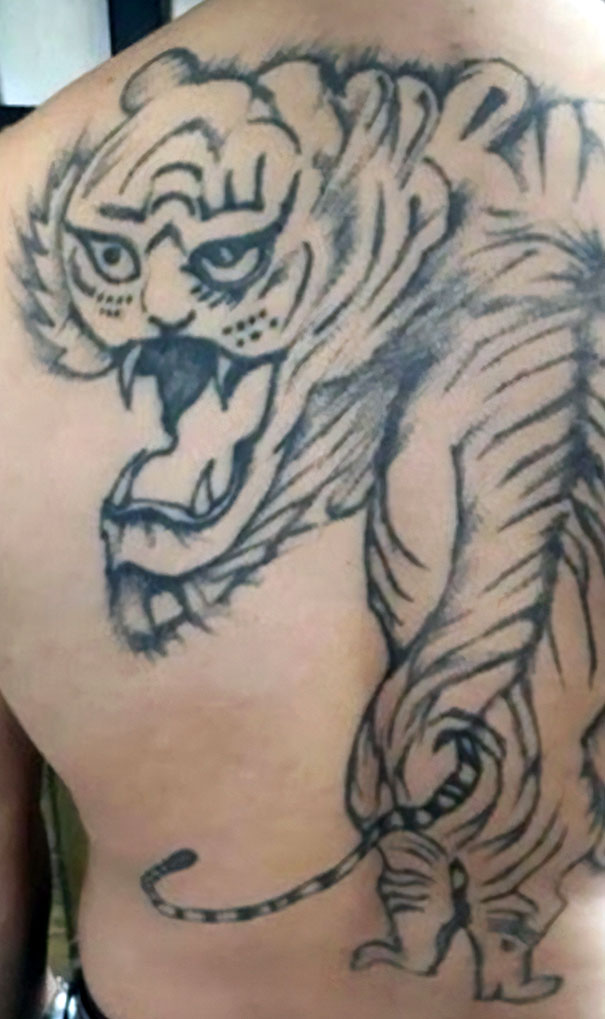
A tattoo can be a tiny memorial, a full-sleeve masterpiece, or a permanent reminder that spell-check exists for a reason. Most tattoos heal without serious trouble, and many people remain delighted with their body art. However, when tattoos go wrong, they can fail in spectacularly different waysfrom crooked lettering and unrecognizable portraits to infections, allergic reactions, scarring, and expensive removal sessions.
Tattoo regret is hardly a fringe experience. A 2023 Pew Research Center survey found that 32% of American adults had at least one tattoo, while about one-quarter of tattooed adults said they regretted one or more of them. Regret does not necessarily mean the entire tattoo lifestyle was a mistake. Sometimes it means one blurry dolphin from spring break has overstayed its welcome.
Here are the most common ways tattoos become disasters, why these failures happen, and what people can realistically do when permanent ink produces a painfully temporary feeling of happiness.
When a Bad Tattoo Is More Than an Ugly Tattoo
There is an important difference between an aesthetic failure and a medical complication. A misspelled quote is embarrassing, but expanding redness, worsening pain, pus, fever, or chills may indicate an infection that requires medical care. Likewise, a crooked portrait can become a running family joke; a persistent, intensely itchy rash deserves attention from a physician or board-certified dermatologist.
Fresh tattoos normally cause some soreness, redness, swelling, clear fluid, itching, flaking, and light scabbing. These symptoms should gradually improve. According to the American Academy of Dermatology, warning signs include redness that spreads or darkens, pain that intensifies, open sores, pus, fever, and chills.
Common Types of Tattoos That Went Horribly Wrong
1. Misspelled Words That Became Permanent Punchlines
Lettering tattoos look simple, which is precisely why people underestimate them. A single misplaced letter can transform an inspirational statement into something that belongs on a failed restaurant menu. Names, dates, coordinates, Roman numerals, and foreign-language phrases are especially vulnerable because clients may assume the artist will verify everything.
A reputable tattoo artist can reproduce an approved stencil accurately, but the client still owns the final proofreading responsibility. Every word, number, punctuation mark, and accent should be checked before the needle touches skin. For foreign phrases, consult a fluent speaker rather than trusting an automatic translation tool that treats context like an optional accessory.
2. Portrait Tattoos With Accidental New Identities
Portrait work is one of tattooing’s most demanding specialties. A few millimeters can change a gentle smile into a grimace or turn a beloved grandmother into a suspicious courtroom sketch. Faces depend on proportion, shading, contrast, and subtle transitions. An artist who produces excellent traditional roses may not automatically be skilled at photorealistic portraits.
Before commissioning a face, examine healed examplesnot merely fresh photos taken under flattering studio lights. Fresh ink often appears darker and sharper. Healed work reveals whether fine details hold together, skin tones remain balanced, and the eyes continue pointing toward the same zip code.
3. Tattoo Blowouts and Blurry Lines
A tattoo blowout occurs when ink spreads beneath the intended lines, creating a blue-gray haze or smudged border. It can happen when pigment is deposited too deeply or at an unsuitable angle. Thin skin and difficult locations may also increase the challenge.
Blowouts are not the same as normal healing blur. They usually remain visible after the surface has healed. Depending on the design, an experienced artist may disguise a small blowout with careful shading or a cover-up. Laser treatment can sometimes lighten unwanted pigment, but professional evaluation is essential before adding more ink to an already crowded problem.
4. Designs That Ignored Human Anatomy
A flat drawing does not always translate gracefully onto a moving body. Circles become ovals around curved muscles. Straight lettering bends across joints. A carefully positioned animal may appear calm when the arm is relaxed and deeply confused when the elbow moves.
Placement should account for posture, muscle movement, skin folds, and how the design looks from several angles. Stencils should be evaluated while standing naturallynot while twisting like a person attempting to inspect the back of a new shirt.
5. Tiny Details That Aged Into Ink Soup
Micro tattoos and ultra-fine lettering can look astonishing when fresh, but skin is not archival paper. Over time, pigment may soften and spread slightly while sun exposure and natural skin changes reduce contrast. Extremely small gaps may close visually, and miniature words may become difficult to read.
This does not mean all fine-line tattoos are doomed. It means the design needs enough negative space, suitable line weight, and realistic dimensions. A talented artist should be willing to explain when a requested design is too detailed for its planned size.
6. Trend Tattoos That Outlived the Trend
Relationship names, memes, fashionable symbols, celebrity references, and viral catchphrases can feel urgent in the moment. Unfortunately, skin rarely receives cultural software updates. A joke that dominated social media for six weeks may require years of strategic sleeve placement afterward.
Research on tattoo regret has connected dissatisfaction with changing relationships, lifestyles, personal identity, employment concerns, poorly executed work, and simply no longer liking the design. Tattoos created under peer pressure or while a person was impaired have also been associated with higher regret.
Medical Tattoo Disasters
Infections From Contaminated Ink or Poor Hygiene
Tattooing repeatedly breaks the skin barrier. Infection can result from contaminated ink, nonsterile water, reused equipment, improper surface cleaning, or poor aftercare. Even a clean-looking shop is not automatically safe; contamination may occur during ink manufacturing or after a bottle has been opened.
A CDC investigation of tattoo-associated infections during 2011 and 2012 identified 22 cases across four states. Some were linked to ink contaminated before use, while nonsterile water used to dilute gray ink has also been implicated in outbreaks. These infections may involve nontuberculous mycobacteria and can be stubborn enough to require prolonged treatment.
Seek prompt medical care for spreading redness, worsening pain, pus-filled bumps, fever, chills, open wounds, or unusual swelling. Do not attempt to “draw out” an infection, cover it with another tattoo, or treat it using leftover antibiotics from a completely unrelated adventure.
Allergic Reactions That Appear Years Later
Tattoo pigment can trigger an itchy, swollen, or bumpy rash. Red ink is frequently associated with allergic reactions, although other colors can cause problems. Particularly frustrating is the timing: reactions may begin immediately, weeks later, or even years after the tattoo was completed.
Some people develop granulomassmall areas of inflammation around material the immune system regards as foreign. Others may develop raised scars. Because allergy symptoms can resemble infection, professional diagnosis matters; treating the wrong condition may delay recovery.
Keloids and Permanent Scarring
People prone to keloids can develop thick, raised scars after skin injuries, including tattooing and tattoo removal. Heavy-handed technique, infection, picking at scabs, and aggressive home remedies may further increase visible scarring.
If you or close relatives have a history of keloids, discuss the risk with a dermatologist before getting tattooed. A beautiful design cannot fully conceal a scar that continues growing beyond the original wound.
Botched Aftercare
Some tattoos leave the studio looking excellent and unravel during healing. Swimming too early, prolonged soaking, sun exposure, dirty hands, tight clothing, harsh scrubbing, and compulsive scab picking can interfere with recovery. Too much ointment may also trap moisture and irritate the area.
Follow the artist’s written aftercare instructions, wash gently, use an appropriate moisturizer, and keep the tattoo away from pools, hot tubs, lakes, and rivers while it heals. Once healed, regular sunscreen helps preserve clarity and color.
Why Tattoo Failures Happen
Catastrophic tattoos rarely come from a single cause. More often, several poor decisions form a tiny committee. The client rushes. The artist accepts work outside their specialty. The reference image is low-resolution. The placement is difficult. Nobody checks the stencil carefully, and aftercare instructions disappear beneath a pile of takeout menus.
Major warning signs include an artist who refuses to show healed work, a studio with questionable sanitation, reused ink caps, unwrapped needles, missing gloves, vague pricing, and pressure to begin immediately. Licensing rules vary among U.S. jurisdictions, so consumers should check local health-department requirements and complaint records.
Alcohol and recreational drugs also impair judgment and may complicate the session. If a design requires liquid courage, it probably deserves another week of sober consideration.
What to Do When Your Tattoo Goes Wrong
Address Health Problems First
If the tattoo shows possible infection, severe swelling, worsening pain, or a persistent rash, contact a healthcare professional. Bring information about the studio, date of tattooing, ink brand, colors used, and aftercare products. These details can help distinguish an infection from an allergic or inflammatory reaction.
Do not immediately tattoo over irritated skin. A cover-up cannot cure an infection, and additional needle trauma may make the situation worse.
Let the Tattoo Heal Before Judging the Artwork
Fresh tattoos can look cloudy, uneven, overly dark, or mildly distorted while swelling and peeling are present. Unless there is a medical warning sign, allow the skin to heal before demanding a correction. Many artists recommend waiting several weeks before evaluating whether a touch-up is necessary.
Consider a Professional Cover-Up
A skilled cover-up artist can sometimes transform an unwanted design by incorporating darker colors, stronger shapes, and strategic negative space. However, a cover-up usually must be larger and darker than the original. Covering a dense black tattoo with a tiny pale flower is less a plan than a negotiation with physics.
Ask to see healed cover-up examples and obtain an honest assessment. In some cases, several laser sessions can lighten the original ink enough to provide the artist with more creative freedom.
Understand Laser Tattoo Removal
Laser removal uses concentrated light to break pigment into smaller particles that the body can gradually clear. Results depend on ink color, depth, density, tattoo age, location, skin characteristics, and whether the work was professional or amateur.
Multiple treatments are generally necessary. Cleveland Clinic notes that laser removal may require six to 12 sessions or more. Complete removal is not guaranteed, and possible complications include blistering, temporary or permanent skin-color changes, infection, incomplete pigment removal, and scarring.
Choose a qualified dermatologist or medical professional experienced in laser tattoo removal. Avoid do-it-yourself acids, salt abrasion, burning, cutting, and mystery creams. Those approaches may replace an unwanted tattoo with a very wanted emergency-room visit.
How to Avoid Becoming the Next Tattoo Horror Story
- Research the artist’s specific specialty and inspect healed portfolio images.
- Verify local licensing, sanitation practices, and complaint history.
- Confirm that needles and tubes come from sealed packages.
- Look for fresh gloves, disposable ink caps, clean surfaces, and proper sharps disposal.
- Proofread every letter, number, date, and symbol on the final stencil.
- Check placement while standing, sitting, bending, and moving naturally.
- Avoid tattoos when intoxicated, pressured, angry, or emotionally impulsive.
- Ask how the design is expected to age and whether it needs more space.
- Follow written aftercare instructions and contact a clinician if healing worsens.
Experiences Related to Tattoos That Went Horribly Wrong
The following experiences are illustrative composites based on commonly reported tattoo failures. They are not presented as accounts of specific named individuals.
The Quote That Lost Its Wisdom
A college student wanted a graceful forearm tattoo reading “Strength through adversity.” She found a discounted walk-in studio, showed the artist a screenshot, and approved the stencil while chatting with friends. Three hours later, “adversity” had acquired an extra syllable that existed in no known dictionary.
At first, everyone laughed. The laughter became less charming when strangers repeatedly pointed out the mistake. A second artist explained that correcting the letters would make the line noticeably thicker. The eventual solution was a floral cover-up substantially larger than the original quote. Her lesson was simple: a tattoo appointment is the one occasion when proofreading should receive more attention than group-chat notifications.
The Vacation Tattoo That Came Home With an Infection
Another client received a small ankle tattoo while traveling. The studio appeared casual but busy, and the low price seemed like part of the vacation fun. Afterward, he swam in a hotel pool and spent the next afternoon in direct sun. Within several days, the redness expanded beyond the tattoo and the pain intensified.
He initially assumed discomfort was part of healing. When small pus-filled bumps and fever appeared, he sought medical care and was treated for an infection. The tattoo eventually healed with patchy pigment and a visible scar. What began as a cheap souvenir became a stack of medical bills and a long-term reminder that “walk-in available” and “safe choice” are not synonyms.
The Portrait That Needed a Name Tag
A man commissioned a memorial portrait of his father from an artist whose portfolio contained bold traditional designs but few realistic faces. The fresh tattoo was recognizable mainly because the family knew whom it was supposed to depict. As swelling faded, the eyes appeared uneven, the mouth looked strained, and the shading became muddy.
A portrait specialist later explained that simply adding details would make the face darker and less readable. The client chose several laser-lightening sessions before having the piece reworked. The process took far longer and cost far more than choosing a portrait specialist from the beginning. The emotional difficulty was worse: criticizing the artwork felt uncomfortably close to criticizing the person it honored.
The Tiny Tattoo That Became a Tiny Smudge
A customer requested an intricate mountain range, stars, trees, a tent, and a six-word quote inside a design smaller than a coin. It looked impressively delicate in the first photograph. Several years later, the fine gaps had softened and the text was no longer readable.
The artist had warned that the design needed to be larger, but the client insisted on keeping it discreet. Eventually, the miniature wilderness scene resembled a mysterious barcode. A rework improved the overall silhouette, but the smallest details could not be restored. The experience demonstrated that asking for more space is not an artist trying to upsell skin; sometimes it is basic design engineering.
The Relationship Tattoo With a Shorter Lifespan Than the Relationship
Two partners celebrated an anniversary with each other’s names tattooed prominently on their wrists. The relationship ended eight months later. Long sleeves became a year-round wardrobe decision, and every handshake felt like an unwanted biography.
One person chose a dark cover-up, while the other pursued laser treatment. Neither option was quick. The cover-up required a larger design, and removal demanded repeated appointments with healing time between them. Both later agreed that matching symbols with independent meaningor simply a nice dinnerwould have aged more gracefully.
The Shared Lesson Behind Bad Tattoo Experiences
Tattoo disasters are not always caused by reckless people or incompetent artists. Bodies heal unpredictably, pigments behave differently, allergies can emerge late, and even skilled professionals encounter limitations. Still, most preventable failures share recognizable ingredients: haste, poor research, unrealistic design expectations, questionable hygiene, and neglected aftercare.
A tattoo should survive more than a trend, a vacation, or an impulsive evening. Take time to verify the design, study the artist, inspect the studio, and imagine living with the placement for decades. Permanent ink deserves a decision-making process slightly more rigorous than choosing pizza toppings.