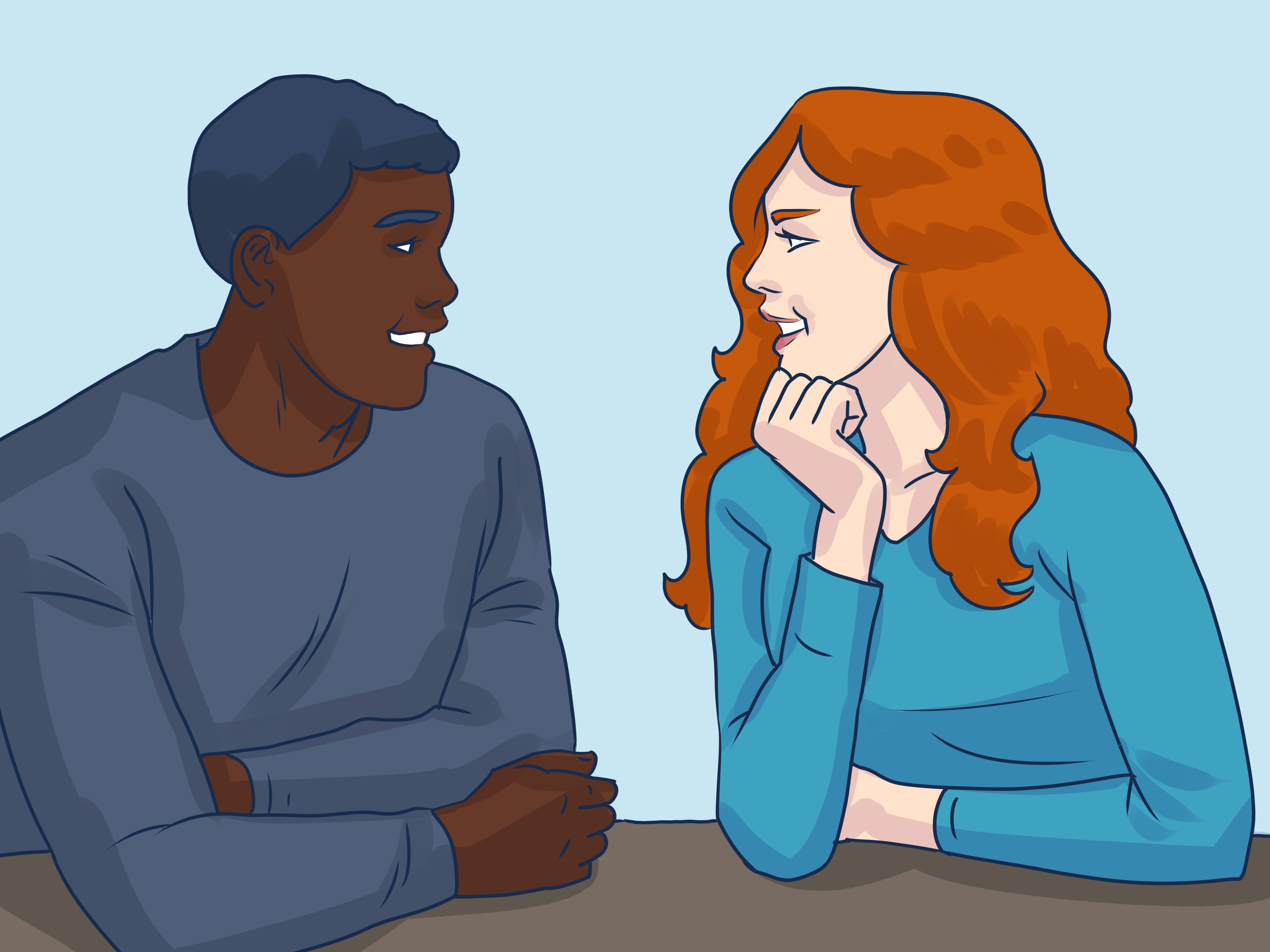
Some people turn 80 and immediately seem to misplace their reading glasses, their car keys, and the name of that one actor who was definitely in that movie with the dog. Others turn 80 and can recall a shopping list, a family story from 1964, and your birthday with the confidence of a calendar app. Researchers have a name for this second group: Super-Agers.
Super-Agers are older adults, typically age 80 and above, who show memory skills closer to people decades younger. They are not mythical creatures who survive on crossword puzzles and mysterious green smoothies. They are real people studied by neuroscientists, geriatric specialists, and aging researchers because their brains appear to resist some of the usual wear and tear associated with aging. Even more interesting, research suggests that their strong memory skills may be connected not only to brain biology, but also to something beautifully human: strong social ties.
In other words, the secret to staying sharp may not be hiding inside a $14 bottle of “brain fog detox” pills. It may be partly found in friendships, family dinners, volunteering, walking groups, book clubs, and the kind of conversations that begin with “I’ll only stay for ten minutes” and end two hours later with everyone laughing.
What Are Super-Agers?
A Super-Ager is generally described as an adult over 80 whose memory performance is similar to that of a much younger person, often someone in their 50s or 60s. Researchers usually measure this with tests of episodic memory, which is the ability to remember events, stories, words, and experiences. Episodic memory is the mental filing cabinet that helps a person recall a conversation, a vacation, a recipe, or where they parked the car at the grocery storepreferably before walking through the lot for 20 minutes pretending it was “extra cardio.”
Normal aging can bring mild forgetfulness. Taking longer to remember a name or occasionally misplacing something does not automatically mean dementia. However, Super-Agers stand out because their memory performance remains unusually strong for their age. They are not just “doing pretty well.” They are performing at a level that challenges the old assumption that serious memory decline is an unavoidable part of growing older.
Why Scientists Are So Interested in Super-Agers
Super-Agers matter because they show what may be possible for the aging brain. Instead of studying only why memory fails, researchers can study why memory stays strong. That shift is powerful. It is like asking not only why some houses collapse in a storm, but also why others remain standing. The answer may reveal better designs, stronger foundations, and smarter ways to protect what matters.
Studies of Super-Agers have found several remarkable brain features. Some research shows they may have less cortical thinning than typical older adults. The cortex is the outer layer of the brain involved in memory, attention, thinking, decision-making, and other complex tasks. In many people, the cortex gradually thins with age. In Super-Agers, some areas appear better preserved.
One brain region that gets special attention is the anterior cingulate cortex. This area helps with attention, motivation, emotional regulation, and social processing. In some Super-Agers, this region has been found to be thicker than expected, sometimes even thicker than in younger comparison groups. That does not mean a person can simply “positive-think” their way into a super brain, but it does suggest that emotional and social brain networks may be part of the story.
The Memory Advantage: More Than Just Good Genes
Genetics may play a role in Super-Aging, but researchers do not believe DNA is the whole plot. If genes were the entire story, the advice would be painfully boring: “Choose your parents wisely.” Fortunately, lifestyle, environment, relationships, education, activity level, sleep, and overall health may also influence cognitive aging.
Super-Agers are not all identical. They do not follow one perfect diet, one exercise routine, or one secret morning ritual involving lemon water and Gregorian chanting. Some are highly active. Some are more moderate. Some are lifelong learners. Others are deeply engaged in family, faith communities, creative projects, or volunteer work. The shared pattern is not perfection. It is resilience.
That is encouraging because it means brain health is not just about avoiding decline. It is about building reserve, staying engaged, and giving the brain reasons to keep showing up for work. The brain is not a decorative throw pillow. It likes being used.
Strong Social Ties May Be a Key Super-Ager Trait
One of the most fascinating findings about Super-Agers is their connection to positive relationships. In a Northwestern SuperAging study, researchers compared adults over 80 with extraordinary episodic memory to cognitively average peers of the same age. The Super-Agers reported stronger positive relations with others. That does not mean they had thousands of acquaintances or a social calendar that required a personal assistant. It means they perceived their relationships as warm, supportive, meaningful, and satisfying.
This distinction matters. Social health is not measured only by the number of people in a contact list. A phone full of names is not the same as feeling connected. Strong social ties can include close friendships, supportive family relationships, community involvement, mentoring, volunteering, faith groups, clubs, neighbors, or regular conversations with people who make life feel less like a solo project.
Quality matters. A weekly coffee with a trusted friend may be more nourishing than a room full of shallow small talk. Of course, small talk has its place. Without it, humanity would lose 80 percent of elevator conversation and every weather-related opening line.
How Social Connection Supports Brain Health
Social interaction is surprisingly demanding for the brain. A good conversation requires attention, memory, emotional awareness, language, humor, timing, and mental flexibility. You listen, interpret tone, remember details, respond appropriately, and occasionally stop yourself from saying the brutally honest thing that should remain in the private folder.
These mental actions stimulate multiple brain systems at once. Social engagement can challenge memory, strengthen communication skills, reduce stress, and create a sense of purpose. It may also encourage healthier routines. People who are socially connected are often more likely to leave the house, move their bodies, attend appointments, eat with others, and stay emotionally engaged with life.
On the other side, loneliness and social isolation have been associated with higher risks of cognitive decline, depression, anxiety, heart disease, stroke, and dementia. Social isolation means lacking enough contact, relationships, or support. Loneliness is the feeling of being disconnected, even if other people are physically around. A person can be alone and content, or surrounded and lonely. The brain seems to care deeply about the difference.
Super-Agers and the Brain’s “Resilience” Factor
Recent research has explored whether Super-Agers have biological features that help protect memory. Studies have examined brain volume, cortical thickness, Alzheimer’s-related changes, neuron health, and the hippocampus, a region central to learning and memory. The hippocampus is the brain’s memory librarian, and like any good librarian, it does not appreciate chaos.
Some newer research suggests that Super-Agers may show unique cellular patterns in the hippocampus, including signs related to the formation and survival of neurons. Scientists are still working to understand what these findings mean and whether future therapies could support healthier brain aging. For now, the takeaway is not that Super-Agers have magic brains. It is that their brains may be unusually resilient, adaptable, and better able to maintain memory networks over time.
That resilience may come from a mixture of biology and life experience. The brain is shaped by blood flow, sleep, stress, learning, physical activity, nutrition, relationships, and disease risk. A Super-Ager’s memory may be the result of many small advantages adding up over decades, like compound interestbut with fewer spreadsheets and more birthday parties.
Brain-Healthy Habits Linked to Aging Well
No one can guarantee Super-Ager status. There is no official “Become a Super-Ager by Tuesday” program, and anyone selling one should be viewed with the same suspicion you reserve for emails from foreign princes. Still, many habits associated with cognitive health are practical and accessible.
1. Keep Moving
Physical activity supports blood flow to the brain and body. Walking, dancing, gardening, swimming, cycling, stretching, and strength training can all help maintain mobility and overall health. Exercise does not have to look like a fitness commercial. A brisk walk with a friend counts. So does dancing in the kitchen, although pets may judge the choreography.
2. Challenge the Mind
The brain benefits from novelty and effort. Learning a language, playing music, taking a class, reading challenging books, doing puzzles, writing memoirs, joining discussion groups, or learning technology can all provide mental stimulation. The key is to choose activities that are engaging enough to require attention, but enjoyable enough to repeat.
3. Protect Sleep
Sleep is not laziness. It is brain maintenance. Good sleep supports memory consolidation, emotional regulation, and overall cognitive function. Older adults who struggle with insomnia, sleep apnea, or frequent waking should speak with a health care provider. The brain does not run its best on four hours of sleep and heroic amounts of coffee.
4. Manage Blood Pressure, Diabetes, and Heart Health
What is good for the heart is often good for the brain. High blood pressure, diabetes, smoking, and poor cardiovascular health can affect blood vessels and increase the risk of cognitive problems. Regular checkups, medication when prescribed, balanced eating, and movement can support both physical and cognitive aging.
5. Eat for Long-Term Brain Health
A brain-friendly eating pattern usually emphasizes vegetables, fruits, whole grains, beans, nuts, lean proteins, fish, and healthy fats while limiting highly processed foods. This does not mean every meal must look like it was plated by a wellness influencer. It means building a pattern that supports the body most of the time. A blueberry does not cancel a doughnut, but it still deserves applause.
6. Stay Socially Engaged
Because Super-Agers often report strong social connections, social engagement deserves special attention. Call a friend. Join a walking group. Volunteer. Attend community events. Visit family. Invite someone for tea. Take a class. Join a choir, garden club, faith group, or book club. Relationships are not just emotional luxuries; they may be part of a brain-supportive lifestyle.
What Families Can Learn From Super-Agers
Families sometimes focus on older adults’ safety while unintentionally shrinking their independence and social world. Safety matters, of course. But so does purpose. A person who is protected from every possible inconvenience may also be protected from challenge, connection, and joy. Super-Ager research reminds families that older adults need meaningful roles, not just reminders to take medication.
Invite older relatives into real conversations. Ask for their stories, opinions, skills, and advice. Include them in decisions when possible. Encourage friendships and community involvement. Help with transportation, technology, hearing aids, or mobility tools if those barriers make social life harder. Sometimes the best brain-health gift is not another supplement; it is a ride to lunch with an old friend.
What Super-Agers Do Not Prove
It is important not to oversimplify the science. Super-Agers do not prove that socializing alone prevents dementia. They do not prove that people with memory loss failed to live properly. Cognitive decline and dementia are complex conditions influenced by genetics, biology, vascular health, environment, education, injuries, and many other factors. Blame has no place here.
Instead, Super-Agers offer clues. They show that exceptional memory in later life is possible. They suggest that strong relationships may be associated with better cognitive aging. They encourage scientists to study resilience, not just disease. And they give the rest of us a practical reminder: the brain thrives when life remains active, connected, and meaningful.
Real-Life Experiences: What Super-Aging Looks Like in Daily Life
Imagine an 84-year-old woman named Elaine. She does not call herself a Super-Ager. In fact, she thinks the term sounds like a superhero who wears orthopedic sneakers. But she remembers birthdays, keeps track of neighborhood news, volunteers twice a week at a library, and hosts Sunday dinner for whoever can come. Her memory is not perfectshe occasionally forgets why she walked into the pantrybut she remembers conversations, family stories, and the names of her grandchildren’s friends. Her secret is not glamorous. She stays involved.
Elaine’s week has rhythm. On Monday, she walks with two neighbors. On Wednesday, she helps children choose books at the library. On Friday, she calls her sister, and the two of them discuss family updates with the seriousness of a national security briefing. On Sunday, she cooks, laughs, complains mildly about everyone being “too busy,” and then sends leftovers home in containers she fully expects to get back. Her life constantly asks her brain to plan, remember, listen, respond, and care.
Now consider Robert, 87, a retired mechanic who spends mornings in his garage repairing small engines for friends. People stop by not only because their lawn mower is coughing like a tired dragon, but because Robert tells good stories. He explains how things work. He teaches younger neighbors how to use tools safely. He remembers who needs help, whose spouse is ill, and whose son just got a new job. His garage is part workshop, part classroom, part unofficial community center.
Robert’s memory is supported by usefulness. He has reasons to stay organized. He writes notes, keeps tools in familiar places, and talks through repairs step by step. When he teaches, he strengthens his own recall. When he socializes, he keeps his language and emotional skills active. When people rely on him, he feels valued. Purpose gives structure to his days, and structure helps memory stay engaged.
Another example is Maria, 82, who joined a beginner dance class after her doctor recommended more movement. She was nervous at first because “beginner” did not stop the class from having mirrors, and mirrors can be extremely rude. But the class became more than exercise. She learned sequences, remembered music cues, laughed at mistakes, and made friends. Dance challenged her balance, timing, attention, and memory while giving her a weekly social event she looked forward to.
These experiences show how Super-Aging habits can appear in ordinary life. They are not always dramatic. They may look like showing up, joining in, learning names, asking questions, moving regularly, and letting other people matter. The magic is not in one activity. It is in the combination of memory, movement, emotion, and connection.
For many older adults, the hardest part is not knowing what to do; it is rebuilding momentum. Social circles can shrink after retirement, relocation, illness, caregiving, or loss. The first step may feel awkward. Calling an old friend, attending a class, or joining a group can require courage. But connection often grows from repeated small actions. A wave becomes a conversation. A conversation becomes coffee. Coffee becomes friendship. Friendship becomes someone noticing when you do not show upand that matters.
The lesson from Super-Agers is not that everyone must become wildly extroverted. Quiet people can build strong ties too. A meaningful life does not require hosting dinner parties for twelve or becoming president of every club in town. It requires regular contact, emotional warmth, and a sense of belonging. For some, that may be family. For others, it may be neighbors, church members, students, pets, volunteers, or friends met later in life.
Super-Aging, at its most inspiring, is not about refusing to grow old. It is about growing older with the brain still invited to the party. Memory thrives on stories, names, places, routines, challenges, and relationships. Strong social ties give the brain more to remember and more reasons to remember it. That may be one reason Super-Agers continue to fascinate scientistsand one reason the rest of us should answer the phone, take the walk, join the group, and stay connected.
Conclusion
Super-Agers over 80 remind us that aging is not a single predictable script. Some older adults maintain extraordinary memory skills, youthful brain features, and rich social lives well beyond the age when society often expects decline. Their example does not promise that everyone can avoid cognitive changes, but it does offer hope and direction.
The strongest message is refreshingly human: take care of the brain, take care of the body, and take care of relationships. Move often. Sleep well. Learn new things. Manage health conditions. Eat in a way that supports long-term wellness. Most of all, stay connected to people who bring meaning, laughter, support, and purpose. The brain is a social organ, and apparently it enjoys good company.
Note: This article is for educational purposes only and should not replace professional medical advice, diagnosis, or treatment. Anyone concerned about memory changes should speak with a qualified health care provider.