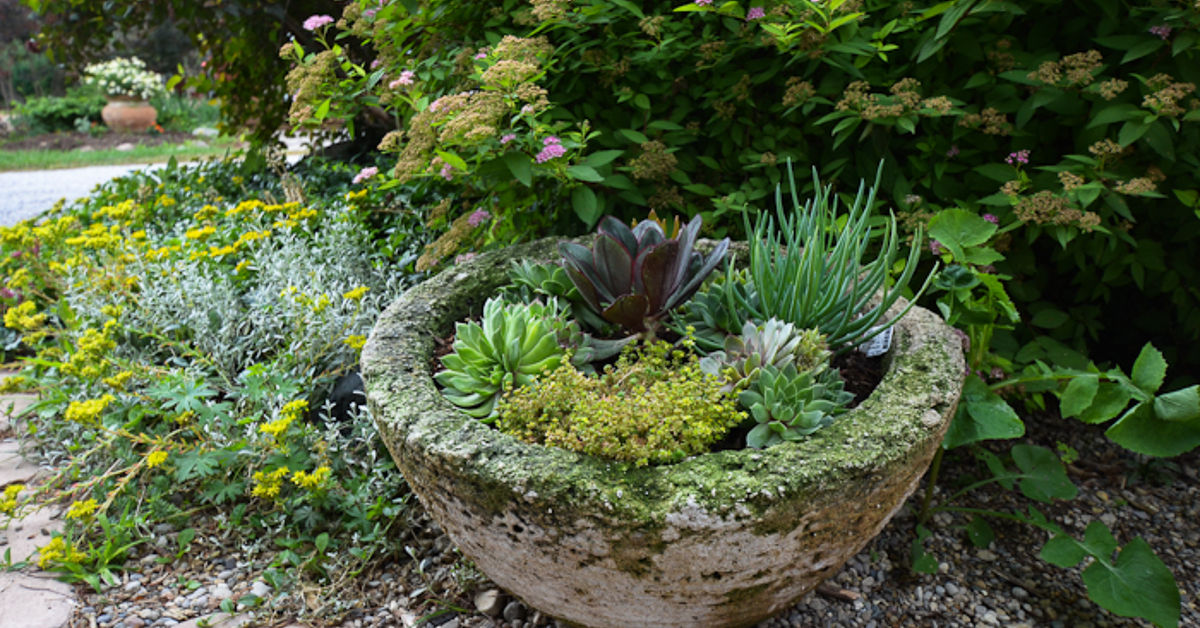
Every big garden needs a tiny plot that feels like a secret. Mine is a little succulent garden tucked between louder, leafier neighborsthe tomatoes that demand applause, the roses that act like celebrities, and the herbs that somehow believe they own the patio. Succulents, by contrast, are the quiet geniuses of the plant world. They store water in their leaves, stems, or roots, keep their shapes like living sculptures, and ask for surprisingly little in return. A sunny spot, fast-draining soil, and a gardener who can resist “just one more splash” of water are usually enough.
A succulent garden can be small enough to fit in a shallow bowl or bold enough to anchor a dry corner of the landscape. It can look modern, rustic, desert-inspired, cottage-soft, or wildly artistic. Best of all, succulents make gardening feel less intimidating. They forgive vacation schedules, busy weeks, and the occasional “Oops, I forgot plants are alive” moment. That does not mean they are indestructible, but compared with many garden divas, succulents are refreshingly low-drama.
This guide explores how to create a little succulent garden inside a bigger garden, how to choose the right plants, how to water without turning the roots into soup, and how to design a display that looks intentional rather than “I bought six plants and panicked.” Whether you have a sprawling backyard, a balcony, or one sunny windowsill with big dreams, succulents can bring texture, color, and year-round charm to your growing space.
Why Succulents Belong in a Big Garden
Succulents are famous for their ability to survive dry conditions, but their real magic is design flexibility. In a big garden filled with shrubs, flowers, vegetables, and groundcovers, succulents add contrast. Their rosettes, paddles, beads, spikes, and trailing stems create shapes that ordinary leafy plants rarely offer. An echeveria looks like a flower carved from wax. A sedum can spill over a stone wall like green confetti. A jade plant brings the structure of a miniature tree. A string of pearls looks like someone dropped jewelry into a pot and nature said, “I can work with that.”
Because many succulents grow slowly and stay compact, they are perfect for small garden moments: a container near a bench, a rock garden along a pathway, a border around a patio, or a tabletop display where guests can admire them without needing hiking boots. They also pair beautifully with gravel, stone, driftwood, terra-cotta, and weathered metal. In other words, they make even a modest corner look styled.
Succulents also support water-wise gardening. Many established succulent beds need less frequent irrigation than thirsty annuals or turfgrass. That makes them useful in dry climates, hot patios, and areas where conserving water matters. Still, “drought-tolerant” does not mean “never water.” Most succulents need occasional deep watering during active growth, especially in containers or very hot weather. The trick is to water well, then let the soil dry before watering again.
Understanding Succulents Before You Plant
A succulent is not one single plant family. It is a broad description for plants that have thick, fleshy parts designed to store moisture. Cacti are succulents, but not all succulents are cacti. That is the garden version of “all squares are rectangles, but not all rectangles are squares”except with fewer geometry flashbacks.
Common succulents include aloe, echeveria, sedum, sempervivum, kalanchoe, agave, haworthia, crassula, senecio, and many types of cactus. Some are best grown indoors or in containers that can be moved during cold weather. Others, such as many sedums and hens-and-chicks, can handle colder outdoor conditions when planted in well-drained soil. Before buying, check the plant’s hardiness, sun needs, mature size, and whether it tolerates your local winter.
Indoor vs. Outdoor Succulents
Indoor succulents usually need bright light, excellent drainage, and less water than many houseplants. A sunny south- or west-facing window is often ideal, though some types prefer bright indirect light. Outdoor succulents vary more widely. Some thrive in full sun, while others appreciate afternoon shade, especially in hot regions where direct summer sun can scorch leaves.
If your big garden includes both sunny and shaded zones, use that to your advantage. Put sun-loving agaves, sedums, sempervivums, and many echeverias where they receive strong light. Reserve lightly shaded areas for plants that tolerate filtered sun, such as some haworthias or aloes in warm climates. If your climate has freezing winters, grow tender succulents in containers so they can move indoors before frost arrives.
Choosing the Best Spot for a Little Succulent Garden
The best location depends on three things: light, drainage, and protection. Succulents need enough light to keep their compact shape and good color. Without it, they stretch toward the sun, becoming pale, leggy, and slightly embarrassed. This stretching is called etiolation, and while the plant may survive, it loses the tidy form that makes succulents so appealing.
Choose a spot that receives several hours of bright light each day. Morning sun is often gentler than afternoon sun, especially in hot climates. If your garden bakes under intense heat, provide light shade during the hottest part of the day. Newly planted succulents should be introduced to strong sun gradually, because even tough plants can sunburn when moved from a nursery shelf to full outdoor exposure overnight.
Drainage matters even more than light. Succulents hate sitting in wet soil. If your garden soil is heavy clay, create a raised bed, mound the planting area, or use containers. A small slope, rock garden, or gravelly border can work beautifully because water moves away from the roots. In low spots where rain collects, plant something else and spare your succulents a slow, soggy tragedy.
Soil: The Secret Ingredient That Is Not Actually Secret
Succulent soil should drain quickly while still holding a little moisture long enough for roots to drink. Ordinary garden soil may be too dense, especially in containers. Standard potting mix often holds too much moisture unless amended. For pots, use a commercial cactus and succulent mix or create a gritty blend with materials such as coarse sand, pumice, perlite, or fine gravel mixed with potting soil.
For outdoor beds, improve drainage rather than simply adding a handful of sand and hoping for a miracle. In heavy clay, a little sand can make the texture worse. Raised beds, berms, and mineral amendments such as pumice or small gravel are often more effective. The goal is simple: after watering or rain, the soil should not stay wet for days.
Containers must have drainage holes. Decorative bowls without holes may look charming, but they are risky unless used as temporary displays. If you absolutely love a hole-free container, use it as a cachepot: place a smaller nursery pot with drainage inside it, then remove that inner pot when watering. This lets water drain freely and prevents the roots from sitting in a puddle like sad noodles.
How to Design a Succulent Garden That Looks Intentional
A little succulent garden should feel like a miniature landscape. Think in layers: height, texture, color, repetition, and negative space. Start with one or two focal plants, such as a large echeveria, compact agave, aloe, or jade. Then add medium-size rosettes, trailing sedums, or upright accents. Finish with gravel, stones, or small pieces of driftwood to make the planting feel complete.
Use Repetition for a Polished Look
Repeating a plant, color, or shape helps the design look calm rather than chaotic. For example, you might use three blue-gray echeverias in a triangular arrangement, then weave in golden sedum around them. Or you might repeat terra-cotta pots along a garden step, each filled with a different succulent but unified by the same container style.
Mix Textures Like a Tiny Landscape Artist
Succulents offer a buffet of textures. Combine smooth rosettes with spiky agaves, bead-like senecio, soft sedum, and upright cactus forms. Place fine-textured plants near bold ones so each stands out. Gravel mulch can make the colors pop and keep soil from splashing onto leaves.
Play With Color, But Do Not Start a Plant Circus
Succulents come in green, silver, blue, burgundy, pink, purple, yellow, and nearly black tones. Stress from bright light or cool temperatures can intensify color in some varieties, but do not force a plant into harsh conditions just for drama. A strong design usually uses a limited palette. Silver-blue succulents with warm stone look elegant. Lime sedum with dark containers feels fresh. Burgundy aeoniums with pale gravel bring instant contrast.
Planting Succulents Step by Step
Planting succulents is easy, but a little preparation prevents future problems. Gather your plants, container or bed materials, fast-draining soil, gloves, a small trowel, gravel mulch, and a soft brush for cleaning soil from leaves.
1. Prepare the Area
If planting in a container, cover the drainage hole with a small piece of mesh or broken pottery to keep soil in while letting water out. Fill the pot partway with succulent mix. If planting outdoors, loosen the soil and shape the bed so water drains away from plant crowns.
2. Arrange Before Planting
Set plants on top of the soil before committing. Move them around until the composition feels balanced. Put taller plants toward the back or center, depending on whether the garden is viewed from one side or all sides. Let trailing plants sit near edges where they can spill naturally.
3. Plant at the Right Depth
Keep the plant crown slightly above the soil line. Planting too deep can trap moisture around the stem and invite rot. Gently firm soil around the roots, but do not pack it tightly. Roots need air as much as they need water.
4. Add a Top Dressing
A thin layer of gravel, crushed rock, or decorative pebbles gives the garden a finished look. It also helps reduce soil splash and keeps low leaves cleaner. Avoid piling stones tightly against stems.
5. Wait Before Watering Newly Planted Succulents
If roots were disturbed during planting, wait a few days before watering. This gives small root injuries time to callus and reduces the risk of rot. After that, water thoroughly and let the soil dry before watering again.
Watering Succulents Without Loving Them to Death
The most common succulent mistake is overwatering. Gardeners are generous people. Unfortunately, succulents often interpret generosity as attempted murder. Instead of watering on a strict calendar, check the soil. If the mix is still damp, wait. If it is dry several inches down, water deeply until moisture reaches the roots.
For containers, water until liquid drains from the bottom, then empty the saucer. Never let pots sit in standing water. Outdoor beds may need less frequent watering, especially once plants are established. During hot, dry spells, even drought-tolerant succulents may appreciate a deep drink. During cool or dormant seasons, reduce watering significantly.
Signs of underwatering include wrinkled, shriveled, or curling leaves. Signs of overwatering include mushy stems, translucent leaves, yellowing, black spots, or sudden collapse. When in doubt, remember this simple rule: dry is usually easier to fix than rotten.
Feeding, Pruning, and Seasonal Care
Succulents are not heavy feeders. Too much fertilizer can cause weak, stretched growth. Feed lightly during the active growing season with a diluted balanced fertilizer or a product labeled for cacti and succulents. Skip fertilizing during dormancy or when plants are stressed by heat, cold, or low light.
Pruning is minimal. Remove dead leaves from the base of rosettes, trim stretched stems, and cut away damaged or diseased growth. Use clean tools to reduce the spread of disease. Many cuttings can be rooted, which means pruning often becomes free-plant day. This is one reason succulent gardeners mysteriously run out of windowsills.
Seasonal care depends on your climate. In cold-winter areas, bring tender succulents indoors before frost. Place them in the brightest available spot and water sparingly. In hot-summer regions, protect sensitive varieties from harsh afternoon sun. If heavy rain is expected, move potted succulents under cover or tilt pots slightly so water drains quickly.
Propagation: Turning One Succulent Into Many
Propagation is one of the most satisfying parts of growing succulents. Many types can be grown from leaves, stem cuttings, offsets, or division. It feels like garden magic, except the wand is usually a fallen leaf you almost swept into the trash.
Leaf Propagation
Some succulents, especially echeveria, sedum, and graptopetalum types, can grow from individual leaves. Gently twist a healthy leaf from the stem, making sure the base remains intact. Let it dry for a few days until the cut end calluses. Place it on top of dry succulent mix in bright indirect light. Mist lightly or water sparingly when roots begin to form. Eventually, a tiny plantlet appears at the base.
Stem Cuttings
For trailing or branching succulents, stem cuttings are often faster. Cut a healthy stem, remove lower leaves, let the cut end callus, then insert it into a gritty mix. Water lightly after roots begin developing. This method works well for many sedums, jade plants, and string succulents.
Offsets and Division
Some succulents produce baby plants, or offsets, around the base. Hens-and-chicks are famous for this. Carefully separate offsets with roots attached and replant them. This is the plant equivalent of moving teenagers into their own apartments, only quieter.
Common Succulent Problems and How to Fix Them
Even easy plants have opinions. The good news is that most succulent problems are preventable with better light, better drainage, and better watering habits.
Leggy Growth
If a succulent stretches, it needs more light. Move it gradually to a brighter location. You can cut and reroot the top of a stretched plant, then allow the base to produce new growth.
Root Rot
Root rot usually comes from wet soil, poor drainage, or watering too often. Remove the plant from the pot, trim mushy roots, let healthy tissue dry, and repot in fresh dry mix. If rot has reached the stem, take healthy cuttings before the plant declines further.
Sunburn
Brown, beige, or bleached patches may indicate sunburn. Move the plant to gentler light and introduce stronger sun slowly. Damaged leaves will not heal, but new growth can be healthy.
Pests
Mealybugs, scale, aphids, and spider mites may attack succulents, especially indoors or in crowded displays. Inspect plants regularly, including leaf joints and undersides. Isolate infested plants, remove pests with a cotton swab dipped in rubbing alcohol, rinse gently when appropriate, and improve airflow.
Best Succulents for a Little Garden
The best succulent depends on your climate and growing conditions, but these dependable choices are popular for good reason.
Echeveria
Echeverias form beautiful rosettes in shades of green, blue, pink, lavender, and gray. They are excellent in containers and small displays. Give them bright light and avoid letting water sit in the rosette.
Sedum
Sedums range from tiny groundcovers to upright garden perennials. Many are hardy, drought-tolerant, and useful in rock gardens, borders, and containers. Trailing sedums soften pot edges beautifully.
Sempervivum
Also called hens-and-chicks, sempervivums are charming, cold-hardy rosette plants that multiply readily. They are ideal for rock gardens, troughs, and shallow containers with gritty soil.
Aloe
Aloes bring bold, architectural leaves and often thrive in bright indoor light or warm outdoor climates. Many types prefer drying between waterings and dislike soggy soil.
Haworthia
Haworthias are small, sculptural succulents that tolerate bright indirect light better than some sun-hungry types. They are excellent for indoor collections and small pots.
Crassula
Crassula includes the famous jade plant, a long-lived succulent with thick leaves and a tree-like form. It works well as a container focal point and can be pruned for shape.
How to Blend Succulents Into a Larger Garden
A little succulent garden should not feel like a random island unless that is the style you want. To connect it with the bigger garden, repeat materials already used nearby. If your paths use pea gravel, use pea gravel as a top dressing. If your patio has terra-cotta pots, plant succulents in terra-cotta. If your landscape includes boulders, tuck succulents around smaller stones for a natural transition.
Succulents pair well with ornamental grasses, lavender, rosemary, thyme, yarrow, penstemon, and other drought-tolerant plants with similar needs. Just avoid planting them beside thirsty flowers that need constant watering. A succulent forced to live beside a water-loving plant is like a cat at a pool party: technically present, spiritually opposed.
Use succulents to highlight garden edges, steps, dry slopes, mailbox beds, patio corners, and sunny entryways. In containers, mix upright, mounding, and trailing forms. In beds, group plants by water needs and mature size. Leave enough space for airflow and growth. Crowded succulent arrangements look cute at first, but tight spacing can trap moisture and encourage pests.
Experiences From My Little Succulent Garden in the Big Garden
My own little succulent garden began as a rescue mission. I had a few neglected pots, a patch of gravel near the patio, and a collection of succulents purchased with the confidence of someone who had not yet read the plant tags. The big garden around them was busy and lush. Basil leaned into the walkway. Marigolds shouted in orange. A tomato plant tried to annex the fence. The succulents sat quietly in their nursery pots, looking calm, dignified, and mildly judgmental.
I started by choosing the driest, sunniest corner near a stone path. It was not prime real estate for thirsty plants, but it was perfect for succulents. I built a low mound with gritty soil, tucked in a few rocks, and arranged the plants before digging. That one steparranging firstsaved the design. I moved the echeverias three times, shifted a jade plant toward the back, and let a trailing sedum spill over the edge. Suddenly the area looked less like a plant parking lot and more like a miniature desert village.
The first lesson came quickly: drainage is not optional. One pretty pot without a drainage hole nearly cost me a healthy haworthia. The top looked dry, but the bottom was wet enough to host a frog convention. I repotted the plant into a container with drainage, trimmed the damaged roots, and watered less often. It recovered, but the lesson stuck. Cute containers are wonderful. Drainage holes are better.
The second lesson was about restraint. I wanted to water everything whenever I watered the rest of the garden. The succulents disagreed. While the zinnias and cucumbers enjoyed regular drinks, the succulents preferred longer dry spells. I learned to check the soil with my finger and lift small pots to feel their weight. Heavy pot, wait. Light pot, check deeper. Dry soil, water thoroughly. This rhythm felt strange at first, but the plants grew stronger.
The third lesson was that succulents are surprisingly social in design. Alone, one small rosette can disappear in a large garden. Grouped with stones, gravel, and repeated shapes, it becomes a focal point. My favorite combination turned out to be blue-gray echeveria, golden sedum, and a weathered clay pot turned slightly on its side. It looked relaxed, as if the garden had always meant to do that.
Over time, the little succulent garden changed how I viewed the bigger garden. It taught me that beauty does not always need abundance. Sometimes the most interesting corner is the quietest one. A few sculptural plants, the right soil, and careful watering can create a scene that feels peaceful every time you pass it. And yes, propagation became addictive. A fallen leaf became a baby plant. A trimmed stem became another pot. Soon the little garden had cousins on the windowsill, the porch, and one suspiciously sunny shelf in the kitchen.
The best part is how approachable succulents make gardening feel. They invite experimentation. They let you redesign small spaces without major digging. They forgive minor neglect. They reward observation. In a big garden, where there is always something to prune, weed, stake, harvest, or apologize to, my succulent corner feels like a small exhale. It is a little garden inside the big garden, and somehow it makes the whole place feel more complete.
Conclusion
Succulents are small plants with big design power. They bring structure, color, texture, and water-wise beauty to gardens of every size. Whether planted in a container, rock garden, raised bed, or patio display, they thrive when given bright light, sharp drainage, careful watering, and enough space to show off their sculptural forms. The key is not to treat them like ordinary leafy plants. Succulents have their own rhythm: deep drinks, dry pauses, lean soil, and plenty of light.
A little succulent garden can become the most memorable part of a bigger landscape. It can soften a patio, brighten a dry corner, decorate a sunny windowsill, or turn a plain container into a living arrangement. Start small, choose plants suited to your climate, and let the design grow naturally. Before long, one rosette becomes three, one pot becomes a collection, and your big garden gains a charming little world of its own.