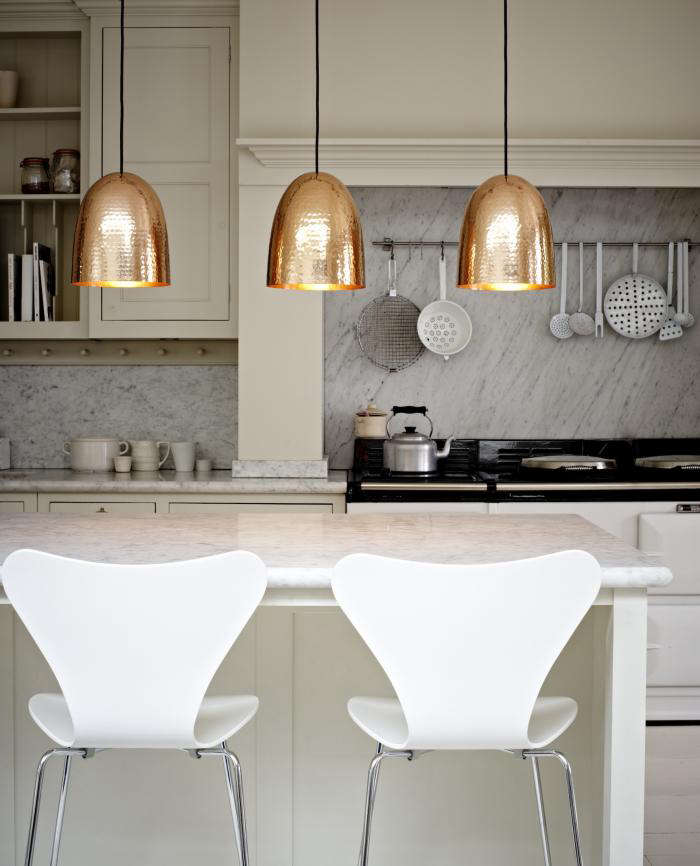
The Stanley Copper Pendant is the kind of lighting fixture that walks into a room before you do. Warm, sculptural, a little industrial, and just shiny enough to make your kitchen island feel like it suddenly got invited to a design magazine photoshoot, this pendant style has become a favorite for homeowners who want lighting that does more than politely glow in the background.
At its best, a Stanley-style copper pendant combines practical task lighting with a rich metal finish that adds depth, contrast, and personality. Think of it as the handsome middle ground between a vintage factory lamp and a polished modern statement piece. It can look rustic, refined, dramatic, cozy, or quietly luxurious depending on where you hang it and what you pair it with. In other words, it is not just a light. It is a mood with wiring.
What Is a Stanley Copper Pendant?
A Stanley Copper Pendant generally refers to a spun-metal pendant light with a copper finish, often associated with the classic Stanley-style lighting range: rounded, substantial, and designed to hang as a focal point over a table, kitchen island, bar, reading nook, or entryway. Many versions feature smooth or hammered metal, a broad shade, and a reflective interior that helps cast a warm downward glow.
The design works because it respects two things people actually need from a light: beauty and usefulness. A pendant that looks gorgeous but leaves your countertop in gloomy mystery is just a ceiling ornament with ambition. A Stanley Copper Pendant, by contrast, is typically shaped to direct light downward while the copper finish adds warmth around the fixture itself.
Why Copper Makes This Pendant So Appealing
Copper has a visual warmth that few other metals can match. Chrome feels crisp. Black metal feels graphic. Brass feels classic. Copper feels alive. Its reddish-brown tone catches sunlight during the day and becomes richer under evening light. That makes it especially useful in kitchens and dining rooms, where people naturally gather, snack, talk, chop vegetables, and occasionally pretend that reheating leftovers counts as cooking from scratch.
Another reason copper works so well is contrast. In an all-white kitchen, a copper pendant prevents the room from feeling sterile. In a dark green, navy, charcoal, or walnut-heavy space, copper adds a warm highlight that keeps the room from getting too heavy. In farmhouse, industrial, transitional, and modern interiors, copper behaves like the friend who gets along with every group at the party.
Copper Is Warm Without Being Loud
The best copper pendant lights do not need to shout. Their color already brings personality, so the shape can stay simple. A Stanley Copper Pendant usually shines because of proportion, finish, and placement rather than decoration overload. That is good news for homeowners who want a design statement without installing something that looks like it is auditioning for a spaceship movie.
Smooth Copper vs. Hammered Copper
One of the most important choices is the finish. A smooth copper pendant feels cleaner, more modern, and more reflective. It suits streamlined kitchens, contemporary dining spaces, and interiors where the surrounding materials are already textured. If your backsplash has heavy veining, your cabinets are richly grained, or your rug is doing acrobatics with pattern, smooth copper can provide balance.
A hammered copper pendant, on the other hand, brings movement and handmade character. The small surface variations catch light in different directions, creating a softer, more artisanal effect. Hammered copper is excellent for farmhouse kitchens, Spanish-inspired interiors, rustic dining rooms, and spaces where you want the fixture to look collected rather than freshly teleported from a warehouse shelf.
Which Finish Should You Choose?
Choose smooth copper if you want sleek drama. Choose hammered copper if you want texture and old-world charm. Choose either if your room is begging for warmth and your ceiling looks bored.
Best Places to Use a Stanley Copper Pendant
The Stanley Copper Pendant is flexible, but it looks especially strong in places where its shape can be appreciated from several angles. Because pendant lights hang lower than flush mounts, they naturally create zones. That makes them perfect for open-concept homes where one large room has to function as kitchen, dining room, homework station, snack headquarters, and unofficial family debate club.
Over a Kitchen Island
The kitchen island is the most obvious home for this pendant style. One large Stanley Copper Pendant can work over a compact island, while two or three smaller pendants can create rhythm over a longer surface. The key is spacing. Pendants should feel intentional, not like they got into an argument and refused to stand near each other.
For most kitchen islands, the bottom of the pendant shade is commonly placed about 30 to 36 inches above the countertop. This keeps the light close enough for food prep but high enough that nobody has to duck during a conversation. If your household includes very tall people, respect their foreheads. A pendant should illuminate dinner, not attack guests.
Above a Dining Table
Over a dining table, a Stanley Copper Pendant can create a restaurant-like glow. A single oversized fixture above a round or square table feels bold and centered. For a long rectangular table, consider two pendants or one larger linear arrangement if available. Copper is particularly flattering in dining spaces because it warms skin tones and makes food look more inviting. Even a simple bowl of pasta benefits from good lighting. Pasta has feelings too.
In an Entryway
An entryway pendant sets the tone for the entire home. A copper shade gives visitors an immediate sense of warmth, craft, and personality. In a tall foyer, a larger Stanley-style pendant can create drama without needing crystal, dangling ornaments, or anything that requires a ladder and emotional courage to dust.
In a Reading Corner or Bedroom
Used beside a bed or over a cozy chair, a copper pendant can replace a table lamp and free up surface space. This is especially useful in small bedrooms, studio apartments, and reading corners where every inch matters. Pair it with a dimmable warm bulb and the result is a peaceful glow that says, “Read one more chapter,” even when your alarm clock strongly disagrees.
How to Choose the Right Size
Size matters with pendant lighting. Too small, and the fixture looks timid. Too large, and the room feels like it is wearing a hat indoors. A Stanley Copper Pendant usually has a substantial shade, so measure carefully before buying.
For kitchen islands, consider the length and width of the island first. A small island may only need one medium pendant. A larger island can often support two large pendants or three medium pendants. Leave enough space between fixtures so each shade has breathing room. As a general design approach, multiple pendants should be evenly distributed, with enough clearance from the island ends to avoid a crowded look.
For dining tables, the pendant should relate to the table width. A fixture that is too wide can overpower the setting; one that is too narrow may look lost. If you are unsure, use painter’s tape, cardboard, or even a mixing bowl held above the table to visualize scale. It may look silly, but it is cheaper than ordering the wrong fixture and then having a very expensive ceiling regret.
Bulb Choice: The Secret Ingredient
A beautiful copper pendant can still disappoint if paired with the wrong bulb. For most living and dining areas, warm white light around 2700K creates a cozy atmosphere. For kitchens, many homeowners prefer something slightly brighter and more neutral, around 3000K, because it supports prep work without making the space feel cold.
LED bulbs are usually the practical choice because they are energy-efficient, long-lasting, and available in many shapes and color temperatures. If the pendant has an open bottom, consider a bulb that looks attractive from below. Frosted bulbs reduce glare, while clear bulbs show more sparkle and filament detail. The right bulb is like the right shoes: people may not mention it, but the whole outfit depends on it.
Use a Dimmer Whenever Possible
A dimmer turns a Stanley Copper Pendant from a task light into an atmosphere machine. Bright for chopping onions. Medium for dinner. Low for late-night tea. Very low for pretending the kitchen is clean. Just make sure the bulb and dimmer are compatible, especially with LEDs.
Design Pairings That Work Beautifully
Copper is warm, so it pairs naturally with materials that either echo that warmth or contrast it in a thoughtful way. White oak, walnut, marble, soapstone, black cabinetry, cream walls, green tile, navy paint, and natural linen all work well with copper pendant lighting.
With White Cabinets
White cabinets and copper pendants are a classic combination because the metal keeps the space from looking flat. Add wood stools, a warm rug, or a textured backsplash, and the kitchen instantly feels more layered.
With Dark Cabinets
Copper against dark cabinets is dramatic and elegant. Navy, forest green, charcoal, and espresso finishes allow the pendant to glow like jewelry. The contrast feels intentional and high-end, even if the rest of the kitchen includes a drawer full of mystery takeout sauce packets.
With Mixed Metals
You do not have to match every metal in the room. In fact, mixing metals often makes a space look more collected. Copper can pair with matte black, aged brass, bronze, or stainless steel. The trick is repetition. If the pendant is copper, echo warmth somewhere else with cabinet hardware, a small accessory, bar stools, a frame, or cookware. One lonely copper fixture can feel accidental; two or three warm accents feel designed.
Cleaning and Caring for a Copper Pendant
Copper changes over time. That is part of its charm. Some homeowners love the evolving patina because it gives the fixture depth and character. Others prefer a polished look and want the copper to stay bright. Both approaches are valid. Your pendant, your rules.
For routine cleaning, dust the shade with a soft dry cloth or microfiber cloth. If it needs more attention, use mild dish soap and water, then dry immediately. Avoid abrasive pads, harsh cleaners, and aggressive scrubbing, especially on lacquered or plated finishes. If the pendant has a protective coating, polishing products may damage it, so check the manufacturer’s care instructions first.
If the copper is unlacquered and you want to restore shine, a copper-specific polish can help. Natural cleaning mixtures such as lemon and salt are often used on solid copper items, but they can be too strong for certain finishes. Test carefully in a hidden spot if you are unsure. The goal is to clean the pendant, not give it an identity crisis.
Common Mistakes to Avoid
Hanging It Too Low
A pendant should not block sightlines across an island or table. If people have to lean sideways to make eye contact, the fixture is too low. Raise it until it lights the surface without interrupting conversation.
Using a Bulb That Is Too Bright
Metal shades can concentrate light downward. If the bulb is too bright or too cool, the effect can feel harsh. Choose a warm or neutral bulb with appropriate lumens, and use a dimmer for flexibility.
Ignoring the Rest of the Lighting Plan
A Stanley Copper Pendant should not be the only light source in a kitchen. Combine it with recessed lighting, under-cabinet lighting, sconces, or natural light. Layered lighting prevents shadows and makes the room more functional.
Forgetting About Maintenance
Copper is not difficult to care for, but it does ask for a little respect. Dust it, wipe it gently, and decide whether you prefer patina or polish. Do not attack it with random cleaners from under the sink like you are settling an old score.
Buying Checklist for a Stanley Copper Pendant
Before purchasing, confirm the fixture size, cord or stem length, canopy size, bulb base, maximum wattage, dimmer compatibility, and whether the copper finish is solid, plated, lacquered, or painted. If buying from outside the United States, verify voltage, socket type, and installation requirements. A pendant may look perfect online, but electrical compatibility is not the place for creative optimism.
Also consider the room’s ceiling height. Standard-height ceilings may require a shorter cord or smaller shade, while tall ceilings can handle a more dramatic drop. Sloped ceilings may need a compatible canopy or adjustable suspension system. When in doubt, consult a licensed electrician. Lighting should be beautiful, functional, and safely installednot a weekend adventure involving guesswork and mild panic.
Who Should Choose a Stanley Copper Pendant?
This pendant style is ideal for homeowners who want warmth, character, and a visible design feature. It suits people who like classic materials but do not want a room to feel old-fashioned. It is also a strong choice for anyone trying to soften a modern kitchen, add personality to a neutral dining room, or create a focal point without using oversized artwork.
It may not be the best choice if your room already has many competing metallic finishes, extremely low ceilings, or a minimalist design scheme where every object must visually whisper. Copper has personality. It does not scream, but it definitely has stories.
Experience: Living With a Stanley Copper Pendant
The real magic of a Stanley Copper Pendant shows up after installation, when the room starts behaving differently. During the day, the copper finish catches small shifts of natural light. In the morning, it may look bright and peachy. By late afternoon, it can turn deeper and more burnished. At night, when the bulb is dimmed, the pendant becomes less of a fixture and more of a little indoor sunset hanging politely from the ceiling.
In a kitchen, the experience is especially noticeable. A copper pendant over an island gives the space a center of gravity. People naturally gather beneath it. Someone leans on the counter with coffee. Someone else opens the fridge for the third time in ten minutes, hoping new snacks have appeared through patience alone. The pendant quietly frames these everyday rituals and makes them feel a bit more intentional.
One of the best things about this kind of pendant is how it improves ordinary surfaces. A plain white countertop looks warmer. A wooden cutting board looks richer. A bowl of lemons suddenly looks like a lifestyle choice instead of fruit you forgot to use. Copper has a way of flattering everything around it, which is why designers often use warm metals when a room feels technically finished but emotionally flat.
The first week with a copper pendant can also teach you about bulb temperature very quickly. A cool white bulb may make the shade look less inviting, while a warm bulb brings out the depth of the metal. A frosted LED can soften the light for everyday use, while a clear filament-style bulb adds vintage charm if the bulb is visible. Once you find the right bulb, the fixture feels complete. Until then, it can feel like wearing a great jacket with the wrong shoes.
Maintenance becomes part of the experience too. Dust appears, because dust has never respected good design. A quick wipe with a soft cloth usually keeps the shade looking fresh. Over time, small changes in the finish may appear, especially with natural copper. Some people polish those changes away. Others let the patina develop because it makes the pendant feel less showroom-perfect and more personal. There is no wrong choice, as long as the care method matches the finish.
Guests tend to notice copper pendants. They may not know the brand, finish, or exact shade diameter, but they notice the warmth. They say things like, “That light is beautiful,” which is a pleasant upgrade from the usual kitchen commentary, such as “Where do you keep the forks?” A Stanley Copper Pendant has enough presence to earn compliments without demanding that the entire room revolve around it.
After living with one, the biggest lesson is simple: lighting is not just about visibility. It is about how a room feels when people use it. A Stanley Copper Pendant makes a kitchen feel more welcoming, a dining table more intimate, an entryway more memorable, and a quiet corner more deliberate. It adds function, yes, but also a little ceremony to daily life. And honestly, if a ceiling fixture can make leftovers feel slightly more glamorous, it deserves applause.
Conclusion
The Stanley Copper Pendant is a strong choice for anyone who wants lighting with warmth, shape, and character. Its copper finish brings richness to modern, farmhouse, transitional, industrial, and classic interiors, while its pendant form provides useful task lighting over islands, tables, and focused spaces. Choose the right size, hang it at a comfortable height, pair it with a flattering bulb, and care for the finish properly. Do that, and this pendant can become one of the most memorable features in your home.
In a world full of forgettable ceiling lights, the Stanley Copper Pendant has the rare ability to be both practical and charming. It works hard, looks good, and makes the room feel warmer without needing to say a word. That is not just lighting. That is design doing its job.
Note: This article is an original, publication-ready synthesis based on real product characteristics, home lighting principles, copper material care guidance, and interior design best practices. Source links are intentionally omitted for clean web publishing.