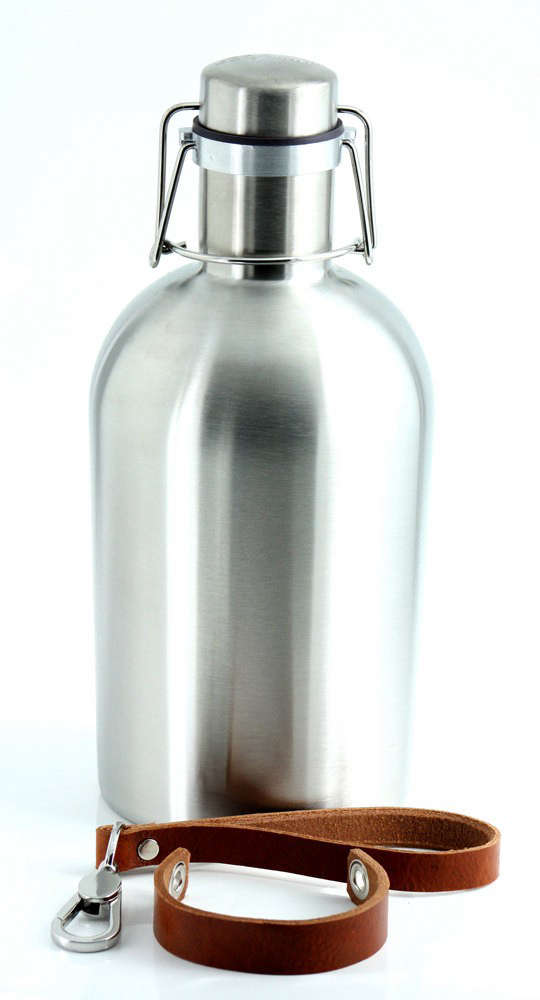
A stainless steel beer growler is what happens when craft beer culture meets outdoor gear and decides to stop messing around. It is tougher than glass, better at keeping beer cold, more road-trip friendly, and far less dramatic if it tips over in the trunk next to your camping chairs. In other words, it is the grown-up version of the old brown glass jug that once clanked around breweries like a nervous musical instrument.
For anyone who loves fresh draft beer, a stainless steel beer growler is more than a container. It is a portable promise: “Yes, I can take that hazy IPA, crisp pilsner, barrel-aged stout, or seasonal sour home without turning it into warm, flat sadness.” Whether you are buying beer from a neighborhood brewery, packing beverages for a picnic, or bringing cold brew coffee to a tailgate because adulthood is complicated, the right growler can make a noticeable difference.
This guide breaks down what a stainless steel beer growler is, why it matters, how it compares with glass, what features to look for, how to clean it, and how to avoid the classic growler mistakes that make brewers quietly sigh into their tap handles.
What Is a Stainless Steel Beer Growler?
A beer growler is a refillable container used to transport draft beer from a brewery, taproom, beer store, or home draft system. The most common size is 64 ounces, also known as a half gallon. That equals about four pints, which is enough for sharing, sampling, or pretending you bought it for “the group” when the group is mostly you and one loyal friend.
A stainless steel beer growler is made from durable stainless steel instead of glass, ceramic, or plastic. Many modern versions use double-wall vacuum insulation, which helps slow temperature change and keeps beer colder for longer. Some models are simple screw-top or swing-top containers. Others, like pressurized mini keg-style growlers, include CO2 systems, gauges, taps, and adjustable carbonation control.
Why Stainless Steel Beats Traditional Glass Growlers
1. Better Durability
Glass growlers have charm. They also have a special talent for shattering at the worst possible moment. Stainless steel is far more forgiving. It can handle camping trips, tailgates, backyard barbecues, boat days, garage fridges, and the occasional “oops” on concrete. You may dent it, but you are unlikely to create a sparkling crime scene of broken glass and lost beer.
2. Protection From Light
Beer and sunlight are not friends. Light exposure can create skunky flavors, especially in hop-forward beers. Brown glass helps, clear glass does not help much, and stainless steel blocks light completely. For IPAs, pale ales, pilsners, and other beers where fresh aroma matters, that light protection is a real advantage.
3. Temperature Control
Many stainless steel beer growlers are vacuum insulated. That means there is a gap between the inner and outer walls that reduces heat transfer. The result is simple: cold beer stays cold longer. This is especially useful if you are driving home from a brewery, heading to a campsite, or walking into a party where the fridge is already full of seven kinds of dip.
4. No Glass Flavor, No Plastic Liner
Quality stainless steel growlers are commonly made with food-grade stainless steel, often 18/8 stainless steel. A good stainless interior does not need a plastic liner and should not add flavor to beer when properly cleaned. That matters because nobody orders a saison hoping for tasting notes of “old bottle cap and mysterious cupboard.”
Common Types of Stainless Steel Beer Growlers
Standard Stainless Steel Growler
This is the simplest type. It usually has a 64-ounce capacity, a screw cap or swing-top lid, and a wide mouth for filling and cleaning. It is great for short-term transport from brewery to home. Once opened, the beer should be enjoyed soon because carbonation begins to escape.
Vacuum-Insulated Growler
This is the most popular upgrade. Brands such as Stanley-style insulated growlers and similar designs focus on cold retention, leak resistance, easy pouring, and rugged handles. These are excellent for outdoor use because they help keep beer cold without requiring a cooler full of ice.
Pressurized Stainless Steel Growler
A pressurized growler is closer to a tiny keg. These systems often use CO2 cartridges to help maintain carbonation and push beer through a tap. They cost more, require more cleaning, and involve extra parts, but they can keep beer fresher for longer than a basic growler. They are ideal for serious craft beer fans, homebrewers, and people who believe every picnic deserves a tap handle.
Mini Keg Growler
Mini keg-style growlers may come in 64-ounce, 128-ounce, or larger sizes. They are designed for serving multiple people and may include dispensing systems. These are less “quick brewery run” and more “I am hosting, and yes, I brought infrastructure.”
Key Features to Look For
Capacity
The standard size for a beer growler is 64 ounces. This is a practical choice because many breweries are familiar with it, and it fits well in refrigerators and coolers. Larger 128-ounce models are great for gatherings, but they are heavier and less convenient for casual use.
Insulation
If you plan to use your growler outside, choose double-wall vacuum insulation. A non-insulated stainless growler is still durable and light-blocking, but it will not keep beer cold nearly as long. For hiking, camping, tailgating, or summer brewery runs, insulation is worth it.
Lid Design
The lid is where freshness either gets protected or quietly escapes. Look for a tight seal, sturdy threads, and replaceable gaskets if available. Swing-top lids can feel classic and secure, while screw caps are simple and easy to clean. Pressurized models require more attention because seals, cartridges, and regulator parts must all work correctly.
Wide Mouth Opening
A wide mouth makes filling easier and cleaning much less annoying. If your hand or a bottle brush can reach inside, you are more likely to clean the growler properly. Beer residue is not sentimental; do not let it move in and start a family.
Easy Pouring
A good growler should pour smoothly without glugging like a swamp creature. Handles, vented lids, and well-shaped mouths all help. If you regularly serve beer to guests, pour control matters because foam is wonderful in a glass and tragic on a picnic blanket.
Dishwasher Safety
Some stainless growlers or parts may be dishwasher-safe, but many manufacturers recommend hand washing, especially for lids, gaskets, and pressurized components. Always check the care instructions. When in doubt, warm water, proper cleaner, and a bottle brush are safer than tossing a complex lid into the dishwasher and hoping for spiritual growth.
How Long Does Beer Stay Fresh in a Stainless Steel Growler?
The honest answer is: not forever, and definitely not as long as optimism says. A basic non-pressurized growler is best opened within a short window after filling, often within a few days, depending on the filling method, beer style, sanitation, and storage temperature. Once opened, the beer should usually be consumed the same day or within about 24 hours for best flavor and carbonation.
Pressurized growlers can extend freshness because CO2 helps maintain carbonation and reduce oxygen exposure. Some systems are designed to keep beer carbonated for much longer than a standard growler. However, they only perform well when cleaned correctly, sealed properly, kept cold, and used according to the manufacturer’s instructions.
The biggest enemies of growler beer are oxygen, heat, light, and poor sanitation. Stainless steel helps with light and durability. Insulation helps with temperature. A good fill and clean container help with oxygen and freshness. The drinker helps by not leaving the growler in a hot car while “just running into the store” for 42 minutes.
Best Beer Styles for a Stainless Steel Growler
Some beers are more growler-friendly than others. Fresh draft beer is always time-sensitive, but certain styles hold up better during short-term transport.
- Great choices: pilsners, lagers, pale ales, amber ales, porters, stouts, wheat beers, and lower-oxygen-sensitive styles.
- Drink quickly: hazy IPAs, heavily dry-hopped IPAs, delicate saisons, fruited sours, and beers with bright aromatics.
- Use caution: high-carbonation beers, bottle-conditioned beers, or anything the brewery says should not go into a growler.
When in doubt, ask the brewery. Brewers know how their beer behaves, and most would rather give you advice than watch their carefully made lager become a science experiment in your garage fridge.
How to Clean a Stainless Steel Beer Growler
Clean It Immediately
The best time to clean a growler is right after it is emptied. Rinse it with warm water several times, then let it air dry completely. Do not seal it while wet. A closed, damp growler can develop odors, mold, or funky residue. That funk may be interesting in a farmhouse ale, but not in your container.
Use the Right Cleaner
For deeper cleaning, use a brewery-safe cleaner or growler cleaning tablet designed for stainless steel. Avoid oily detergents, scented soaps, and anything that leaves residue. Beer is excellent at exposing cleaning mistakes. One lavender-scented soap incident can turn your stout into a spa treatment nobody requested.
Brush the Interior
A long-handled bottle brush helps remove residue from the bottom and corners. Pay special attention to threads, caps, gaskets, and tap parts. The lid often holds more odor than the body of the growler.
Air Dry With the Lid Off
After washing, place the growler upside down on a drying rack or leave it open in a clean area. Store it with the cap off or loosely attached so air can circulate.
Stainless Steel Growler vs. Glass Growler
Glass growlers are affordable, easy to see through, and widely accepted at breweries. They are also fragile, poor at temperature control, and vulnerable to light exposure unless made from dark amber glass. Stainless steel growlers cost more upfront, but they offer better durability, better light protection, and often better insulation.
If you only fill a growler once or twice a year and drive straight home, glass may be fine. If you camp, travel, attend tailgates, visit breweries often, or simply dislike the sound of breaking glass followed by emotional damage, stainless steel is the better long-term choice.
Buying Tips: How to Choose the Right Stainless Steel Beer Growler
For Casual Brewery Visits
Choose a 64-ounce insulated stainless steel growler with a reliable lid and wide mouth. It should be easy to carry, simple to clean, and accepted by your local brewery. Avoid overly complicated designs if you just want fresh beer for dinner.
For Camping and Outdoor Trips
Prioritize insulation, leak resistance, handle comfort, and rugged construction. A growler that keeps beer cold and survives being wedged next to firewood is your friend.
For Homebrewers
Consider a pressurized growler or mini keg system. These offer better carbonation control and serving flexibility. Just remember that pressure-rated equipment, correct CO2 use, and careful cleaning are essential.
For Gifts
A stainless steel beer growler makes an excellent gift for craft beer lovers, especially when paired with a brewery gift card. Add two proper beer glasses and suddenly you look thoughtful, cultured, and suspiciously organized.
Safety and Storage Mistakes to Avoid
Never overfill a growler. Beer needs proper headspace, and overfilling can create pressure issues. Do not leave a filled growler in a hot car, direct sun, or near a heat source. Keep it cold and upright when possible.
Do not use a standard growler for fermentation or bottle conditioning unless it is specifically designed and rated for that purpose. Carbonation pressure can be dangerous in containers not built for it. Growlers are for transporting finished beer, not for gambling with physics.
Also, do not bring a dirty growler to a brewery and expect enthusiasm. Many breweries will refuse to fill containers that are visibly dirty or questionable. This is not personal. It is beer hygiene, which is like regular hygiene but with more foam.
Real-Life Experiences With a Stainless Steel Beer Growler
The first thing you notice when using a stainless steel beer growler is confidence. With glass, every brewery trip feels a little like transporting a newborn vase. You place it carefully on the car floor, avoid potholes, and pray nobody swings a backpack into it. Stainless steel changes the mood. You still treat it with respect, but you no longer feel like one bad corner will ruin the afternoon.
On a hot summer brewery run, insulation becomes the hero. A fresh 64-ounce fill of pale ale can survive the ride home much better in a vacuum-insulated growler than in a regular glass jug. The beer stays colder, the aroma feels fresher, and the first pour does not taste like it spent time in a sauna discussing its life choices. This is especially noticeable with crisp lagers and hop-forward beers, where temperature and freshness make a big difference.
Camping is where stainless steel really earns its keep. A growler can sit in a cooler, ride in a truck bed, or get carried to a picnic table without causing panic. It is perfect for sharing around a fire, especially when cans feel too ordinary and a full keg is wildly unnecessary. The wide mouth makes it easy to fill, and a sturdy handle makes it easier to pour without creating a foam volcano. After a long hike, opening a cold growler at camp feels like receiving a medal, except the medal is drinkable.
Another underrated experience is using a stainless steel growler for beverages beyond beer. Cold brew coffee, iced tea, sparkling water, cider, kombucha, and batch cocktails can all work well if the growler is cleaned properly and the lid is suitable for carbonation. A good growler becomes a year-round tool, not just a brewery accessory. It is the kind of item that starts in the beer cabinet and somehow becomes essential for road trips, brunches, beach days, and family gatherings where someone always forgot ice.
There are a few lessons learned the practical way. First, clean the growler immediately. Waiting until the next morning may seem harmless, but beer residue has ambition. Second, store it open and dry. Third, do not assume every brewery has the same growler policy. Some fill only their own branded containers, some inspect outside growlers carefully, and some may prefer certain lid styles. Calling ahead can save you from standing at the counter holding an empty growler like a rejected medieval offering.
Finally, a stainless steel beer growler makes you more intentional about beer. Instead of grabbing random cans, you start thinking about what is fresh, local, seasonal, and worth sharing. You talk to brewery staff. You ask what was tapped that day. You learn which beers should be consumed immediately and which can handle a little travel. In that sense, the growler is not just a container. It is a small ritual: choose well, keep it cold, pour carefully, clean responsibly, repeat happily.
Conclusion
A stainless steel beer growler is one of the smartest upgrades for anyone who enjoys fresh draft beer outside the brewery. It protects beer from light, handles rough travel better than glass, keeps beverages colder when insulated, and looks good doing it. Whether you choose a simple 64-ounce model or a pressurized mini keg system, the best growler is the one that fits your habits.
For casual drinkers, a durable insulated stainless steel beer growler is practical, reusable, and easy to love. For outdoor enthusiasts, it is a reliable companion for camping, tailgating, and backyard gatherings. For serious beer fans, a pressurized growler can bring the taproom experience closer to home. Just remember the golden rules: start with a clean growler, keep the beer cold, avoid oxygen and heat, drink it fresh, and clean the container before it becomes haunted.
In the end, a stainless steel beer growler does not magically make beer better. It simply gives good beer a fighting chance to stay good from tap to glass. And honestly, that is a noble mission for a metal jug.