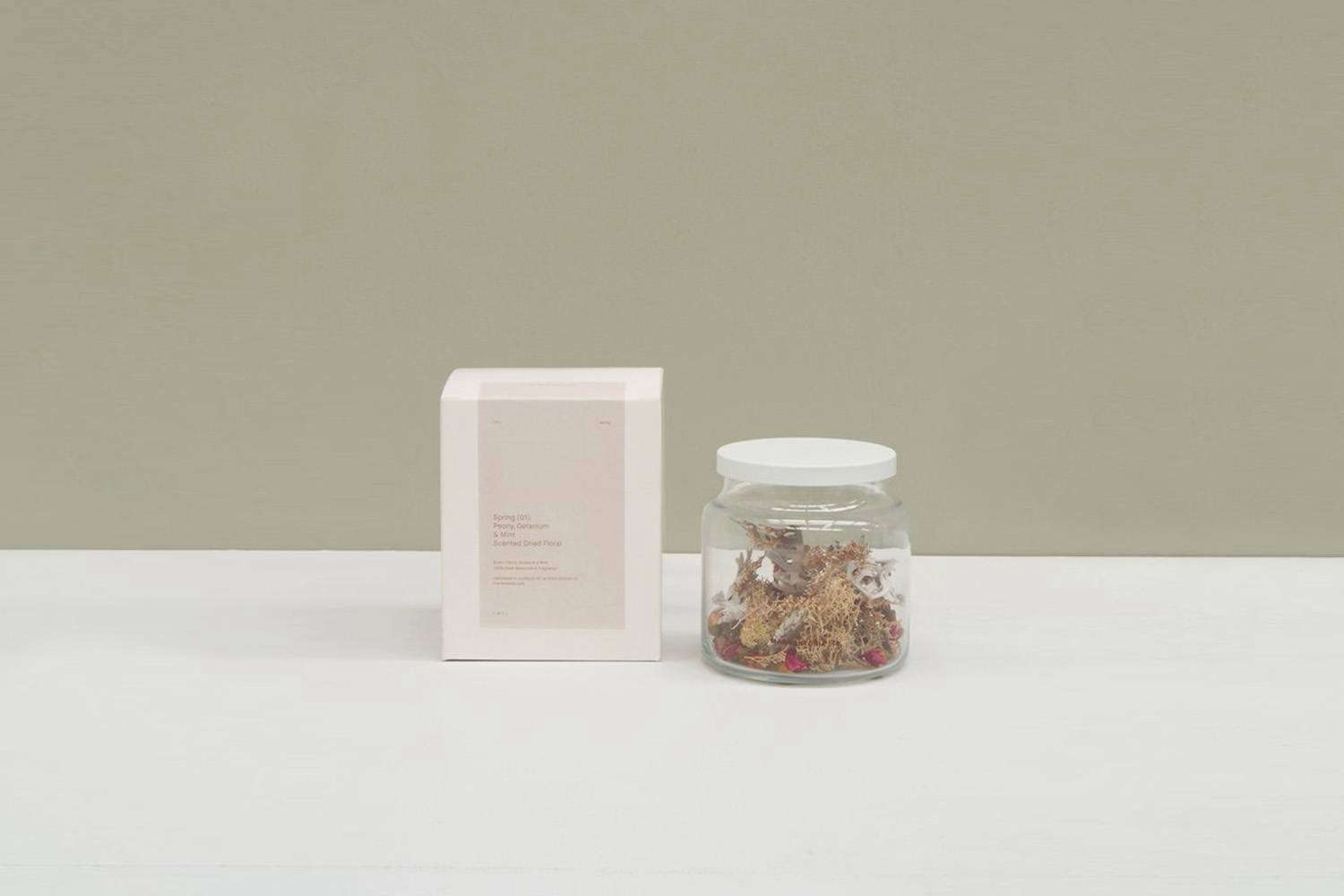
Spring arrives with open windows, muddy shoes, ambitious cleaning plans, and the sudden realization that the living room still smells faintly like winter. A spring scented dried arrangement offers a gentler solution than spraying artificial fragrance in every direction. By combining dried flowers, aromatic herbs, citrus peel, seed pods, and carefully selected fragrance oils, you can create home decor that looks botanical and releases a light, garden-inspired aroma.
The phrase “spring scented dried” may sound like three words that met accidentally in a search bar, but it describes a genuinely useful decorating idea: dried botanical materials blended or arranged to capture the fresh, floral, green, and citrusy character of spring. Think lavender, rose petals, lemon verbena, mint, delicate flowers, and pale natural texturesnot a bowl that smells as though an entire perfume department fell into it.
What Does Spring Scented Dried Mean?
In practical terms, spring scented dried decor includes potpourri, sachets, wreaths, bouquets, wax ornaments, and decorative bowls made with preserved plant materials. Some ingredients contribute fragrance naturally, while others mainly add color, shape, and texture. A small amount of essential oil or fragrance oil may then be added to strengthen the overall scent.
Traditional dry potpourri is a mixture of thoroughly dried herbs, flower petals, spices, and a fixative that absorbs fragrance and releases it gradually. Roses and lavender are common base ingredients, while rosemary, thyme, mint, lemon balm, scented geranium, and sweet marjoram can add aromatic complexity.
The result is both decorative and functional. It can brighten a coffee table, freshen a linen closet, add personality to a guest bathroom, or turn an ordinary gift into something that looks suspiciously expensive.
Why Dried Botanicals Are Perfect for Spring Decorating
They Last Longer Than Fresh Bouquets
Fresh tulips and daffodils are beautiful, but they have the emotional stability of a soap-opera character. One day they are standing proudly; the next, they are leaning dramatically over the vase. Properly dried botanicals can remain attractive for months and sometimes much longer when protected from humidity, direct sunlight, and rough handling.
They Create Fragrance Without an Open Flame
A bowl of scented dried flowers provides passive fragrance, making it useful in spaces where a candle is inconvenient. Sachets can be placed in drawers, closets, luggage, or storage boxes. Covered potpourri containers can be opened only when fragrance is desired, which also helps the scent last longer.
They Make Use of Garden and Bouquet Leftovers
Flowers from a garden, farmers market, birthday bouquet, or special event do not necessarily need to go directly from the vase to the compost pile. Suitable blooms can be dried for wreaths, framed art, vase arrangements, gift toppers, or potpourri. Dried seed pods, grasses, twigs, cones, and foliage can also add structure and visual interest.
They Fit Many Decorating Styles
A spring scented dried arrangement can look rustic, romantic, minimalist, cottage-inspired, modern, or delightfully chaotic. Pale hydrangeas and white statice suit neutral interiors, while calendula, marigold, and citrus peel provide brighter color. Lavender and eucalyptus create a cooler palette, although eucalyptus products require extra care in homes with pets.
Best Materials for a Spring Scented Dried Blend
Fragrant Flowers
Lavender is the obvious star because its flower spikes retain a recognizable scent after drying. Fragrant rose petals provide a soft floral base, especially when harvested from strongly scented varieties. Chamomile contributes small daisy-like flowers and a gentle herbal aroma, while peony petals offer romantic color even though their natural fragrance usually weakens during drying.
Other visually effective choices include strawflower, statice, globe amaranth, celosia, yarrow, larkspur, baby’s breath, marigold, zinnia, and hydrangea. Strawflower, statice, gomphrena, celosia, and yarrow are especially useful because their firm or papery blooms tend to dry successfully.
Aromatic Herbs and Leaves
Herbs bring the green side of spring into a dried blend. Good options include:
- Lavender leaves and flowers for a clean floral note
- Lemon balm or lemon verbena for citrus freshness
- Rosemary for an evergreen, garden-like aroma
- Mint for a cool and lively scent
- Thyme for an earthy herbal background
- Scented geranium leaves for rose, lemon, or spicy notes
- Sweet marjoram for a warm, softly herbal finish
Harvest aromatic herbs shortly before flowering, preferably after the morning dew has evaporated. Drying them at excessive temperatures can reduce their aromatic oils, so slow drying in a shaded, well-ventilated place is usually preferable.
Citrus, Spices, and Textural Ingredients
Thin slices of dried lemon or orange can give a blend instant spring brightness. Make sure they are fully dehydrated before mixing them with flowers; leftover moisture is an engraved invitation for mold.
Whole spices such as cloves, lightly crushed coriander, cardamom pods, or a small piece of cinnamon can support the floral materials. Use restraint. The goal is “fresh garden,” not “December wandered into the wrong party.”
For texture, add seed pods, small pinecones, bleached grasses, dried fern, curly willow, tiny twigs, or paper-thin leaves. These ingredients create height and contrast without overwhelming the fragrant materials.
How to Dry Flowers and Herbs Successfully
Air Drying
Air drying is inexpensive and works well for lavender, statice, baby’s breath, yarrow, strawflower, globe amaranth, celosia, herbs, grasses, and many seed heads.
- Choose healthy materials without insect damage, discoloration, or moisture.
- Harvest after dew or rain has completely dried.
- Remove most lower leaves from the stems.
- Gather the stems into small bundles and secure them with rubber bands or string.
- Hang the bundles upside down in a warm, dark, dry, well-ventilated space.
- Check them regularly and remove any material showing signs of mold.
Depending on the plant and room conditions, air drying commonly takes one to three weeks. Small bundles are important because tightly packed stems hold moisture. Flowers are ready when the petals and stems feel dry and firm rather than cool or flexible.
Silica Gel Drying
Silica gel is useful for roses, daisies, zinnias, peonies, and other flowers whose shape may collapse during air drying. The crystals draw out moisture while supporting the petals.
- Pour one or two inches of silica gel into an airtight container.
- Trim each flower, leaving a short stem.
- Place the bloom upright on the gel.
- Slowly spoon more gel around and between the petals.
- Cover the flower completely without crushing it.
- Seal the container and follow the drying time recommended for the flower and product.
- Remove the bloom carefully and clean away residue with a soft artist’s brush.
Silica gel generally preserves flower shape and color better than simple hanging because it removes moisture relatively quickly. However, the finished petals will be brittle and should be handled with the level of caution normally reserved for potato chips near a white sofa.
Pressing
Pressing is ideal for pansies, violets, daisies, ferns, delicate leaves, and individual petals. Place the materials between sheets of absorbent, nonglossy paper, then add a flat board and heavy books. Replace damp paper when necessary. Pressed flowers can be used in framed art, greeting cards, bookmarks, gift tags, or clear glass displays.
A Simple Spring Scented Dried Potpourri Recipe
This flexible recipe creates a soft floral-citrus blend suitable for a decorative bowl or several small sachets.
Ingredients
- 2 cups dried rose petals
- 1 cup dried lavender flowers
- 1 cup dried lemon balm or lemon verbena leaves
- 1 cup dried statice, chamomile, or calendula
- 1/2 cup completely dried lemon or orange peel
- 1 tablespoon whole cloves or lightly crushed coriander seeds
- 1 ounce orris root or another potpourri fixative
- 5 to 10 drops of a suitable fragrance or essential oil
Directions
- Confirm that every botanical ingredient is completely dry.
- Place the fixative in a glass jar and add the fragrance oil.
- Close the jar, shake gently, and allow the fixative to absorb the oil for several hours.
- Combine the dried flowers, herbs, citrus, and spices in a large nonmetallic bowl.
- Add the scented fixative and mix carefully with a wooden or silicone spoon.
- Transfer the mixture to a jar with a tight-fitting lid.
- Store it in a cool, dark place for four to eight weeks, shaking it gently every few days.
- Display a small portion in a decorative bowl and keep the remainder sealed.
Research-based extension recipes commonly use several cups or quarts of dried botanicals with approximately one ounce of fixative and only a small number of fragrance drops. Allowing the sealed mixture to season helps the individual aromas combine instead of behaving like strangers trapped in an elevator.
How to Create a Balanced Spring Fragrance
A successful scent usually contains several layers rather than one overpowering ingredient.
Start With a Fresh Top Note
Lemon, bergamot, grapefruit, mint, or lemon verbena creates the first bright impression. Citrus aromas are cheerful and clean, but they can dominate a blend, so begin with fewer drops than you think you need.
Add a Floral Heart
Lavender, rose, jasmine-inspired fragrance, geranium, or lilac-style oil provides the central spring character. Combining one main floral note with one softer supporting note usually produces a cleaner result than mixing every flower in the fragrance cabinet.
Finish With a Grounding Base
A tiny amount of cedarwood, sandalwood, vetiver, or orris can make a floral blend feel warmer and help prevent the citrus notes from disappearing too quickly. The base should remain subtle. Your potpourri should smell like a spring garden, not an antique wardrobe attempting to tell its life story.
Ways to Use Spring Scented Dried Botanicals
Decorative Bowls
Place potpourri in a shallow ceramic, glass, or wooden bowl. Choose a container wide enough to reveal the different petals, herbs, and seed pods. Avoid placing it in direct sunlight, which can fade colors and accelerate fragrance loss.
Drawer and Closet Sachets
Fill cotton, linen, or organza bags with finely textured potpourri. Sachets work well in clothing drawers, linen closets, gym bags, or suitcases. Keep oily ingredients from touching delicate fabric directly.
Spring Wreaths
Attach dried statice, lavender, strawflower, grasses, and herbs to a grapevine wreath. Fragrance can be added to a hidden piece of absorbent wood or fixative rather than dripped directly onto visible petals.
Dried Bouquets
Combine tall grasses and branches with smaller flowers, then add fragrant lavender, rosemary, or scented geranium foliage. Use an opaque vase to hide wired stems and reinforce fragile flowers where necessary.
Gift Toppers and Place Settings
A tiny bundle of lavender and statice tied with cotton ribbon can decorate a wrapped present, napkin, menu, or place card. It looks polished while requiring approximately the same artistic credentials as tying your shoes.
How to Store and Refresh the Fragrance
Keep unused dried botanicals in airtight glass jars or sealed containers in a cool, dry, dark location. Light fades petals, heat speeds fragrance evaporation, and humidity encourages mold. Dried herbs stored under suitable conditions can retain useful quality for many months, although decorative mixtures should always be discarded if they develop dampness, an unpleasant odor, visible mold, or insects.
To refresh an older blend, return it to a sealed jar, add two or three drops of fragrance to the fixative rather than directly onto delicate petals, and shake gently. Let the mixture rest for several days before displaying it again. Adding too much oil at once can create greasy spots and a scent strong enough to announce itself from another zip code.
Important Fragrance and Household Safety Tips
Natural does not automatically mean harmless. Concentrated essential oils should be used according to their labels and stored out of the reach of children and pets. Oils can cause skin reactions, and some may be toxic when swallowed or improperly handled.
Fragrance can also bother people with asthma, migraines, allergies, or chemical sensitivities. The U.S. Environmental Protection Agency notes that fragrance exposure may trigger asthma episodes or other adverse reactions in some sensitive individuals. Use a light concentration, provide ventilation, and remove the blend if anyone experiences discomfort.
Pet owners should research every botanical and oil before using it. Keep scented arrangements where animals cannot chew them, rub against them, or knock them over. The ASPCA advises additional caution when pets have respiratory problems and recommends avoiding essential oil diffusers around birds because their respiratory systems are especially sensitive.
A Practical Experience With Spring Scented Dried Decor
A realistic spring dried-flower project usually begins with excessive confidence. You gather a bouquet, a few herb stems, two oranges, some ribbon, and enough craft supplies to suggest that a television crew may arrive at any moment. Then you discover the first important lesson: successful dried decor depends more on patience than artistic talent.
The easiest starting point is a small batch. A few stems of lavender, statice, rosemary, and baby’s breath are far more manageable than trying to preserve every flower within driving distance. Small bundles dry evenly, are easier to inspect, and reduce the chance of hidden moisture. Labeling them also helps. Dried lemon balm and dried mint can look surprisingly similar after two weeks in a dark closet, particularly before coffee.
The second lesson is that flowers do not always keep their fresh colors. Purple blooms may darken, white flowers may become cream-colored, and bright pink petals may settle into softer antique shades. This is not necessarily a failure. Dried botanicals develop a quieter palette that often looks more natural in home decor. Choosing several shades instead of demanding an exact color gives the finished arrangement more depth.
The fragrance stage is where restraint becomes heroic. When a freshly mixed batch seems weak, the natural impulse is to add another generous splash of oil. That is usually how “delicate spring breeze” becomes “floral thunderstorm.” A better approach is to add only a few drops to the fixative, seal the mixture, and wait. The scent often becomes stronger and more unified after several days.
Texture matters as much as fragrance. A bowl containing only petals can look flat and settle into a dense layer. Adding small seed pods, curled citrus peel, rosemary sprigs, pale grasses, or miniature cones creates air spaces and makes the display more interesting. Large ingredients should be used sparingly so the arrangement does not resemble landscaping debris collected after a windy afternoon.
Placement changes the experience too. In a small bathroom, a lightly scented sachet may be enough. A larger living room may suit an open decorative bowl that is stirred occasionally. In a bedroom, a covered container offers more control because it can be closed when the scent becomes distracting. Dried botanicals should not be placed beside a steamy shower, humidifier, sunny window, stove, or open flame.
Over time, dust becomes the uninvited guest. Decorative bowls can be protected with a loose cover when not in use, while bouquets can be cleaned with a very gentle stream of cool air. Aggressive dusting is not recommended unless the desired decorating style is “petals scattered across the entire floor.”
The most satisfying part of the project is its flexibility. A batch does not need to match a professional formula perfectly. If the rose is too sweet, add more rosemary or citrus peel. If the blend looks dull, introduce calendula, strawflower, or a pale ribbon. If the scent weakens, refresh the fixative instead of throwing everything away.
Spring scented dried decor works best when it feels personal. Garden clippings, flowers from a meaningful bouquet, herbs from a kitchen planter, and locally collected seed heads can turn an ordinary arrangement into a seasonal keepsake. The finished piece may not look identical to the carefully staged version online, but it will have something better: a connection to an actual place, moment, or memory.
Conclusion
Spring scented dried botanicals combine long-lasting decor with a customizable home fragrance. The process is simple: choose suitable flowers and herbs, dry them thoroughly, create a balanced blend, add a modest amount of scent, and protect the finished materials from moisture, sunlight, children, and pets.
Begin with lavender, rose, lemon balm, statice, rosemary, or citrus peel, then adjust the colors and fragrance to suit your space. With careful drying and sensible storage, a small piece of the spring garden can remain indoors long after the fresh flowers have finished their brief but dramatic performance.
Note: This article treats “Spring Scented Dried” as spring-inspired dried botanical decor, including potpourri, bouquets, sachets, and wreaths. Decorative plant materials and fragrance oils are not intended for eating unless every ingredient has been specifically identified, safely grown, and prepared for culinary use.