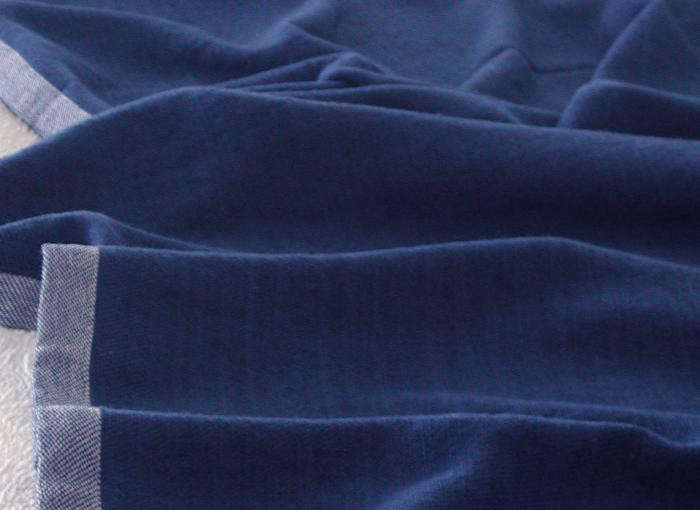
A solid indigo blanket sounds simple: one blanket, one color, no dramatic floral parade, no geometric pattern doing cartwheels across your bed. But do not let the word “solid” fool you. A well-chosen solid indigo blanket can do serious design work. It can soften a modern bedroom, calm a busy living room, make a guest bed look intentionally styled, and rescue a neutral sofa from looking like it gave up halfway through decorating.
Indigo sits in that magical blue zone between classic navy and softer denim. It feels grounded, relaxed, and quietly stylish. Unlike a trendy color that arrives loudly and disappears by next season, indigo has staying power. It has roots in ancient textile traditions, yet it looks completely at home in a minimalist apartment, a coastal bedroom, a farmhouse guest room, or a moody reading nook with one suspiciously overwatered plant.
This guide explores what makes a solid indigo blanket worth considering, how to choose the right material, how to style it, how to care for it, and why this deep blue bedding piece can become one of the most useful layers in your home.
What Is a Solid Indigo Blanket?
A solid indigo blanket is a blanket made in a consistent indigo-blue shade without major printed patterns. It may be cotton, wool, fleece, acrylic, linen blend, bamboo-derived fabric, or a mixed textile. Some versions are lightweight throws for sofas and chairs. Others are full-size bed blankets designed to sit between sheets and a comforter or to work as a top layer during warmer months.
The “solid” part matters because it makes the blanket extremely versatile. Patterned blankets can be gorgeous, but they often compete with rugs, curtains, pillows, artwork, and bedding. A solid indigo blanket behaves more like a design anchor. It adds color without shouting. It can be folded neatly across the foot of a bed, tossed casually over a reading chair, layered under a quilt, or used as the emergency “movie night has become a survival mission” blanket.
Why Indigo Works So Well in Home Decor
Indigo is not just “blue, but darker.” It has personality. It can look earthy, coastal, traditional, artistic, or modern depending on what surrounds it. Pair it with white and it feels crisp. Pair it with tan leather and it feels warm. Pair it with brass and it becomes elegant. Pair it with gray and it becomes calm and urban. Pair it with too many snacks on the couch and, fortunately, it is darker than oatmeal.
Indigo Has Historical Depth
Indigo dye has been used across many ancient cultures and became one of the most important dyes in textile history. Traditionally, natural indigo came from plants, while modern indigo-colored textiles may use synthetic dyes or other modern dye systems. Either way, the color carries a handmade, heritage-inspired feeling that many people associate with denim, workwear, traditional craft, and long-lasting fabrics.
Indigo Is Easy to Style
A solid indigo blanket is especially useful because blue is one of the most adaptable colors in interior design. It works with warm woods, cool metals, natural fibers, white walls, beige upholstery, black accents, and patterned pillows. If your room already has blue in artwork, rugs, ceramics, or curtains, an indigo blanket can pull the palette together without making the space look overly matched.
Indigo Feels Calm Without Feeling Boring
Many people choose blue tones for bedrooms because blue is widely associated with calm, rest, and a soothing visual mood. A solid indigo blanket gives you that quiet effect while still feeling rich and substantial. Pale blue can feel airy; navy can feel formal; indigo lands in the comfortable middle, like a color that knows how to relax but still owns a good jacket.
Best Materials for a Solid Indigo Blanket
The best solid indigo blanket depends less on color and more on fiber, weave, weight, and purpose. A blanket for summer layering should not feel like a portable sauna. A winter blanket should not be so thin that it offers only moral support. Here are the most common materials to consider.
Cotton Indigo Blanket
Cotton is a favorite for blankets because it is soft, breathable, absorbent, and easy to live with. A cotton solid indigo blanket is a strong choice for year-round use, especially in bedrooms where you want comfort without excessive heat. Cotton blankets can be woven in waffle, thermal, herringbone, basketweave, or plain-weave textures, each giving the same color a different personality.
A waffle-weave indigo cotton blanket feels casual and breathable. A tighter woven cotton blanket feels smoother and more polished. A chunky cotton knit looks cozy and decorative, though it may stretch more over time. If you want one reliable blanket for a guest room, a medium-weight cotton version is a smart starting point.
Wool Indigo Blanket
Wool is excellent for warmth, insulation, and temperature regulation. A wool solid indigo blanket works beautifully in colder climates, cabins, drafty rooms, and winter bedding setups. Wool can feel rustic or refined depending on the finish. Merino wool tends to be softer, while traditional wool blankets may feel sturdier and more textured.
The trade-off is care. Many wool blankets require dry cleaning, gentle hand washing, or very careful cold-water care. Wool can shrink or felt if exposed to heat and agitation. In other words, do not treat your wool blanket like gym socks unless you want it to become a very expensive placemat.
Fleece or Microfiber Indigo Blanket
Fleece and microfiber blankets are popular because they are soft, affordable, lightweight, and warm. A solid indigo fleece blanket is perfect for movie nights, dorm rooms, children’s rooms, pet-friendly spaces, or anyone who values cozy comfort over heirloom textile romance.
Fleece is usually easy to wash, but it does best with cool water, gentle cycles, mild detergent, and low heat or air drying. High heat can damage synthetic fibers and reduce softness. Fabric softener can also affect fleece texture, so read the care tag before attempting laundry heroics.
Linen or Cotton-Linen Indigo Blanket
Linen and cotton-linen blends are excellent for a relaxed, breathable look. They often have a naturally rumpled texture, which is wonderful if your design style says “effortless European cottage” and less wonderful if you demand military-level smoothness from your bedding.
A linen-blend solid indigo blanket works well in spring, summer, and layered bedding schemes. It looks especially good with white sheets, wood furniture, woven baskets, and ceramic lamps.
Organic or Certified Textile Options
If you care about textile safety or sustainability claims, look for clear labels and credible certifications. OEKO-TEX Standard 100 indicates that a textile has been tested for harmful substances. For organic claims, look for certifications such as GOTS and verify that the finished product, not just one ingredient, is certified. Also check the fiber-content label. In the United States, most textile and wool products must disclose fiber content, country of origin, and the responsible manufacturer or business.
How to Choose the Right Solid Indigo Blanket
Pick the Right Size
For a sofa throw, common sizes often hover around 50 by 60 inches, though dimensions vary. This size is easy to fold, drape, and share with exactly one polite adult or one pet who refuses to share. For a bed blanket, choose a size that matches your mattress: twin, full/queen, or king. Oversized blankets are useful if you like a generous tuck, have a tall mattress, or share bedding with someone who becomes a blanket thief after midnight.
Choose the Right Weight
Blanket weight affects comfort more than many shoppers realize. Lightweight cotton or linen is better for warm sleepers and hot climates. Medium-weight cotton is the all-around champion for layering. Wool and dense fleece are better for cold seasons. If your bedroom is already warm, a heavy blanket may interrupt sleep instead of improving it.
Look at Texture
Because a solid indigo blanket has no busy pattern, texture becomes the star. Waffle weave adds casual depth. Ribbed cotton feels modern. Herringbone looks tailored. Chunky knit adds drama. Smooth fleece feels plush. Brushed wool feels classic. If the blanket will sit on display, texture matters almost as much as softness.
Check the Care Label Before Buying
The most beautiful blanket in the world becomes less charming when the care label says it requires the emotional and financial commitment of a rare orchid. If you have kids, pets, frequent guests, or a habit of drinking coffee near fabric, choose machine-washable materials. If the blanket is mainly decorative, dry-clean-only care may be acceptable.
How to Style a Solid Indigo Blanket
On the Bed
Fold a solid indigo blanket across the foot of the bed for a hotel-inspired look. With white sheets, it creates a clean contrast. With beige, ivory, or oatmeal bedding, it adds depth. With gray bedding, it keeps the room cool and modern. For a layered look, place it between a sheet set and a quilt, letting a few inches of indigo show at the top.
If your bedroom already includes blue artwork or a patterned rug, the blanket can repeat the color in a subtle way. This makes the room feel designed rather than accidentally assembled during a furniture sale panic.
On the Sofa
Drape the blanket over one sofa arm for a relaxed look, or fold it lengthwise and place it over the back of the sofa for a cleaner style. On a white, cream, gray, camel, or brown sofa, indigo adds instant contrast. On a navy sofa, choose a slightly lighter or more textured indigo blanket so the layers do not disappear into one giant blue rectangle.
In a Reading Nook
A solid indigo throw blanket belongs in a reading chair. Add a small side table, a warm lamp, and a basket for books or magazines. The blanket makes the corner feel intentional. Even if you only read three pages before scrolling your phone, the nook will still look excellent.
With Patterns
Indigo pairs well with stripes, block prints, ticking patterns, florals, paisley, checks, and global-inspired textiles. Because the blanket is solid, it calms patterns around it. Try indigo with white-and-blue striped pillows for coastal style, rust pillows for warmth, mustard accents for contrast, or cream and wood tones for a softer natural look.
How to Wash and Care for a Solid Indigo Blanket
Always start with the care label. That small tag may not look glamorous, but it is the blanket’s instruction manual and possibly its last will and testament if ignored.
General Washing Tips
Most washable blankets do best in cold water on a gentle cycle with mild detergent. Avoid overcrowding the washing machine, because bulky bedding needs room to move. If your blanket is large, use a high-capacity washer or a laundromat machine. For drying, low heat is safest for many cotton, fleece, and synthetic blankets, while air drying is often best for delicate fibers. Wool and faux fur usually need extra caution and may not belong in the dryer at all.
Protecting the Indigo Color
Deep blue textiles can fade if washed harshly. Wash similar colors together, avoid chlorine bleach, and use cool water unless the care label says otherwise. Turning the blanket inside out may help reduce surface abrasion. If the blanket uses natural indigo or garment-dyed fabric, some fading may be part of its charm, much like denim that tells a story over time.
Spot Cleaning
For small spills, blot instead of rubbing. Rubbing can push stains deeper and disturb the surface fibers. Use a gentle cleaner appropriate for the fabric, test it in a hidden area, and rinse lightly. Treat stains quickly, especially oily stains, because blankets have enough responsibilities without becoming a permanent nacho record.
Who Should Buy a Solid Indigo Blanket?
A solid indigo blanket is ideal for anyone who wants a practical layer that also improves the look of a room. It is especially useful for renters because it can transform a space without paint. It is great for guest rooms because indigo looks clean, welcoming, and gender-neutral. It works for minimalists because it adds color without clutter. It works for maximalists because it gives the eye a place to rest.
It is also a smart gift. A good blanket feels personal without requiring exact sizing like clothing. Choose cotton for broad appeal, fleece for casual coziness, wool for someone who appreciates natural fibers, and linen blend for a design-minded recipient.
Common Mistakes to Avoid
Buying Only for Color
Color matters, but comfort matters more. A stunning indigo blanket that feels scratchy, sheds constantly, or overheats you will spend most of its life in a closet. Touch the fabric if shopping in person. If buying online, read material details and care information closely.
Ignoring Scale
A small throw may look awkward on a king bed. A huge bed blanket may swallow a small accent chair. Measure before buying, especially if the blanket is meant for a specific piece of furniture.
Choosing the Wrong Shade
Indigo can lean bright, smoky, denim-like, purple-blue, or near navy. Compare the shade with your existing room colors. If your space has warm beige, wood, or leather, a slightly muted indigo may look better than a sharp electric blue. If your room is mostly gray and white, a richer indigo can prevent the space from feeling cold.
Experience Section: Living With a Solid Indigo Blanket
The first thing you notice about a solid indigo blanket is how quickly it makes a room look finished. I have seen plain bedrooms go from “temporary sleeping area” to “calm boutique guest room” with nothing more than white sheets, two pillows, and an indigo blanket folded at the foot of the bed. It is one of those rare home items that looks thoughtful even when you did not try very hard, which is honestly the dream.
In daily use, an indigo blanket is practical because the color is forgiving. A pale cream throw looks beautiful until real life enters the chat: coffee, pets, makeup, popcorn dust, and the mysterious smudge no one in the house will confess to. Indigo does not make messes invisible, but it is far less dramatic about everyday use. It handles a lived-in home with more grace than many lighter colors.
One of the best experiences is using a medium-weight cotton solid indigo blanket as a year-round layer. In spring, it can replace a heavy comforter. In summer, it can sit folded nearby for cool mornings. In fall, it adds warmth without bulk. In winter, it becomes part of a layered bedding system with sheets, quilt, and duvet. Instead of owning a different blanket for every minor weather mood, one good indigo blanket can play several roles.
It also changes personality depending on where you place it. On a bed, it feels restful. On a sofa, it feels casual and welcoming. In a basket beside the fireplace, it feels rustic. Over a leather chair, it feels tailored. Outside on a covered porch, it gives the space a relaxed weekend mood, especially with striped pillows or woven textures nearby.
Guests tend to notice it without making a big production of it. They may not say, “What a magnificent solid indigo textile layer,” because normal people do not speak like catalog copy. But they will say the room feels cozy, pulled together, or calm. That is the quiet power of a good blanket: it supports the atmosphere without demanding applause.
The only real challenge is care discipline. Dark blue blankets deserve gentle treatment. Wash them with similar colors, avoid high heat, and do not invite bleach to the party. If the blanket is wool, treat it like a respected elder. If it is cotton, keep it clean but do not overwash it unnecessarily. If it is fleece, protect softness by avoiding harsh heat and heavy fabric softener. A blanket that is cared for properly stays handsome longer, and the indigo color develops character rather than looking tired.
Overall, living with a solid indigo blanket feels easy. It is useful, attractive, forgiving, and adaptable. It does not lock you into one design style. It does not scream for attention. It simply makes the bed, sofa, chair, or reading corner feel more comfortable and more complete. That is a pretty good job description for one rectangle of fabric.
Conclusion
A solid indigo blanket is more than a blue layer for chilly nights. It is a practical design tool, a comfort piece, and a flexible accent that works across seasons and styles. Whether you choose cotton, wool, fleece, linen blend, or a certified organic textile, the best option is the one that fits your climate, care routine, budget, and personal sense of comfort.
Choose the right size, pay attention to texture, read the care label, and let indigo do what it does best: add depth, calm, and quiet confidence to your home. It may not solve every decorating problem, but it can absolutely make your bed look better, your sofa feel cozier, and your movie nights more respectable. That is a solid performance from a solid indigo blanket.