Flat roots have a special talent for ruining a good hair day before the coffee even kicks in. One minute your hair looks freshly styled, bouncy, and full of personality. The next minute, it has surrendered to gravity like it just read a sad poem. The good news? Getting volume at the roots of your hair does not require a celebrity glam squad, a suitcase of products, or a mysterious salon spell involving round brushes and dramatic lighting.
Root volume is mostly about smart prep, lightweight products, the right drying technique, and a few styling tricks that convince your hair to stand up for itself. Whether your hair is fine, thin, oily, straight, wavy, curly, long, short, color-treated, or simply committed to lying flat, these 14 steps will help you create lift where it matters most: right at the scalp.
Below, you will find practical, realistic methods for adding hair volume at the roots, including shower habits, blow-drying tips, root-lifting products, dry shampoo tricks, clipping methods, and style adjustments that make hair look fuller without making it feel crunchy, sticky, or like a helmet from 1987.
Why Your Roots Fall Flat
Before we fluff, lift, spray, and clip, it helps to understand the problem. Roots usually go flat because of oil, product buildup, heavy conditioner, excess moisture, long hair weight, fine hair texture, or styling habits that train the hair to sit in the same direction every day. Fine hair is especially prone to root collapse because each strand has a smaller diameter, meaning it may not have enough natural structure to hold lift for long.
That does not mean fine hair is doomed. It simply means your routine needs to focus on support, not weight. Think of root volume like building a tiny architectural masterpiece on your scalp. You need a clean base, lightweight structure, strategic airflow, and just enough finishing product to keep everything from giving up by lunch.
Simple Ways to Get Volume at the Roots of Your Hair: 14 Steps
1. Start With a Clean Scalp
Root volume begins in the shower. If your scalp is oily or coated with old styling products, your roots will struggle to lift. When shampooing, focus the product on your scalp rather than aggressively scrubbing the full length of your hair. Your scalp is where oil and buildup collect, while the ends usually need gentler care.
Use your fingertips, not your nails, to massage shampoo into the roots. This helps loosen oil, sweat, and product residue without irritating the scalp. Rinse thoroughly, because leftover shampoo can make hair feel dull and heavy. If your hair gets greasy quickly, a lightweight volumizing shampoo can be helpful. If your hair is dry, curly, or textured, wash based on your hair’s needs rather than following a strict daily schedule.
2. Keep Conditioner Away From the Roots
Conditioner is wonderful. Conditioner at the roots, however, can be the villain in your volume story. If your hair is fine, straight, or easily weighed down, apply conditioner from the mid-lengths to the ends only. This gives the driest parts of your hair softness and slip without flattening the scalp area.
If your hair is curly, coarse, or very dry, you may need more conditioning overall, but even then, choose placement carefully. Heavy creams, oils, and masks near the scalp can make roots look limp faster. For most people chasing root lift, the golden rule is simple: hydrate the ends, free the roots.
3. Rinse Really, Really Well
A rushed rinse can leave behind conditioner, shampoo, mask residue, or minerals from hard water. That invisible film may not seem like much, but it can turn fresh hair into “why does this already look tired?” hair. Spend extra time rinsing at the crown, around the hairline, and near the nape of the neck.
If your roots always look flat after washing, even when your hair is technically clean, buildup may be part of the issue. Try using a clarifying shampoo occasionally, especially if you use dry shampoo, hairspray, mousse, oils, or silicone-heavy styling products. Do not overdo it, though. Clarifying too often can make hair feel dry, which is not exactly the bouncy dream we are chasing.
4. Towel-Dry Gently Before Styling
Wet hair is more fragile than dry hair, so avoid rough towel rubbing. Instead, gently squeeze out excess water with a microfiber towel or soft cotton T-shirt. This removes moisture without creating frizz or breakage.
Why does this matter for root volume? Hair that is dripping wet takes longer to dry, and the roots may flatten under the weight of water before your styling products even get a chance to perform. Aim for damp hair, not soaking hair, before applying root-lifting products. Your products will spread more evenly, and your blow-dry will take less time.
5. Use a Root-Lifting Spray or Mousse
Root lifters are designed to add support at the scalp without coating the whole head in heavy product. A root-lifting spray works well for targeted volume, while mousse can add body through the roots and mid-lengths. The key is to use a small amount and apply it where lift is needed most: the crown, front hairline, and along the part.
Lift sections of damp hair and spray directly at the roots, or work a golf-ball-sized amount of mousse through the root area with your fingers. If your hair is very fine, start with less product than you think you need. You can always add more, but removing too much product usually requires starting over, and nobody wants a surprise second shampoo.
6. Blow-Dry the Roots First
If you want volume, do not let your roots air-dry flat against your scalp. Once roots dry in a flat position, they are much harder to lift. Start your blow-dry by focusing on the root area while your hair is still damp.
Use your fingers to lift hair away from the scalp while directing airflow at the roots. Move the dryer around instead of blasting one section for too long. Medium heat is usually enough, especially for fine or fragile hair. If you use high heat every day, your hair may eventually become dry, frizzy, or more prone to breakage, which is not the kind of “volume” anyone ordered.
7. Flip Your Hair Upside Down
The upside-down blow-dry is a classic for a reason: it works quickly. Flip your head forward and dry the roots from underneath, using your fingers to shake and lift the hair at the scalp. This encourages the roots to dry in the opposite direction of gravity, giving you instant fullness.
Once your hair is about 80% to 90% dry, flip back up and finish styling with a brush or your hands. Be prepared for a moment of lion-like drama when you first flip back. Do not panic. Smooth the top layer lightly, shape the part, and enjoy the lift.
8. Change Your Part
Your hair gets used to lying in the same direction. If you part it in the same place every day, the roots along that part can become trained to sit flat. Switching your part, even slightly, can create immediate root lift because the hair is being pushed against its usual growth pattern.
Try a soft side part, a zigzag part, or a diagonal part. A diagonal part can be especially flattering because it creates the illusion of fullness without looking overly styled. For a quick refresh, mist your roots lightly with water, move the part, and blow-dry the area for a few seconds.
9. Try Velcro Rollers at the Crown
Velcro rollers are like tiny scaffolding for your roots. After blow-drying, place medium or large rollers at the crown while your hair is still warm. Roll sections backward and away from the face, then let them cool completely before removing.
The cooling step is important. Hair sets as it cools, so taking rollers out too early can reduce the lift. Once removed, use your fingers to gently separate the hair. Avoid brushing aggressively, or you may brush out the volume you just created. A light mist of flexible hairspray can help hold the shape.
10. Use Root Clipping for Heat-Free Lift
Root clipping is a simple technique that works especially well for wavy and curly hair, though some straight hair types can benefit too. While your hair is damp, place small clips at the roots to lift sections away from the scalp as the hair dries. The clips hold the roots up, creating volume without hot tools.
For curls, place clips where you want height, usually at the crown and around the part. Let the hair air-dry or diffuse gently, then remove the clips once the roots are dry. The result is natural-looking lift that does not disturb curl pattern as much as heavy brushing or aggressive blow-drying might.
11. Add Dry Shampoo Before Your Hair Gets Oily
Dry shampoo is not just for emergency “I overslept” mornings. It can also be used preventively. Spraying a small amount at the roots before your scalp becomes oily helps absorb oil as it appears, keeping volume alive longer.
Apply dry shampoo at the crown, hairline, and part. Let it sit for a minute or two, then massage it in with your fingertips. If your hair is dark, choose a tinted or invisible formula to avoid the powdered-donut effect. Used wisely, dry shampoo can add texture, grip, and lift. Used too heavily, it can create buildup, so wash your scalp regularly enough for your hair type.
12. Use Texture Powder Sparingly
Texture powder can be magical for flat roots. It adds grip and creates the appearance of thicker hair, especially at the crown. Tap a small amount onto your fingertips or directly at the roots, then massage gently to activate the product.
The word “small” is doing important work here. Too much texture powder can make hair feel sticky, gritty, or stiff. Start with a tiny amount, check the lift, and add more only if needed. Texture powder is excellent for updos, short styles, fine hair, and second-day volume, but it should not replace regular cleansing.
13. Choose the Right Haircut for Volume
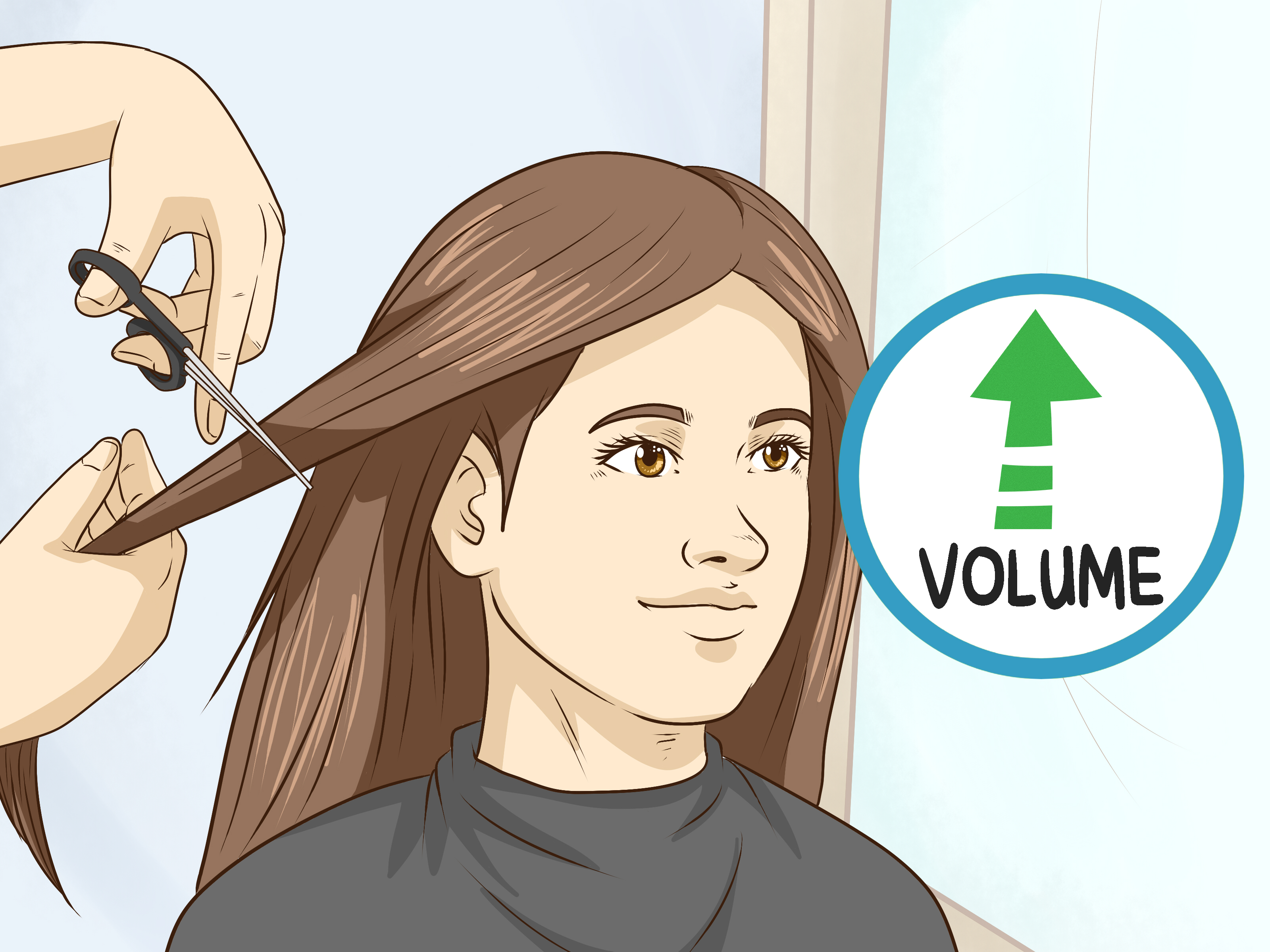
Sometimes the issue is not your styling skill. It is the haircut. Very long hair can pull roots down, especially if the hair is fine. A blunt bob, long bob, face-framing layers, or carefully placed crown layers can make hair appear fuller and easier to lift.
Ask your stylist for a shape that supports volume without removing too much density. Over-layering fine hair can backfire and make the ends look thin. The goal is movement plus fullness, not a haircut that looks like it got into an argument with scissors.
14. Finish With Flexible Hold, Not Hair Cement
Once you have created root lift, lock it in with a lightweight, flexible hairspray or dry texture spray. Flip your hair slightly or lift sections at the crown, then mist from a distance. Avoid soaking the roots with heavy spray, which can collapse the volume you worked so hard to build.
For touch-ups during the day, use your fingers instead of a brush. Gently massage the roots at the crown, flip your part, or add a tiny bit of texture spray. The goal is soft, touchable volume, not hair that could survive a wind tunnel but frighten small children.
Best Products for Root Volume
Volumizing Shampoo
A good volumizing shampoo cleans the scalp without leaving heavy residue. Look for lightweight formulas designed for fine, flat, or limp hair. If your scalp is oily, washing more often may help keep roots fresh. If your hair is dry or textured, you may need a gentler schedule and more moisture on the lengths.
Mousse
Mousse is one of the most reliable products for root volume because it adds body without the heaviness of many creams or oils. Apply it to damp roots and blow-dry for best results. For curly hair, mousse can help define shape while supporting lift.
Root-Lifting Spray
Root-lifting sprays are great for targeted volume. They usually work best when applied to damp hair before blow-drying. Focus on the crown and front sections, where flatness is most noticeable.
Dry Shampoo
Dry shampoo absorbs oil and adds texture. It is useful between washes and can also be used on clean hair for extra grip. Just remember: dry shampoo refreshes; it does not truly clean the scalp.
Texture Powder
Texture powder gives roots a matte, lifted effect. It is especially useful for fine hair, short hair, and styles that need grip. Apply sparingly and wash it out properly to avoid buildup.
Common Mistakes That Make Roots Look Flat
One of the biggest mistakes is applying conditioner, masks, oils, or leave-in creams too close to the scalp. Another is letting the roots air-dry flat before styling. Heavy serums, too much hairspray, and product layering can also turn volume into pancake mode.
Brushing too much after styling is another sneaky volume thief. A brush can smooth hair beautifully, but it can also pull out the lift. Once you have styled your roots, use your fingers for final shaping whenever possible.
Finally, avoid using hot tools without heat protection. Damage can make hair look frizzy, weak, or uneven, which may reduce the appearance of healthy fullness over time.
When Flat Roots May Be More Than a Styling Problem
Flat roots are usually a cosmetic concern, but sudden thinning, excessive shedding, widening parts, bald patches, scalp irritation, or major changes in hair density should not be ignored. Hair changes can happen because of stress, hormones, genetics, illness, medications, nutritional deficiencies, or scalp conditions.
If you notice unusual hair loss or thinning that does not improve, consider speaking with a dermatologist or healthcare provider. Styling tricks can make hair look fuller, but they cannot treat an underlying medical cause of hair loss.
Real-Life Experiences: What Actually Helps Root Volume Last
After trying many root-volume methods, one lesson becomes obvious: the best routine is usually the one you can repeat without needing a nap afterward. A complicated 45-minute blowout may look amazing on Saturday, but most people need weekday volume that can survive breakfast, emails, errands, humidity, and the emotional journey of finding matching socks.
For fine hair, the most successful approach often starts with less product, not more. Many people assume flat hair needs a full army of sprays, creams, mousses, powders, and finishing mists. In reality, fine hair can get overwhelmed quickly. A lightweight volumizing shampoo, conditioner only on the ends, a little root spray, and a focused blow-dry at the crown may create better results than six products layered together like a beauty lasagna.
Another practical experience: dry shampoo works better when used early. Waiting until the scalp is already oily can still help, but applying a small amount to clean, dry roots before a long day can preserve lift. This is especially useful before commuting, workouts, outdoor events, or humid weather. Think of it as setting up tiny oil-absorbing bodyguards at the scalp.
Changing the part is also underrated. It sounds too simple, almost suspiciously simple, but it can make a visible difference in seconds. Hair that has been trained into the same center part for years may lie flat there because it knows the routine better than you do. Moving the part slightly to the left or right gives the roots a new direction, which creates instant lift without product.
Velcro rollers are another real-world favorite because they let you multitask. You can place two or three rollers at the crown after blow-drying, then do makeup, get dressed, answer messages, or stare into space while pretending to be productive. Once the hair cools, remove the rollers and gently separate with your fingers. The result is soft lift that looks polished but not overly “done.”
For wavy and curly hair, root clipping can be a game changer. Many curl routines focus on definition, but heavy products and wet styling can make the roots dry flat. Placing clips at the crown while curls dry helps maintain height without brushing through the pattern. The trick is to remove clips only after the roots are dry; removing them too soon can let everything collapse.
One more experience worth mentioning: the haircut matters more than people want to admit. If long, fine hair constantly looks flat no matter what products you use, the length may be pulling it down. A blunt shoulder-length cut, soft lob, or strategic layers can make styling easier and root lift more believable. A good stylist can help remove weight while preserving fullness at the ends.
The biggest takeaway is that root volume is not one magic trick. It is a chain of small choices: clean scalp, light conditioner placement, damp styling product, drying roots upward, cooling the shape, and refreshing with texture when needed. When those steps work together, hair looks fuller, fresher, and more alive. Basically, your roots stop acting like they have given up on their dreams.
Conclusion
Getting volume at the roots of your hair is not about fighting your natural texture. It is about helping your hair do what it already can with better support. Start with a clean scalp, avoid heavy products near the roots, dry the root area before it falls flat, and use tools like mousse, root spray, clips, rollers, dry shampoo, and texture powder strategically.
The best root-volume routine should feel realistic, not exhausting. Try one or two steps at a time, notice what your hair responds to, and adjust from there. With the right technique, even the flattest roots can rise againdramatically, beautifully, and hopefully before you have to leave the house.
Note: This article is written for general beauty and hair-care education. If you experience sudden shedding, scalp pain, bald patches, or noticeable thinning, consult a dermatologist or qualified healthcare professional.