Note: This article is written in standard American English, formatted as a clean HTML body, and designed for web publishing without extra markup or source-link clutter.
If you have ever stood at your front door at 11:47 p.m. wondering whether your porch light is protecting your home or just helping moths throw a rave, you are not alone. Homeowners ask this question all the time: Should you leave your exterior lights on overnight? The honest answer is not a dramatic yes or no. It is more like, “Some of them, sometimes, and definitely not like a football stadium.”
Security professionals, crime-prevention experts, and lighting specialists tend to agree on one big point: good outdoor lighting is helpful, but smarter lighting is better than constant lighting. In other words, leaving every exterior light on all night is usually not the most effective or efficient strategy. A better plan is to use the right light, in the right place, at the right time.
That means lighting entry points, pathways, and key parts of your yard without flooding the whole neighborhood in glare. It also means using motion sensors, timers, smart bulbs, and shielded fixtures so your home looks secure without looking like it is auditioning for a prison-yard scene in a crime drama.
Let’s break down what security pros really recommend, when leaving exterior lights on overnight makes sense, and how to build a smarter nighttime lighting setup that improves home security without driving up your electric bill or annoying your neighbors.
The Short Answer: Yes, but Not Every Light and Not in the Same Way
If you want the quick takeaway, here it is: it can make sense to leave certain exterior lights on overnight, especially around your front entry, house numbers, and areas where people need safe visibility. But security pros generally do not recommend leaving every outdoor floodlight blazing until sunrise.
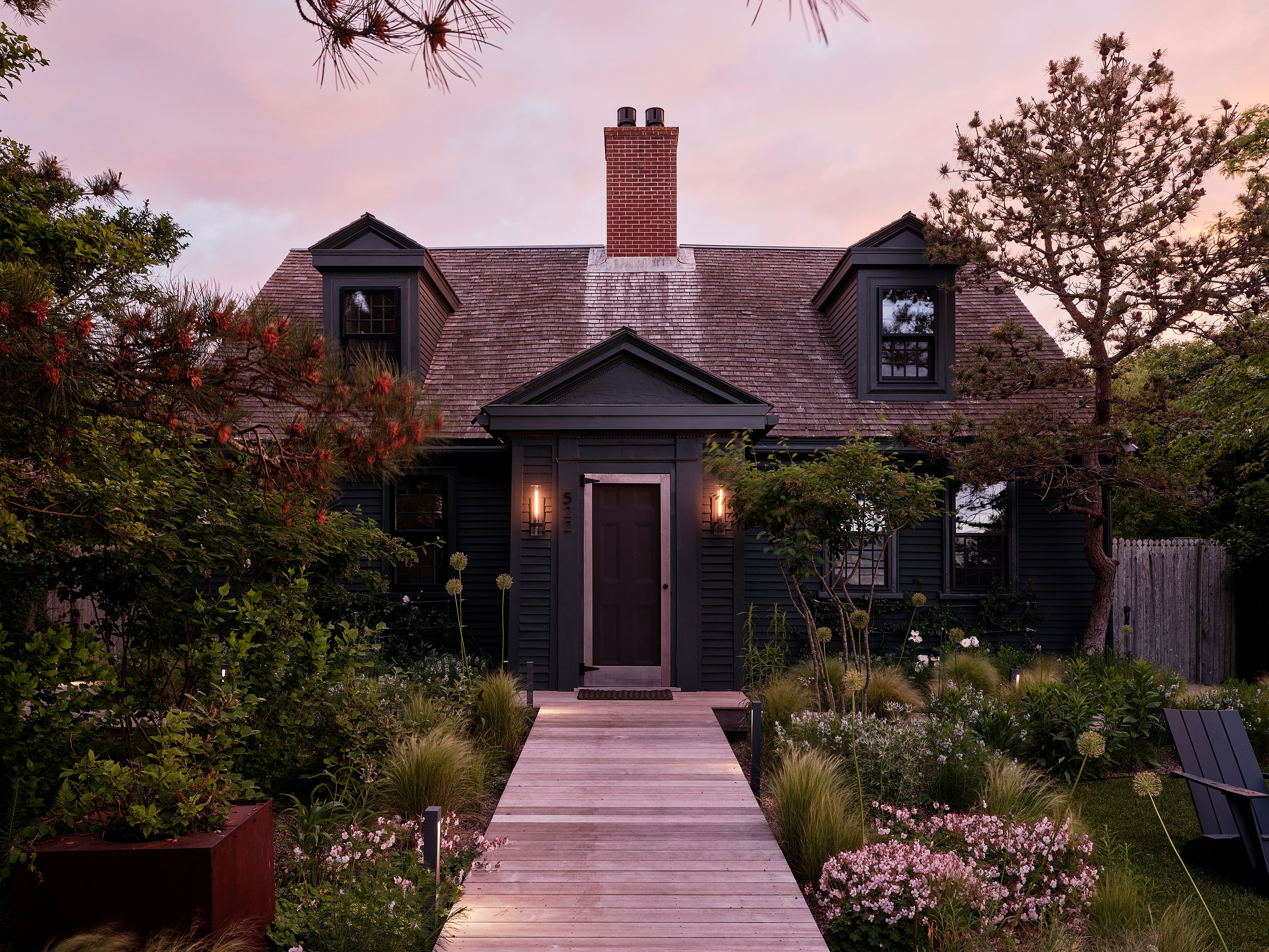
A front porch light may help signal that a home is occupied. It can also make it easier for you to see who is approaching your door, help guests or family members get inside safely, and improve nighttime visibility around steps and walkways. That part is useful.
But constant light is not a magic anti-burglar force field. On its own, it is not enough. An experienced criminal is not likely to see one lonely porch bulb and whisper, “Foiled again.” In fact, a lighting pattern that never changes can sometimes make a house look predictable, especially when the homeowner is away for several days.
That is why many security experts prefer a layered strategy: some always-on lighting where it genuinely helps, combined with motion-activated lighting, smart controls, alarms, cameras, and trimmed landscaping. Translation: use lighting as one tool in the toolbox, not the entire toolbox.
Why Leaving All Exterior Lights on Overnight Is Not Always the Best Idea
1. More light does not automatically mean more security
This is one of the biggest myths in home security. It feels intuitive that brighter equals safer, but lighting experts have been waving a polite little flag for years to say, “Not so fast.” Poorly designed outdoor lighting can create glare, harsh contrast, and deep shadows. That can actually make it harder to see what is happening around your property.
Think of it this way: if you aim a super-bright, unshielded floodlight directly into the yard, it may light up one area while making everything just beyond it look darker. Your eyes adjust to the bright spot, and now the rest of the yard becomes a shadowy mystery zone. Congratulations, you bought a visibility problem and called it security.
2. Constant lighting can waste energy
Even with efficient bulbs, leaving unnecessary lights on all night still uses electricity. If you are using LED exterior lighting, the cost is much lower than it would be with old-school incandescent bulbs, and that is a big win. But lower cost is not the same as no cost. If a light is not needed for safety, visibility, or security, there is not much reason to keep it on until dawn.
This is where smart controls shine, pun absolutely intended. Timers, motion sensors, dusk-to-dawn sensors, and automation can keep your property protected while cutting down on wasted energy and bulb wear.
3. Too much light can bother neighbors and attract bugs
Outdoor lighting is a little like karaoke. Done thoughtfully, it is helpful and even charming. Done badly, it becomes everyone else’s problem. Bright, poorly aimed lights can trespass into neighboring windows, wash out the street view, and make your house seem less considerate than secure.
There is also the insect issue. Many homeowners eventually notice that constant exterior lighting tends to attract a flying audience. Using warmer-toned lights and motion sensors can reduce that nonstop bug buffet feeling around your porch and patio.
What Security Pros Usually Recommend Instead
Use targeted lighting at entry points
The most useful exterior lights are the ones that help you see and be seen where it matters most. That usually means the front door, back door, garage entry, side gate, driveway, and major walkways. If someone approaches one of those areas, you want visibility there, not across every square inch of your fence line.
Many police departments and crime-prevention offices specifically recommend lighting exterior doors and vulnerable access points. That advice makes sense because burglars prefer concealment and quick entry. A well-lit doorway removes some of that comfort.
Use motion sensors on the sides and rear of the home
Motion-activated exterior lighting is a favorite for a reason. It does two useful jobs at once: it provides light when someone enters an area, and it creates a surprise factor. That sudden burst of light can discourage unwanted activity and alert you that something is happening.
Motion sensors are especially helpful in places where nobody should normally be wandering around after dark, such as the side yard, backyard gate, garage corner, or narrow path along the house. Those are the zones where constant light is usually unnecessary, but responsive light is very smart.
Put simply, if your side yard is dark because nobody uses it at 2 a.m., that is fine. If it can instantly light up when someone enters, that is even better.
Use timers or smart bulbs when you are away
If you leave town, do not rely on one porch light staying on for four nights straight as your great master plan. Some crime-prevention agencies specifically warn that this can signal that nobody is home. A better option is automation.
Use timers or smart-home routines to turn exterior lights on and off in patterns that make sense. Pair that with a few indoor lights, maybe a television simulator, and now your home looks lived-in rather than stuck in “airport parking lot mode.” Randomized or scheduled lighting is usually more convincing than one bulb burning with the loyalty of a medieval watchman.
Choose shielded fixtures, not blinding floodlights
Security lighting should improve visibility, not create a glare contest. Shielded fixtures direct light downward, where you need it, instead of blasting it outward into your eyes, your neighbor’s bedroom, or the stratosphere. This makes pathways, steps, and doorways easier to see while reducing harsh contrast.
Good lighting design is often less about brightness and more about control. You want useful illumination, not random brightness leaking into places that do nothing for safety.
Stick with warm-color LEDs
For most homes, warm LEDs are the sweet spot. They are energy efficient, long lasting, and easier on the eyes than harsh bluish light. Many lighting experts recommend keeping outdoor lighting on the warmer side, especially for fixtures that may stay on for extended periods.
Warm light generally feels more welcoming, looks better on a house, and helps reduce some of the drawbacks of overly cool, glaring light. It is security with a little less interrogation-room energy.
When Leaving Exterior Lights on Overnight Makes Sense
There are absolutely situations where overnight exterior lighting is the right call. The key is to be selective.
Front entry and porch areas
If your porch, front steps, or main walkway need visibility overnight, leaving a porch light on can be reasonable. This is especially true if people may come home late, deliveries might arrive early, or you want a visible front entry for guests and emergency responders.
House numbers and key access points
Your house numbers should be easy to see after dark. If police, paramedics, firefighters, or delivery drivers have to play a guessing game from the street, that is not ideal. A small, well-placed light that keeps your address visible can be genuinely useful.
High-traffic urban or shared settings
If your home is close to a sidewalk, alley, parking area, or multi-unit entry, a low-level exterior light left on overnight may improve visibility and comfort. In these settings, the goal is not just burglary deterrence but also safe access, awareness, and navigation.
Properties with cameras that benefit from ambient light
Some camera setups perform better with steady ambient light at the entry. That does not mean you need every fixture on. It means you may want a porch or garage light providing enough illumination for faces, packages, and movement to be clearly visible near the door.
When You Should Not Leave the Lights on All Night
When the light never changes and you are away
If you are gone for several days, a single light that stays on continuously can look staged. Timers and smart lighting create a better illusion of occupancy.
When the fixture causes glare
If your current floodlight is so bright it could interrogate the moon, it is probably not helping. Replace it with a shielded fixture or lower-lumen option that lights the area without blasting it.
When the light spills into neighboring properties
Security lighting should protect your home, not start a silent feud with the people next door. Aim fixtures down and away from bedroom windows, patios, and neighboring yards.
When motion activation would work just as well
If an area only needs light when someone enters it, a motion sensor is often the better move. This is especially true for side yards, back corners, detached garages, and secondary gates.
The Best Overnight Exterior Lighting Setup for Most Homes
For the average homeowner, the best setup is usually a mix of steady light and responsive light. Here is a practical arrangement that balances security, convenience, energy savings, and common sense:
- Front porch light: Leave on overnight if the front entry needs visibility, or put it on a dusk-to-dawn sensor.
- Back and side yards: Use motion-activated fixtures.
- Garage and driveway: Use either dusk-to-dawn lighting or motion-activated fixtures, depending on your layout.
- Walkways and steps: Use low-level pathway lighting for safe footing.
- House numbers: Keep them illuminated and clearly visible from the street.
- Vacation mode: Add timers or smart automation for both interior and exterior lights.
- Whole-property security: Pair lighting with cameras, alarms, locks, and trimmed landscaping.
This kind of layered lighting strategy tends to work better than the old “leave everything on and call it a day” approach.
Common Outdoor Lighting Mistakes to Avoid
- Using one giant floodlight instead of several smaller, targeted lights
- Ignoring the backyard and side yard while over-lighting the front
- Leaving the same light on 24/7 when traveling
- Forgetting to trim shrubs and trees that create hiding spots
- Using cool, glaring bulbs that reduce comfort and visibility
- Depending on lighting alone instead of combining it with alarms, cameras, and strong locks
If your goal is better home security, lighting should be part of a broader plan. A lit doorway is helpful. A lit doorway plus motion detection, a camera, visible house numbers, and no overgrown shrubs? That is much better.
Experiences Homeowners Commonly Share After Changing Their Lighting Strategy
One of the most interesting things about exterior lighting is how often homeowners do not realize what is wrong with their setup until they change it. A lot of people start with the classic instinct: buy the brightest bulb possible, leave it on all night, and assume the problem is solved. Then they discover that the front of the house is blinding, the walkway still has weird shadows, and every moth in the county has filed a change-of-address form to the porch.
A common experience goes like this: someone swaps a harsh overnight floodlight for a shielded warm LED and adds a motion sensor near the side gate. Suddenly the house feels calmer, the yard is easier to look across, and the light only kicks on when there is actual activity. Instead of feeling less secure, many people say they feel more aware because they notice motion-triggered light changes right away.
Another frequent story comes from homeowners who travel a lot. They used to leave the same porch light on for days while they were gone, thinking it made the home look occupied. After switching to timers or smart lighting schedules, they often say the house looks much more natural at night. A few lights come on at reasonable times, some go off later, and the overall effect is less “abandoned motel” and more “normal human life is happening here.”
Families with teenagers, shift workers, or late-night commuters also talk about the practical side of overnight exterior lights. For them, leaving a porch light on is not just a security move. It is a convenience and safety move. It helps someone get from the driveway to the front door without fumbling with keys in the dark, missing a step, or trying to identify whether that shape near the flower pot is a package or an extremely judgmental raccoon.
Homeowners with side yards and back patios often notice another improvement after adding motion-activated lights: they stop over-lighting spaces nobody is using. Instead of keeping the whole backyard bright all night, they let it stay mostly dark until movement triggers the light. That makes the yard feel less harsh while still giving them a quick alert if a person, animal, or unexpected visitor wanders through.
Some people also discover that lighting works best when paired with better landscaping. Once bushes are trimmed back from windows, tree limbs are lifted, and dark corners are cleaned up, they need less light than they expected. The property becomes easier to observe naturally, which is exactly what many crime-prevention experts want: fewer hiding spots, clearer sightlines, and no dramatic blind spots.
In neighborhoods where homes are close together, residents often report that smarter lighting improves relationships too. Replacing an overly bright fixture with a downward-facing one can preserve security while keeping the peace. It turns out your neighbor may appreciate not having your security light beam through their guest bedroom at 2 a.m. Like many home upgrades, good exterior lighting works best when it solves your problem without becoming everybody else’s problem.
The biggest lesson from real-world experience is simple: homeowners usually feel best about their setup when it is intentional. Not brighter. Not bigger. Not left on forever by habit. Just intentional. A few well-placed lights, some automation, and a little common sense tend to outperform the all-night-light-everything strategy by a mile.
Final Verdict
So, should you leave your exterior lights on overnight? Yes, some of thembut only where overnight lighting truly helps with visibility, safety, or security. For most homes, the smartest approach is not to keep every outdoor light on until sunrise. It is to use a layered exterior lighting strategy that combines porch lighting, motion sensors, timers, warm LEDs, and properly aimed fixtures.
If you want your home to look secure, feel welcoming, and avoid wasting energy, think like a security pro: light the places that matter, automate the rest, and do not confuse glare with protection. Your home will be safer, your electric bill will be happier, and the moths will be mildly disappointed.