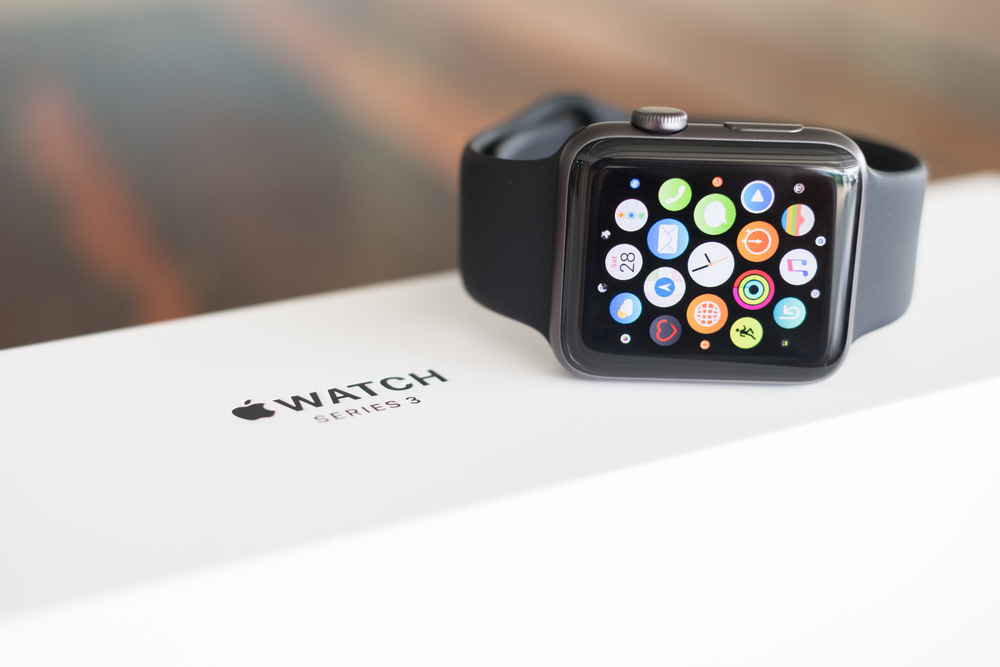
A few years ago, checking your heart rhythm sounded like something that required a hospital gown, sticky electrodes, and a nurse who somehow appears exactly when you are trying to relax. Today, millions of people can glance at their wrist and see their heart rate, receive a high or low heart rate alert, or take a 30-second ECG with an Apple Watch. Convenient? Absolutely. A little futuristic? Definitely. A replacement for a cardiologist? Not even close.
So, should the Apple Watch monitor your heart? The best answer is: yes, but with realistic expectations. The Apple Watch can be a helpful heart health companion for tracking trends, noticing possible warning signs, and sharing useful data with your doctor. However, it should not be treated as an emergency device, a complete heart exam, or a medical crystal ball. Your wrist is smart, but it did not go to medical school.
What Heart Features Does the Apple Watch Actually Offer?
The Apple Watch includes several heart-related features, depending on the model, software version, region, and user settings. The most common include heart rate monitoring, high and low heart rate notifications, irregular rhythm notifications, the ECG app, AFib History, cardio fitness estimates, and, on newer supported models, hypertension notifications.
Heart Rate Monitoring
Apple Watch uses optical sensors to estimate your pulse by detecting changes in blood flow through the skin. It can show your current heart rate, resting heart rate, walking average, workout heart rate, and recovery rate after exercise. These numbers can be useful because your heart rate often reflects fitness, stress, sleep, hydration, medication effects, illness, and overall cardiovascular health.
For example, a lower resting heart rate may reflect improved aerobic fitness in some people. A sudden unexplained increase in resting heart rate, on the other hand, may happen with fever, dehydration, poor sleep, stress, or other health changes. The key word is “may.” Heart rate data is a clue, not a courtroom verdict.
High and Low Heart Rate Notifications
The Apple Watch can notify you if your heart rate stays above or below a selected beats-per-minute threshold while you appear to be inactive. That can be useful because a very high heart rate while sitting still may deserve attention, especially if it comes with dizziness, shortness of breath, chest discomfort, fainting, or weakness.
A low heart rate can also be normal in trained athletes, during sleep, or in people taking certain medications. But if a low heart rate appears with symptoms such as fatigue, confusion, fainting, or lightheadedness, it should be discussed with a healthcare professional.
Irregular Rhythm Notifications
One of the most talked-about Apple Watch heart features is the irregular rhythm notification. It occasionally checks for pulse patterns that may suggest atrial fibrillation, commonly called AFib. AFib is an irregular heart rhythm that can increase the risk of stroke and other heart-related complications. Some people feel palpitations, fluttering, fatigue, shortness of breath, or dizziness. Others feel nothing at all, which is exactly why AFib can be sneaky.
But this feature is not constantly watching every heartbeat. It checks periodically, usually when you are still, and it is not intended to detect every episode of AFib. It is also not designed for people under 22 or for people already diagnosed with AFib, unless they are using separate AFib tracking features under medical guidance.
The ECG App
On supported Apple Watch models, the ECG app can record a single-lead electrocardiogram. You place a finger on the Digital Crown, stay still for about 30 seconds, and the watch classifies the rhythm as sinus rhythm, AFib, low or high heart rate, inconclusive, or poor recording.
A single-lead ECG can be useful, especially when someone has brief palpitations and wants to capture what is happening in the moment. However, it is not the same as a 12-lead ECG performed in a clinic or hospital. It cannot detect a heart attack, blood clots, stroke, heart failure, high cholesterol, or every type of arrhythmia.
Why Heart Monitoring on the Apple Watch Can Be Helpful
The biggest benefit of Apple Watch heart monitoring is awareness. Many heart rhythm issues come and go. By the time a person gets to the doctor, the fluttering sensation may have disappeared, leaving everyone staring at a normal office ECG like it is a magic trick gone wrong.
Wearables can help fill in some of those gaps. If your watch records an ECG during symptoms, your doctor may have more information than “my heart did a weird little tap dance after lunch.” That does not mean the watch makes the diagnosis, but it may help start a better conversation.
It May Help Detect Possible AFib
Research on large groups of Apple Watch users has shown that irregular pulse notifications can identify people who may have AFib. In large-scale studies, only a small percentage of users received alerts, but a meaningful portion of those who followed up had AFib confirmed on additional monitoring. That is important because untreated AFib can increase stroke risk, and early detection may lead to treatment decisions such as rhythm management, rate control, or blood-thinning medication when appropriate.
It Encourages People to Pay Attention
Many people ignore vague symptoms. A flutter here, a racing heartbeat there, a little dizziness after climbing stairseasy to explain away as caffeine, stress, or “being an adult.” An Apple Watch alert can push someone to schedule a checkup rather than continue negotiating with symptoms like they are used-car prices.
It Can Support Fitness and Recovery
Heart rate trends during workouts can help users understand exercise intensity. Recovery heart rate after exercise can also give clues about cardiovascular fitness. If you are training for a race, trying to improve endurance, or simply attempting to survive a hill without making dramatic noises, heart rate data can help you pace yourself more intelligently.
It Can Help With Doctor Conversations
Doctors often work with snapshots: today’s blood pressure, today’s ECG, today’s symptoms. The Apple Watch can provide a broader timeline. A patient may show resting heart rate trends, ECG PDFs, workout heart rate patterns, or dates when symptoms occurred. That context can help a clinician decide whether to order a Holter monitor, event monitor, lab tests, medication review, sleep apnea evaluation, or cardiology referral.
Why You Should Not Rely on the Apple Watch Too Much
The Apple Watch is impressive, but it is not perfect. It can miss problems. It can create false alarms. It can produce inconclusive readings. And it can turn a health-conscious person into someone who checks their pulse more often than their email, which is saying something.
It Is Not a Continuous Medical Monitor
The irregular rhythm feature does not monitor every heartbeat all day. It checks intermittently. That means a short episode of AFib, supraventricular tachycardia, premature beats, or another rhythm issue may happen between checks. If you have symptoms, a normal watch reading does not automatically mean everything is fine.
It Cannot Detect a Heart Attack
This point deserves a flashing neon sign: the Apple Watch cannot rule out a heart attack. If you have chest pain, pressure, tightness, pain spreading to the arm or jaw, shortness of breath, sweating, nausea, fainting, or a sense that something is seriously wrong, call emergency services. Do not take a watch ECG, stare at the screen, and wait for it to become a tiny cardiologist.
Readings Can Be Affected by Real Life
Motion, cold skin, loose fit, tattoos, poor contact, sweat, and certain activities can affect sensor accuracy. Irregular movements, such as boxing, tennis, or intense interval training, may make readings less reliable. Even something as ordinary as wearing the watch too loosely can reduce accuracy.
Alerts Can Create Anxiety
For some people, heart data feels empowering. For others, it becomes a stress machine with a silicone band. People with known AFib may become preoccupied with every alert, every percentage, and every odd sensation. If monitoring makes you anxious, talk with your clinician about what data matters and what can be safely ignored. In some cases, turning off certain alerts may be healthier than watching every blip.
Who Benefits Most From Apple Watch Heart Monitoring?
The Apple Watch may be especially useful for people who already own one and want general health awareness. It may also help people who occasionally feel palpitations, notice unusual heart rate changes, or have risk factors for AFib such as older age, high blood pressure, diabetes, sleep apnea, obesity, heavy alcohol use, or a family history of heart rhythm problems.
People already diagnosed with AFib may benefit from AFib History if their doctor agrees that the information is useful. It can help estimate how often the heart shows signs of AFib and may support discussions about lifestyle triggers, treatment response, or symptom patterns.
When It Makes Sense
Apple Watch heart monitoring may make sense if you want to track fitness, receive high or low heart rate alerts, capture occasional palpitations, or have a doctor who is willing to review wearable data in context. It can also be useful if you are motivated by numbers and trends without becoming obsessed by them.
When Medical-Grade Monitoring Is Better
If you have frequent symptoms, fainting, chest pain, unexplained shortness of breath, a history of stroke or TIA, known heart disease, or a doctor who suspects a significant arrhythmia, a medical monitor is usually more appropriate. Chest-worn monitors, Holter monitors, event recorders, implantable loop recorders, and clinical ECG testing are designed for diagnosis and medical decision-making.
In situations where immediate alerts to clinicians are necessary, a continuous ECG monitor is strongly preferred. The Apple Watch can be part of the conversation, but it should not be the entire plan.
How Accurate Is the Apple Watch for Heart Monitoring?
Accuracy depends on what you are measuring. Heart rate during steady activities such as walking, running, or cycling is generally more reliable than during irregular movements. ECG rhythm classification can be useful for identifying possible AFib, especially when the recording is clear and the heart rate falls within the app’s supported range. But accuracy is not the same as certainty.
In clinical and real-world studies, Apple Watch features have shown promise for identifying possible AFib, but results vary based on population, study design, user behavior, and whether clinicians review the ECG tracing rather than relying only on the watch’s automated label. A watch-generated PDF may provide more information to a clinician than the brief message displayed on the screen.
The practical takeaway is simple: use Apple Watch data as a starting point, not an ending point. If the watch flags AFib, talk to a doctor. If the watch says everything looks normal but you feel unwell, talk to a doctor. The human body did not sign a contract promising to match your wearable dashboard.
Privacy: Your Heart Data Is Personal Data
Heart data is sensitive. Before sharing ECG PDFs, screenshots, or Health app exports, think carefully about who needs the information and why. Sharing with your doctor is different from posting your ECG on social media and asking strangers whether your rhythm looks “vibey.” Please do not outsource cardiology to the comment section.
Review your Health app permissions, connected apps, and device security settings. Use a strong passcode, keep software updated, and avoid giving unnecessary apps access to your health data. Heart monitoring can be useful, but privacy should not be the price of curiosity.
What Should You Do If Your Apple Watch Sends a Heart Alert?
First, do not panic. Sit down, breathe normally, and notice whether you have symptoms. If you have chest pain, severe shortness of breath, fainting, weakness on one side, trouble speaking, confusion, or symptoms of a stroke or heart attack, call emergency services immediately.
If you feel stable but receive an irregular rhythm notification or an AFib classification, save the information and contact your healthcare professional. Your doctor may ask about symptoms, medications, caffeine, alcohol, sleep, exercise, stress, and medical history. They may order a clinical ECG, blood work, thyroid testing, a sleep study, or longer heart rhythm monitoring.
Useful Information to Bring to Your Doctor
Bring the date and time of the alert, any ECG PDFs, symptoms you felt, what you were doing, your recent sleep quality, caffeine or alcohol intake, exercise, medications, and any history of high blood pressure, diabetes, thyroid disease, sleep apnea, stroke, or heart disease. The more context you provide, the less your doctor has to play detective with a magnifying glass and a waiting room full of patients.
So, Should the Apple Watch Monitor Your Heart?
Yes, the Apple Watch can monitor your heart as a helpful wellness and awareness tool. It can encourage earlier conversations, capture rhythm clues, support fitness goals, and help users notice patterns that might otherwise be missed. For many people, that is valuable.
But no, it should not be your only heart monitor if you have serious symptoms, known cardiovascular disease, or a medical need for continuous monitoring. It should not be used to rule out emergencies. It should not replace regular checkups, blood pressure management, cholesterol care, diabetes control, sleep apnea treatment, exercise, nutrition, or medication prescribed by your doctor.
The smartest way to use the Apple Watch is as a bridge between daily life and medical care. Let it collect clues. Let your doctor interpret the case. Your watch can tap you on the wrist, but your healthcare team should still steer the ship.
Real-World Experiences: Living With Heart Monitoring on Your Wrist
For many users, the Apple Watch changes their relationship with heart health in small, practical ways. Imagine someone in their 40s who bought the watch mainly for workouts and notifications. At first, the heart app is just another screen between weather and text messages. Then they start noticing that their resting heart rate climbs after poor sleep or stressful workweeks. That does not diagnose anything, but it teaches a useful lesson: the heart is not separate from daily life. It responds to late nights, deadlines, hydration, alcohol, illness, and whether dinner was a balanced meal or a heroic pile of nachos.
Another common experience is the “palpitation capture.” A person feels a flutter in the chest while watching TV, walking the dog, or lying in bed. In the past, the symptom might disappear before a doctor could evaluate it. With a supported Apple Watch, the person may take an ECG and save the recording. Sometimes it shows sinus rhythm. Sometimes it is inconclusive. Sometimes it suggests AFib. Whatever the result, the recording gives the patient a better way to explain what happened. Instead of saying, “My heart felt weird,” they can say, “This happened at 9:42 p.m., lasted a few minutes, and here is the ECG my watch recorded.”
There are also cautionary experiences. Some users become overly focused on numbers. They check their heart rate after coffee, after stairs, after a stressful email, after thinking about checking their heart rate, and then again because the first check made them nervous. This loop can turn a helpful device into a tiny anxiety generator. In these cases, the best experience may come from setting boundaries: review trends weekly instead of hourly, turn off nonessential alerts, and ask a clinician which numbers actually matter.
Athletes often use Apple Watch heart data differently. They may track zones during runs, monitor recovery, or notice when their usual workout feels harder than normal. If the same pace suddenly requires a much higher heart rate, that may point to poor sleep, overtraining, dehydration, heat, stress, or an oncoming illness. Again, the watch does not diagnose the cause. It simply nudges the user to pay attention.
Older adults and people with risk factors may experience reassurance from monitoring, especially when it is paired with a plan. The key phrase is “paired with a plan.” A watch alert is most useful when the user already knows what to do: save the ECG, call the doctor, seek urgent care if serious symptoms appear, and avoid changing medications without medical advice. Without a plan, alerts can create confusion. With a plan, they can become useful signals.
The best experience with Apple Watch heart monitoring is neither blind trust nor total dismissal. It is calm curiosity. Wear the device, learn your patterns, respond appropriately to alerts, and involve your healthcare team when something seems off. The Apple Watch is not a doctor, but it can be a surprisingly helpful note-taker sitting quietly on your wrist.
Conclusion
The Apple Watch should monitor your heart if you understand what it is good at: tracking trends, flagging possible irregular rhythms, supporting fitness, and helping you bring better information to medical visits. It should not monitor your heart as a substitute for clinical care, emergency evaluation, or medical-grade rhythm monitoring when symptoms or risk levels call for it.
In short, let the Apple Watch be your heart health assistant, not your heart health authority. It can whisper, “Hey, maybe check this out.” Your doctor is still the one who should say what it means.
Note: This article is for educational purposes only and is not medical advice. It synthesizes current information from reputable U.S. medical, regulatory, academic, and technology sources, including clinical guidance and published research. Anyone with chest pain, stroke-like symptoms, fainting, severe shortness of breath, or sudden serious symptoms should seek emergency care immediately.