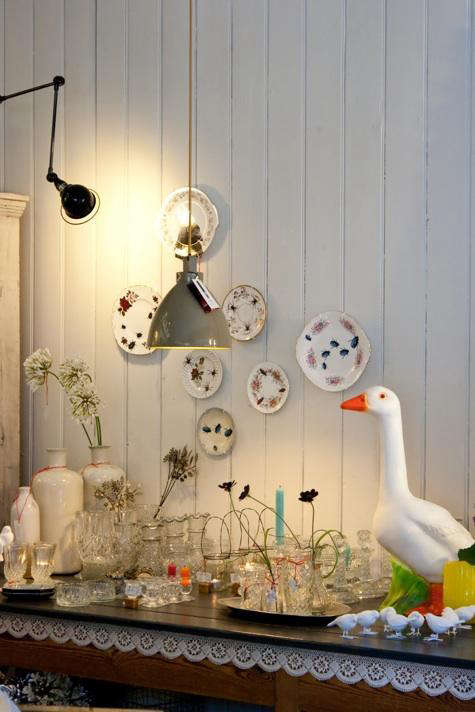
Some shops sell things. Other shops quietly rearrange the way you see your home, your shelves, your tea cups, and possibly the chair you rescued from the sidewalk because it had “character.” Caravan in London belongs firmly in the second category. Created by interior stylist and author Emily Chalmers, Caravan became one of those rare design destinations where vintage objects, playful lighting, handmade pieces, and bohemian charm all looked as if they had been invited to the same dinner partyand somehow nobody spilled red wine on the rug.
For shoppers who love interiors with personality, Caravan was never just a homewares store. It was a mood, a method, and a gentle rebellion against rooms that look too perfect to live in. In a city famous for polished department stores, luxury boutiques, and minimalist design temples where a single vase can make you afraid to breathe, Caravan offered something warmer: a layered, tactile, modern vintage style that felt collected rather than decorated.
This shopper’s diary explores the appeal of Caravan in London, the styling philosophy behind it, what made its Shoreditch presence so memorable, and how its spirit continues through Caravan Style today. Think vintage tableware, sculptural lamps, charming oddities, textiles with stories, and the kind of retail experience that makes you whisper, “I did not come here for a ceramic rabbit, but apparently the ceramic rabbit came here for me.”
What Is Caravan in London?
Caravan was a beloved interiors shop founded by Emily Chalmers, an interior stylist, author, and creative force known for blending flea-market finds with contemporary design. The original Caravan became associated with Shoreditch, East London, a neighborhood that has long attracted artists, designers, independent retailers, food lovers, and people who can identify a great espresso from twenty paces.
The shop was known for a “modern vintage” approach: old and new pieces placed together in ways that felt expressive, practical, and slightly magical. Rather than presenting the home as a showroom, Caravan treated it like a living scrapbook. Vintage tableware could sit beside contemporary lighting. Patterned wallpaper could share space with utility objects. A humble item could become the star of the room if it had the right shape, texture, or story.
Today, the physical shop has evolved into Caravan Style, an online destination and styling world led by Chalmers. The current version continues the same creative DNA: curated treasures, interior styling, and a strong belief that homes should feel personal, enchanting, and full of life rather than professionally frozen in place.
Why Caravan Became a London Design Favorite
Caravan stood out because it had a point of view. It did not chase trends like a panicked shopper sprinting after the last discounted linen duvet. Instead, it encouraged a more intuitive way of decorating: choose objects that speak to you, mix periods with confidence, and let contrast create character.
That philosophy made the store especially appealing to design lovers who were tired of interiors that looked as though they had been assembled entirely from one catalog page. Caravan’s charm came from the friction between things: glossy and worn, delicate and industrial, handmade and machine-made, English and global, nostalgic and modern.
A Shop With a Stylist’s Eye
Emily Chalmers’ background matters. As a stylist and author, she understood that a shop is not simply a place to stock products. It is a visual story. At Caravan, objects were not arranged randomly; they were staged with the loose, inviting logic of a well-loved home. The result was retail with atmosphere. You could walk in looking for a lamp and leave thinking about how your whole living room needed more wit, more texture, and possibly fewer beige throw pillows pretending to have hobbies.
Her books, including Flea Market Style and Modern Vintage Style, helped define a decorating language based on warmth, humor, and the joy of mixing. Caravan translated that philosophy into a physical shopping experience. It showed customers that vintage did not have to mean dusty, and modern did not have to mean cold.
The Shoreditch Effect
Caravan’s East London setting added to its appeal. Shoreditch has long been a neighborhood where design, food, fashion, and creative work overlap. Around nearby streets, shoppers could find independent boutiques, cafés, design stores, flower stalls, galleries, and vintage sources. The area helped frame Caravan as part of a larger London shopping ritual: wander, browse, drink coffee, discover something strange, convince yourself it will fit in your carry-on, repeat.
Unlike traditional luxury shopping districts, Shoreditch’s best retail experiences often feel personal and exploratory. You are not simply buying a thing; you are discovering a taste. Caravan fit perfectly into that rhythm. It rewarded slow looking. A customer might notice a lamp first, then a stack of plates, then a textile, then a small object tucked somewhere unexpected. It was the opposite of algorithm shopping. No “customers also bought” box. Just your own eyes getting into delightful trouble.
Inside the Caravan Style: What Shoppers Loved
The phrase “Caravan style” suggests movement, collecting, and a little romance, and that is exactly the appeal. The look is not about matching sets. It is about meaningful combinations. A Caravan-inspired room might include a painted cabinet, a modern lamp, vintage ceramics, patterned wallpaper, a faded textile, and a practical piece that looks better because it has clearly done some living.
Vintage Tableware With Personality
One of the pleasures of a shop like Caravan is the way it makes everyday items feel special. Plates, bowls, cups, and serving pieces are not just functional objects. They become small acts of style. Vintage tableware can bring color, pattern, and history to a table without requiring a full dining room makeover. Even one mismatched plate can make breakfast feel less like a scheduled task and more like a tiny domestic event.
This is where Caravan’s philosophy is especially useful for real people with real homes. You do not need to replace everything. You can add one thoughtful piece at a time. A striped bowl, a floral saucer, a small ceramic dish, or a funny little vessel can shift the mood of a room. It is decorating by accumulation rather than demolition, which is excellent news for both renters and anyone whose budget becomes nervous at the phrase “full renovation.”
Lighting That Starts Conversations
Lighting was another important part of the Caravan appeal. Sculptural lamps, especially pieces with unusual shapes or warm materials, can transform a room quickly. Good lighting does more than help you see; it tells the room what kind of evening it is supposed to have. A ceramic bell lamp, a wall sconce, or a vintage-inspired fixture can add softness and drama without turning the space into a theater set.
The best Caravan-style lighting has a little wink to it. It is not necessarily loud, but it has presence. It may be oversized, handmade, glazed, curved, or simply placed in an unexpected corner. That kind of light makes a home feel layered. It suggests someone lives there, reads there, eats there, misplaces their keys there, and occasionally lights a candle while pretending the laundry basket does not exist.
Wallpaper, Pattern, and the Courage to Commit
Caravan also celebrated pattern. Wallpaper, textiles, and decorative surfaces played a role in making the shop feel theatrical but still approachable. Pattern is one of the quickest ways to give a space identity, yet it often scares people. A blank wall feels safe. A patterned wall feels like it has opinions.
The Caravan approach shows that pattern does not have to overwhelm a room. It can appear in small doses: behind shelves, inside a cabinet, on cushions, in curtains, across a lampshade, or through framed fragments. The key is balance. Pattern works best when paired with objects that have texture, age, and simplicity. A floral print near a plain wooden chair. A bold textile beside a quiet ceramic vase. A lively wallpaper softened by vintage pieces. It is less about rules and more about conversation.
How to Shop Like You Are in Caravan
Even if you are not standing in Shoreditch with a tote bag and dangerously optimistic suitcase space, you can still shop with the Caravan mindset. The trick is to stop thinking like a person filling a room and start thinking like a person collecting a story.
1. Look for Character, Not Perfection
A perfectly new object can be beautiful, but a slightly imperfect one often has more emotional pull. Look for patina, unusual shapes, handmade marks, worn edges, unexpected colors, and materials that feel good in the hand. A tiny flaw can be part of the charm, assuming the flaw is not “the chair collapses when your uncle visits.” Safety first, romance second.
2. Mix Eras Slowly
Modern vintage decorating works best when you let different time periods meet gradually. Pair one old piece with something clean and contemporary. Put a vintage lamp on a modern desk. Use antique plates with simple glassware. Hang a quirky print above a plain sofa. The goal is not chaos; it is contrast. Add pieces one by one and let the room tell you when it has had enough. Rooms, like people at brunch, can become overstimulated.
3. Buy Useful Things Beautifully
One lesson from great London design shops is that ordinary objects can be deeply satisfying when chosen well. A brush, pitcher, hook, tray, or storage basket can be practical and beautiful. Caravan’s spirit fits this idea perfectly. The best home objects do not just pose for photographs. They work. They hold flowers, light corners, serve soup, catch keys, hide clutter, and occasionally make guests ask, “Where did you find that?”
4. Let Whimsy Have a Seat
Serious design does not have to be humorless. In fact, a room without humor can feel like it is waiting for a museum guard to tell everyone to step back. Caravan’s charm came partly from its willingness to include playful objects. A surprising lamp, a curious ceramic figure, a cheeky wall piece, or a colorful textile can keep a space from becoming too polite.
What Caravan Teaches About Modern Vintage Interiors
The larger lesson of Caravan is that good interiors are not built from price tags. They are built from attention. A room becomes interesting when the owner pays attention to shape, proportion, memory, usefulness, and feeling. That is why modern vintage style remains so appealing. It allows a home to evolve naturally rather than arrive fully assembled in a delivery truck.
Modern vintage interiors are also more sustainable in spirit. Buying vintage, reusing objects, and choosing timeless pieces can reduce the pressure to constantly replace things. Of course, not every old object is automatically virtuous and not every new object is automatically guilty. The smarter approach is to buy with intention. Choose fewer pieces, choose better pieces, and choose things you will still want around after the trend cycle has changed outfits three times.
Caravan’s influence can be seen in the ongoing popularity of curated homewares, independent design shops, flexible styling, and homes that mix eras with confidence. The look is not about copying a store exactly. It is about developing an eye. Once you understand the method, you can find Caravan-like magic almost anywhere: flea markets, antique shops, online vintage sellers, family attics, local makers, or the mysterious back shelf of a thrift store where good objects wait patiently for people with imagination.
A Shopper’s Route Inspired by Caravan
For travelers planning a London design-shopping day, Caravan’s story pairs beautifully with an East London route. Start with coffee, because shopping for interiors before caffeine is how people accidentally buy a lamp shaped like a mushroom and call it “investment lighting.” Then wander through Shoreditch and nearby design streets, keeping an eye out for independent shops that specialize in homewares, textiles, practical goods, ceramics, and vintage finds.
Columbia Road is especially worth considering on a Sunday, when the flower market adds color, scent, and full theatrical volume to the neighborhood. Flowers are the easiest design upgrade in the world. They make any room look intentional, even if the rest of the room is currently hosting three unopened packages and a chair covered in clothes. Nearby independent shops and cafés create the kind of browsing rhythm that made East London such fertile ground for places like Caravan.
Redchurch Street and surrounding Shoreditch streets also offer a useful design education. You can compare utilitarian home goods, contemporary pieces, patterned textiles, and lifestyle retail concepts all within a walkable area. The best way to shop is not to rush. Notice displays. Notice materials. Notice which objects make you smile. Take photos when allowed. Write down measurements. Do not trust your memory on the size of your mantel; memory becomes wildly optimistic when standing in a beautiful shop.
Experience Notes: What a Caravan-Inspired Shopping Day Feels Like
A Caravan-inspired shopping day in London begins with the kind of weather that cannot make up its mind. This is useful because it gives you an excuse to enter shops often. One minute the sky is clear, the next it is misting politely, as if London itself is spritzing the sidewalk for atmosphere. You step into East London with a tote bag folded inside another tote bag, which is the international sign of someone who expects to behave responsibly but knows better.
The first experience is visual. Shops like Caravan teach you to slow down. At first glance, you see color and charm. On the second look, you see the details: the way a ceramic glaze pools at the base of a bowl, the thin line of gold inside a lampshade, the faded edge of a textile, the odd little object that makes no practical sense but has enormous emotional authority. This is the joy of shopper’s diary retail. You are not simply checking items off a list. You are building a private map of taste.
The second experience is tactile. You pick things up. A cup has weight. A linen napkin has softness. A wooden brush feels honest in a way that plastic rarely manages. A vintage plate may have tiny marks, but instead of ruining it, they make it feel like it has already survived enough dinners to be trustworthy. Caravan’s style encourages that kind of relationship with objects. It asks you to consider not only how something looks, but how it will live with you.
The third experience is emotional and slightly comic. Design shopping has a way of revealing who we think we are. You may enter believing you are a minimalist. Twenty minutes later, you are admiring a patterned cushion, a decorative sconce, and a tiny dish shaped like an animal. This is not failure. This is self-knowledge arriving with a price tag. Caravan’s charm lies in giving shoppers permission to be more layered, more playful, and less afraid of mixing moods.
The fourth experience is practical. A smart shopper asks questions. Where will this go? Do I already own something similar? Can I carry it home without developing a lifelong resentment toward public transportation? Will it work with my existing furniture, or am I secretly trying to redecorate my entire apartment around one vase? These questions do not kill the romance. They protect it. The right object should bring joy after purchase, not become a decorative guilt trip on a shelf.
Finally, there is the afterglow. You return home or to your hotel with one or two carefully chosen pieces, not necessarily the biggest or most expensive finds. Maybe it is a small bowl, a candleholder, a print, a piece of fabric, or a lamp you will discuss with customs as if it were a beloved relative. The souvenir is not just the object. It is the lesson: a home becomes memorable when it reflects curiosity. That is the real Caravan experience. It trains the eye, warms the imagination, and reminds you that personal style is not a destination. It is a trail of beautiful clues.
Conclusion: Why Caravan Still Matters
Caravan in London remains memorable because it represented more than a shop. It offered a way of seeing. Through Emily Chalmers’ modern vintage lens, interiors became less about perfection and more about character. A home could be elegant without being stiff, playful without being messy, curated without being cold, and stylish without requiring every object to be new.
For anyone who loves design, Caravan is a reminder that the best rooms are built slowly. They include travel memories, vintage finds, useful tools, handmade pieces, inherited objects, and new discoveries. They have layers. They have humor. They have lamps that make people ask questions. Most importantly, they feel like the people who live in them.
So the next time you shop for your home, borrow a little Caravan wisdom. Do not ask only, “Does this match?” Ask, “Does this add life?” If the answer is yesand if it fits through the dooryou may have found the beginning of your own shopper’s diary.