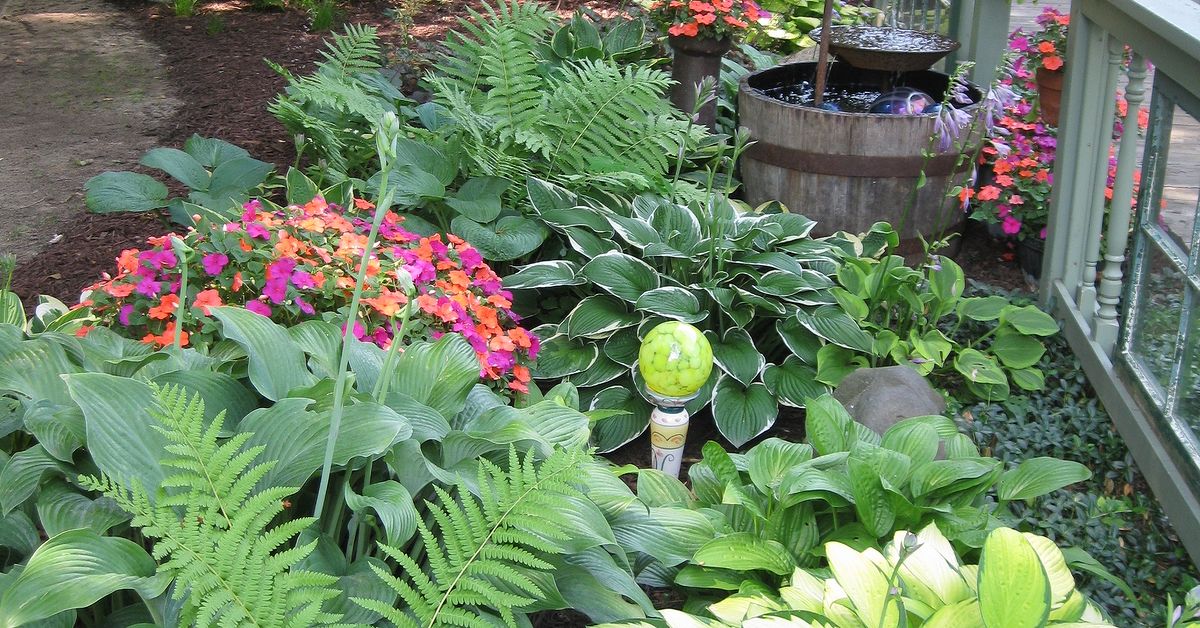
A shade garden addition sounds simple until you stand under a tree with a shovel, three hopeful hostas, and the sudden suspicion that the tree roots have formed a private security team. But that is exactly why shade gardening is so rewarding. It turns the so-called difficult corners of a yard into cool, layered, relaxing spaces where foliage does the heavy lifting, flowers arrive like charming guest stars, and the gardener gets to stop pretending every square foot must worship the afternoon sun.
A well-planned shade garden addition can soften the side of a house, replace thin lawn under trees, improve a backyard sitting area, or make a forgotten fence line look intentional. The secret is not forcing sun-loving plants to survive in the dark like they owe you rent. The secret is reading the site, improving the soil gently, choosing shade-tolerant plants, and designing with texture, contrast, and seasonal rhythm.
What Is a Shade Garden Addition?
A shade garden addition is a new planting area designed for low-light conditions. It may sit beneath mature trees, along the north side of a home, under a deck, beside a garage, or in any spot where direct sunlight is limited. Instead of treating shade as a problem, this type of garden uses it as a design feature.
The best shade garden additions feel cool, calm, and alive. They are not just “the place where grass gave up.” They combine shrubs, perennials, groundcovers, bulbs, ferns, and sometimes small understory trees to create a layered woodland effect. Because shade reduces harsh glare, details become more noticeable: a glossy leaf, a white bloom, a chartreuse edge, a fern frond, a mossy stepping stone, or a bench that whispers, “Sit down, you’ve earned this.”
Start by Studying the Shade
Before buying plants, watch the light. Shade changes by season, time of day, and tree canopy. A bed that looks dim in spring may receive bright morning sun before trees leaf out. A corner that seems gentle at breakfast may become a frying pan by 3 p.m. Plant tags matter, but your yard gets the final vote.
Common Types of Shade
Part shade usually means the site receives about two to six hours of direct sun, often with protection from the hottest afternoon rays. This is the friendliest shade category for many flowering perennials.
Full shade means little direct sunlight reaches the ground. It does not mean total darkness. Plants still need reflected or filtered light, but they must be able to grow with limited direct sun.
Dappled shade appears beneath open tree canopies where sunlight moves across the ground in shifting patches. This is often excellent for woodland plants, spring ephemerals, ferns, sedges, and many native perennials.
Dry shade is the tricky cousin who shows up with extra luggage. It occurs when tree roots, roof overhangs, sandy soil, or slopes keep the planting area dry even though the site is shaded. Dry shade is manageable, but it requires tough plants and realistic expectations.
Improve the Soil Without Annoying the Trees
Most shade-loving plants prefer soil that is moist, well-drained, and rich in organic matter. In nature, woodland soil is constantly refreshed by fallen leaves, decomposing twigs, and the quiet teamwork of fungi, insects, and earthworms. In many home landscapes, however, we rake away the leaves, compact the soil, and then wonder why the garden looks offended.
For a shade garden addition under trees, improve soil gently. Avoid deep tilling, which can damage tree roots. Instead, add compost to planting holes, top-dress with leaf mold or finished compost, and use shredded leaves as mulch. A two- to three-inch mulch layer helps retain moisture, moderate soil temperature, and reduce weeds. Keep mulch away from tree trunks and plant crowns; mulch volcanoes are not landscaping, they are slow-motion plant drama.
Design With Layers, Not Just Plants
A strong shade garden addition works like a small woodland edge. It has layers: taller shrubs or understory trees in the back, medium perennials through the center, and groundcovers or low sedges along the front. This creates depth, hides bare soil, and gives the garden a finished look even when flowers are not in bloom.
Use Foliage as the Main Event
In sunny gardens, flowers often steal the show. In shade, foliage becomes the star. Large hosta leaves, fine fern fronds, round heuchera leaves, grassy sedges, and heart-shaped wild ginger can create a rich tapestry without relying on constant blooms.
Mix leaf sizes and shapes. Pair bold hostas with delicate ferns. Set chartreuse foliage near deep green leaves. Use silver, cream, white, and yellow variegation to brighten dim corners. Light-colored foliage reflects available light and keeps the garden from looking like a leafy basement.
Add Repetition for a Calm Look
One hosta can look lonely. Three hostas look like a plan. Five hostas look like you know what you are doing, even if you were winging it near the clearance rack. Repeating plants in groups or drifts gives the garden rhythm and prevents the bed from becoming a random plant museum.
Best Plants for a Shade Garden Addition
The right plant list depends on your region, soil, moisture, deer pressure, and hardiness zone. Still, several plant groups are consistently useful in shade garden design.
Hostas
Hostas are classic for a reason. They offer bold foliage in blue-green, lime, gold, white-edged, and variegated forms. Some stay tiny; others grow wide enough to make you question your spacing decisions. Hostas generally prefer rich, moist, well-drained soil and part to full shade. They are excellent for structure, but in deer-heavy areas they may become a salad bar with roots.
Ferns
Ferns bring movement, softness, and texture. Christmas fern, lady fern, cinnamon fern, ostrich fern, and autumn fern are popular choices depending on region and moisture. Ferns pair beautifully with broad-leaved plants because their fine texture creates contrast.
Heuchera and Foamflower
Heuchera, often called coral bells, is valued for colorful foliage in shades of purple, bronze, green, caramel, and silver. Foamflower offers airy spring blooms and attractive leaves, especially in woodland-style plantings. Both can brighten the front of a shade border when the soil is not allowed to become bone dry.
Astilbe
Astilbe is a wonderful choice for moist shade. Its feathery plumes rise above fernlike foliage in pink, white, red, lavender, or peach. It looks delicate but can be quite reliable when given consistent moisture. Put astilbe in dry shade and it will sulk with crispy edges, which is plant language for “absolutely not.”
Native Groundcovers
Native groundcovers can reduce weeds, protect soil, and support local ecosystems. Wild ginger, golden ragwort, foamflower, Christmas fern, Pennsylvania sedge, violets, and woodland phlox can be excellent choices in the right conditions. They help create a living carpet instead of a mulch-only floor.
Shade-Tolerant Shrubs
Shrubs give a shade garden backbone. Consider native azaleas, oakleaf hydrangea, smooth hydrangea, bottlebrush buckeye, spicebush, sweetspire, witch hazel, and viburnums where they are regionally appropriate. These plants add height, flowers, fall color, fragrance, berries, or winter structure.
Build Seasonal Interest Into the Plan
A shade garden addition should not look good for only three weeks in May and then disappear into green wallpaper. Plan for seasonal layers.
Spring
Spring is prime time for woodland plants. Before deciduous trees fully leaf out, many shade gardens receive extra light. This is the perfect window for Virginia bluebells, trout lily, trillium, bleeding heart, columbine, woodland phlox, and spring bulbs suited to partial shade.
Summer
Summer shade gardens rely on foliage strength, moisture management, and a few dependable bloomers. Astilbe, ligularia, hosta flowers, begonias, impatiens, torenia, oakleaf hydrangea, and bottlebrush buckeye can add color. Even when flowers pause, leaf contrast keeps the garden handsome.
Fall and Winter
Fall interest can come from witch hazel, oakleaf hydrangea, sedges, evergreen ferns, and shrubs with berries or colorful stems. Leave some leaf litter in place where practical. It protects soil, supports overwintering insects, and gives the shade garden a natural woodland feel.
Shade Garden Addition Layout Ideas
The Under-Tree Garden
For a garden beneath a mature tree, begin outside the trunk flare and avoid cutting major roots. Use small plants, plugs, or young perennials rather than digging enormous holes for oversized specimens. Add a curved path or stepping stones so you can maintain the bed without compacting soil. Choose tough plants that can handle root competition, especially near maples, willows, and other shallow-rooted trees.
The Side-Yard Shade Garden
Side yards are often narrow, dim, and ignored. That makes them perfect for a shade garden addition with a path, low lighting, ferns, sedges, and repeating foliage plants. A simple gravel or stepping-stone walkway can turn a utility corridor into a charming passage.
The Patio Edge Garden
If your patio sits in shade, soften its edges with containers and low-maintenance perennials. Use pots of caladium, begonia, fern, coleus, or torenia for seasonal color. In-ground shrubs such as hydrangea, sweetspire, or azalea can frame the seating area and make it feel tucked into the landscape.
The Dry Shade Problem Solver
For dry shade, choose plants known for toughness. Pennsylvania sedge, barrenwort, wild ginger, bigroot geranium, certain ferns, violets, and some native shrubs can handle leaner conditions once established. Water new plantings deeply during the first season. Even drought-tolerant plants need help while roots settle in.
Watering and Maintenance Tips
Shade gardens often need less water than sunny beds, but do not assume shade means moist soil. Tree roots can drink aggressively, and roof overhangs may block rainfall. Check soil with your finger before watering. If the top few inches are dry, water slowly and deeply.
Drip irrigation or soaker hoses are excellent because they deliver water to the soil without soaking foliage. Wet leaves in low-light areas can increase disease problems, especially where air circulation is poor. Space plants with their mature size in mind. Crowding may look lush at first, but it can create a humid jungle where mildew sends thank-you cards.
Maintenance is straightforward: refresh mulch, remove dead foliage, divide crowded perennials, prune damaged branches, and edit plants that spread too enthusiastically. A shade garden should look natural, not lawless.
Pollinator Benefits in the Shade
Many people assume pollinator gardens must be sunny meadows. Sunny flowers are wonderful, but shaded landscapes can also support pollinators when planted thoughtfully. Flowering understory trees, native shrubs, spring ephemerals, violets, columbine, foamflower, and woodland phlox can provide nectar, pollen, or host-plant value.
A shade garden addition can become a small habitat corridor, especially when you include native plants, reduce pesticide use, leave some organic matter in place, and provide bloom from early spring through fall. The goal is not to turn your yard into a wilderness overnight. The goal is to give beauty and ecology a chance to shake hands.
Common Shade Garden Mistakes
Planting Sun Lovers and Hoping for a Miracle
Lavender, zinnias, roses, tomatoes, and many ornamental grasses are not going to become shade plants because you asked nicely. Choose plants adapted to the actual light conditions.
Ignoring Soil Moisture
Moist shade and dry shade are completely different worlds. Astilbe may thrive in moist shade but struggle under a thirsty maple. Match plants to both light and water.
Using Only Dark Green Plants
Deep green foliage is beautiful, but too much of it can make a shade bed look flat. Add variegated, silver, chartreuse, glossy, or light-edged foliage for brightness.
Forgetting a Focal Point
A bench, birdbath, boulder, ceramic pot, small sculpture, or curved path gives the eye somewhere to land. Plants are the cast, but every garden needs a lead actor.
Experience Notes: What a Shade Garden Addition Teaches You
Adding a shade garden teaches patience faster than almost any sunny border. In a sunny bed, annuals can explode into color within weeks, and everyone applauds like you personally invented photosynthesis. Shade is quieter. It develops like a good conversation. At first, you notice the big things: the hosta leaves unfurling, the fern fronds rising, the mulch looking tidy for exactly seven minutes before squirrels begin their archaeological research. Then, as the season continues, you begin to see the small rewards.
One practical lesson is that shade is not one condition. In my experience, the edge of a shade bed often behaves completely differently from the center. The front may get enough morning light for heuchera, columbine, or wild geranium, while the deeper back corner may prefer ferns, sedges, and tough groundcovers. A plant can fail three feet from where it would have thrived. This is humbling, but also freeing. Moving plants is not failure. It is gardening with better information.
Another lesson is that soil preparation matters more than plant shopping. The temptation is to buy every gorgeous leaf at the nursery and figure out the details later. That is how a gardener ends up kneeling under a tree at dusk, whispering apologies to a dehydrated astilbe. A better approach is to loosen only what needs loosening, add compost carefully, mulch well, and water deeply during establishment. Once the roots take hold, the garden begins to feel less like a project and more like a place.
Shade gardens also change how you think about color. Bright red and orange flowers may not dominate the way they do in sun, but white blooms, pale pink flowers, silver leaves, golden sedges, and lime-green hostas become surprisingly dramatic. A single chartreuse plant can light up a dark corner like a tiny garden lamp. Variegated leaves are especially useful near paths or seating areas because they remain visible in lower light.
The best personal discovery is how peaceful a shade garden addition can make a yard feel. A sunny patio can be cheerful, but a shaded planting with ferns, shrubs, and a winding path feels like a retreat. It invites slower looking. You notice birds working through the shrubs, bees visiting early spring flowers, and rain collecting on broad leaves. Even the maintenance feels gentler. There is less frantic deadheading and more quiet editing.
If I were starting a shade garden addition from scratch, I would begin small, repeat fewer plants, and leave room for growth. I would choose one structural shrub, three reliable perennials, one groundcover, and one seasonal container for color. Then I would watch. The garden will tell you what it wants, though usually not in English. More often, it speaks through crispy leaf edges, surprise blooms, and the occasional plant that becomes so happy it needs a polite boundary. That, honestly, is part of the fun.
Conclusion
A shade garden addition is not a compromise. It is an opportunity to create a cool, layered, low-light landscape with texture, depth, and personality. By studying your shade, improving soil gently, choosing plants suited to moisture and light, and designing with foliage contrast, you can turn a difficult corner into one of the most inviting parts of the yard.
Whether your goal is a peaceful reading nook, a woodland border, a pollinator-friendly understory, or a better-looking solution for thin lawn under trees, shade gardening rewards thoughtful choices. Start with the site, respect the roots, plant in layers, and let foliage carry the show. The sun gets plenty of attention already. Sometimes the best garden addition is the one that knows how to keep its cool.