Research note: This article synthesizes information from NEI/NIH AREDS and AREDS2 guidance, Mayo Clinic AMD treatment guidance, FDA dietary supplement guidance, Drugs.com saffron safety data, and clinical studies/reviews indexed by PubMed and PMC.
Saffron for macular degeneration sounds a little like wellness advice from a gourmet chef: “Add two strands of luxury spice and call your ophthalmologist in the morning.” But behind the bright red threads and fancy rice dishes, saffron has attracted serious interest from researchers studying age-related macular degeneration, also called AMD.
AMD is a common eye disease that affects the macula, the central part of the retina responsible for sharp, detailed vision. It can make reading, driving, recognizing faces, and seeing fine details more difficult. There are two major types: dry AMD, which is more common and usually slower-moving, and wet AMD, which can progress quickly and needs prompt medical treatment.
So where does saffron fit in? Early clinical research suggests that saffron may support retinal function and visual performance in some people with AMD. However, it is not a cure, not a replacement for AREDS2 supplements, and definitely not a substitute for anti-VEGF injections if you have wet AMD. Think of saffron as a possible supporting actor, not the superhero who saves the movie alone.
What Is Saffron?
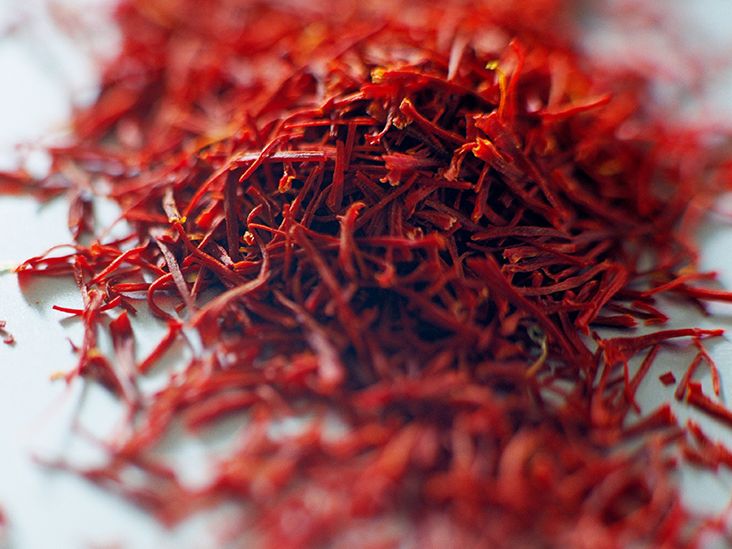
Saffron comes from the dried stigmas of the Crocus sativus flower. It is famous for its golden color, floral aroma, and “why is this tiny jar so expensive?” price tag. The high cost makes sense: saffron is harvested by hand, and it takes many flowers to produce a small amount.
The compounds that make saffron interesting for eye health include crocin, crocetin, safranal, and other antioxidant plant chemicals. These compounds may help reduce oxidative stress, inflammation, and cellular damage. Since oxidative stress plays a role in retinal aging and AMD progression, researchers have been curious about whether saffron might help protect or support the macula.
How Macular Degeneration Affects Vision
Age-related macular degeneration damages central vision. People with AMD may notice blurry central vision, straight lines appearing wavy, difficulty reading small print, trouble seeing in dim light, or a dark or empty spot in the center of vision. Peripheral vision usually remains, so AMD does not typically cause total blindness, but it can still affect independence and quality of life.
Dry AMD
Dry AMD is the most common form. It develops gradually as the macula thins and waste deposits called drusen collect under the retina. Early dry AMD may have few symptoms. Intermediate dry AMD may cause mild central blurriness or trouble with contrast. Advanced dry AMD can lead to geographic atrophy, where retinal cells are lost.
Wet AMD
Wet AMD occurs when abnormal blood vessels grow under the retina and leak fluid or blood. It is less common than dry AMD but more likely to cause sudden vision changes. Warning signs include wavy lines, rapid central blurring, new blind spots, or distortion when looking at a door frame, window blinds, or text. Wet AMD requires urgent care from an eye specialist.
Does Saffron Help Macular Degeneration?
Research on saffron and AMD is promising but still limited. Several small clinical studies have examined saffron supplementation in people with mild to moderate AMD. Some studies reported improvements in visual acuity, contrast sensitivity, and retinal function measurements after daily saffron use. In plain English: some participants saw slightly better or had better retinal response on testing.
The key word is slightly. Saffron is not restoring 20-year-old vision, removing drusen like a magic eraser, or turning your retina into a superhero shield. The reported benefits are generally modest. Still, for a condition where preserving vision matters deeply, even modest support can be meaningful when used safely and under medical guidance.
How Might Saffron Work for AMD?
Saffron may support eye health through several overlapping mechanisms. AMD is complicated, so one tidy explanation would be suspiciously convenient like a diet book promising six-pack abs from chewing celery.
1. Antioxidant Support
The retina is exposed to light, oxygen, and high metabolic activity. That combination can create oxidative stress, which may damage cells over time. Saffron’s carotenoid-like compounds may help neutralize free radicals and reduce oxidative pressure on retinal tissue.
2. Anti-Inflammatory Effects
Chronic low-grade inflammation is believed to contribute to AMD progression. Saffron compounds may help calm inflammatory pathways, though much of this evidence comes from lab and early clinical research rather than large long-term trials.
3. Neuroprotective Potential
The retina is nervous tissue. Some research suggests saffron may help protect retinal cells from stress and support their function. This is one reason researchers are interested in saffron not only for AMD, but also for other eye conditions involving retinal or optic nerve stress.
4. Support for Light Sensitivity and Contrast
People with AMD often struggle with contrast, glare, and fine detail. Some saffron studies measured contrast sensitivity and retinal electrical activity, not just letter-chart vision. That matters because real-world vision is not only about reading letters in a bright exam room; it is also about seeing the gray remote on the gray sofa in a room designed by someone apparently allergic to contrast.
How Much Saffron Should You Take for Macular Degeneration?
There is no official U.S. medical guideline that recommends saffron as a standard AMD treatment. However, clinical studies commonly used doses in the range of 20 mg to 50 mg per day of saffron extract or saffron supplementation. Some research has also looked at crocin, one of saffron’s active compounds, in smaller milligram amounts.
A practical dose discussed in research is 20 mg daily, often used for several months or longer. Another study used 50 mg daily for about three months in people with dry AMD. Improvements, when seen, often appeared within the first three months, though benefits may plateau. Long-term safety and long-term vision outcomes still need stronger evidence.
Important Dosage Reminder
Do not assume that more saffron equals more eye protection. With supplements, “more” can quickly become “why is my stomach staging a protest?” High doses of saffron can be unsafe. Large gram-level doses are associated with toxicity, and very high amounts can be dangerous. The tiny amount used in cooking is not the same as concentrated supplement dosing.
Should Saffron Replace AREDS2?
No. The best-established supplement formula for AMD is still AREDS2, especially for people with intermediate AMD or advanced AMD in one eye. The AREDS2 formula typically includes vitamin C, vitamin E, lutein, zeaxanthin, zinc, and copper. It was developed from large National Eye Institute studies and has stronger evidence than saffron for reducing the risk of progression from intermediate to advanced AMD.
Saffron may be considered an add-on conversation with your ophthalmologist, not a replacement for AREDS2. If your eye doctor has recommended AREDS2, do not stop it just because saffron sounds more exotic. Your retina does not give bonus points for spice-rack glamour.
Can Saffron Help Wet AMD?
Saffron should never replace medical treatment for wet AMD. Wet AMD is usually treated with anti-VEGF injections, which help control abnormal blood vessel growth and leakage. These treatments can preserve vision and sometimes improve it, especially when started early.
If you have wet AMD and want to ask about saffron, frame it as supportive nutrition. The key question for your retina specialist is: “Can I safely take saffron with my current treatment plan?” The wrong approach is: “I canceled my injections because I bought a spice.” Please do not make your ophthalmologist age five years in one appointment.
Side Effects of Saffron
Most people tolerate low-dose saffron supplements reasonably well, but side effects can happen. Reported side effects may include:
- Nausea
- Vomiting
- Stomach discomfort
- Headache
- Drowsiness
- Dry mouth
- Changes in appetite
- Allergic reactions, rarely severe
Stop taking saffron and seek medical help if you develop rash, swelling, trouble breathing, severe dizziness, unusual bleeding, or intense stomach symptoms.
Who Should Avoid Saffron Supplements?
Saffron in normal food amounts is different from saffron supplements. Supplements are more concentrated and should be used more carefully. Certain people should avoid saffron or ask a doctor first.
Pregnant or Breastfeeding People
Pregnant people should avoid saffron supplements unless specifically approved by a healthcare professional. High amounts may stimulate the uterus and could be unsafe. Safety data during breastfeeding is also limited.
People With Bleeding Disorders
Saffron may have theoretical effects on platelet activity. People with bleeding disorders or those taking blood thinners should consult a doctor before using saffron supplements.
People Taking Multiple Medications
If you take blood pressure medicines, antidepressants, sedatives, blood thinners, diabetes medicines, or multiple supplements, talk with a clinician before adding saffron. Interactions are not fully understood, and “natural” does not mean “automatically harmless.” Poison ivy is natural too, and it is not invited to dinner.
How to Choose a Saffron Supplement
Saffron supplements vary widely in quality. In the United States, dietary supplements are not approved by the FDA before they are sold. Manufacturers are responsible for safety, labeling, and quality, but products can still differ in purity and strength.
When shopping, look for a product that clearly lists the saffron amount per serving, identifies the extract or plant part, provides third-party testing when possible, and avoids exaggerated claims such as “cures macular degeneration” or “restores perfect vision.” Disease-cure claims should raise a red flag large enough to be seen from the parking lot.
How to Use Saffron Safely for Eye Health
If your eye doctor agrees that saffron is reasonable for you, consider a conservative approach:
- Use a low dose studied in clinical research, commonly around 20 mg daily.
- Take it consistently for a defined trial period, such as 8 to 12 weeks.
- Do not combine several “eye health” supplements without checking for ingredient overlap.
- Continue prescribed AMD treatments and monitoring.
- Track symptoms, side effects, and vision changes.
Use an Amsler grid if your eye doctor recommends it. If straight lines suddenly look wavy, if central vision changes quickly, or if you notice a new dark spot, call your eye doctor right away. Do not wait to see whether saffron “kicks in.” Wet AMD is not a “wait and vibe” situation.
Foods and Lifestyle Habits That Support the Macula
Saffron is only one small piece of the eye-health puzzle. A macula-friendly lifestyle usually includes leafy greens, colorful vegetables, fruits, nuts, fish rich in omega-3 fatty acids, regular exercise, healthy blood pressure, and no smoking. Smoking is one of the strongest modifiable risk factors for AMD progression.
Good food choices include spinach, kale, collard greens, broccoli, orange peppers, corn, egg yolks, salmon, sardines, walnuts, citrus fruits, and berries. These foods provide lutein, zeaxanthin, vitamin C, vitamin E, zinc, omega-3 fats, and other antioxidants that support long-term eye health.
Practical Experiences: What People Often Learn When Trying Saffron for AMD
Many people become interested in saffron after receiving an AMD diagnosis and realizing that the condition is long-term. The emotional reaction is understandable. Vision is personal. It is how we read birthday cards, recognize faces, watch grandchildren run across a room, and find the coffee mug we swear was right there a second ago.
One common real-world experience is that people expect saffron to produce obvious results quickly. But AMD changes are often subtle, and improvements reported in studies are usually measured with eye charts, contrast tests, or retinal function equipment. A person may not wake up one morning and announce, “Behold, my macula has upgraded to premium mode.” Instead, changes may be modest: slightly easier reading, less struggle with contrast, or more stable test results at follow-up.
Another experience is confusion about supplements. A person may already take AREDS2, a multivitamin, fish oil, vitamin D, turmeric, magnesium, and then consider saffron. Suddenly the kitchen counter looks like a tiny pharmacy wearing a wellness hat. This is where a medication and supplement list becomes essential. Bring everything to your eye appointment or primary care visit, including the bottle, dosage, and how often you take it. Doctors cannot check interactions with supplements they do not know exist.
People also learn that supplement quality matters. Cheap saffron products may be under-dosed, poorly labeled, or mixed with fillers. Real saffron is expensive, so very cheap products deserve skepticism. A good supplement should make the dose obvious. If the label reads like a mystery novel, choose another product.
Some users report mild stomach upset when starting saffron. Taking it with food may help, but persistent nausea, headache, drowsiness, allergic symptoms, or unusual bleeding should not be ignored. Supplements should make life better, not turn your digestive system into a dramatic opera.
A useful approach is to treat saffron like a structured experiment, not a leap of faith. Before starting, ask your ophthalmologist what stage of AMD you have, whether AREDS2 is appropriate, and whether saffron is safe with your medications. Write down your baseline symptoms: reading comfort, glare sensitivity, night vision, contrast problems, and any distortion. Use the same lighting and reading material when comparing changes. After 8 to 12 weeks, review whether you notice any difference and whether your eye tests remain stable.
The best experience comes from realistic expectations. Saffron may support retinal health, but it does not replace eye exams, imaging, AREDS2 when indicated, anti-VEGF therapy for wet AMD, smoking cessation, blood pressure control, or a nutrient-rich diet. In other words, saffron can join the team, but it should not fire the coach, bench the medical treatment, and declare itself captain.
Conclusion
Saffron for macular degeneration is an intriguing area of research. Early studies suggest that low-dose saffron, often around 20 mg to 50 mg daily, may modestly improve visual function or support retinal response in some people with AMD. Its antioxidant, anti-inflammatory, and neuroprotective properties make it biologically plausible as an eye-health supplement.
However, saffron is not a cure for AMD. It should not replace AREDS2 supplements when recommended, and it should never replace urgent treatment for wet AMD. The safest path is to talk with an ophthalmologist, use a reputable product, avoid high doses, watch for side effects, and keep your expectations realistic. The spice may be golden, but good AMD care is built on evidence, monitoring, and smart daily habits.
Note: This article is for educational purposes only and does not replace medical advice, diagnosis, or treatment from an ophthalmologist or qualified healthcare professional.