Few garden plants deliver as much drama per square inch as the hyacinth. One unassuming bulb disappears into the soil in fall, sleeps through winter, and returns in spring wearing a tower of colorful, intensely fragrant flowers. It is essentially a garden magicianonly with fewer card tricks and considerably better perfume.
Planting hyacinth bulbs is simple, but timing, drainage, depth, and after-bloom care determine whether you get sturdy flower spikes or a disappointing patch of floppy leaves. This guide explains how to plant hyacinths outdoors and in containers, care for them throughout the year, and encourage dependable spring blooms.
Understanding Garden Hyacinths
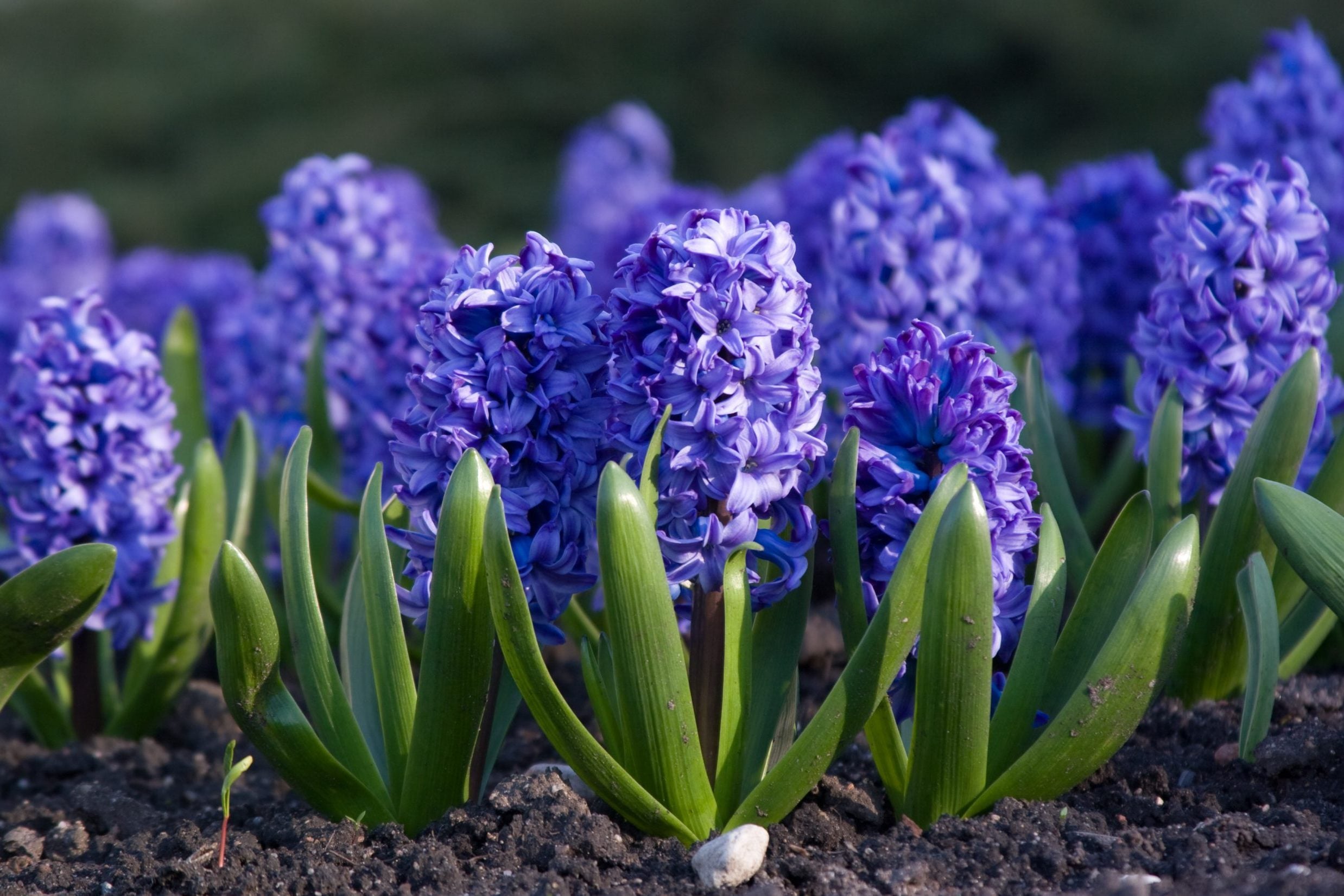
Common garden hyacinths, botanically known as Hyacinthus orientalis, are spring-flowering bulbs valued for dense clusters of waxy, bell-shaped flowers. Depending on the cultivar, blooms may be blue, purple, lavender, white, pink, salmon, red, peach, or pale yellow.
Most plants grow approximately 6 to 12 inches tall. They work well along walkways, near entrances, in formal beds, and in containers where their fragrance can be appreciated. Hyacinths generally perform reliably in USDA Hardiness Zones 4 through 8, although local soil and winter conditions matter more than a zone number alone.
Hyacinths Are Not Grape Hyacinths
Grape hyacinths belong to the genus Muscari and are not true hyacinths. They produce smaller flower spikes resembling clusters of tiny grapes and naturalize more readily. Both are attractive spring bulbs, but their size, spacing, planting depth, and long-term growth habits differ.
Quick Hyacinth Planting Guide
| Planting Factor | Recommended Approach |
|---|---|
| Planting season | Fall, after the soil cools but before it freezes |
| Soil temperature | Approximately 50–55°F or cooler |
| Planting depth | Usually 4–6 inches, measured from the bulb base |
| Spacing | About 4–6 inches apart |
| Light | Full sun to light partial shade |
| Soil | Loose, moderately fertile, and well drained |
| Water | Water after planting; keep moderately moist during spring growth |
| Bloom period | Early to mid-spring, depending on climate and cultivar |
When to Plant Hyacinth Bulbs
The best time to plant hyacinth bulbs is in fall, generally six to eight weeks before the ground is expected to freeze. Northern gardeners often plant from September through October, while gardeners in milder regions may wait until October or November.
Calendar dates are useful, but soil temperature is a better guide. Begin planting after the soil has cooled to roughly 50–55°F. Cool soil encourages root development without stimulating excessive top growth. Planting too early in warm soil may increase the risk of disease or premature shoots.
What If You Miss the Ideal Planting Window?
If the ground is still workable, plant the bulbs. A late planting is usually better than leaving them in a garage until they become expensive compost. Add mulch after planting if winter weather is approaching quickly.
Planting Hyacinths in Warm Climates
Hyacinths need a prolonged cold period to produce strong flowers. In areas with mild winters, bulbs may require eight to twelve weeks of pre-chilling at approximately 35–45°F before planting. Keep refrigerated bulbs dry, provide airflow, and never freeze them.
Do not store bulbs beside ripening apples, pears, or other produce. Ripening fruit releases ethylene gas, which can damage developing flowers inside the bulbs. In very warm regions, hyacinths are frequently treated as annuals because reliable reblooming can be difficult.
Choosing Healthy Hyacinth Bulbs
Select large, firm bulbs that feel heavy for their size. The outer skin may be papery, but the bulb underneath should not feel soft, hollow, or wet. Avoid bulbs with mold, deep cuts, unpleasant odors, or extensive discoloration.
Larger bulbs generally produce stronger first-year flower spikes. Smaller bulbs can still bloom, but the display may be less substantial. If you cannot plant immediately, store the bulbs in a cool, dark, dry, ventilated place.
How to Choose the Best Planting Site
Provide Plenty of Spring Sunlight
Hyacinths flower best in full sun but tolerate light partial shade. A location receiving at least six hours of spring sunlight is ideal. Beds beneath deciduous trees may work surprisingly well because the bulbs bloom before the tree canopy fills in.
Avoid unusually warm sites beside south-facing foundations in cold regions. Reflected heat can encourage early growth, leaving tender shoots vulnerable to a late freeze.
Make Drainage the Top Priority
Hyacinths can tolerate cold soil much better than waterlogged soil. Standing water deprives roots of oxygen and encourages bulb rot. If puddles remain in a bed long after rain, choose another location or create a raised planting area.
The ideal soil is loose, moderately fertile, and slightly acidic to neutral. Improve heavy soil across the entire bed with compost or other organic matter. Do not place a handful of sand beneath each bulb; that can create a small basin where water collectsthe horticultural equivalent of giving rot its own studio apartment.
How to Plant Hyacinth Bulbs Step by Step
1. Prepare the Bed
Remove weeds and loosen the top 10 to 12 inches of soil. Mix in a modest layer of finished compost if the soil is compacted or low in organic matter. Use fertilizer only when soil-test results indicate a need. Hyacinth bulbs already contain stored energy for their first season of flowers.
2. Dig to the Correct Depth
Plant most hyacinth bulbs 4 to 6 inches deep, measuring from the bulb’s flat base to the finished soil surface. Another useful guideline is to plant bulbs two to three times as deep as their height.
Plant slightly deeper in loose, sandy soil and slightly shallower in dense clay. Follow the supplier’s instructions when they differ because cultivar size and regional conditions can affect the recommended depth.
3. Position the Bulbs Properly
Place each bulb with the pointed tip facing upward and the broad, flatter root plate resting firmly on the soil. If a bulb’s top and bottom are difficult to identify, plant it on its side. The shoot will usually find its way toward daylight, although it may grumble internally about the detour.
4. Space for a Full Display
Space bulbs approximately 4 to 6 inches apart. For a lush effect, arrange them in clusters of at least six to fifteen rather than planting isolated bulbs in a ruler-straight line. Natural-looking drifts are more visually effective and conceal individual plants that bloom imperfectly.
5. Cover and Water Thoroughly
Replace the soil gently, firming it enough to remove large air pockets without compacting the bed. Water deeply after planting. This settles the soil around the bulbs and supports fall root development.
Watering, Mulching, and Fertilizing
After the initial watering, established outdoor bulbs usually need additional moisture only during extended dry weather. In spring, keep the soil moderately moist while leaves and flowers are actively growing. Reduce watering after flowering as the foliage yellows and the bulbs enter dormancy.
Apply 2 to 3 inches of shredded leaves, bark, or another loose mulch after the soil cools. Mulch moderates temperature fluctuations, conserves moisture, and discourages weeds. In spring, thin heavy mulch if it prevents shoots from emerging easily.
Hyacinths planted in healthy garden soil rarely need aggressive feeding. If growth is weak and a soil test indicates low fertility, apply a balanced bulb fertilizer according to its label. More fertilizer does not automatically produce more flowers; sometimes it simply produces more leaves with impressive self-esteem.
Planting Hyacinth Bulbs in Containers
Hyacinths are excellent container plants because they remain compact and produce a large visual impact. Choose a frost-resistant pot with drainage holes and fill it with fresh, well-draining potting mix. Garden soil is too dense for most containers.
Position bulbs with their pointed ends upward. They may be placed closer together than bulbs in a garden bed, but they should not touch one another or the pot’s sides. Cover them according to the bulb supplier’s directions, water well, and allow excess water to drain.
Outdoor pots are more vulnerable to hard freezes because their soil is exposed on all sides. In cold climates, protect containers in an unheated garage, cold frame, or sheltered location where bulbs remain cold without repeatedly freezing and thawing. Check occasionally so the potting mix stays barely moist rather than soggy.
Forcing Hyacinth Bulbs Indoors
Hyacinths can be forced to bloom indoors during winter. Plant bulbs in containers or suspend pre-chilled bulbs over water in special forcing vases. When using a vase, the bulb’s base should sit just above the water rather than in it. Roots will grow downward toward the moisture.
After the required chilling and rooting period, move the bulbs gradually into brighter conditions. Keep them in a cool, sunny roomideally below 65°Fto promote sturdy stems and longer-lasting flowers. Rotate containers every few days so the flower stalks do not lean dramatically toward the window.
Forced bulbs use much of their stored energy. They may be planted outdoors after the foliage matures, but recovery and future flowering are not guaranteed.
How to Care for Hyacinths After They Bloom
Remove faded flower spikes before seeds develop, but leave the green leaves untouched. The foliage continues photosynthesizing and replenishes the bulb for the following year. Cutting, braiding, or tying green leaves reduces the energy available for future blooms.
Allow the foliage to yellow and collapse naturally before removing it. This normally takes several weeks. Once dormant, hyacinths require relatively dry summer conditions.
Will Hyacinths Return Every Year?
Healthy bulbs can return for several seasons, but flower spikes commonly become smaller and less densely packed over time. The looser second- or third-year flowers often look graceful in informal gardens, even if they no longer resemble the thick spikes shown on bulb packages.
Divide overcrowded clumps after the foliage dies back. Carefully lift the bulbs, separate healthy offsets, and replant them promptly or store them in a cool, dry place until fall.
Common Hyacinth Problems and Practical Solutions
Bulbs Rot Before Flowering
Soft bulbs and missing shoots usually indicate poor drainage, damaged planting stock, or excessive moisture. Remove affected bulbs and improve drainage before replanting. Avoid watering dormant bulbs during wet summers.
Plants Produce Leaves but No Flowers
Possible causes include inadequate winter chilling, bulbs that were too small, premature foliage removal, excessive shade, or depleted bulbs. Warm-climate gardeners should purchase pre-chilled bulbs or chill them before planting.
Flower Stalks Flop Over
Weak stems may result from insufficient light, overly warm indoor conditions, heavy rain, or unusually large flower spikes. Planting in groups provides some mutual support. Indoor containers should be kept cool and rotated regularly.
Animals Dig Up the Bed
Hyacinths are less appealing to deer and many rodents than tulips, but freshly disturbed soil may still invite investigation. Lay wire mesh beneath the soil surface, use gravel around the planting area, or cover the bed temporarily until the soil settles. Keep the protective material from obstructing emerging shoots.
Design Ideas for Beautiful Spring Blooms
For maximum fragrance, plant hyacinths near a front door, patio, bench, or walkway. Avoid scattering one bulb here and another there. Repeating groups of the same color creates a stronger landscape effect.
Blue and purple hyacinths pair beautifully with yellow daffodils. White cultivars can brighten partially shaded beds, while pink flowers combine well with early tulips and pale pansies. For a longer display, layer hyacinths with earlier crocuses and later daffodils or tulips, keeping each bulb type at its proper depth.
Consider fragrance intensity when planting close to windows or enclosed patios. A few hyacinths smell delightful; several dozen can make the air feel as if the garden has applied perfume with a garden hose.
A Gardener’s Experience: Lessons From Fall to Spring
The most useful hyacinth lessons often become clear only after comparing two planting areas. Imagine one group placed beside a walkway in loose, improved soil and another tucked into a low bed where water gathers after every storm. Both groups receive the same bulbs, fall temperatures, and optimistic pep talk. By spring, their results can look entirely different.
The walkway bulbs usually emerge as thick green points shortly after winter begins to loosen its grip. Because the soil drains well and receives morning sun, the shoots grow steadily rather than sitting in cold mud. Within a few weeks, compact flower spikes rise above the leaves. Their fragrance becomes noticeable before the individual blooms are fully open. Visitors pause, look around, and ask where the scent is coming froma satisfying reward for ten minutes of digging several months earlier.
The bulbs in the low bed tell a less cheerful story. A few grow normally, several produce thin leaves, and one fails to appear. Digging carefully near the missing plant reveals a soft, discolored bulb. The problem was not a lack of fertilizer or an especially vindictive squirrel. It was standing water. Moving the remaining healthy bulbs to a slightly raised bed fixes more than another bag of plant food ever could.
Spacing also teaches a memorable lesson. Five bulbs scattered across a large border may look lonely, even when every one blooms perfectly. The same five bulbs planted in a loose cluster create a distinct patch of color. A group of ten or fifteen is even more effective, particularly when viewed from a window or across a yard. Bulbs are small design ingredients; they usually work better as a choir than as solo performers.
The first spring also demonstrates why foliage should be left alone. After flowering, hyacinth leaves are not especially glamorous. It is tempting to cut them down while tidying the bed. Gardeners who wait until the leaves turn yellow, however, frequently see better return growth than those who remove them while green. A simple strategy is to plant hyacinths among emerging perennials. As hostas, daylilies, or hardy geraniums expand, they hide the fading bulb foliage without interrupting its work.
Container growing provides another practical comparison. A well-drained pot placed near the door makes the fragrance easy to enjoy, but it dries more quickly than a garden bed. Checking the soil with a finger works better than following a rigid watering schedule. If the surface is still moist, wait. If it feels dry below the top layer, water thoroughly and let the excess drain.
By the second or third spring, the flower spikes may contain fewer florets. This is normal rather than a gardening emergency. Some gardeners replace the bulbs for a formal, densely flowered display. Others keep the older plants because their relaxed spikes look charming in cottage-style beds. The experience ultimately reinforces one dependable rule: correct timing matters, but excellent drainage and patient aftercare are what turn a one-season show into a recurring spring tradition.
Conclusion
Planting hyacinth bulbs successfully comes down to a handful of sensible decisions: choose firm bulbs, plant them in cool fall soil, provide sunlight and excellent drainage, position them about 4 to 6 inches deep, and water them after planting. When spring arrives, enjoy the fragrance, remove spent flowers, and let the foliage mature naturally.
Give hyacinths a dry bed rather than a soggy one, and they will handle much of the remaining work underground. Your reward is a bright, fragrant spring display that looks far more complicated than it was to createwhich is exactly the kind of gardening trick worth repeating.