Period cramps have a special talent for arriving right when you have plans, deadlines, errands, or the bold dream of simply standing upright without negotiating with your uterus. Also called menstrual cramps or dysmenorrhea, period cramps are usually felt as throbbing, aching, or cramping pain in the lower belly. For some people, the pain is mild and annoying. For others, it feels like the uterus has opened a tiny construction company and forgotten to apply for permits.
The good news: many common period cramps can be eased at home with simple, practical steps. Heat, movement, hydration, rest, gentle massage, and smart over-the-counter pain relief can make a real difference. The important part is knowing what helps, what is safe, and when cramps may be a sign that something else needs medical attention.
This guide explains six practical home remedies for period cramps, answers common questions, and adds real-world experience-style tips for building a calmer monthly routine. It is written for everyday readers, not medical textbooks wearing tiny glasses.
What causes period cramps?
Most typical period cramps happen because the uterus contracts to help shed its lining. During menstruation, the body produces hormone-like substances called prostaglandins. Higher prostaglandin levels can lead to stronger uterine contractions, more inflammation, and more pain. That is why cramps often feel strongest during the first day or two of bleeding.
Primary dysmenorrhea means cramps that are not caused by another medical condition. These cramps often begin in the teen years or early adulthood and may improve with age or after childbirth for some people. Secondary dysmenorrhea means menstrual pain caused by an underlying condition, such as endometriosis, fibroids, adenomyosis, pelvic inflammatory disease, or other pelvic health concerns.
Home remedies are most useful for mild to moderate cramps that follow a familiar monthly pattern. If your pain is suddenly worse, starts later in life, comes with fever, unusual discharge, very heavy bleeding, fainting, or pain outside your usual cycle, it is time to talk with a healthcare professional.
6 practical home remedies for period cramps
1. Use heat like it is your uterus’s customer service department
Heat is one of the easiest and most reliable home remedies for period cramps. A heating pad, warm water bottle, heated patch, or warm bath can help relax tense muscles and increase blood flow to the lower abdomen. Many people find that heat works best when applied low on the belly, across the pelvis, or on the lower back.
Try using heat for 15 to 30 minutes at a time. Keep the temperature warm, not scorching. Your goal is cozy relief, not accidentally roasting yourself like a marshmallow. If you use an electric heating pad, avoid falling asleep with it on unless the product is specifically designed with an automatic shutoff.
For work, school, or errands, adhesive heat patches can be helpful because they fit under clothing and move with you. For home, a microwavable heat pack or warm bath can be more relaxing. Pair heat with slow breathing and a comfortable position, such as lying on your side with knees slightly bent.
2. Try gentle movement, stretching, or yoga
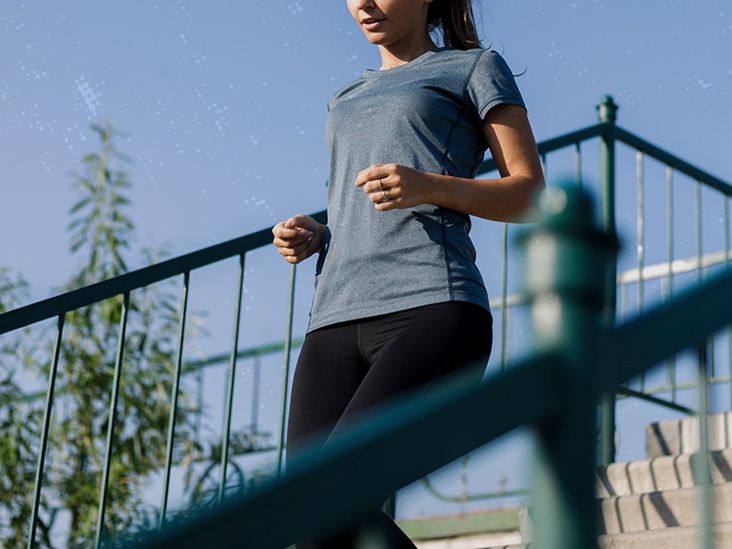
When cramps hit, exercise may sound about as appealing as alphabetizing your sock drawer during a thunderstorm. But gentle movement can help reduce menstrual pain for many people. Physical activity encourages blood flow and may release endorphins, the body’s natural feel-good chemicals.
You do not need an intense workout. In fact, this is not the moment to prove anything to your fitness tracker. Try a slow walk, light stretching, gentle yoga, or simple hip circles. Child’s pose, cat-cow stretch, knees-to-chest, and reclined twist are popular choices because they may ease tension in the lower back, hips, and abdomen.
If movement makes pain worse, stop and rest. The goal is relief, not a heroic movie montage. Some people benefit more from regular exercise throughout the month than from exercising only when cramps are already intense. A realistic plan might be walking 20 to 30 minutes most days, doing yoga twice a week, or choosing any movement you can repeat without dread.
3. Use over-the-counter pain relievers wisely
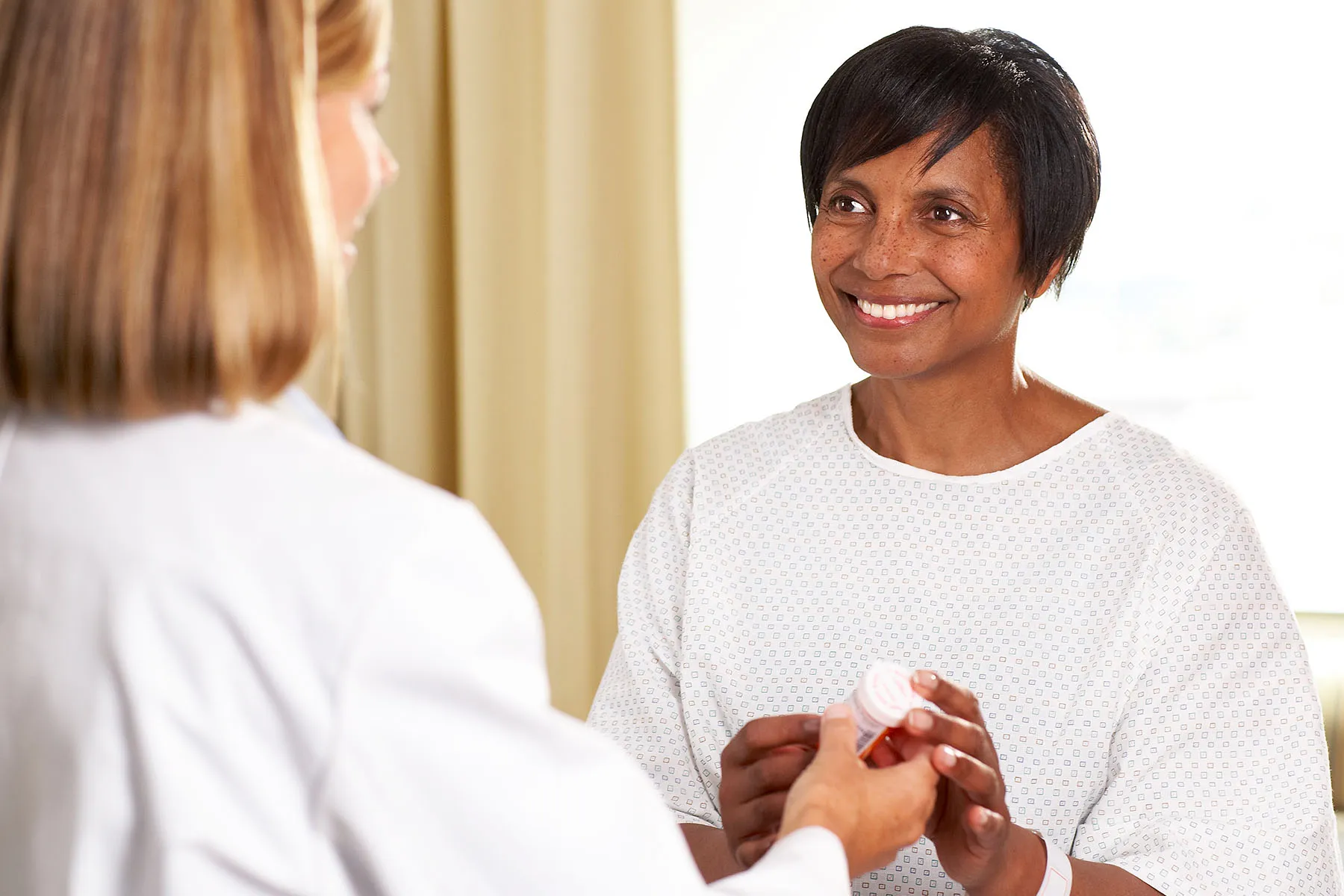
Nonsteroidal anti-inflammatory drugs, commonly called NSAIDs, can be effective for period cramps because they help reduce prostaglandins. Common examples include ibuprofen and naproxen. These medicines often work best when taken early, such as when cramps begin or even just before bleeding starts if your cycle is predictable.
Always follow the label directions. Do not take more than recommended, and avoid NSAIDs if you have been told not to use them because of stomach ulcers, kidney disease, certain heart conditions, blood-thinning medications, aspirin allergy, severe asthma triggered by NSAIDs, or pregnancy-related concerns. If you are unsure, ask a healthcare professional or pharmacist.
Acetaminophen may help some people with pain, but it does not reduce prostaglandins in the same way NSAIDs do. It may be an option for those who cannot take NSAIDs, but it also has safety limits, especially for the liver. The safest medicine is not the one your friend swears by in a group chat; it is the one that fits your health history and is taken correctly.
4. Hydrate and choose cramp-friendly foods
Hydration will not magically erase cramps, but dehydration can make your body feel more tense, tired, and headache-prone. Sip water throughout the day, especially if you also have diarrhea, nausea, sweating, or a heavier flow. Warm beverages, such as herbal tea or warm water with lemon, may feel soothing even if they are not a cure.
Food can also affect how you feel during your period. Some people do better with smaller, lighter meals when cramps come with nausea or bloating. Try balanced options that include protein, fiber-rich carbohydrates, and healthy fats. Examples include oatmeal with nuts, eggs with whole-grain toast, soup with beans or chicken, yogurt with fruit, or rice with salmon and vegetables.
You may also want to go easy on excess caffeine, alcohol, and very salty foods if they seem to worsen bloating, anxiety, poor sleep, or breast tenderness. This does not mean you must break up with coffee forever. It simply means your second giant iced coffee may not be the emotional support beverage your cramps requested.
5. Massage the lower belly and lower back
Gentle massage can help relax tight muscles and provide comfort during cramps. Use light circular motions on the lower abdomen, working slowly and gently. You can also massage the lower back, hips, and upper thighs, where period pain sometimes radiates.
A simple technique is to place your hands below the belly button and move in slow circles for several minutes. Another option is to use a tennis ball against the wall for gentle pressure on the lower back. Keep pressure comfortable. If it hurts sharply, stop.
Some people like using a plain body oil or lotion to reduce friction. If you use essential oils, dilute them properly and avoid applying them directly to skin undiluted. Essential oils can irritate skin or trigger allergies, and they are not automatically safe just because the bottle has a leaf on it. When in doubt, plain lotion is perfectly respectable.
6. Rest, sleep, and reduce stress where you can
Cramps can feel worse when you are exhausted, stressed, or running on three hours of sleep and a granola bar you found in your bag. Rest does not mean you are weak. It means your body is doing a monthly biological project and could use some backup.
Try lying on your side with a pillow between your knees, lying on your back with knees supported, or curling around a heating pad. Short naps, calming music, breathing exercises, meditation, or a warm shower can help your nervous system settle down. Even ten quiet minutes can be useful.
If stress tends to amplify your cramps, build a small period-care routine before symptoms peak. Put pain relievers, pads or tampons, a heat patch, snacks, water, and comfortable underwear in one easy-to-find place. Future you will appreciate not having to hunt through drawers while bent over like a question mark.
When period cramps are not “normal”
Period cramps are common, but severe pain should not be dismissed. Talk with a healthcare professional if cramps keep you from school, work, sleep, or normal activities; if pain is getting worse over time; if over-the-counter medicine and heat do not help; or if cramps begin for the first time after years of easier periods.
You should also seek medical advice if you have very heavy bleeding, bleeding between periods, pelvic pain when you are not menstruating, pain during sex, fever, foul-smelling discharge, dizziness, fainting, or a chance of pregnancy. These symptoms may point to something beyond ordinary primary dysmenorrhea.
Conditions such as endometriosis and fibroids are real, common, and often underdiagnosed. You do not need to “tough it out” just because someone once told you cramps are part of life. Pain that regularly steals your day deserves attention.
FAQ about period cramps
How long do period cramps usually last?
Typical cramps often begin shortly before bleeding or on the first day of the period. They may last one to three days, with the first 24 to 48 hours often being the most uncomfortable. If your cramps last much longer or continue after your period ends, it is worth checking in with a clinician.
What is the fastest home remedy for period cramps?
Heat and NSAIDs are two of the quickest options for many people. A heating pad can start soothing muscle tension quickly, while ibuprofen or naproxen may help reduce the prostaglandins that drive cramps. Always use medication according to the label and your personal health needs.
Can drinking water reduce period cramps?
Water alone may not stop cramps, but staying hydrated can help reduce overall discomfort, headaches, fatigue, and bloating for some people. Warm drinks may also feel calming. Think of hydration as part of the support team, not the solo superhero.
Is it better to rest or exercise during cramps?
It depends on your body and pain level. Gentle movement helps some people, while rest is better for others. If cramps are mild to moderate, try a short walk or gentle stretching. If pain is intense, rest, heat, and appropriate pain relief may be more useful.
Why do cramps cause nausea or diarrhea?
Prostaglandins can affect more than the uterus. They may also influence the digestive tract, which can lead to nausea, loose stools, or diarrhea during your period. Eating smaller meals, staying hydrated, and using appropriate pain relief may help.
Do supplements help period cramps?
Some supplements, such as magnesium or certain herbal products, may help some people, but evidence varies and supplements can interact with medications or cause side effects. Talk with a healthcare professional before starting supplements, especially if you are pregnant, have kidney disease, take prescription medicine, or have chronic health conditions.
Can birth control help with cramps?
Hormonal birth control may reduce cramps for some people by thinning the uterine lining, reducing ovulation-related hormone shifts, or lowering menstrual flow. Options include pills, patches, rings, injections, implants, and hormonal IUDs. This is not a home remedy, but it can be a helpful medical option to discuss with a healthcare professional.
Are severe period cramps a sign of endometriosis?
Severe cramps can have many causes, and endometriosis is one possible reason. Warning signs include pain that disrupts daily life, pain during sex, pelvic pain outside the period, bowel or bladder pain during menstruation, and symptoms that worsen over time. A clinician can help evaluate the cause.
Experience-based tips for managing period cramps in real life
Managing period cramps is not only about knowing remedies. It is about making those remedies fit into real life, where you may have classes, meetings, kids, chores, a commute, or a dog staring at you like your uterus pain is interfering with his walk schedule. A practical period-cramp plan works best when it is simple enough to use while you are already uncomfortable.
One helpful habit is to prepare a small “cramp kit” before your period begins. This can be as basic as a pouch with your preferred period products, a heat patch, over-the-counter pain relief if you can take it safely, ginger candies or crackers for nausea, and a pair of comfortable underwear. Keep one kit at home and one in your bag, desk, locker, or car. The point is not to create a luxury spa. The point is to avoid crawling through cabinets while your lower abdomen is auditioning for a disaster movie.
Another experience-tested strategy is tracking your cycle and symptoms. You can use an app, a calendar, or a notebook. Write down when cramps start, how intense they feel, what helps, what does not help, and whether symptoms like nausea, diarrhea, headaches, or heavy bleeding appear. Over two or three cycles, patterns often become clearer. Maybe heat works best on day one. Maybe you need to take pain relief earlier. Maybe caffeine makes your cramps feel sharper. Maybe your cramps are consistently severe enough that you should bring notes to a healthcare appointment.
Clothing can also make a surprising difference. On cramp-heavy days, tight waistbands may feel like a personal insult. High-waisted leggings, loose pants, soft dresses, or anything with a forgiving waistband can reduce pressure on the abdomen. If bloating is part of your period experience, plan outfits that do not require you to negotiate with a zipper before breakfast.
For school or work, it helps to create a “minimum viable day” plan. Decide what absolutely must be done and what can wait. If possible, schedule demanding tasks away from your worst cramp window. If you cannot change your schedule, use small supports: heat patches, warm drinks, short bathroom breaks, gentle stretching, and snacks that are easy on your stomach. Even a five-minute walk or a few slow breaths at your desk can help you feel more in control.
Sleep deserves more credit than it gets. Many people notice cramps feel worse after a poor night’s sleep. The night before your expected period, try winding down earlier, limiting late caffeine, and setting up your bedside area with water, pain relief if appropriate, and a heating pad ready for morning. Waking up prepared can make the first cramp wave feel less chaotic.
Finally, trust your own pain experience. You do not need to compare your cramps to anyone else’s. Some people have mild cramps and go jogging. Others need heat, medication, and quiet. Both experiences are real. The goal is not to win the “toughest period” award, which thankfully does not exist. The goal is to reduce pain, protect your energy, and get medical help when symptoms are too strong, too new, or too disruptive to manage alone.
Conclusion
Period cramps are common, but that does not mean you have to simply suffer through them with a brave smile and a secret stash of chocolate. Practical home remedies can help: apply heat, move gently, use over-the-counter pain relief safely, hydrate, eat supportive foods, massage tense areas, and make rest part of the plan.
The best approach is often a combination. A heating pad plus early NSAID use, a short walk plus hydration, or rest plus gentle massage may work better than one remedy alone. Pay attention to your patterns, prepare before cramps peak, and do not ignore pain that is severe, worsening, or unusual for you.
In short: your period may be monthly, but misery does not have to be the subscription plan.