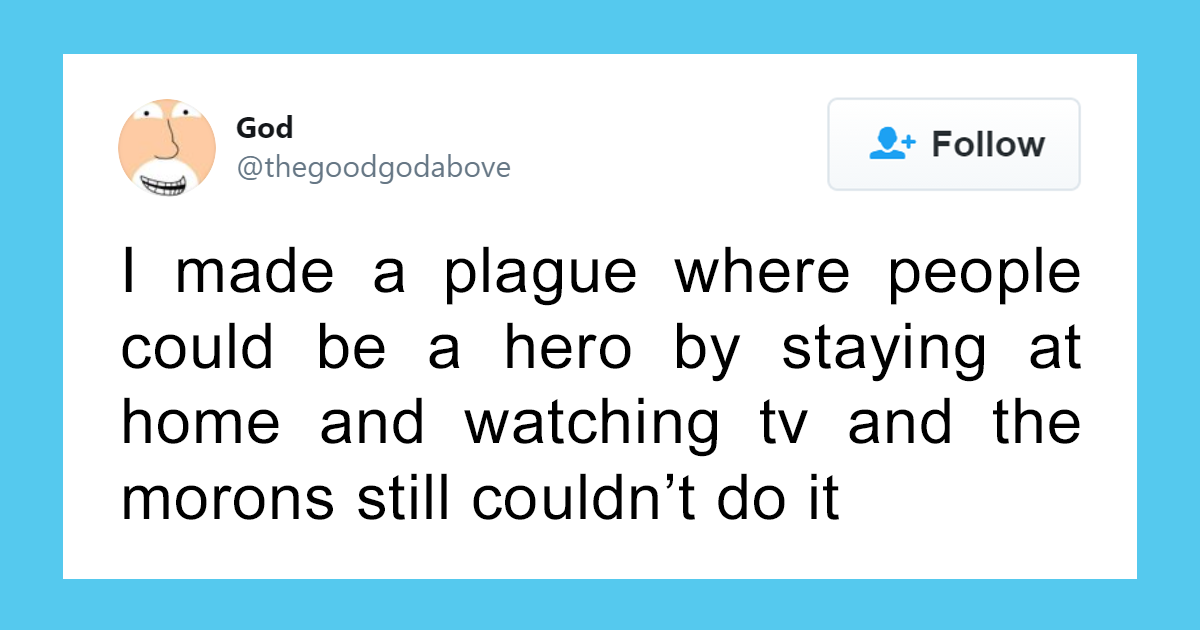
Years after the first lockdown memes appeared, people are still making corona jokes. Not because anyone has forgotten how serious COVID-19 was, but because humor is one of the strangest survival tools humans own. Give us uncertainty, bad Wi-Fi, a loaf of sourdough starter, and a Zoom meeting with one person frozen mid-sneeze, and eventually somebody will make a joke about it.
Corona jokes have become their own tiny time capsule. They remind us of panic-buying toilet paper, learning that “You’re on mute” could be a full-time career, and discovering that our pets were not emotionally prepared to have us home all day. The best pandemic humor does not make light of people’s pain. Instead, it pokes fun at the awkward, universal nonsense of trying to act normal while the entire world was clearly winging it.
So, consider this a collection of fresh coronavirus jokes for people who still laugh a little, sigh a little, and occasionally wonder why they own three unopened bottles of hand sanitizer from 2020.
Why Corona Jokes Still Land Years Later
Humor has always been a pressure valve. During stressful periods, a joke can create a brief mental pause: a tiny moment when the brain says, “Yes, this is ridiculous,” before returning to the regularly scheduled worrying. Research on humor and stress has repeatedly suggested that laughter can help people feel calmer, more connected, and less overwhelmed in the moment. It is not a cure, a treatment plan, or a substitute for professional support. It is simply one very human way of taking a breath.
That is why COVID-19 memes spread faster than sourdough starter in a warm kitchen. People were separated from friends, stuck in unfamiliar routines, worried about loved ones, and trying to understand a constant stream of changing information. A funny post about forgetting how to wear real pants did not solve those problems. But it told millions of people, “You are not the only one having a weird Tuesday.”
There is also a social reason corona humor sticks around. Shared jokes become shorthand. Say “Zoom face,” “quarantine haircut,” or “six feet apart,” and many people instantly remember a specific feeling, place, or embarrassing screenshot. That shared recognition is powerful. It turns a private moment of frustration into a collective eye roll.
The Golden Rule of Pandemic Humor
The safest and funniest COVID jokes usually aim upward, sideways, or inward. Make fun of your own dramatic grocery list. Make fun of technology. Make fun of the fact that your kitchen chair became an office chair, a school desk, and a therapy couch before lunch. Avoid making people who got sick, lost someone, worked in health care, or faced financial hardship the punchline.
A decent coronavirus joke should feel like a group chat message from a friend who understands the assignment: absurd, familiar, and not cruel. The goal is not to rewrite a difficult period as comedy. The goal is to acknowledge that even during difficult periods, people sometimes laughed because the alternative was staring at a banana bread recipe and crying into a ring light.
40 Fresh Corona Jokes to Make You Laugh Then Cry
- My 2020 fitness plan was simple: walk from the couch to the fridge and call it indoor cardio.
- I learned a lot during quarantine, including that my smoke detector has a stronger social life than I do.
- My dog loved remote work. Finally, a coworker who understood the importance of staring at snacks.
- Zoom meetings taught me one thing: every family has at least one person who cannot find the mute button.
- I bought enough hand sanitizer in 2020 to disinfect my future grandchildren’s imaginary office.
- Remember when “going viral” was something only influencers wanted? Those were innocent times.
- My quarantine haircut was so bad that my webcam started using a beauty filter out of sympathy.
- I spent lockdown improving myself. Mostly by improving my ability to ignore laundry.
- My sourdough starter had a better routine than I did: fed daily, praised constantly, and never asked to join a meeting.
- During quarantine, I became a chef. By “chef,” I mean I made the same pasta twelve different emotional ways.
- “You’re on mute” should have been the official slogan of 2020.
- My work-from-home commute was exhausting. I had to walk past the dishwasher every morning.
- I wore a mask so often that seeing my full face in a mirror felt like a celebrity reveal.
- Quarantine taught me that time is fake. It was Tuesday for approximately seven months.
- I knew I had been indoors too long when I started giving names to the dust bunnies.
- My pandemic wardrobe had two settings: pajamas and “nice pajamas for video calls.”
- I tried meditation during lockdown. Apparently, counting breaths is harder when your neighbor starts using a leaf blower.
- Social distancing made me realize I was already naturally talented at avoiding people in grocery stores.
- My laptop camera saw more of my face in 2020 than most of my relatives did.
- Quarantine dating was wild. “Would you like to come over?” became a medically complicated question.
- I opened my closet after lockdown and discovered several outfits that had filed missing-person reports.
- The first time I heard “new normal,” I assumed somebody had invented a new flavor of anxiety.
- I bought a ring light for video calls. My coworkers still only saw a tired person discussing spreadsheets.
- My plant survived quarantine better than I did. It got sunlight, water, and zero calendar invitations.
- Remember panic-buying toilet paper? Humanity really looked at a respiratory virus and said, “Protect the bathroom.”
- I became a home-office minimalist. I owned one laptop, one coffee mug, and forty-seven mysterious charging cables.
- My cat hated lockdown. Apparently, I was interrupting her full-time job of judging me silently.
- In 2020, every delivery driver was basically a superhero with a cardboard cape.
- I tried to stay positive during quarantine, but my Wi-Fi kept testing negative.
- My screen-time report during lockdown looked less like a report and more like a cry for help.
- I learned that “business casual” means a professional shirt paired with pants nobody can verify.
- My video-call background was so blurry that even I could not identify where I lived anymore.
- Quarantine gave us all a new skill: recognizing people by their eyebrows.
- I used to say I needed more time at home. The universe heard me and immediately became too enthusiastic.
- My calendar during lockdown had one recurring event: “Ask what day it is.”
- My pandemic hobby was baking bread. My pandemic talent was eating it before it cooled.
- I attended so many virtual happy hours that my couch began expecting a drink menu.
- My roommate said we needed boundaries during quarantine. I agreed, then accidentally used their mug again.
- When restrictions eased, I forgot how to make small talk. I just stood there and asked people about their sourdough.
- The pandemic made everyone a public-health expert, a home-school teacher, a bread critic, and somehow still late for Zoom.
Why These Coronavirus Jokes Feel So Familiar
The jokes above work because they are not really about a virus. They are about disrupted routines. They are about trying to work while a pet walks across the keyboard, trying to look interested on camera while your internet is holding your face hostage, and trying to explain to a child why school is suddenly happening at the kitchen table.
That familiar awkwardness is the engine behind most funny COVID-19 memes. The punchline is rarely “pandemic.” The punchline is usually, “Wow, we all became strangely bad at ordinary life for a while.” People forgot how to socialize, dressed like laundry piles, developed intense opinions about bread flour, and discovered that silence on a video call is somehow louder than silence in real life.
How to Share Corona Humor Without Being “That Person”
Know Your Audience
One person may see a quarantine joke as harmless nostalgia. Another may associate the same period with grief, illness, burnout, or financial stress. Before posting, consider the setting. A joke in a close friend group may land differently than a joke in a workplace chat, school forum, or public comment section.
Keep the Punchline Human
Good pandemic humor makes fun of shared inconveniences, not vulnerable people. Technology fails. Pants fail. Grocery lists become absurd. Pets become managers. Those are safe places to play.
Do Not Use Humor to Dismiss Real Feelings
Laughter can coexist with sadness. A person can laugh at a Zoom joke and still carry difficult memories from the pandemic. The best kind of humor leaves room for both reactions. It says, “That was bizarre,” without pretending it was easy for everyone.
Experiences That Made Corona Jokes Feel Like Group Therapy
For many people, the first wave of coronavirus jokes arrived before anyone knew what the next few months would look like. At first, the humor was almost nervous: memes about washing hands, jokes about elbow bumps, and photos of empty grocery shelves captioned like scenes from an apocalyptic movie directed by someone with a coupon addiction. The laughter was not always loud. Often, it was the kind of laugh that comes with raised eyebrows and the thought, “Are we really doing this?”
Then came the home-office era. Kitchen tables became command centers. Bedrooms became classrooms. Living rooms became gyms, restaurants, offices, and occasionally escape rooms because someone could not find the charger. People posted pictures of their “coworkers,” meaning cats, dogs, toddlers, and one extremely judgmental houseplant. Suddenly, everyone understood the awkward thrill of speaking for five straight minutes before realizing the microphone had been muted the entire time.
There was also the strange social experience of being apart together. Friends sent screenshots, memes, and voice notes because gathering in person was difficult or impossible. A joke could travel through a group chat in seconds and create a tiny burst of connection. Someone would send a meme about baking bread at midnight, and five people would reply with proof that they, too, had entered an unnecessary relationship with yeast.
Parents joked about becoming substitute teachers. Teachers joked about learning more software platforms in a week than they had used in the previous decade. Office workers joked about meeting invitations multiplying like rabbits. Students joked about taking exams while their siblings practiced musical instruments nearby. Nobody had the same experience, but many people recognized the same feeling: daily life had become a messy experiment, and the instruction manual was missing.
Years later, corona jokes can trigger both laughter and a quiet emotional aftertaste. That is normal. A meme about masks may remind someone of a funny grocery-store moment, while another person remembers a stressful shift, a difficult diagnosis, or a loved one they missed. Humor has limits, and it should. It is not supposed to erase history. It is supposed to help us hold history without letting it crush every conversation.
Maybe that is why these jokes keep appearing. They are less about reliving lockdown and more about recognizing how strange it was to live through something so globally shared and yet personally different. We laugh at the frozen Zoom screens, the panic-bought paper goods, the bread starters, and the accidental pajama uniforms because those details are small enough to hold. They give us a way to say, “That happened. It was bizarre. It was hard. And somehow, we kept going.”
Final Thoughts: Laughing at the Weird Parts, Not the Pain
Corona jokes survive because people survive through stories, and jokes are simply very short stories with a punchline. The funniest pandemic humor does not deny what people went through. It finds the shared absurdity around the edges: the mute buttons, the pets, the homemade bread, the accidental camera angles, and the realization that nobody truly knows what day it is.
So laugh at the weird parts. Share the harmless meme. Send the joke to the friend who still owns a ring light and four bottles of expired hand sanitizer. Just remember that kindness is the best filter, even when your webcam refuses to use one.