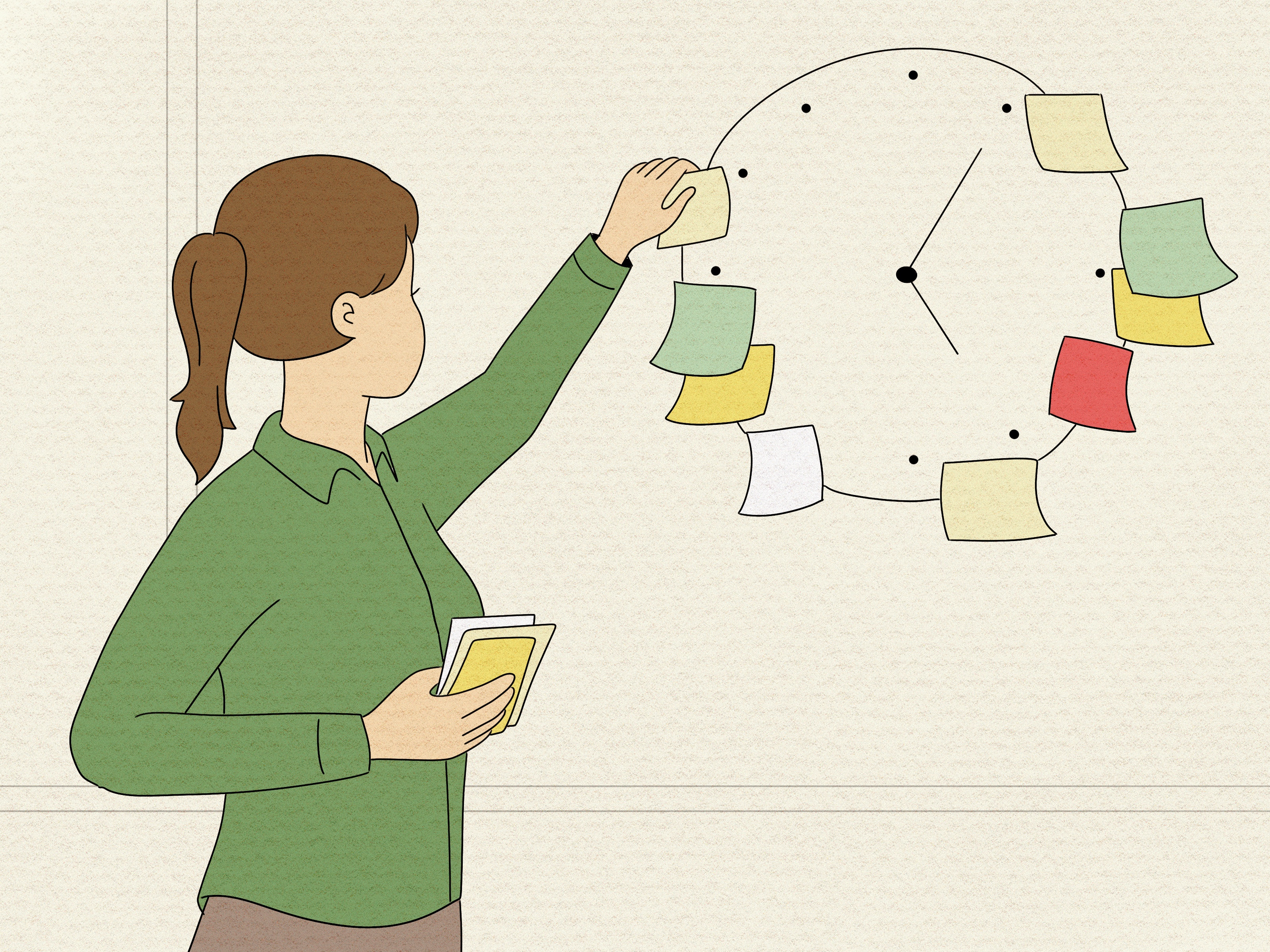
Some people collect hobbies. Others collect streaming subscriptions. And some of us collect responsibilities like we are emotionally sponsored by sticky notes. If that sounds familiar, welcome to the wonderfully exhausting world of over commitment.
At first, over commitment can look impressive. You are dependable, helpful, ambitious, involved, and somehow always available. But eventually, the shiny gold star starts to feel more like a cinder block. Your schedule turns into a chaotic game of calendar Tetris, your energy drops, your patience gets weirdly fragile, and even fun plans begin to feel like unpaid overtime.
Over commitment is more than just having a full week. It is the pattern of taking on more tasks, obligations, social plans, emotional labor, or work than your time, energy, and attention can realistically support. It often grows out of good intentions, but it can lead to chronic stress, resentment, reduced performance, and burnout if nothing changes.
This guide breaks down what over commitment really means, how to spot it, why it happens, and what to do if your life currently feels like forty tabs are open in your brain and one of them is playing music but you cannot find which one.
What Is Over Commitment?
Over commitment happens when you consistently say yes to more than you can reasonably manage. That can include work projects, school demands, volunteer roles, family duties, social invitations, caregiving, side hustles, favors, and even the invisible labor of always being the “go-to” person.
It is not a formal mental health diagnosis. Instead, it is a behavioral pattern. The problem is not that you are busy once in a while. The problem is that “too much” becomes your normal setting. You start living in a state of ongoing overload, and your body and mind do not treat that like a cute personality trait. They treat it like stress.
A committed person usually has clear priorities and enough recovery time to sustain them. An overcommitted person often has blurry priorities, weak boundaries, very little margin, and a constant sense of being behind. The difference matters.
Why Do People Overcommit?
Over commitment is rarely caused by laziness’s evil twin. Most of the time, it grows out of traits that sound admirable on paper.
1. You want to be helpful
Many overcommitted people genuinely care. They want to support coworkers, show up for family, help friends, and be seen as reliable. The heart is in the right place. The schedule is simply on fire.
2. You hate disappointing people
If saying no makes you feel guilty, selfish, rude, or dramatic, you may default to yes even when yes creates chaos. People-pleasing can quietly turn into self-neglect.
3. Your identity is tied to productivity
Some people feel valuable only when they are useful. Rest starts to feel unearned. Free time feels suspicious. Doing less can trigger anxiety because it seems like you are somehow failing at being a good employee, parent, student, partner, or human.
4. You underestimate time and energy
It is easy to assume a task will take “like 20 minutes” when it actually takes 90, plus recovery time, plus ten more minutes to find the attachment someone definitely swore they sent. Over commitment often comes from planning with ideal conditions in mind instead of real life.
5. You have weak or inconsistent boundaries
If people are used to your instant replies, last-minute rescues, or heroic flexibility, they may keep asking for more. Without boundaries, your availability starts looking unlimited even when it definitely is not.
6. You are afraid of missing out
Sometimes over commitment is emotional. You do not want to miss an opportunity, a connection, a memory, or a possible advantage. So you say yes to everything and end up enjoying almost none of it.
Signs You May Be Overcommitted
Over commitment does not always show up as dramatic collapse. Sometimes it looks surprisingly normal from the outside. Here are the most common signs.
Your calendar has no breathing room
Every hour is spoken for, and even your “free” time has tasks hidden inside it. You move from one commitment to the next with almost no transition.
You feel tired even after resting
This kind of fatigue is not always solved by one good night of sleep. When your mental load stays high, you can feel drained before the day really starts.
You are irritated by small things
When you are stretched too thin, tiny inconveniences feel enormous. The printer jams and suddenly your soul leaves your body.
You keep forgetting things
Missed details, late replies, dropped balls, and brain fog are common when your attention is overloaded.
You say yes automatically
You agree before checking your schedule, your energy level, or whether you even want to do the thing.
You feel resentful about obligations you chose
This one stings. If you constantly think, “Why am I the one doing all this?” it may be a sign your commitments no longer match your capacity.
You do a lot, but feel like you are never doing enough
Over commitment often creates a permanent sense of being behind. No matter how much you accomplish, your brain immediately moves the goalpost.
Your relationships feel strained
You may be physically present but mentally elsewhere. Or you may cancel often, rush conversations, or become emotionally unavailable because your bandwidth is gone.
Fun starts feeling like work
When even enjoyable plans feel draining, your system may be signaling that your load is too heavy.
What Over Commitment Can Cost You
Being overcommitted is not just inconvenient. It can chip away at your well-being over time.
Mentally, it can increase stress, anxiety, irritability, and difficulty concentrating. Emotionally, it can lead to guilt, resentment, numbness, or a constant low-grade panic that you are forgetting something important. Physically, it can affect sleep, tension, headaches, appetite, and overall energy. Professionally, it can reduce the quality of your work, even while the quantity stays high. Relationally, it can make you less patient, less present, and less available in the ways that actually matter.
In other words, saying yes to everything often means saying no to focus, health, peace, and sometimes joy.
How to Stop Over Committing
The good news is that over commitment is not a life sentence. It is a pattern, and patterns can be changed. Usually not overnight. Usually with a little awkwardness. But absolutely changed.
1. Do a commitment audit
Write down everything currently taking your time and energy: work tasks, family duties, social plans, recurring favors, volunteer roles, clubs, side projects, emotional support roles, all of it. Then ask three questions:
- Does this matter to me?
- Does this have to be done by me?
- Can I realistically sustain this?
You cannot fix overload if you only review your schedule in your head, where everything feels vague and weirdly noble.
2. Separate priorities from possibilities
Not every good opportunity is a real priority. A healthy schedule is built around what matters most, not around everything that could theoretically be done if you were three people and a spreadsheet.
3. Stop answering immediately
Replace instant yes with a pause. Try: “Let me check my schedule.” Or: “I want to think about whether I can do that well.” This tiny delay gives your logical brain time to catch up with your reflexive people-pleasing brain.
4. Use a capacity rule
Create a personal limit, such as no more than two evening commitments per week, no meetings during lunch, one major project at a time, or one weekend day kept unscheduled. Rules remove the need to renegotiate with guilt every single time.
5. Learn low-drama ways to say no
You do not need a courtroom-level defense. Clear and respectful is enough.
- “I can’t take that on right now.”
- “I’m at capacity this week.”
- “I won’t be able to do that, but I hope it goes well.”
- “That sounds great, but I need to pass.”
- “I can help for 20 minutes, not three hours.”
Notice what is missing: a seven-paragraph apology and a TED Talk on your calendar.
6. Build margin into your week
Every task takes more energy than the task itself. There is setup time, decision fatigue, travel, transitions, follow-up, and basic human recovery. Leave white space in your schedule on purpose. Margin is not wasted time. It is what keeps life from becoming a traffic pileup.
7. Renegotiate instead of silently drowning
If your load is already unrealistic, do not wait until you are melting down in front of your inbox. Ask for a deadline extension, reduce scope, delegate part of a task, or be honest that your current workload is not sustainable.
8. Watch for guilt, not just logistics
Sometimes the hardest part of reducing commitments is emotional. You may know you should say no, but guilt keeps grabbing the microphone. When that happens, ask: “Am I making this choice from generosity or from fear?” That question can be annoyingly clarifying.
9. Put recovery on the calendar
Rest rarely happens by accident for overcommitted people. Schedule sleep, meals, exercise, quiet time, hobbies, and relationships the same way you schedule obligations. If recovery is optional, it usually disappears.
10. Get support if stress is affecting daily life
If you have ongoing trouble sleeping, concentrating, functioning, or managing irritability and stress, it may help to talk with a licensed mental health professional or healthcare provider. When overwhelm lasts for weeks and starts interfering with everyday life, it deserves attention, not another inspirational to-do list.
What Healthy Commitment Looks Like
Stopping over commitment does not mean becoming unreliable, lazy, selfish, or mysteriously living on a mountain with no phone signal. It means making your yes more honest.
Healthy commitment looks like choosing responsibilities that align with your values, allowing enough time to do them well, and protecting enough recovery that your life still feels like a life. It means being dependable without becoming depleted. It means helping others without abandoning yourself. It means understanding that availability is not the same thing as worth.
Examples of Boundary Scripts You Can Actually Use
At work
“I can take this on next week, but not today.”
“If this is the priority, I’ll need to move something else off my plate.”
With family
“I care about this, but I can’t be the only one handling it.”
“I can help on Saturday morning, not all weekend.”
With friends
“I’d love to see you, but I need a quiet night. Can we plan for next week?”
“I can’t make it this time, but thanks for inviting me.”
With yourself
“Just because I technically could squeeze this in does not mean I should.”
“A full calendar is not proof that I’m doing life correctly.”
Experience Section: What Over Commitment Looks Like in Real Life
Over commitment usually does not arrive wearing a name tag. It slips in disguised as responsibility, enthusiasm, or “just a busy season.” In real life, it often starts small.
Take the example of a college student who joins multiple clubs, works part-time, tries to keep grades high, says yes to every group project role, and still becomes the friend everyone calls during a crisis. At first, that student feels productive and connected. A few weeks later, meals are skipped, assignments are done at the last minute, sleep becomes optional, and every text notification feels like a personal attack. The student is not failing because they are incapable. They are overloaded because they built a life with no margin.
Or think about a working parent who handles their own job, keeps track of the family calendar, remembers appointments, coordinates school logistics, helps relatives, signs up to organize events, and somehow becomes the default fixer in every room. From the outside, this person looks incredibly capable. On the inside, they feel exhausted, underappreciated, and quietly angry that nobody notices how much invisible labor they carry. That is over commitment too. It is not always loud. Sometimes it just looks like competence that has gone way past its limit.
Another common experience happens in friendships and relationships. Someone becomes the “always available” person, the one who listens for hours, solves problems, checks in first, helps everyone move, remembers birthdays, and says yes even when they are running on fumes. Eventually, they start to feel drained and resentful, but they also feel guilty for wanting space. They worry that boundaries will make them seem cold. In reality, healthy limits are often what make a relationship sustainable in the first place.
Many people also describe a strange emotional whiplash with over commitment. They feel proud when they are asked to do more because it signals trust or importance. Then they feel trapped once they agree. Then they blame themselves for not handling it better. That cycle can repeat for years unless they realize the issue is not personal weakness. The issue is chronic overextension.
One of the biggest turning points people report is discovering that saying no does not ruin their life. It may feel awkward at first. It may disappoint someone. It may require a few uncomfortable conversations. But it also creates something priceless: room to think, rest, focus, and show up more honestly. People often notice that when they stop saying yes to everything, they become better at the things they truly care about. Their work improves. Their mood steadies. Their relationships feel less resentful and more real. They stop performing helpfulness and start practicing sustainable care.
That is the real goal. Not to become unavailable. Not to avoid responsibility. Just to stop living as if your energy has no limit and your time is public property.
Final Thoughts
Over commitment can feel normal when you have lived with it for a long time. You may even wear it like a badge of honor. But constant overload is not proof of success, strength, or goodness. It is often proof that your boundaries, expectations, or priorities need attention.
You do not have to earn rest by collapsing first. You do not have to keep saying yes just because you always have. And you do not need to become a different person to stop over committing. You just need a more honest relationship with your time, your energy, and your limits.
That might mean disappointing a few people. It might even mean disappointing the imaginary version of yourself who can apparently do everything while smiling and replying to emails from the produce aisle. But the trade-off is worth it. Less overload. More clarity. Better focus. A calmer nervous system. And maybe, just maybe, the radical luxury of sitting down without remembering thirteen things you forgot to do.
If overwhelming stress is lasting for weeks, interfering with sleep, school, work, or relationships, or making daily life feel unmanageable, reach out to a qualified healthcare or mental health professional. If you are in the United States and need immediate crisis support, call or text 988.