Some brands chase trends the way a seagull chases a dropped French fry: fast, noisy, and with questionable dignity. Studio Dunn does the opposite. The Rhode Island-based design studio has built its reputation by taking the slower road, the one lined with hardwood, brass, linen, glass, and enough restraint to make a maximalist nervous. The result is a body of work that feels deeply tied to New England craft traditions while still looking right at home in contemporary interiors.
That is what makes New England modern such a useful phrase when talking about Studio Dunn. It captures the studio’s balance of warmth and precision, heritage and innovation, utility and beauty. From early furniture pieces with careful joinery and sculpted silhouettes to newer lighting designs that explore atmosphere, geometry, and customization, Studio Dunn has created a language that feels fresh without trying too hard. In a world where “timeless” gets used on everything from side chairs to salad bowls, this studio actually earns the word.
This article takes a closer look at how Studio Dunn’s designs express a distinctly modern New England sensibility, why the newer collections matter, and how the studio has moved from standout furniture into a broader, more sophisticated lighting practice without losing its soul along the way.
What “New England Modern” Really Means
At its best, New England modern design is not a gimmick and not a costume. It is not about slapping a ship-lap wall behind a walnut chair and calling it coastal minimalism. It is a design attitude shaped by geography, material honesty, skilled making, and a respect for objects that are meant to last. Think less “weekend trend haul,” more “this will still look good when your teenager becomes a parent.”
Studio Dunn fits that definition beautifully. The studio’s work brings together familiar materials such as domestic hardwood, linen, brass, steel, and hand-formed glass, then pares them down into forms that feel clean, architectural, and deeply considered. There is often a soft conversation between structure and atmosphere. A piece may look crisp from across the room, but up close it reveals texture, grain, glow, or a handmade detail that keeps it from feeling sterile.
This is where Studio Dunn stands apart from a lot of contemporary design. Many modern pieces can feel like they were born in software and raised by mood boards. Studio Dunn’s best work feels like it was sketched by a designer who understands both the poetry of an object and the physics of how it has to live in the real world.
From Breakout Furniture Studio to Mature Design Voice
Studio Dunn first attracted attention with furniture that blended midcentury-inspired clarity with a more regional, craft-driven sensibility. Early pieces like the Barrington Chair, Coventry Stool, and Corliss Chair helped establish the brand’s identity. These designs were lean but not cold, refined but never showy. They made strong use of American hardwoods and revealed a designer who clearly cared about proportion, comfort, and the expressive potential of joinery.
The Barrington Chair remains a useful symbol of the studio’s approach. It is elegant without being fragile, sculptural without turning into furniture theater. The Coventry Stool, which can also function as a small table, captures another Studio Dunn strength: multi-purpose usefulness handled with style instead of compromise. Then there is the Corliss Chair, which combines hardwood with curved aluminum in a way that shows the studio’s interest in mixed materials and subtle engineering. Even in those earlier years, the work had range.
What is striking now is not that Studio Dunn has changed direction completely, but that it has deepened its original ideas. The furniture established the studio’s values. The newer lighting collections expand them. Instead of abandoning the original DNA, Studio Dunn translated it into illumination, mood, and architectural presence. That kind of evolution is much harder than it looks. Plenty of brands can make a good chair. Far fewer can turn that sensibility into a lighting line that still feels coherent.
The Materials That Make the Mood
If Studio Dunn has a secret weapon, it is not a flashy shape or a signature gimmick. It is material intelligence. The studio understands that a room is not experienced as a flat image. It is experienced through touch, shadow, reflection, softness, and contrast. That is why its pieces often mix hard and soft, warm and cool, matte and luminous.
Hardwood as the Emotional Anchor
Wood is central to the studio’s language. In pieces like the Beacon and Linden lamps, hardwood is not there simply to tick the “natural materials” box. It acts as an anchor, bringing visual warmth and a sense of permanence. The grain adds life. The finish reveals rather than disguises. In an era of over-engineered surfaces and imitation everything, real hardwood does a lot of quiet heavy lifting.
Linen as Soft Architecture
Studio Dunn uses linen especially well. In the Linden and Pillaret collections, linen shades are not just decorative wrappers around bulbs. They shape the experience of light. Linen diffuses brightness into a softer, more human glow, which is exactly what many modern interiors need. Too many contemporary spaces are beautifully styled but feel like interrogation rooms after sunset. Studio Dunn says, gently, let us not do that.
Brass, Steel, and Glass for Depth
The metal and glass elements add another layer. Brass details bring polish without tipping into glamour overload. Steel provides structure and a subtle industrial note. Handcrafted glass, as seen in the Cumberland pieces, introduces slight variation and a moody richness that machine-perfect forms often lack. Together, these materials create a tactile modernism that feels lived-in rather than clinical.
The Newer Lighting Designs Worth Knowing
Today, Studio Dunn’s catalog shows a more confident and expansive lighting practice. The collections feel related, but each has its own personality. That is a smart move for both designers and homeowners because it allows different rooms to have different moods while still speaking the same visual language.
Linden: Quiet Confidence
The Linden collection may be the most accessible expression of Studio Dunn’s modern New England aesthetic. With linen shades, hardwood bases, brass details, and clean silhouettes, Linden pieces are rooted in classic midcentury logic but feel calmer and more grounded than many obvious retro revivals. They do not shout for attention. They simply make the room look smarter. Sometimes that is the bigger flex.
The genius of Linden lies in its balance. It is structured enough for tailored interiors, warm enough for family spaces, and minimal enough for design purists who break into hives at the sight of ornament. A Linden lamp can sit beside vintage wood furniture, a contemporary sofa, or even a slightly chaotic stack of books and still seem perfectly composed.
Beacon: A Modern Table Lamp Without Drama-Club Energy
The Beacon table lamp proves how much design mileage can come from proportion alone. Its hardwood body and linen shade feel familiar, yet the silhouette is crisp and balanced enough to register as distinctly contemporary. This is the kind of lamp that makes a sideboard, bedside table, or reading corner look finished. Not over-styled. Finished.
Beacon also reflects something Studio Dunn understands well: a timeless object does not need to be boring. The lines are simple, but the piece still has presence. It feels like an heirloom candidate, not because it is nostalgic, but because it avoids the visual clichés that age poorly.
Pillaret: Classical Reference, Modern Discipline
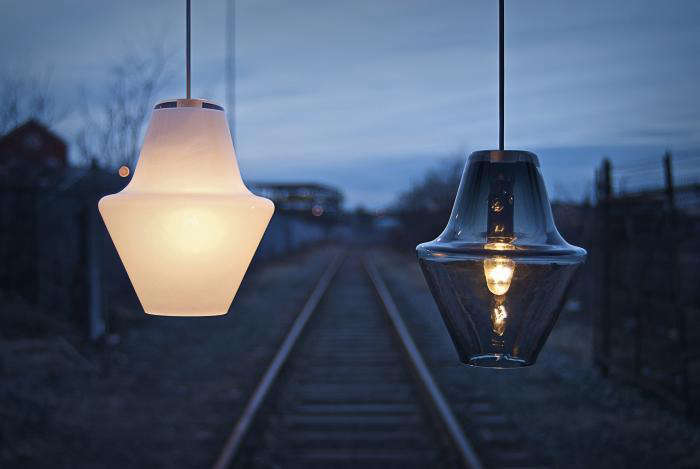
The Pillaret collection is where Studio Dunn gets a little more architectural. These pieces reinterpret the neo-classical Bouillotte lamp in a cleaner, more contemporary way. The candle-like geometry, curved hardwood base, and slender linen forms create a silhouette that feels ceremonial without becoming stiff. It is a lovely trick.
The Rise and Drop sconces are especially strong because they bring vertical rhythm to a wall. In hallways, bedrooms, or dining areas, they act almost like punctuation marks for the architecture. They do not just light a space; they give it posture.
Sorenthia: Organic Movement in Modern Form
The Sorenthia collection shows a more expressive side of the studio. These pendants and chandeliers use long, reaching arms and dramatic negative space to create pieces that feel airy, linear, and alive. There is an organic quality here, but it is handled with discipline. The forms suggest motion rather than imitating nature too literally, which is usually the better choice unless one wants the room to look like it is being attacked by decorative kelp.
Sorenthia works particularly well in dining spaces, stair halls, and open-plan interiors where a fixture needs to define space without visually clogging it up. It is statement lighting, yes, but intelligent statement lighting.
Tetra: Playfulness Arrives, Still Wearing Good Shoes
The newer Tetra line introduces a geometric, playful edge. Inspired by puzzle-like square forms, these fixtures use cube housings and layered planes to turn simple geometry into visual rhythm. Tetra is proof that Studio Dunn can be fun without becoming gimmicky. The collection still feels architectural, but there is a wink in it. A controlled wink. A New England wink, perhaps.
That matters because playful design can quickly become exhausting. Tetra keeps the energy but preserves the studio’s restraint, which makes the pieces flexible for real interiors rather than just magazine moments.
Why Studio Dunn Works So Well Right Now
Contemporary interiors are increasingly moving away from one-note minimalism and toward spaces that feel warmer, more layered, and more personal. Studio Dunn is well positioned for that shift. Its work offers clarity without coldness and craft without fuss. That combination is valuable.
The studio also benefits from staying connected to actual making. There is a growing appetite for products that feel responsibly sourced, locally grounded, and thoughtfully produced. Studio Dunn’s emphasis on Rhode Island assembly, customization, and close relationships with artisans and suppliers gives the brand credibility in this area. These pieces do not feel mass-generated by an invisible machine somewhere far from the designer’s intent.
Another reason the work resonates now is its versatility. Studio Dunn pieces can live in a renovated brownstone, a modern farmhouse, a pared-back city apartment, or a quiet coastal home. They are contemporary, but they do not require the entire house to join a design cult. They collaborate. They adapt. They elevate.
How to Use Studio Dunn Pieces in a Real Home
The easiest mistake with modern design is assuming every piece needs to match. Studio Dunn’s work is much better when it is allowed to converse with other materials and eras.
Pair Warm Woods with Calm Neutrals
Pieces from the Linden or Beacon lines look especially strong against off-whites, muted grays, mushroom tones, and soft clay colors. These palettes let the wood and linen breathe. A room does not need twelve accent colors and a personality crisis to feel interesting.
Use One Sculptural Fixture as the Room’s Thesis Statement
A Sorenthia chandelier or a Tetra fixture can become the organizing visual idea in a room. Once that is in place, the rest of the space can stay comparatively quiet. This creates balance and prevents the kind of design overcrowding that makes every surface look like it is campaigning for office.
Mix Old and New on Purpose
Studio Dunn’s best pieces shine when placed near vintage furniture, traditional architecture, or hand-thrown ceramics. The contrast helps reveal what makes the studio special: it is modern, but it does not reject history. It edits history. It refines it. It gives it better lighting, which, frankly, many old interiors desperately need.
The Experience of Living with New England Modern: A 500-Word Reflection
To understand Studio Dunn’s appeal, it helps to imagine the experience of actually living with this kind of design over time. Not for five minutes during a photo shoot. Not for an afternoon while guests politely admire your taste. Over time, in ordinary life, when the room is quiet and the objects have to keep earning their place.
Morning is where these pieces begin to make sense. A Linden lamp on a console or bedside table does not demand attention when the day starts. Instead, it participates in the room gently. The linen shade looks soft in daylight, the hardwood base catches subtle variations in color, and the brass detail adds just enough precision to make the whole object feel resolved. It is a nice reminder that good design is not always about spectacle. Sometimes it is about calm competence. The same kind you wish your Wi-Fi router had.
By afternoon, the forms become more architectural. A Pillaret sconce can read almost like a wall element rather than merely a light source. A Sorenthia fixture overhead starts to show how negative space matters just as much as solid form. That is one of the pleasures of Studio Dunn’s work: the objects do not flatten into one fixed identity. They shift depending on light, angle, and use. They reward attention, but they do not require constant validation.
Evening is when the emotional intelligence of the studio’s materials really shows. Linen softens the light in a way that feels welcoming rather than theatrical. Glass adds depth without glare. Wood grounds the composition. Brass catches just enough shimmer. In practical terms, that means the room feels better. Not just prettier. Better. More settled. More human. Less like a set designed for people who never spill tea or leave novels open face-down on the coffee table.
There is also a psychological pleasure in living with objects that clearly come from a point of view. Studio Dunn’s work does not feel anonymous. It carries evidence of decisions: what material should touch the hand, what line should curve instead of stop, how a fixture should glow, how a silhouette should stay crisp without becoming severe. That awareness creates attachment. The pieces become part of the atmosphere of the home, not just part of the inventory.
And then there is longevity, which is perhaps the most underrated luxury in design. Trend-driven pieces often provide a quick hit of visual excitement, then start to look tired as soon as the algorithm discovers a new obsession. Studio Dunn’s designs resist that cycle. Because they are rooted in proportion, craft, and material honesty, they continue to feel relevant. They age the way good leather, old libraries, and well-written sentences age: with more character, not less.
That is the real experience of New England modern through Studio Dunn. It is not loud. It is not disposable. It is not interested in winning a twelve-second social media beauty contest. It is interested in making rooms feel grounded, intelligent, and quietly alive. And honestly, in a design culture that can sometimes confuse novelty with value, that feels downright refreshing.
Final Thoughts
Studio Dunn’s new designs show what happens when a studio grows up without losing its original character. The early furniture established a vocabulary of craftsmanship, proportion, and material respect. The newer lighting collections have expanded that vocabulary into mood, geometry, and customization. Together, they create a compelling picture of what New England modern can be today: warm but disciplined, understated but memorable, contemporary but rooted in making.
For homeowners, designers, and anyone tired of fast-fading trends, Studio Dunn offers something more lasting. These are pieces designed to work hard, age well, and make a room feel better rather than merely busier. That may not be the loudest design strategy on the market, but it just might be the smartest one.