If you’ve ever stared into the mirror and thought, “Is this a pimple… or is my face launching a hostile takeover?”
you’re not alone. One of the most common ways MRSA (methicillin-resistant Staphylococcus aureus)
shows up is as a skin infectionand yes, it can happen on the face.
The tricky part: early MRSA on the face can look like everyday acne, an ingrown hair, or a “mystery bump”
you swear wasn’t there before lunch. The important part: some facial infections need prompt medical care,
especially near the nose and eyes, where complicationsthough uncommoncan be more serious.
This guide breaks down what facial MRSA can look like, what doctors usually do to treat it, what to avoid doing at home
(spoiler: no DIY “pop and pray”), and how to lower your chances of it coming back.
What is MRSA, and why does it matter on the face?
MRSA is a type of staph bacteria that has developed resistance to certain antibiotics (especially many “standard” beta-lactam
antibiotics). Staph bacteria are common in everyday lifemany people carry them on their skin or in their nose without any symptoms.
Problems start when bacteria get into a break in the skin (even a tiny one), leading to infection.
On the face, the “entry points” can be surprisingly normal: shaving nicks, picking at acne, eczema cracks, a scratched mosquito bite,
chapped skin, or irritation from masks or sports gear. Basically, if your skin barrier is having a rough week, bacteria may see an opening.
MRSA on the face: What it can look like
Facial MRSA often begins like a small bumpthen escalates. Many MRSA skin infections look like a bump or infected area that is:
red, swollen, painful, warm, and may be full of pus or draining. Some people also develop fever.
It’s not unusual for people to mistake it for a pimple, cystic acne, or even a “spider bite.”
Common facial MRSA patterns
-
Boil/abscess (furuncle): A firm, tender lump that may develop a pus-filled center. It can feel “deep,” throb,
and get more painful over 24–72 hours. - Cluster of bumps (carbuncle): Several connected boils that can look like a swollen patch with multiple drainage points.
- Folliculitis-like bumps: Small, irritated bumps around hair folliclessometimes after shaving or friction.
-
Crusted sores (impetigo/ecthyma-like): More common in kids, but adults can get it tooespecially if skin is broken
from scratching or dermatitis. -
Cellulitis (spreading redness): A hot, expanding area of redness and tenderness. This can be caused by MRSA or other bacteria,
and facial cellulitis deserves quick medical assessment.
“Is it just acne or could it be MRSA?” clues that push it toward “get checked”
- Fast growth (hours to a couple days) with increasing pain
- Pus, drainage, or a “soft spot” that feels like fluid under pressure
- Red streaks extending from the area (can suggest spreading infection)
- Fever, chills, or feeling generally sick
- Location near the eye or nose with swelling or tenderness
- History of MRSA (you or close contacts), recent skin infections, or recurrence in the same spot
Bottom line: you can’t reliably diagnose MRSA just by appearance. But you can recognize when a facial bump is acting “too intense to ignore.”
When facial MRSA is an urgent problem
Most MRSA skin infections are treatable, but facial infections are not the time for bravery auditions.
Seek urgent care (same day) or emergency evaluation if you have:
- Swelling around the eye, eyelid swelling, eye pain, trouble moving the eye, or vision changes
- Severe headache with facial infection, especially with fever
- Rapidly spreading redness or worsening pain
- High fever, confusion, dizziness, or signs you’re getting systemically ill
- Immunocompromising conditions (for example: chemotherapy, transplant meds, advanced uncontrolled diabetes) and a new facial infection
One rare but serious complication doctors watch for is spread of infection from certain facial areas toward deeper structures.
This is uncommon, but it’s why clinicians tend to be more cautious with infections near the nose and eyes.
How doctors diagnose MRSA on the face
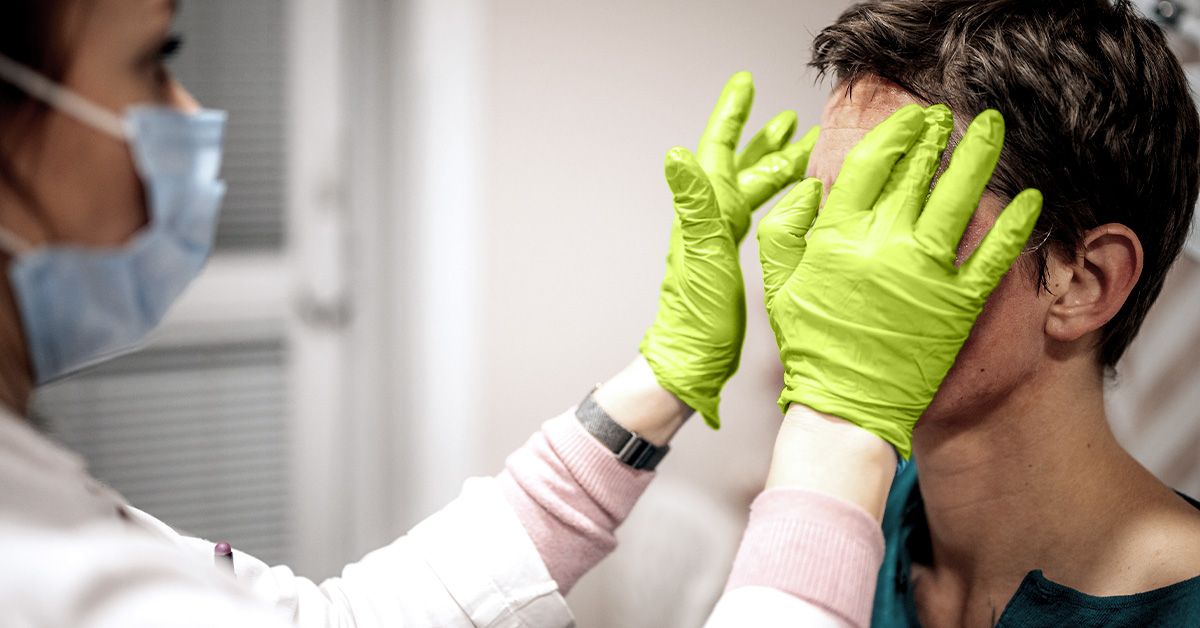
Clinicians usually start with a physical exam and questions about timing, pain, drainage, recent shaving/skin trauma, household outbreaks,
sports contact, or prior MRSA history. If there’s pus or drainage, they may take a culture to confirm the bacteria and check
which antibiotics will work best.
If the infection looks deep, is spreading quickly, or is near the eye, the clinician may consider additional evaluation (and sometimes imaging)
to rule out deeper involvement.
Treatment: What actually works (and what usually doesn’t)
1) Incision & drainage (I&D): often the “main event” for abscesses
For a true abscess (a pocket of pus), the most important treatment is often professional drainage.
That means a clinician numbs the area, drains the pus safely, and sometimes packs or dresses the wound.
It’s not glamorous, but it’s effectiveand it’s one reason many people feel relief quickly once it’s done.
Do not try to drain a suspected MRSA abscess at home, especially on the face. Besides spreading bacteria, you risk scarring,
worsening inflammation, and complicationsplus your bathroom lighting is not a sterile procedure suite (even if it’s giving “spa vibes”).
2) Antibiotics: sometimes needed, sometimes notand choice matters
Antibiotics may be recommended based on severity, location, systemic symptoms (like fever), rapid spread, multiple lesions, immune status,
and clinician judgment. When MRSA is suspected, clinicians choose antibiotics that commonly work against MRSA rather than “standard”
antibiotics that may not.
For outpatient skin infections where MRSA is a concern, commonly used oral options (depending on the situation) may include
trimethoprim-sulfamethoxazole, doxycycline, or clindamycin.
The “best” antibiotic depends on local resistance patterns, your medical history, allergies, pregnancy status, drug interactions,
and whether other bacteria (like streptococci) might also be involved.
Severe infections or infections with systemic illness may require hospital care and IV antibiotics.
Your clinician may also adjust treatment once culture results come back.
3) Wound care: the underrated hero
Whether or not antibiotics are used, good wound care matters:
- Keep the area clean and follow your clinician’s instructions
- Keep draining lesions covered with clean, dry bandages
- Wash hands after touching the area or changing bandages
- Avoid makeup over an active infection or draining area (it can trap bacteria and irritate skin)
4) Pain and swelling support at home (safe basics)
While waiting to be seenor as part of recoveryyour clinician may recommend supportive care like
warm compresses (to encourage natural drainage) and appropriate over-the-counter pain relief if you can take it.
Avoid harsh scrubs, alcohol-based “nuclear skincare,” or aggressive picking.
What not to do (even if TikTok swears it’s “life-changing”)
- Don’t pop, squeeze, or lance facial boils or “infected pimples” yourself.
- Don’t share towels, razors, makeup tools, washcloths, or pillowcases during an active infection.
- Don’t use leftover antibiotics or someone else’s prescription.
- Don’t stop antibiotics early if you were prescribed themunless your clinician tells you to.
- Don’t “cover it up” with heavy makeup if it’s open, draining, or crusting.
Also: it’s worth repeatinghands off the face. Dermatologists warn that popping lesions can drive inflammation deeper and increase the risk of infection and scarring.
If you needed a permission slip to stop picking, congratulations: this is it.
How MRSA spreads (and why your pillowcase may be an accomplice)
MRSA spreads through skin-to-skin contact and through contact with contaminated items and surfaces.
It can survive on objects like towels, razors, furniture, and athletic equipment for long enough to hitchhike to the next personor back to you.
Practical prevention steps that don’t require a hazmat suit
- Hand hygiene: wash hands regularly; use alcohol-based sanitizer when appropriate.
- Cover cuts and draining areas until healed.
- Don’t share personal items that touch skin (towels, razors, makeup brushes, facial rollers, etc.).
- Launder towels, bedding, and clothing that contact the infection.
- Clean high-touch surfaces and shared equipment (especially in gyms or contact sports settings).
If you’re dealing with repeated infections in a household, prevention works best when everyone follows the same playbookMRSA loves a “one person cleans, everyone else wing it” situation.
Recurrence and decolonization: What if it keeps coming back?
Some people get recurrent staph/MRSA skin infections. This can happen if you’re repeatedly exposed, if bacteria are lingering on the body,
or if there’s a cycle of reinfection among household members.
In certain situationsespecially recurrent infectionsclinicians may discuss decolonization strategies to reduce staph carriage,
commonly involving intranasal mupirocin and antiseptic body cleansing (often chlorhexidine), for a defined regimen.
This is not something to freestyle without guidance: overuse can contribute to resistance and skin irritation, and it should be tailored to your situation.
If you’ve had multiple infections, ask your clinician about:
- Whether cultures have confirmed MRSA
- Whether household members should be evaluated if they have symptoms
- Whether decolonization makes sense for you
- Whether there are contributing skin conditions (eczema, uncontrolled acne, hidradenitis) that need treatment to protect the skin barrier
Face-specific concerns: shaving, acne care, and skin barrier protection
If you shave
- Use a clean razor; consider single-use disposables during outbreaks.
- Avoid shaving over active lesions.
- Use gentle shaving products to reduce micro-cuts and irritation.
If you’re acne-prone
- Avoid picking. (Your future self and your pores will thank you.)
- Use non-comedogenic products and keep routines simple while healing.
- If lesions are painful, deep, or recurring, a dermatologist can help distinguish acne from infection and prevent scarring.
If your skin barrier is compromised
Conditions like eczema, dermatitis, and chronic irritation increase risk by creating small breaks in the skin.
Treating the underlying inflammation and keeping skin moisturized can reduce “open door” moments for bacteria.
Frequently asked questions
Can MRSA on the face go away on its own?
Minor skin infections sometimes improve with good care, but abscesses often need drainage, and facial infections can worsen quickly.
Because appearance can be misleading, it’s safest to get medical evaluationespecially if there’s significant pain, drainage, or spreading redness.
Is facial MRSA contagious?
It can be. Drainage from infected skin can contain bacteria, and MRSA can spread through contact with the lesion or contaminated items.
Covering the wound and practicing good hygiene reduces transmission risk.
Will it leave a scar?
It might, especially if the lesion is deep or manipulated (picked/squeezed). Early treatment and “hands off” behavior reduce scarring risk.
If scarring occurs, dermatologists can offer options once the infection has fully resolved.
Should I avoid work/school?
Many people can continue normal activities if the wound is properly covered and hygiene is strict, but policies vary.
If you have a draining lesion that can’t be fully covered, or you’re in close-contact activities, ask your clinician what’s appropriate.
Real-world experiences: what it can feel like (and what people learn the hard way)
Medical facts are helpful, but so is knowing what this experience can look like in real life. Below are common themes people report
when dealing with suspected or confirmed MRSA on the face. These are not medical instructionsjust the “human side” patterns that show up again and again.
Experience #1: “I thought it was a pimple… until it started winning the argument”
A very common story starts with a small bumpmaybe near the jawline or cheekthat looks like acne. At first it’s annoying, not alarming.
Then the pain ramps up. People describe a “hot pressure” feeling, tenderness when they talk or chew, and a lump that feels deeper than acne.
Some try to treat it like acne (drying spot treatments, harsh scrubs), which often just makes the surrounding skin angry.
The moment many people realize it’s different is when it starts to swell quickly, becomes intensely painful, or develops visible pus.
Plenty of folks admit they tried to pop it once (or five times) and then regretted it immediately. Aside from the pain, squeezing can push inflammation
deeper and make swelling worse. The best “I wish I’d known” lesson here: a facial lesion that hurts a lot and grows fast deserves a clinician, not a bathroom mirror pep talk.
Experience #2: “Getting it drained was gross… and also kind of magical”
People are understandably nervous about incision and drainage. But many report that once it’s doneunder numbing medicinethe pressure relief is dramatic.
They often say it finally feels like the body can “turn the volume down” on the pain. Another big takeaway: when clinicians send a culture,
it replaces guesswork with evidence. Instead of wondering if it’s acne, staph, or something else, you get a clearer answer and more targeted treatment.
Experience #3: “The emotional part surprised me”
A facial infection is visible. That can cause anxiety, embarrassment, or a strong urge to hide it under makeup (even when makeup is a bad idea for open lesions).
Some people worry they did something “dirty” or wrong. In reality, MRSA can affect people who are very hygieniccarriage and exposure are common,
and skin barrier breaks happen to everyone.
People also talk about stigma: they hear “MRSA” and immediately picture hospital outbreaks and worst-case scenarios. A calmer, more accurate perspective
is that many MRSA skin infections are treatableespecially when addressed early and managed properly. The goal is not to panic; it’s to act.
Experience #4: “It came back… until I fixed the ‘small stuff’”
Recurrence is one of the most frustrating parts. Some people get a second infection weeks or months later and feel like they’re in a bad sequel nobody asked for.
Often, the turning point is identifying repeat-exposure patterns:
- Reusing razors or not replacing them after an infection
- Sharing towels or washcloths (even “just once”)
- Not washing pillowcases frequently during outbreaks
- Not cleaning frequently touched items (phones, earbuds, chin straps, helmet padding)
- In sports settings: shared equipment and close contact without consistent hygiene routines
People who break the cycle often describe it as “boringly effective.” Not dramatic. Not trendy. Just consistent basics:
covering lesions, washing hands, not sharing personal items, laundering regularly, and following clinician guidance.
Experience #5: “Decolonization felt intense, but it gave me a plan”
For recurrent cases, some people are offered decolonization regimens supervised by a clinician. Many describe it as reassuring to have
a structured approach instead of feeling like they’re playing whack-a-mole with random bumps. Others note it can be drying or irritating,
which is why it’s important to use it only when appropriate and exactly as directed. The shared theme is that recurrence is a medical management problem,
not a personal failing.
If you take one experience-based lesson from all of this, let it be this: MRSA doesn’t respond to denial. But it often responds well to
timely care, evidence-based treatment, and consistent prevention habitsyes, even the unglamorous ones.
Conclusion
MRSA on the face can look like a pimple, an ingrown hair, or a painful red bump that suddenly gets serious. Because facial infections can worsen quickly
and may sit close to sensitive areas (especially the eyes and nose), it’s smart to get evaluated earlyparticularly if there’s pus, rapid spread, fever,
or significant pain. Treatment often centers on professional drainage when an abscess is present, plus antibiotics when indicated, and solid wound care.
With good hygiene and the right plansometimes including decolonization for recurrent casesmany people recover fully and reduce the odds of repeat infections.