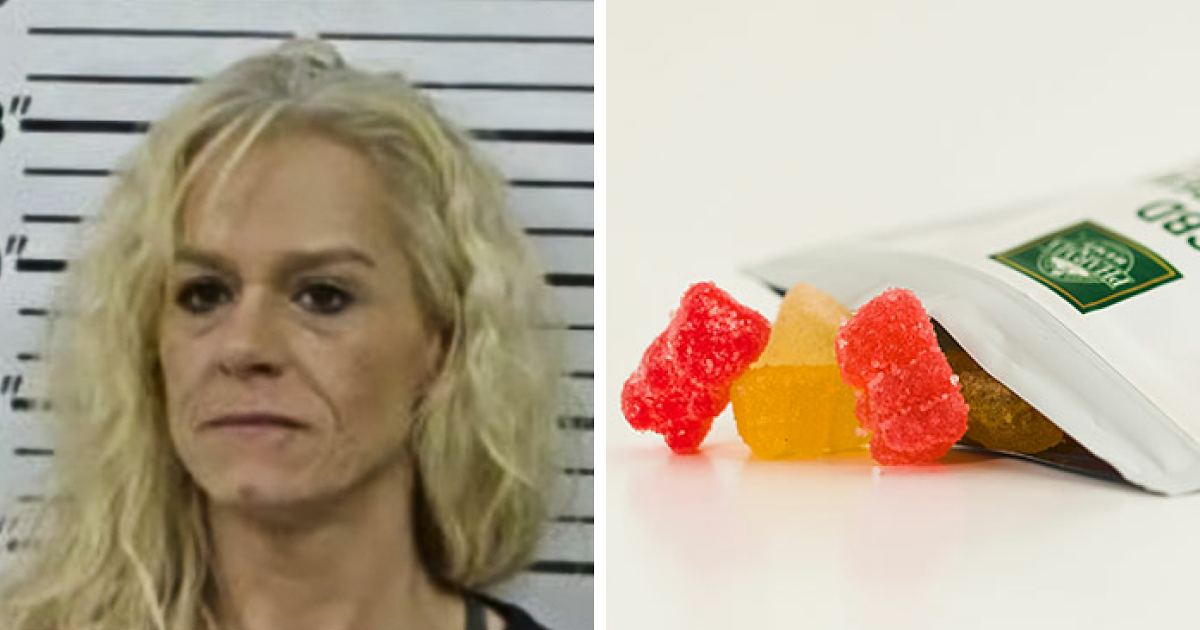
It started with the kind of emergency every parent hopes never happens: two small children, a panicked mother, a 911 call, and gummies that were definitely not the harmless fruit snacks kids usually beg for in the grocery aisle. The case quickly became more than a local police story. It turned into a national debate about parenting, cannabis edibles, child safety, criminal charges, addiction, and whether the law should punish a caregiver who called for help.
The story centers on a Tennessee mother, Candice Hickson, whose young children reportedly consumed her THC hemp gummies at home. According to public reporting, the children were ages 2 and 4, were found unresponsive, and were taken to Le Bonheur Children’s Hospital in Memphis, where they were treated and released within 48 hours. Hickson was later charged with child neglect and endangerment, and the children were placed in the custody of Tennessee’s Department of Children’s Services.
That is where the internet grabbed its popcorn, adjusted its moral compass, and immediately split into two loud groups. One side argued that Hickson did the right thing by calling 911 and should not be punished for seeking emergency help. The other side said the issue was not the callit was the fact that intoxicating gummies were accessible to toddlers in the first place. Both sides have a point. And, like most viral parenting controversies, the truth is messier than a toddler with a melted popsicle.
What Happened in the Tennessee Gummies Case?
According to reports, deputies responded to a home in Milan, Tennessee, after Hickson called 911 about a possible overdose involving her children. She allegedly told officers that the kids had gotten into her gummies while she was in the bathroom and that she did not know how many they had eaten. When first responders arrived, the children were reportedly unresponsive.
Authorities said the gummies contained hemp-derived THC compounds. In Tennessee, certain hemp products may be legal for adults, but they are not meant for children. That distinction matters. A product can be legal for adult purchase and still be extremely unsafe in the handsor tiny sticky fingersof a child.
Hickson was charged with child abuse, neglect, or endangerment, according to multiple reports. Her bond was listed at $25,000, and officials said the children were placed with state child services after Hickson failed a drug screen for methamphetamine. District Attorney General Frederick Agee said prosecutors would pursue the case while also balancing the need for addiction treatment and the goal of eventual family reunification in a safe environment.
Why the Internet Is Divided Over Her Arrest
Online reactions were intense because the case touches several emotional pressure points at once: children in danger, a parent making an emergency call, substance use, cannabis laws, and the fear that punishment could discourage people from calling 911 in future emergencies.
The “She Called for Help” Argument
Many people defending Hickson focused on one fact: she called 911. In their view, that action showed concern and urgency. They argued that parents make mistakes, and when a child’s health is at risk, the system should encourage immediate medical carenot make adults hesitate because they fear arrest.
This concern is not irrational. In emergencies involving substances, time matters. If caregivers worry that calling for help will automatically lead to criminal consequences, some may delay. That delay can be dangerous. A scared parent should not be sitting on the couch debating legal strategy while a child needs medical evaluation.
Supporters also pointed out that accidents happen fast. Anyone who has spent ten minutes with a toddler knows they can find a hidden object faster than a detective in a prestige crime drama. One moment they are coloring. The next moment they are standing on a chair, opening a drawer you swear was closed, holding something they should never have found.
The “This Was Preventable” Argument
On the other side, critics argued that calling 911 does not erase the responsibility to store dangerous or intoxicating substances safely. Their position was simple: if adults bring THC edibles, medications, alcohol, cleaning chemicals, or other hazardous items into a home with children, they must keep them locked away.
This view also has weight. Young children cannot read labels, understand dosage, or distinguish adult products from candy. Gummies are especially risky because they look like treats. To a toddler, a THC gummy does not look like a legal adult product. It looks like a chewy little treasure from the magical land of “I found this, so it is mine.”
Public-health experts have repeatedly warned that edible cannabis products can be attractive to children, especially when they resemble sweets, snacks, or colorful packaged foods. The problem is not only that kids may find them. It is that they may eat several before anyone notices.
Why THC Gummies Are So Risky Around Children
THC is the psychoactive compound in cannabis that can cause intoxication. In adults, edible THC can produce effects that are delayed, stronger than expected, and long-lasting. In small children, the risks are more serious because their bodies are smaller, their brains are still developing, and they may consume a large amount relative to their size.
Children who ingest cannabis edibles may experience drowsiness, confusion, vomiting, trouble walking, abnormal behavior, breathing problems, or, in serious cases, the need for hospital monitoring. Symptoms may not appear right away, which makes the situation even more stressful. A child may seem fine at first and then become increasingly sleepy or disoriented later.
That delayed effect is one reason edibles are different from many other household hazards. With a sharp object, the danger is obvious. With a THC gummy, the danger may look like candy until the child becomes ill. The packaging may say “keep out of reach of children,” but toddlers are not known for respecting fine print.
The Bigger Problem: Edibles That Look Like Candy
The Tennessee case is not happening in a vacuum. Across the United States, poison control centers, pediatricians, and public-health agencies have warned about rising accidental cannabis edible exposures among children. Some products are packaged in ways that resemble popular candies, cookies, cereals, or snack foods. Even adults can mistake them for ordinary treats if they are not paying close attention.
That packaging problem is a major reason regulators have raised alarms. When an intoxicating product looks like something a child already recognizes and wants, the risk climbs. A locked cabinet is not just a nice idea; it becomes the difference between a quiet afternoon and a medical emergency.
Parents and caregivers are already juggling enough hazards: button batteries, cleaning pods, prescription bottles, choking risks, hot stoves, staircases, mysterious floor crumbs, and whatever object the child found under the couch from 2019. Adding edible THC products to the home requires the same seriousness as storing medication or alcohol.
Was the Arrest Fair?
The fairness question is complicated because the public usually sees only part of the story. In this case, people reacted strongly to the idea of a mother being arrested after calling 911. But prosecutors and investigators considered more than the emergency call. Reports said the children were unresponsive, the gummies were accessible, and the mother failed a drug screen for methamphetamine. Those details shaped the legal response.
Still, the debate raises an important policy question: how should the justice system respond when a caregiver’s mistake causes harm but the caregiver seeks emergency help? A purely punishment-based approach may satisfy public anger, but it does not always solve the underlying problem. If substance use disorder is involved, treatment, supervision, parenting support, and child-safety planning may do more to prevent another emergency than jail alone.
At the same time, child safety cannot be treated like optional homework. When children are hospitalized because they accessed adult substances, authorities have a duty to investigate. The goal should be accountability without ignoring rehabilitation, and protection without turning every struggling parent into a headline villain.
What Parents Can Learn From This Case
The main lesson is not “never call 911.” The lesson is the opposite: if a child may have consumed THC, medication, or any dangerous substance, call for help immediately. Emergency responders and poison control professionals are there to protect life first. Waiting can make the situation worse.
The second lesson is that storage matters. Any intoxicating edible should be treated like prescription medication: locked, sealed, labeled, and kept out of sight. High shelves are not enough. Toddlers climb. Kids explore. Chairs become ladders. Laundry baskets become engineering tools. If a child can reach it, the storage plan has already failed.
The third lesson is to avoid using adult edible products in front of children. Young kids imitate what they see. If they watch an adult eat something that looks like candy, they may assume it is candy. Children do not understand “adult-only hemp product.” They understand “snack.”
Finally, every adult in the home needs to know the rules. It does not help if one caregiver locks items away while another leaves them in a bathroom drawer, purse, nightstand, backpack, or jacket pocket. Child safety has to be boringly consistent. Boring is good. Boring keeps kids out of emergency rooms.
Why This Story Became So Viral
The story spread because it sits at the intersection of parenting judgment and culture-war fuel. Cannabis legalization has changed the household landscape in many states, but social norms are still catching up. Some people see THC edibles as similar to alcohol: legal for adults, risky for kids, and requiring responsible storage. Others view them through a much harsher lens, especially when children are harmed.
The internet also loves a simple villain, but real life rarely provides one. Hickson was a mother who called for emergency help. She was also an adult accused of failing to keep dangerous products away from small children. The children survived and were released from the hospital, but the incident was still serious. The public debate became heated because each side emphasized a different truth.
One truth is compassion: parents can make mistakes, and asking for help should not be discouraged. The other truth is accountability: children depend on adults to create a safe environment. A mature response has to hold both ideas at once, even if the comment section would rather throw digital tomatoes.
Experiences and Lessons Related to Cases Like This
Stories like this feel shocking, but the pattern behind them is familiar to many families. A caregiver turns away for one minute. A child opens a drawer, climbs onto a counter, digs through a purse, or finds a container that was forgotten after a long day. The adult may think, “I only stepped away for a second.” Unfortunately, a second is prime toddler operating time.
In many homes, the most dangerous items are not stored in obviously dangerous places. They are in normal places: a bathroom cabinet, a bedside table, a kitchen drawer, a coat pocket, a car console, or a backpack dropped near the front door. Children do not search based on risk. They search based on curiosity. If something is colorful, sweet-smelling, crinkly, shiny, or forbidden, it immediately becomes the most interesting object in the universe.
Parents who have lived through close calls often describe the same emotional sequence: confusion, panic, guilt, and then a sudden burst of practical action. Maybe the child swallowed a vitamin. Maybe they drank a sip of mouthwash. Maybe they ate a pet medication, a nicotine product, or an edible meant for adults. The details vary, but the lesson stays the same: childproofing must be designed for the child you actually have, not the calm little angel you imagine during peaceful bedtime photos.
A useful experience many families share is the “visitor problem.” Parents may lock up their own medications or adult products, but a guest may arrive with a purse, suitcase, or jacket containing items that are not child-safe. Grandparents, babysitters, relatives, and friends may not think about this because they do not live with toddlers every day. A simple house rule can help: bags stay on a high hook, behind a closed door, or in a locked room. It may feel awkward to mention, but it is less awkward than calling emergency services.
Another common lesson is that original packaging matters. When adults move gummies, pills, or supplements into unmarked bags or casual containers, they remove warning labels and make mistakes more likely. A child cannot read warnings, but adults can. Clear labeling also helps emergency responders and poison control specialists understand what may have been consumed.
Families who recover from these incidents often create new routines afterward. They buy lockboxes. They move risky items out of bathrooms and kitchens. They add cabinet locks. They talk to older siblings about not sharing “treats” with younger children. They save poison control information in their phones. Most importantly, they stop assuming that being careful “most of the time” is enough.
The Tennessee case is painful because it involves real children, a real mother, and consequences that cannot be reduced to a meme. But it can still serve a purpose if it pushes families to take storage seriously. The best emergency is the one that never happens. The second-best emergency is the one where someone calls for help immediately. Everything after thatlegal decisions, custody decisions, treatment plans, and public debateshould keep the children’s safety at the center.
Conclusion
The case of the mom who called 911 after her kids ate her gummies is not just a viral story about one family. It is a warning about how quickly adult products can become child emergencies when storage fails. It is also a reminder that the justice system, public health officials, and families must think beyond outrage.
Yes, caregivers should call 911 when a child may be in danger. Yes, THC edibles and other intoxicating products should be locked away from children every single time. Yes, accountability matters. And yes, compassion matters too. The internet may remain divided, because that is what the internet does best after arguing about air fryers and celebrity divorces. But the practical takeaway is clear: if it can harm a child, lock it up before curiosity gets there first.
Note: This article is for informational and child-safety purposes only. It is not medical or legal advice. In any suspected poisoning or overdose involving a child, contact emergency services or poison control immediately.