A queen bed is already the Swiss Army knife of sleep: big enough for couples, practical enough for apartments, and popular enough that finding sheets is never a scavenger hunt.
Now add modularityinterchangeable parts, reconfigurable storage, adaptable headboardsand suddenly your bed stops being a static chunk of furniture and starts acting like a smart system.
That is the spirit of the Modu-licious Queen Bed: a design approach that blends comfort, storage, flexibility, and long-term value. Instead of buying one “perfect” bed and hoping your life never changes,
you build a queen setup that can evolve with your space, routines, and style. New apartment? Reconfigure it. Need more storage? Add modules. Want a cleaner look? Swap the headboard, keep the base.
This guide breaks down what makes a modular queen bed worth it, how to choose components that actually last, and what details most shoppers miss until the Allen key is already in hand and the instruction manual has gone full puzzle mode.
What Is a “Modu-licious” Queen Bed, Exactly?
“Modu-licious” is a practical philosophy disguised as a fun name. It means your queen bed is made of compatible parts that can be replaced, expanded, or rearranged without tossing the whole thing.
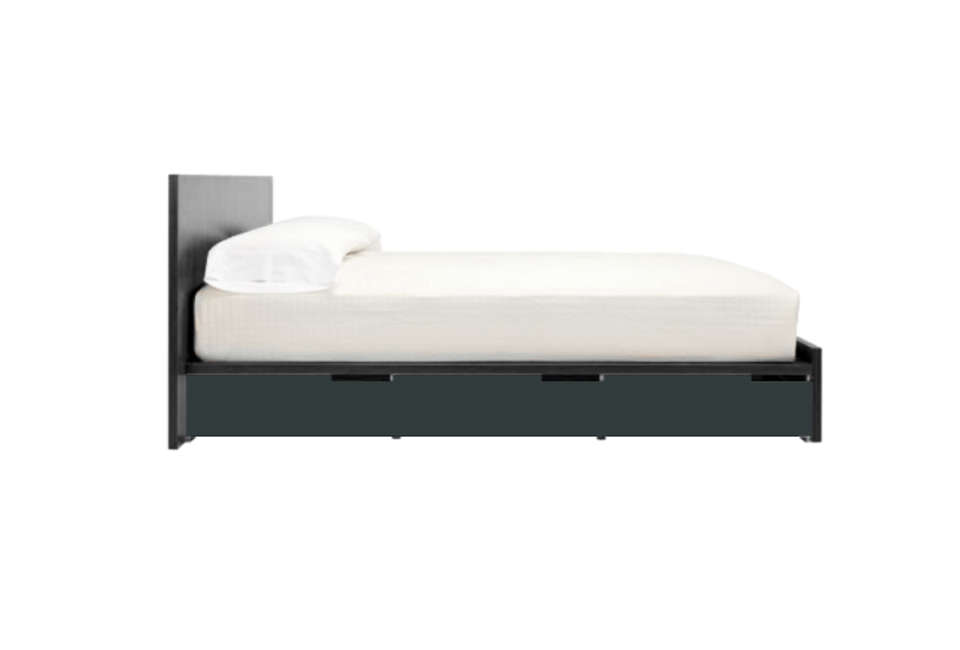
Think platform base + optional drawers + customizable headboard + upgradeable accessories.
In plain English: your bed grows up with your life. If you move from a studio to a two-bedroom, your bed can shift from “max storage mode” to “minimalist lounge mode.”
If your sleep setup changes (mattress type, height preference, mobility needs), you can adjust support and structure without starting from zero.
Core traits of a modular queen bed
- Interchangeable parts: side rails, slats, legs, and headboard panels that can be replaced independently.
- Flexible storage: drawers, lift-up ottoman compartments, or under-bed bins depending on room constraints.
- Tool-light assembly: less drama, fewer obscure hardware pieces, and easier disassembly for moving day.
- Future-proof design: aesthetics and function that can be refreshed with accessories, not full replacement.
The hidden win is financial: modular design can reduce waste and replacement costs over time. Instead of rebuying a complete frame every few years, you swap one part, adjust one feature, and keep sleeping well.
Why Queen Size Is the Goldilocks Choice
Queen size works because it balances sleep space and floor space. It is roomy without turning your bedroom into a furniture traffic jam.
For many households, it’s the sweet spot between comfort and practicality.
Queen bed dimensions and planning logic
Standard queen mattresses are generally 60 x 80 inches. That footprint supports solo sleepers who like room to sprawl and couples who want comfort without going full king.
In small-to-medium bedrooms, queen beds still leave enough circulation for nightstands, drawer clearance, and, ideally, one human to walk by without crab-walking sideways.
If your room is compact, this is where modularity becomes your secret weapon: integrated drawers, floating shelves, and wall-mounted lighting can recover floor space while keeping daily essentials reachable.
Who benefits most from a modular queen setup?
- Apartment dwellers: limited square footage + changing lease situations = modular advantage.
- Young families: needs evolve quickly; beds should adapt without constant repurchasing.
- Design-conscious minimalists: clean lines plus hidden storage equals visual calm.
- Frequent movers: easier disassembly and part replacement means fewer moving-day casualties.
The Anatomy of a Great Modu-licious Queen Bed
1) The platform base: stability before style
A good modular queen bed starts with the base. Platform systems are popular because they can support many modern mattress types without a separate box spring.
But support quality depends on build details: sturdy rails, center support on larger sizes, and reliable slat design.
Translation: if the base is weak, every stylish add-on is lipstick on a squeaky pig.
2) Slats and support: the unsexy detail that matters most
Slat spacing and material quality influence mattress performance and longevity. Some mattress brands call for tighter spacing than others, so always check warranty and compatibility notes.
If your setup feels bouncy in the wrong way, dips over time, or sounds like a haunted floorboard orchestra, support geometry is usually the first suspect.
3) Storage modules: drawers vs. lift-up systems
Storage beds are not one-size-fits-all. Drawer systems are great for frequent access (linens, seasonal wear, gym gear). Lift-up ottoman systems maximize volume but can be less convenient for daily grab-and-go.
- Choose drawers if you need fast, frequent access and clear compartmenting.
- Choose lift-up storage if you want maximum hidden space and lower visual clutter.
In tight rooms, side-clearance and drawer swing paths matter. A beautiful storage bed is less useful if the drawer opens exactly three inches before colliding with your nightstand.
4) Headboard modules: comfort, function, identity
Modular headboards do more than look pretty. Upholstered panels can improve bedtime comfort for readers. Shelf-style headboards can replace tiny nightstands.
Plug-in or charging add-ons can reduce cable clutter if thoughtfully integrated. Keep function first, then layer style.
5) Materials and indoor air quality
Composite wood can be a practical material choice, but quality standards matter. Look for compliance labels and transparent material disclosures.
For many buyers, this is the difference between “great value” and “what is that smell and why is it still here in week three?”
Sleep Performance: Your Bed Is Furniture, But Also a Health Device
The bed frame rarely gets credit in sleep conversations, but it should. A supportive, stable base helps your mattress perform as intended, and your mattress is central to nightly recovery.
Adults are generally advised to get at least seven hours of sleep, and your physical environment can either support or sabotage that goal.
A cluttered, noisy, overheated bedroom can chip away at sleep qualityeven with a premium mattress.
How a modular queen bed can improve nightly comfort
- Reduced visual clutter: integrated storage lowers “stuff stress” before bed.
- Better bedtime ergonomics: headboard and side-access choices improve read/wind-down routines.
- Custom support: adaptable base + correct mattress pairing helps alignment and pressure relief.
- Room optimization: better layout flow means less frustration in everyday use.
In short: modularity is not just a design trend. It can be a behavior-friendly system that makes good sleep routines easier to maintain.
Safety and Reliability: The Part Most Shopping Guides Skip
A queen bed should be a comfort zone, not a structural experiment. Over the past few years, U.S. recalls involving some upholstered platform beds have highlighted the importance of load-bearing design, slat integrity, and hardware durability.
You do not need to panic-shop, but you should absolutely safety-shop:
- Check brand recall history before buying.
- Register your product so recall notifications reach you.
- Re-tighten bolts after the first month of use and after any move.
- Follow weight and use instructions rather than “it seems fine” logic.
Also review return windows and warranty terms before checkout. A “lifetime warranty” sounds heroic until you discover exclusions written in tiny print and poetry-level ambiguity.
How to Choose the Right Modu-licious Queen Bed
Step 1: Start with your room, not your mood board
Measure wall-to-wall dimensions, door swing, and walking paths. Then map drawer clearance and nightstand access. Good design starts with movement, not just aesthetics.
Step 2: Define your storage behavior
Ask what you store weekly vs. seasonally. If you access items daily, drawers are practical. If storage is mostly seasonal, lift-up platforms may win.
Step 3: Confirm mattress compatibility
Match base type to mattress requirements, especially around support specs and airflow. This protects comfort and helps avoid warranty headaches later.
Step 4: Audit materials and build details
Look for sturdy center support, reliable joinery, quality fasteners, and credible wood-product compliance labeling when composite materials are used.
Step 5: Make disassembly a buying criterion
If you move often, choose tool-light designs with replaceable hardware and clearly labeled parts. Your future self will write you a thank-you note.
Styling the Modu-licious Queen Bed Without Losing Function
The best modular setups feel intentional, not over-engineered. Use design choices that protect utility:
- Keep the base visually quiet: clean lines make storage features disappear into the room.
- Use layered textiles strategically: one quilt, one throw, two sleeping pillows, two decorative max. No linen mountain ranges.
- Go vertical with lighting: sconces or pendants free nightstand real estate.
- Create “micro-zones”: sleep zone, charge zone, stash zone. Everything has a home.
The vibe goal is simple: boutique-hotel calm with real-life practicality. Beautiful rooms are nice; beautiful rooms that survive Monday mornings are better.
Conclusion: Why Modu-licious Wins the Long Game
The Modu-licious Queen Bed is not about gimmicksit is about resilience. You get a queen-size sleep foundation that fits most bedrooms,
modular features that adapt as life changes, storage that reduces clutter, and design flexibility that keeps your space feeling fresh.
If you choose with intentionsolid support, smart storage, compatible materials, and safety awarenessyou are not just buying a bed frame.
You are building a sleep system that can evolve for years. And in a world where most things are disposable, that is a very good night’s sleep.
Experience Stories: Living with a Modu-licious Queen Bed ()
I first switched to a modular queen bed after a move into a city apartment that had exactly one closet and approximately zero patience for clutter.
My old setup looked nice in photos, but in real life it was a black hole for dust bunnies and misplaced phone chargers.
The modular queen changed that on day one: two drawers for linens, one for workout gear, one “mystery drawer” that somehow became the official home for winter socks and random cables.
The biggest surprise wasn’t storageit was how much calmer the room felt. I wasn’t stepping around baskets or stacking books on the floor anymore.
The space looked intentional, and that made bedtime feel less like a task and more like a ritual.
A friend of mine had a different journey. She and her partner bought a queen platform with an upholstered modular headboard after years of balancing pillows against a blank wall while reading.
Romantic? Not exactly. Neck-friendly? Also no. They added headboard panels with a slight angle and built-in shelf attachments for glasses and a water bottle.
Within a week, they were spending more time reading and less time arguing about whose side had the charging cable.
They also swapped the legs to raise the frame height by a couple inches, which made under-bed bin access easier and stopped the nightly “toe vs. frame” conflict that had become their household tradition.
Then there’s my cousin, the “I move every year” champion. His old metal frame squeaked every time he breathed in the general direction of the mattress.
He replaced it with a tool-light modular queen system that broke down into labeled segments. During his next move, he disassembled it in under 30 minutes,
packed the parts flat, and reassembled it before ordering dinner. No stripped screws. No mystery bolts left over. No existential crisis in the stairwell.
He later added side storage modules when he started working from home and needed closet space for office equipment. That’s the core beauty of modular furniture:
it grows with your life instead of forcing you to reset every time your life changes.
Across these experiences, one pattern keeps showing up: better sleep starts long before your head hits the pillow. It starts with friction-free routines.
Where do the extra blankets go? Where do you put your book? Can you reach water without acrobatics? Can you vacuum under the frame without inventing new yoga poses?
Modular queen beds solve these boring questions brilliantly, and boring is underrated when it works.
You stop fighting your furniture and start using it effortlessly.
If I had one piece of practical advice after years of trial and error, it would be this: buy your bed like you buy good luggage.
You want structure, flexibility, and durabilitynot just a pretty exterior. A modu-licious queen bed does exactly that.
It gives you reliable sleep support, useful storage, easier moves, and a room that feels less chaotic on the nights when your calendar is.
That combination is hard to beat, and honestly, it might be the most grown-up purchase you ever make with an Allen key.