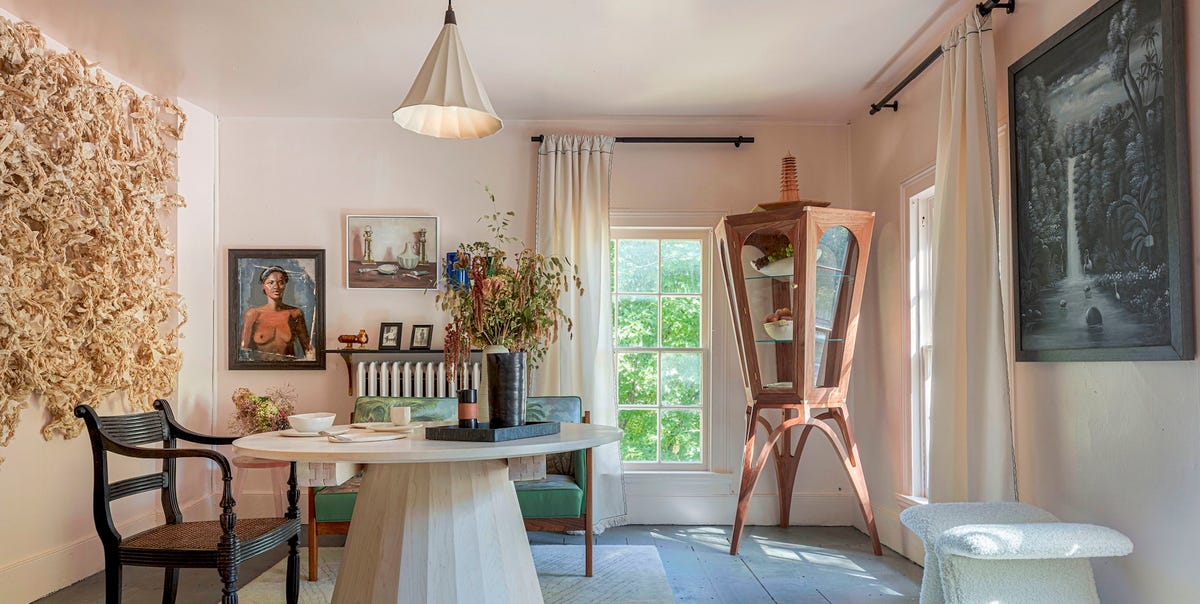
Modern Heritage is the design style 2026 was practically begging for. After years of ultra-minimal rooms, gray-on-gray palettes, and furniture that looked like it had never met a human snack crumb, homeowners are craving something warmer, richer, and more personal. The new dream room does not look like a showroom. It looks collected, comfortable, layered, and quietly impressivelike it knows a few family secrets but has the good manners not to share them at dinner.
At its heart, Modern Heritage interior design blends the best of the past with the ease of the present. Think antique silhouettes beside clean-lined sofas, warm wood tones with sculptural lighting, patterned textiles against simple walls, and vintage pieces styled in a way that feels fresh rather than fussy. It is not your grandmother’s formal parlor, although her carved side table might absolutely make the cut. It is also not cold contemporary design with one lonely vase doing all the emotional labor. Modern Heritage is the stylish middle ground: rooted, soulful, functional, and very ready for real life.
What Is Modern Heritage Design?
Modern Heritage is a decorating style that combines traditional architecture, vintage-inspired details, heirloom-quality materials, and contemporary comfort. It celebrates craftsmanship, history, and character while keeping rooms practical, breathable, and current. Instead of copying one historical period, it borrows intelligently: a fluted cabinet here, a brass picture light there, a Persian-style rug under a modern sectional, or a dramatic chandelier above a simple dining table.
The result is a home that feels like it evolved over time, even if you assembled it over three weekends, two online orders, and one heroic trip to an antique mall. Modern Heritage interiors are layered but not cluttered, elegant but not stiff, nostalgic but not stuck. The style works because it gives people something many homes have been missing: emotional texture.
Why Modern Heritage Is Taking Over in 2026
The rise of Modern Heritage design is not random. It reflects a bigger shift in how people want to live. Homeowners are moving away from disposable furniture, overly polished interiors, and rooms that look good in photos but feel awkward in everyday use. In 2026, comfort, authenticity, longevity, and personal storytelling are leading the conversation.
Several current design movements feed directly into Modern Heritage. Warm wood is back. Patterned upholstery is back. Statement lighting is back. Vintage glassware, collected ceramics, curved dining tables, dramatic paint colors, and architectural details are all having their moment. Even buyers are showing more interest in homes with original millwork, hardwood floors, arched openings, built-ins, fireplaces, and other character-rich features. Translation: personality is no longer a design risk. It is the selling point.
The Key Elements of Modern Heritage Style
1. Warm Wood and Natural Materials
Modern Heritage begins with materials that feel honest. Oak, walnut, maple, stone, linen, wool, marble, brass, ceramic, rattan, and leather all fit beautifully into the style. These materials age well, which is part of their charm. A tiny scratch on a real wood table says, “People live here.” A tiny scratch on a plastic laminate table says, “Someone is about to be blamed.”
Warm-toned woods are especially important. They soften modern architecture and add depth to clean rooms. A walnut console, oak dining chairs, a burl wood side table, or reclaimed beams can instantly give a space a sense of permanence. The trick is not to match every wood tone perfectly. In fact, mixing wood finishes often makes a room feel more collected and less like a furniture showroom with commitment issues.
2. Vintage and Antique Pieces
No Modern Heritage room is complete without at least one piece that looks like it has lived a little. That might be an antique mirror, a vintage cabinet, a thrifted ceramic lamp, a carved bench, a weathered trunk, or a set of old dining chairs reupholstered in fresh fabric. These pieces add irregularity, and irregularity is what keeps a room interesting.
The goal is not to fill your home with antiques from floor to ceiling. Unless you are decorating a museum or secretly planning to haunt the place, restraint helps. One or two vintage pieces per room can create enough character without making the space feel heavy. A sleek sofa looks more grounded beside an antique side table. A modern kitchen feels warmer with vintage art or aged brass hardware. A new bathroom gains charm from a traditional mirror or marble-topped vanity.
3. Architectural Details That Feel Permanent
Modern Heritage design loves architectural detail: crown molding, paneling, picture rails, ceiling beams, built-in bookcases, wainscoting, arched doorways, classic fireplace surrounds, and substantial baseboards. These elements give rooms structure and make even newer homes feel more established.
If your home does not already have these details, you can add them thoughtfully. Simple wall molding can make a plain dining room feel tailored. A picture rail can turn a hallway into a gallery. Built-in shelves can transform a living room into a library-like retreat. Even upgrading flat interior doors to paneled doors can change the mood of an entire home.
4. Pattern With a Point of View
Modern Heritage is friendly to pattern, but it prefers pattern with personality. Florals, stripes, plaids, botanical prints, damasks, block prints, ticking stripes, and small-scale geometrics all work well. The key is balance. If you use a bold wallpaper, pair it with simpler furniture. If you choose patterned upholstery, let the walls breathe. If you mix several prints, repeat at least one color so the room feels intentional instead of visually caffeinated.
Tulip motifs, garden-inspired prints, and traditional botanical patterns are especially suited to this style because they connect old-world charm with a fresh, nature-inspired mood. A floral pillow on a clean-lined sofa can do more for a room than another beige cushion named “Sand Whisper.”
5. Rich, Earthy, and Moody Colors
The Modern Heritage color palette is warm, layered, and confident. Cream, camel, tobacco, olive, oxblood, burgundy, chocolate brown, moss green, deep blue, plaster pink, ochre, and warm white all belong here. These shades feel timeless without being boring. They also pair beautifully with wood, brass, stone, and vintage textiles.
For a subtle approach, use warm neutrals on the walls and bring in heritage colors through rugs, pillows, art, and lampshades. For a bolder look, try a deep burgundy powder room, a moody green study, or a blue dining room with brass sconces. Dark colors are no longer reserved for dramatic people and mysterious libraries. Used well, they can make a room feel intimate, elegant, and surprisingly livable.
6. Statement Lighting
Lighting is one of the easiest ways to make Modern Heritage feel current. A vintage-inspired chandelier, pleated lampshade, brass sconce, ceramic table lamp, or sculptural pendant can become the bridge between old and new. In 2026, lighting is not just a utility. It is jewelry for the room.
Try a large lantern over a dining table, picture lights above art, shaded sconces in a hallway, or a Murano-style glass fixture in a modern living room. The best lighting choices add atmosphere even when they are turned off. That is the difference between “we installed a light” and “this room has a mood.”
How to Get the Modern Heritage Look Room by Room
Living Room
Start with a comfortable sofa in a timeless shape. Add a vintage coffee table, a patterned rug, warm wood side tables, and at least one lamp with character. Layer art instead of relying on one oversized generic print. If the room has a fireplace, treat it as the anchor. If it does not, create a focal point with built-ins, a gallery wall, or a beautiful cabinet.
The best Modern Heritage living rooms feel welcoming rather than staged. Include books, trays, ceramics, textiles, and objects that reflect actual interests. A room should not look like it was decorated by a hotel lobby committee.
Kitchen
In the kitchen, Modern Heritage means classic details with modern performance. Shaker cabinets, unlacquered brass hardware, stone countertops, bridge faucets, warm wood islands, open shelves, and vintage-style pendants all work well. The appliances can be completely modern; the atmosphere should feel grounded.
To avoid making the kitchen look too old-fashioned, keep the layout clean and functional. Pair traditional cabinet fronts with simple slab stone. Use modern lighting with aged finishes. Add a vintage runner, framed art, or collected pottery to soften the practical surfaces.
Dining Room
The dining room is where Modern Heritage can really stretch its legs. A round or oval table encourages conversation and brings softness to the space. Upholstered chairs, a patterned rug, a statement chandelier, and a sideboard with vintage charm can make the room feel special without turning dinner into a ceremony requiring posture training.
If you rarely host formal dinners, make the dining room flexible. Add bookshelves, a writing desk, or storage for board games and serving pieces. Modern Heritage is not about preserving unused rooms like decorative fossils. It is about making tradition useful again.
Bedroom
A Modern Heritage bedroom should feel calm, layered, and personal. Try a wood or upholstered bed, vintage nightstands, linen bedding, a wool rug, and soft lighting. Mix old and new art. Add a bench, trunk, or small writing table if space allows. Colors can be quietcream, taupe, dusty blue, sageor more cocooning, such as deep green or warm brown.
The secret is texture. Linen, velvet, cotton, wood, ceramic, and aged metal create depth without visual clutter. Your bedroom should feel like a retreat, not a storage unit with pillows.
Bathroom
Modern Heritage bathrooms combine classic materials with updated convenience. Marble, checkerboard floors, polished nickel, brass, reeded glass, framed mirrors, and traditional sconces all work beautifully. Even a small powder room can carry a bold wallpaper or deep paint color because tiny rooms can handle drama. They are basically the theater kids of the floor plan.
For a modern touch, keep plumbing fixtures efficient and the storage practical. The heritage feeling can come from the mirror, lighting, tile pattern, or vanity style rather than from sacrificing comfort.
Modern Heritage vs. Grandmillennial vs. Transitional Design
Modern Heritage overlaps with several popular styles, but it has its own identity. Grandmillennial design is often more playful, pattern-heavy, and nostalgic, with a love for florals, skirted furniture, needlepoint, and vintage charm. Transitional design blends traditional and contemporary elements, but it can sometimes feel safer and more neutral. Modern Heritage is richer, more architectural, and more focused on longevity.
Another way to think about it: transitional design says, “I like balance.” Grandmillennial says, “I found chintz and I am not afraid to use it.” Modern Heritage says, “This room has history, comfort, and excellent lighting.”
Common Mistakes to Avoid
Making Everything Look Old
The biggest mistake is turning Modern Heritage into a time capsule. If every piece looks antique, the room can feel dated rather than layered. Balance ornate items with clean shapes. Pair a carved mirror with a simple console. Place antique chairs around a streamlined table. Use modern art above a traditional fireplace.
Ignoring Function
A beautiful room that does not support daily life is just an expensive inconvenience. Choose durable fabrics, practical storage, comfortable seating, and lighting that actually illuminates. Heritage style should not require anyone to perch nervously on a chair that looks like it once judged Victorian manners.
Buying Everything New but “Vintage-Inspired”
Reproduction pieces can be useful, but too many can make a room feel artificial. Mix in real vintage finds, family pieces, local antiques, handmade objects, or secondhand treasures. Authenticity does not require a giant budget. It requires patience and a willingness to look beyond the algorithm’s first suggestion.
How to Start Small
You do not need a full renovation to try Modern Heritage. Start with one room or even one corner. Swap a basic lamp for a ceramic or brass one with a pleated shade. Add a vintage mirror above a console. Replace plain pillows with patterned textiles. Hang framed art instead of mass-produced canvas prints. Bring in a wooden chair, an antique tray, or a small rug with traditional colors.
Paint is another powerful tool. A warm neutral can soften a stark room, while a deep shade can create instant intimacy. Hardware also matters. Replacing shiny builder-grade knobs with aged brass, bronze, or polished nickel can make cabinets feel more considered.
Why Modern Heritage Has Staying Power
Trends come and go, but Modern Heritage has staying power because it is built on principles rather than gimmicks. It values quality, comfort, memory, craft, and usefulness. It does not demand perfection. In fact, it looks better when a room feels slightly collected and lived-in.
This style also works across different types of homes. A city apartment can use Modern Heritage through art, rugs, lighting, and vintage furniture. A suburban new build can gain soul from millwork, warm woods, and layered textiles. A historic home can feel fresher by mixing original details with modern silhouettes. The style is flexible because it is less about copying a look and more about creating a feeling.
Experience Notes: Living With Modern Heritage in Real Homes
The easiest way to understand Modern Heritage is to imagine walking into a home that immediately feels settled. Not old. Not trendy. Settled. The sofa invites you to sit down. The side table looks like it has held coffee cups, birthday cards, and maybe one emergency screwdriver. The rug has pattern, so real life does not terrify it. The lamps cast warm light instead of making everyone look like they are being interviewed by airport security.
One of the best experiences with this style is how forgiving it becomes over time. In a hyper-minimal room, one misplaced backpack can ruin the entire visual concept. In a Modern Heritage room, a stack of books, a throw blanket, or a slightly imperfect vintage bowl simply adds to the story. This makes the style especially practical for families, pet owners, hosts, and anyone who has ever entered a room carrying laundry and snacks at the same time.
Another rewarding experience is the hunt. Modern Heritage encourages people to collect slowly instead of buying a complete matching set in one afternoon. You might find a brass lamp at a flea market, a framed landscape at an estate sale, or a pair of old chairs that need new fabric but have excellent bones. These finds create attachment. You remember where they came from. You remember the negotiation. You remember convincing yourself that, yes, the lamp would fit in the car if everyone simply breathed less for twenty minutes.
Modern Heritage also changes how people think about family pieces. That old cabinet from a relative might not fit your previous design plan, but with the right hardware, fresh styling, or a better location, it can become the most interesting piece in the room. A quilt can be folded at the end of a bed. Vintage glassware can be displayed on open shelving. Old photographs can be reframed in a clean gallery arrangement. The point is not to keep everything. The point is to keep what has meaning and give it enough space to shine.
In real decorating projects, the most successful Modern Heritage rooms usually have one thing in common: contrast. The antique table needs the modern lamp. The traditional rug needs the clean-lined sofa. The moody wall color needs crisp trim. The floral pillow needs a quiet chair. Without contrast, the room can feel too themed. With contrast, it feels alive.
That is why Modern Heritage feels so right for 2026. It gives homeowners permission to be stylish without being sterile, sentimental without being dusty, and practical without being plain. It is design for people who want beauty, but also have groceries, guests, pets, hobbies, and charging cables. In other words, it is design for actual humans. What a concept.
Conclusion
Modern Heritage is the hottest new design style of 2026 because it answers what homeowners want now: warmth, character, comfort, quality, and a sense of personal history. It blends traditional details with modern living, turning rooms into layered spaces that feel collected rather than copied. With warm wood, vintage finds, rich colors, statement lighting, natural materials, and meaningful objects, this style creates homes that are elegant but approachable.
The best part is that Modern Heritage does not require a mansion, a family estate, or a secret antique dealer named Charles. It can begin with one better lamp, one old mirror, one patterned rug, or one wall painted in a color with actual personality. Start small, mix thoughtfully, and let your home look like it has a story worth staying for.
Note: This article is written for web publication and synthesizes current U.S. design trend reporting, professional decorator insights, and real-world home styling principles without inserting external source links into the body copy.