Note: This article is written for web publishing and is based on real reporting about Thumbelina the squirrel, along with wildlife-care guidance from reputable animal welfare and wildlife rehabilitation organizations. It is not intended to encourage keeping wild animals as pets.
Imagine coming home after an ordinary day, ready to drop your keys, kick off your shoes, and collapse dramatically onto your bed like a tired sitcom character. Now imagine finding that your bed has been converted into a nursery by a mother squirrel who apparently skipped the “ask permission first” chapter of the roommate handbook.
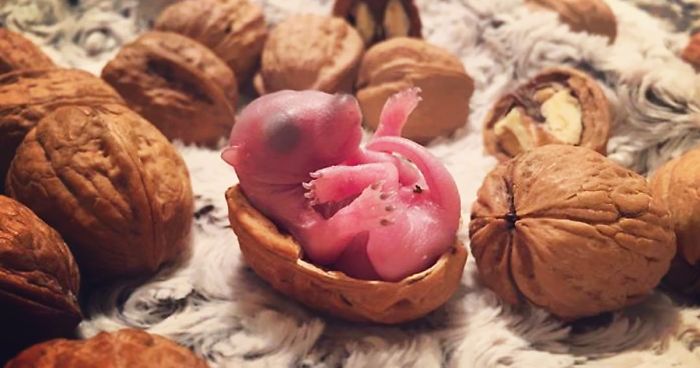
That is the delightfully bizarre beginning of the story behind Thumbelina, an Eastern gray squirrel whose life started in one of the strangest places possible: a man’s bed. A mother squirrel had built a nest there using twigs, pine needles, branches, and the kind of confidence usually reserved for interior designers on renovation shows. Inside the makeshift nest were two newborn baby squirrels, tiny, fragile, and completely dependent on help.
What followed was more than a cute animal story. It became a tale about compassion, wildlife rescue, unexpected responsibility, and one very unusual squirrel who grew up with a personality big enough to fill a living room. Thumbelina did not become a “normal” squirrel in the wild sense. She became something far rarer: a non-releasable rescue squirrel whose daily life made thousands of people smile.
The Day a Bedroom Became a Squirrel Nursery
The discovery was so odd it almost sounded invented. A man returned home and found that a mother squirrel had chosen his bed as the safest place to build a nest for her two newborns. Squirrels usually prefer tree cavities, leafy dreys, attics, or sheltered outdoor spaces. A bed is not exactly listed in the official squirrel real estate catalog, but desperate animal mothers sometimes make surprising choices when nests are disturbed.
In Thumbelina’s case, wildlife rehabilitators Christina and Michael were contacted. Their first goal was not to turn the baby squirrels into internet stars or house pets. Like responsible wildlife rescuers, they tried to reunite the babies with their mother. That matters because, in most cases, a baby squirrel’s best chance is still with its own mother.
The mother squirrel did return briefly, but she seemed more focused on gathering nesting materials than retrieving the babies. Eventually, she stopped coming back. One of the two newborn squirrels sadly did not survive. The remaining baby, later named Thumbelina, was assessed by wildlife professionals, and her future looked uncertain.
That is when Christina and Michael stepped in more deeply. They cared for the tiny squirrel, not as a novelty item, but as an animal with special needs. Thumbelina was not simply cute; she was vulnerable, unusual, and, as it turned out, very much her own little person in squirrel form.
Meet Thumbelina: The Squirrel Who Missed the Squirrel Memo
Most young squirrels grow into energetic climbers with a full schedule of leaping, racing, chewing, hiding food, and judging humans from tree branches. Thumbelina, however, developed on her own timeline. She was slow to mature, slow to leave the bottle, and not especially interested in typical squirrel behavior.
She did not show much enthusiasm for jumping and climbing. Instead of launching herself around like a furry parkour athlete, she preferred walking, sitting, relaxing, and generally behaving like a tiny retiree who had already paid off the mortgage. Even when rescuers tried to introduce her to other squirrels, Thumbelina showed little interest. One of her caregivers famously joked that she did not seem to know she was a squirrel.
That unusual behavior became part of her charm, but it also made her situation serious. Wildlife rehabilitators generally aim to release animals back into the wild whenever possible. A squirrel that does not climb well, does not behave like other squirrels, dislikes the outdoors, and lacks survival instincts may not be safe outside. The wild is beautiful, but it is not gentle. Trees do not come with railings, predators do not take coffee breaks, and winter does not care how many Instagram fans you have.
Why Some Rescued Squirrels Cannot Return to the Wild
The phrase “adorable pet squirrel” may sound cute, but the reality is more complicated. In the United States, wild animals are regulated by state and federal rules, and keeping wildlife as pets is often illegal without proper permits. Wildlife professionals repeatedly warn that injured or orphaned animals should be handled by trained rehabilitators, not well-meaning amateurs with a shoebox and a dream.
There are good reasons for that. Young squirrels need species-specific care, proper nutrition, warmth, hydration assessment, socialization, and eventual release preparation. If a baby squirrel becomes too dependent on people, it may lose the instincts needed to survive outdoors. In some cases, illness, injury, neurological differences, abnormal behavior, or poor climbing ability can make release unsafe.
Thumbelina’s case was unusual because her rescuers were not random strangers trying to raise a wild animal for fun. Christina and Michael were experienced wildlife rehabilitators. Their decision to keep caring for her came after it became clear that she was not developing like a typical release candidate.
The Internet Falls in Love With a Round, Opinionated Squirrel
Once Thumbelina’s personality began to shine, it was easy to understand why people adored her. She became known for her soft, round appearance, her slow and deliberate movements, and her very specific likes and dislikes. She reportedly enjoyed foods like sugar snap peas, arugula, and avocado. She also disliked cold weather, the outdoors, other squirrels, and the vacuum cleanerwhich, to be fair, is also the natural enemy of many household pets and at least half of all humans on Saturday morning.
What made Thumbelina special was not just that she was cute. Plenty of squirrels are cute. They have tiny hands, expressive tails, and the suspicious energy of creatures who know where you hide the birdseed. Thumbelina stood out because she seemed so unlike the stereotype. She was not a frantic blur across a fence. She was calm, quirky, affectionate with her caregivers, and oddly relatable.
Her online presence also arrived at a time when many people were craving gentle, wholesome stories. A squirrel lounging indoors, wearing her personality like a fuzzy crown, became a small source of joy. People dealing with stress, loneliness, or difficult days found comfort in watching a tiny animal live safely and happily after a rough beginning.
What the Story Teaches About Wildlife Rescue
The biggest lesson from Thumbelina’s story is not “go find a squirrel and make it your roommate.” Please do not do that. The lesson is that compassion works best when it is paired with expertise. When people find a baby squirrel, the right move is usually to assess the situation carefully, keep pets and children away, and contact a licensed wildlife rehabilitator if the animal appears injured, cold, orphaned, or in danger.
Many baby squirrels that appear abandoned are not truly abandoned. Mother squirrels may be nearby, waiting for humans to leave. Wildlife centers often advise giving the mother a chance to retrieve healthy babies when conditions are safe. If a baby has fallen from a nest, professionals may recommend re-nesting in a safe container near the tree, depending on the situation.
However, if the baby is injured, weak, covered in insects, attacked by a pet, crying for a long period, or clearly without its mother, professional help becomes urgent. Feeding or watering a baby squirrel without guidance can cause harm. Good intentions are lovely, but a squirrel’s digestive system does not run on vibes.
Why Squirrels End Up in Human Spaces
Eastern gray squirrels are highly adaptable animals. They live in forests, suburbs, parks, campuses, and city neighborhoods across much of the eastern and central United States. They are expert climbers, clever food hoarders, and surprisingly bold problem-solvers. If there is a gap in a roofline, an inviting attic, or a protected corner near human activity, a squirrel may investigate.
Female squirrels usually have one or two breeding seasons each year, often in late winter and late spring or early summer. They build nests in tree cavities or leafy structures called dreys. When a nest is destroyed by weather, predators, tree trimming, construction, or other disturbances, a mother squirrel may move her babies. In rare and chaotic situations, that can lead to encounters like Thumbelina’s bedroom debut.
This is also why humane prevention matters. Homeowners should seal entry points only after confirming that no animals are trapped inside. Removing a mother squirrel without checking for babies can leave helpless young behind. Humane wildlife control focuses on exclusion, patience, and timingnot panic, traps, or dramatic broom-waving.
The Difference Between a Rescue Story and a Pet Trend
Online animal stories can sometimes create the wrong impression. A viewer sees a cute squirrel eating vegetables indoors and thinks, “I want one.” But Thumbelina’s life is not a template for pet ownership. She is an exception created by unusual circumstances, professional care, and a non-releasable status.
Wild squirrels are not domesticated animals. They chew, climb, scratch, hide food, mark territory, and follow instincts that do not fit neatly into apartment life. They can also become stressed by handling and human environments. Even when raised by people, many squirrels become more independent and wild as they mature.
The most ethical outcome for a healthy wild squirrel is release. A squirrel that can climb, forage, avoid predators, interact with its own species, and thrive outside belongs outside. Human affection should not override an animal’s natural life. Thumbelina’s story is heartwarming precisely because her caregivers recognized her limits and built a safe life around what she needednot simply what people found adorable.
What Made Thumbelina So Adorable?
Part of Thumbelina’s appeal came from contrast. Squirrels are usually associated with speed, chaos, and the ability to cross a power line like tiny circus performers. Thumbelina was different. She moved slowly. She had strong food opinions. She did not seem impressed by outdoor adventure. She looked like she might prefer a cozy blanket, a snack, and a strict “no vacuuming near me” policy.
That personality made her feel familiar. Many people saw a little bit of themselves in her. Who among us has not rejected the outdoors during bad weather? Who has not formed a deep emotional bond with a favorite snack? Who has not looked at another member of their species and thought, “No thank you, not today”?
Her caregivers also helped people see the emotional side of wildlife rehabilitation. Behind every cute video is work: cleaning, monitoring, veterinary care, diet management, enrichment, safety, and constant observation. Thumbelina’s cuteness was real, but so was the responsibility behind it.
How to Respond If You Find a Baby Squirrel
If you ever find a baby squirrel, the first rule is simple: do not assume it needs rescuing just because it is alone. Observe from a distance. Keep dogs, cats, and children away. Look for obvious injuries or distress. If the baby is fully furred, alert, mobile, and avoiding people, it may be old enough to be exploring.
If the baby is tiny, cold, injured, or unable to move properly, contact a licensed wildlife rehabilitator, animal control agency, or local wildlife center. Do not try to raise it yourself. Do not feed it cow’s milk, nuts, bread, or random kitchen items. Do not post a dramatic social media rescue video before getting help. The squirrel does not need fame first; it needs the right care.
When professionals are involved, the goal is usually reunion with the mother or rehabilitation for release. Only a small number of animals are deemed non-releasable, and even then, long-term care requires knowledge, legal permission, and resources.
Conclusion: A Tiny Squirrel, a Big Lesson
The story of the man who found a baby squirrel on his bed is charming because it begins with absurdity and ends with compassion. A bedroom became an emergency nursery. A fragile newborn became Thumbelina, a squirrel with an unforgettable personality. And two wildlife rescuers turned a strange situation into a life saved.
But the heart of the story is not simply that a squirrel became an adorable pet. The deeper message is that wild animals deserve thoughtful care, respect, and expert help. Thumbelina’s life reminds us that rescue is not about ownership; it is about responsibility. Sometimes love means releasing an animal back to the trees. Sometimes, in rare cases, it means creating a safe home for one who cannot return.
Either way, Thumbelina proves that the smallest creatures can leave the biggest pawprintsor in her case, tiny squirrel footprintson people’s hearts.
Real-Life Experiences Inspired by Thumbelina’s Story
Stories like Thumbelina’s tend to stay with people because they feel both magical and possible. Many homeowners have had small wildlife surprises: a bird in the garage, a rabbit nest in the lawn, a chipmunk in the basement, or a squirrel making suspicious noises in the attic like it is rearranging furniture at 2 a.m. These encounters often begin with confusion. Is the animal hurt? Is it lost? Should I touch it? Should I call someone? Why is nature suddenly in my laundry room?
The best experiences usually come from slowing down. One family might find a baby squirrel at the base of a tree after a windy night. Instead of scooping it up and turning the guest bathroom into a wildlife hospital, they keep pets inside, call a rehabilitator, and learn that the mother may still retrieve the baby. After a few hours of quiet monitoring, the mother returns and carries the baby away. No viral fame, no dramatic music, just a successful reunionand honestly, the mother squirrel deserves a five-star review.
Another person might discover scratching sounds in the attic and assume disaster. But a humane wildlife professional may explain that a mother squirrel could be nesting with young. The solution is not to trap and relocate her immediately. The better approach is to wait until the young are old enough to leave, then seal entry points so the family cannot move back in. It is less dramatic than an action movie, but much kinder and more effective.
Thumbelina’s story also teaches patience. Animals do not follow human schedules. A baby squirrel does not become independent because someone has work in the morning. A rehabilitator may spend weeks or months helping an orphaned animal grow strong enough for release. The process requires quiet, consistency, and a willingness to put the animal’s needs above the human desire for cuddles.
For readers, the emotional experience is powerful because Thumbelina feels like a tiny symbol of second chances. She was fragile, different, and unlikely to survive alone. Yet with the right people involved, she grew into a safe, loved, deeply memorable animal. That does not mean every wild animal should live indoors. It means every wild animal deserves the best possible outcome.
The practical takeaway is simple: admire wildlife, help when help is truly needed, and call trained experts when a situation looks serious. The emotional takeaway is even better: sometimes the weirdest day of someone’s lifelike finding a squirrel nest on a bedcan become a story that makes the internet collectively say, “Okay, maybe the world is still pretty wonderful.”
Research basis: Story details about Thumbelina were synthesized from public reporting, including Bored Panda, Popular Science, and ABC7NY. Wildlife guidance and squirrel biology were synthesized from Humane World for Animals, Wildlife Center of Virginia, U.S. Fish & Wildlife Service, Mass Audubon, National Wildlife Federation, NC State Extension, Animal Diversity Web, and The Dodo. Key sources consulted: