Note: Publication-ready HTML only. Unnecessary citation placeholders and code artifacts have been removed.
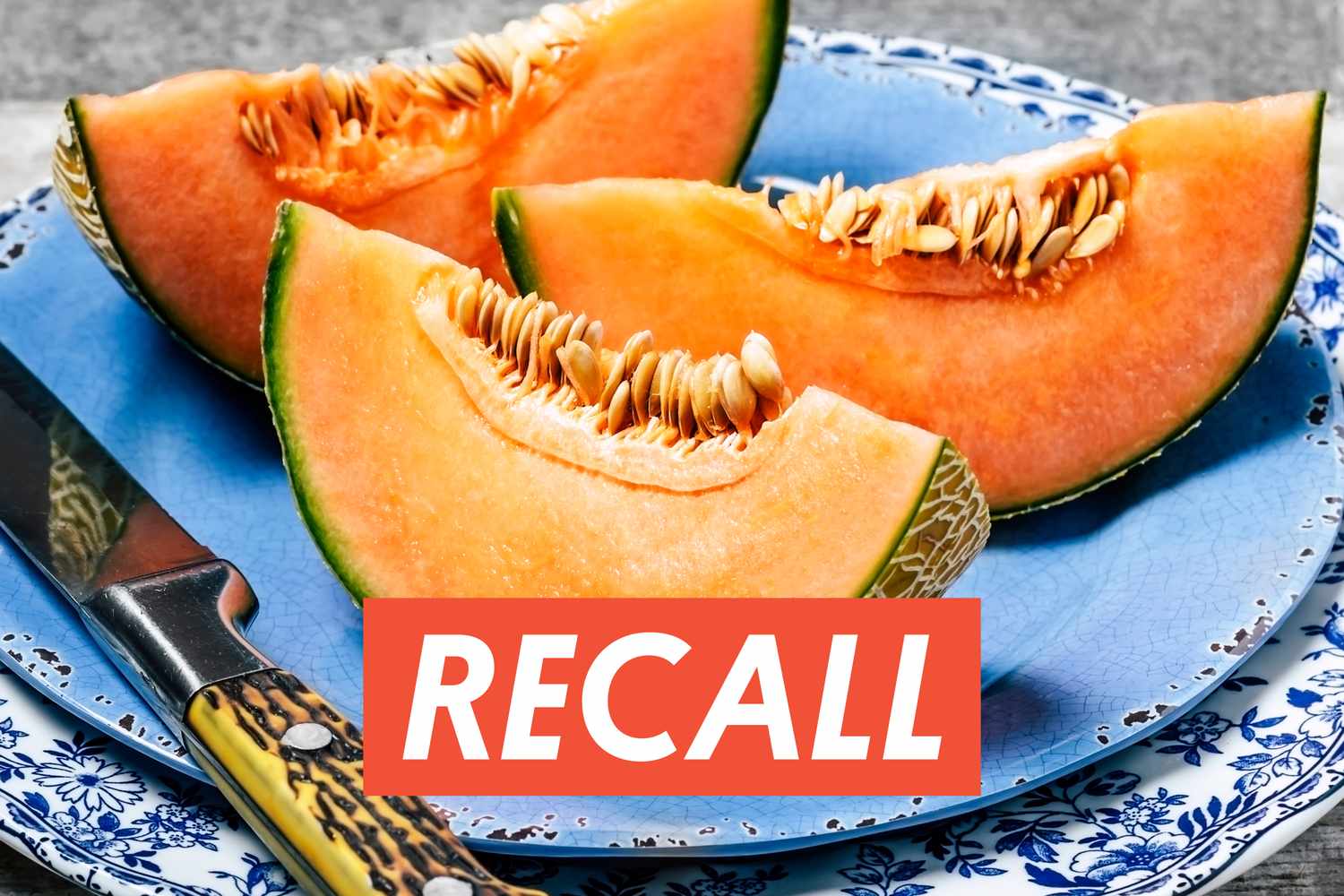
Cantaloupe is supposed to bring easygoing picnic energy. Slice it, chill it, pretend you suddenly have your life together. But a major cantaloupe recall tied to a listeria contamination warning has turned that innocent melon into the produce aisle’s latest drama queen. The issue is not just whole cantaloupe in theory, but fresh-cut cantaloupe and mixed fruit products that can move quickly through grocery distribution and land in lunchboxes, office fridges, deli cases, and those “I’m being healthy” snack cups we all buy while also grabbing chips.
In this recall, Wholesale Produce Supply of Minneapolis announced that certain fresh-cut and processed cantaloupe products could be contaminated with Listeria monocytogenes. The products were distributed to customers in Nebraska, North Dakota, and Wisconsin, with the possibility that they reached other states through secondary distribution. At the time of the announcement, no illnesses had been reported, but public health advice was clear: if the product matches the recall, do not eat it. Return it or throw it away, then clean anything it may have touched.
That sounds simple enough. Yet food recalls are rarely simple in real life. Maybe you bought a fruit bowl three days ago and already tossed the packaging. Maybe your teenager inhaled the melon before you saw the recall alert. Maybe the cantaloupe was mixed with grapes and pineapple, and now your refrigerator is giving off suspicious “crime scene, but fruity” vibes. This guide breaks down what the recall means, why listeria gets so much attention, what shoppers should do next, and why cantaloupe keeps earning a recurring role in food safety headlines.
What This Major Cantaloupe Recall Is Actually About
The recalled products were sold under the Harvest Cuts and Fresh & Finest names, mostly in plastic clamshell containers. Some packages contained only cantaloupe chunks, while others were mixed-fruit products that included cantaloupe alongside other cut fruit. That detail matters because people often assume a recall only affects the item named on the label. Not here. If cantaloupe was one ingredient in a fruit medley, the entire container can be part of the problem.
The company said routine sampling led to the recall after finished product showed the potential for listeria contamination. In response, production and distribution of the affected lots were suspended while the cause was investigated. In plain English, this was not a case of officials shrugging and hoping for the best. A test raised concern, the company recalled the affected products, and consumers were told to stop eating them immediately.
That is also why the word major fits here. The recall is not “major” because every cantaloupe in America is suddenly suspect. It is major because fresh-cut fruit moves fast, mixed containers complicate identification, and the risk profile of listeria is serious enough that even a relatively limited distribution footprint deserves swift attention. One contaminated ingredient can travel farther than shoppers realize once it is chopped, packed, relabeled, and sent into retail channels.
Why Listeria Contamination Worries Public Health Experts
Listeria is not just another food poisoning headline people scroll past between weather alerts and celebrity breakups. Listeria monocytogenes can cause listeriosis, a potentially severe infection that is especially dangerous for pregnant people, newborns, adults over 65, and anyone with a weakened immune system. That includes people going through cancer treatment, living with certain chronic diseases, or taking medications that reduce immune function.
One of the trickiest things about listeria is that it does not always announce itself with dramatic, immediate symptoms. Some healthy people may only develop short-term illness, including fever, nausea, diarrhea, headache, and abdominal pain. But invasive listeriosis can go well beyond ordinary stomach trouble. It can involve confusion, stiff neck, loss of balance, seizures, or a dangerous bloodstream infection. In pregnancy, symptoms may be mild or flu-like, yet the consequences for the baby can be severe, including miscarriage, stillbirth, premature delivery, or life-threatening newborn infection.
Listeria also has a food safety superpower no one asked for: it can survive and continue posing a risk in cold environments. Refrigeration helps slow bacterial growth, but it does not magically turn a recalled fruit cup into a wellness snack. That is why health agencies emphasize not just discarding recalled food, but also cleaning refrigerator shelves, drawers, containers, counters, and any tools that touched it.
Why Cantaloupe So Often Ends Up in the Food Safety Conversation
Cantaloupe has a few built-in challenges that make it a frequent subject in outbreak discussions. First, the rind is rough and netted rather than smooth. That textured surface can trap dirt, moisture, and bacteria more easily than a glossy-skinned fruit. Second, once you cut into a melon, the knife can transfer contamination from the rind to the edible flesh. Third, fresh-cut fruit is ready-to-eat, which means there is no cooking step later to reduce microbial risk.
Even if you never eat the rind, food safety guidance still says to wash produce before peeling or cutting it. With firm produce like melons, scrubbing the outside with a clean produce brush is part of the advice. Washing is not a magic shield, but it can reduce bacteria on the surface. That matters because the moment the knife goes in, the outer surface and inner flesh are no longer separate worlds.
Cantaloupe recalls also hit a nerve because of history. The fruit has been linked to major U.S. outbreak investigations before, and those events changed how regulators and the industry think about melon safety. In other words, shoppers are not overreacting when cantaloupe makes headlines. The concern is rooted in experience, not melodrama.
How to Tell Whether Your Fruit Is Affected
If you bought fresh-cut fruit recently, do not focus only on the word “cantaloupe” as if it has to be printed in giant orange letters. Check for:
- Harvest Cuts or Fresh & Finest branding
- Plastic clamshell fruit containers
- Products containing cantaloupe chunks alone or in mixed fruit combinations
- Purchases linked to grocery distribution in Nebraska, North Dakota, or Wisconsin
- Any product that matches the time frame and recall details, even if it may have traveled into another state
If the package is gone, do not play detective with your memory like you are solving a prestige streaming thriller. Think practically. Was it pre-cut melon? Was it a fruit mix from the deli, produce cooler, or grab-and-go case? Was it purchased in one of the affected areas, or from a retailer that might source through regional distribution? If the answer is “maybe,” the safest move is to skip the guesswork and not eat it.
What to Do If You Bought the Recalled Cantaloupe
1. Do not eat it
Not a little bite. Not a “smell test.” Not a rinse-and-hope strategy. If the fruit is part of the recall, it is not salvageable. A lot of recalled produce looks normal, smells normal, and still should not be eaten.
2. Return it or throw it away
Consumers were advised to bring affected products back to the place of purchase for a refund or discard them. If you throw them out, seal them in a bag first so juices do not leak onto kitchen surfaces or other food.
3. Clean your refrigerator like you mean it
If the recalled fruit touched a drawer, shelf, reusable container, cutting board, countertop, lunch bag, or crisper bin, wash those areas with hot, soapy water. Removable refrigerator parts should be washed by hand, dried with a clean towel, and returned only after the inside of the refrigerator has been cleaned. Public health guidance also notes that sanitizing can be done after cleaning, using a diluted bleach solution, if appropriate for the surface.
4. Wash your hands and nearby surfaces
Clean towels, utensils, counters, and anything else that came in contact with the fruit. Food recalls are not the time for half-hearted sponge choreography.
5. Monitor for symptoms
If you ate the recalled fruit, keep an eye on how you feel over the next several days and weeks. Symptoms can vary depending on the person and the severity of the illness. Anyone at higher risk for listeriosis should be especially cautious and consider contacting a healthcare provider if symptoms appear.
Symptoms Shoppers Should Watch For
Listeria symptoms are not always dramatic at first, which is part of the problem. Some people may experience fever, muscle aches, nausea, diarrhea, abdominal pain, or headache. More severe illness can include stiff neck, confusion, loss of balance, and seizures. Pregnant people may have only mild flu-like symptoms, but the infection can still seriously harm the fetus or newborn.
That means the right response is not panic, but attention. If someone in your household ate the fruit and later develops symptoms that seem unusual, persistent, or severe, especially if they are pregnant, elderly, or immunocompromised, that is the moment to call a medical professional rather than consult the internet’s least qualified comment section.
Why the Recall Matters Even If No Illnesses Were Reported
Some shoppers hear “no illnesses reported” and mentally file the whole thing under “probably fine.” That is not how recall math works. A recall is often designed to prevent illnesses before they pile up. Companies and regulators act on test results, traceback information, or contamination concerns precisely because waiting for a body count is not a serious public health strategy.
The absence of reported illness at the time of a recall can actually be a sign that the system is doing what it is supposed to do. Sampling catches a possible problem, products are removed, stores are notified, and consumers get instructions before more people are exposed. In food safety, an uneventful outcome is not boring. It is the goal.
The Bigger Food Safety Lesson Behind This Recall
Fresh produce has a healthy halo, and usually for good reason. But “fresh” does not automatically mean “risk-free.” Pre-cut fruit is convenient because someone else already did the washing, trimming, peeling, slicing, packing, and labeling. It is also vulnerable because every extra handling step is another chance for contamination to enter the picture or spread.
That is why food safety advice keeps returning to the same practical habits: refrigerate pre-cut produce promptly, keep your refrigerator at 40 degrees Fahrenheit or below, wash whole produce before cutting, use clean knives and boards, and treat recalls seriously. None of those steps is glamorous. No one is posting a dramatic kitchen reel titled “watch me use a produce brush responsibly.” But these ordinary habits are what keep routine food prep from becoming a public health case study.
The cantaloupe industry has already seen how high the stakes can become. Previous U.S. outbreak investigations tied to cantaloupes pushed regulators and producers to strengthen handling and packing guidance. That history is exactly why modern recalls move quickly and why consumers should too. When public health agencies say toss the fruit, they are not ruining snack time for fun. They are trying to make sure a small produce purchase does not turn into a very bad week.
Real-World Experiences Shoppers Have During a Cantaloupe Recall
Recalls sound tidy in official language, but everyday experience is messier. One common scenario goes like this: a shopper buys a mixed fruit bowl on Monday because it feels virtuous and requires zero knife skills. By Wednesday, a recall alert pops up on the phone. The label is gone, half the fruit is gone, and now the shopper is staring into the refrigerator trying to remember whether the container said Harvest Cuts, Fresh & Finest, or something else entirely. That moment is where recalls live for most people, not in agency press language but in fuzzy grocery memory and mild panic under fluorescent kitchen lighting.
Parents often have another version of the experience. They buy cut melon because soccer practice runs late, dinner is chaos, and no one has time to cube a whole cantaloupe like a lifestyle blogger with perfect countertops. Then a recall happens, and suddenly the “easy healthy option” becomes a checklist: text the family group chat, check the lunchbox, wipe down the fridge shelf, and ask whether anyone already ate the fruit. It is inconvenient, yes, but it also shows why ready-to-eat recalls matter so much. The people buying these products are usually choosing convenience for a reason.
Older adults and caregivers can face a different kind of stress. For a senior or someone with a weakened immune system, a listeria warning is not just another grocery annoyance. It can feel personal. A recalled fruit cup in the fridge may mean an extra call to a doctor, closer attention to symptoms, and more urgency around cleanup. In households with high-risk family members, the experience of a recall is often less “ugh, annoying” and more “let’s not take chances.”
Retail workers experience the recall from the other side of the counter. Produce managers and deli staff have to pull products fast, separate affected inventory, answer customer questions, and make sure no mislabeled or mixed item slips through. In recalls involving cut fruit, that can be especially tricky because one ingredient may be part of several different products. A single cantaloupe issue can affect melon cups, fruit bowls, fruit trays, and assorted grab-and-go snacks. The cleanup behind the scenes is part logistics, part speed drill.
Then there is the very human experience of second-guessing what “safe” looks like. People want a visual clue. Mold, slime, bad odor, something dramatic. But recalls often involve food that looks completely normal. That disconnect frustrates shoppers because it feels unfair. How can something look fresh, smell sweet, and still belong in the trash? The answer is simple and annoying at the same time: harmful bacteria do not care whether the fruit still looks photogenic.
In the end, most recall experiences turn into a lesson people remember longer than they expect. Shoppers become more careful about keeping labels for a day or two. They stop assuming a quick rinse can fix everything. They pay more attention to mixed fruit products, not just the headline ingredient. And they realize that food safety is not only about what tastes good today, but also about what stays safe tomorrow. It is not the kind of life lesson anyone wants from a cantaloupe, but here we are.
Final Takeaway
The major cantaloupe recall announced after a listeria contamination warning is a reminder that even wholesome-looking fresh fruit can carry real risk when contamination enters the supply chain. The recalled products were tied to fresh-cut cantaloupe and fruit mixes sold under the Harvest Cuts and Fresh & Finest names, with distribution centered in Nebraska, North Dakota, and Wisconsin and possible reach beyond those states. At the time of the recall, no illnesses had been reported, but that is exactly when consumers should act quickly.
If you bought a matching product, do not eat it. Return it or toss it, clean the refrigerator and any touched surfaces, and pay attention to symptoms if anyone already consumed it. Most of all, remember the bigger lesson: convenience foods are still food safety foods. A melon does not stop being a melon just because it got cubed and tucked into a plastic clamshell. And unfortunately, bacteria do not stop being bacteria just because the snack looks healthy.