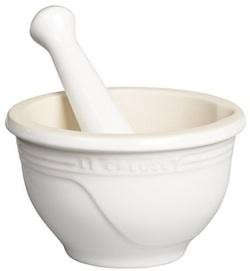
The Le Creuset Mortar and Pestle is one of those kitchen tools that looks too pretty to be useful, then quietly proves everyone wrong by crushing peppercorns, garlic, basil, toasted cumin, and your emotional dependence on pre-ground spices. It is compact, colorful, sturdy, and designed for cooks who want flavor with a little ceremony.
In a kitchen world crowded with high-speed blenders, mini food processors, spice grinders, and gadgets that require charging cables for reasons nobody asked for, the mortar and pestle remains gloriously simple. One bowl. One pestle. A little pressure. A little patience. Suddenly, garlic turns silky, herbs smell brighter, and whole spices wake up like they just heard their favorite song in a grocery store aisle.
Le Creuset’s version brings the brand’s familiar stoneware charm to an ancient cooking method. The current U.S. stoneware model is listed as a 10-ounce mortar and pestle, crafted with a glazed exterior and an unglazed interior that creates the friction needed to grind ingredients effectively. It is dishwasher-safe and designed to resist chips, scratches, and stains, making it more practical than its boutique appearance might suggest.
What Is the Le Creuset Mortar and Pestle?
The Le Creuset Mortar and Pestle is a two-piece stoneware kitchen tool used for crushing, grinding, pounding, and mixing ingredients by hand. The mortar is the bowl. The pestle is the handheld tool used to press and grind ingredients against the interior surface. Together, they help release the aromatic oils, moisture, texture, and flavor locked inside herbs, spices, nuts, seeds, garlic, chiles, and citrus zest.
Unlike a blender, which chops rapidly with blades, a mortar and pestle breaks ingredients down through pressure and friction. That difference matters. Crushing basil leaves, garlic, or toasted coriander does not just make pieces smaller; it changes the texture and helps ingredients mingle in a way that feels deeper, rounder, and more rustic. A food processor makes pesto. A mortar and pestle makes pesto that acts like it went to culinary school in Genoa.
Le Creuset’s stoneware design is especially appealing for home cooks who want a small-batch tool that can live on the counter without looking like it wandered in from a geology lab. It is available in signature Le Creuset colors, including classic shades such as Cerise, Artichaut, Sea Salt, and White on current U.S. listings. That makes it part kitchen helper, part decorative object, and part subtle announcement that you take garlic seriously.
Key Features of the Le Creuset Mortar and Pestle
Premium Stoneware Construction
Le Creuset is best known for enameled cast iron, but its stoneware line has its own fan base. The Le Creuset stoneware mortar and pestle is built for everyday kitchen prep, not just display. Stoneware offers a non-reactive surface, meaning it will not interfere with acidic or aromatic ingredients. That is helpful when working with lemon zest, garlic, vinegar-based dressings, or chile pastes.
Unglazed Interior for Better Grinding
The most important feature is the unglazed interior of the mortar. A perfectly smooth bowl may look elegant, but it can cause ingredients to slide around like they are trying to escape. The slightly abrasive interior gives herbs, spices, and aromatics something to grip. This helps the pestle break down ingredients more efficiently, whether you are crushing fennel seeds or turning garlic and salt into a paste.
Glazed Exterior for Easy Cleaning
The exterior has Le Creuset’s recognizable glazed finish. That glaze is smooth, colorful, and easier to wipe clean than raw stone. It also helps resist staining, which is good news if you enjoy turmeric, smoked paprika, or anything red enough to make your kitchen sponge look suspicious.
Dishwasher-Safe Convenience
Many traditional mortar and pestle sets require careful hand-washing, especially porous stone models such as volcanic rock or unsealed granite. The Le Creuset mortar and pestle is listed as dishwasher-safe, which gives it an advantage for cooks who love flavor but do not love creating a second cleaning project after dinner. Still, for long-term care, a quick hand wash and dry is often the gentler habit.
Compact 10-Ounce Capacity
The current Le Creuset U.S. stoneware mortar and pestle is listed at 10 ounces. This size is best for small-batch tasks: grinding a tablespoon or two of whole spices, making garlic paste, preparing a quick herb rub, crushing peppercorns, blending salt with rosemary, or making a small amount of pesto or dressing. Some retailers have also shown larger Le Creuset mortar listings in the past, such as 20-ounce versions, so shoppers should check the current product page before buying.
What Can You Make With It?
The better question is: what can’t you improve with a mortar and pestle? Well, maybe soup for twelve people. Do not punish yourself. But for small amounts of high-impact flavor, this tool is a quiet powerhouse.
Fresh Spice Blends
Whole spices keep their aroma longer than pre-ground spices. When you grind them just before cooking, you get a brighter, fresher flavor. Try crushing toasted cumin, coriander, black pepper, and fennel seed for roasted vegetables or grilled chicken. The warmth from toasting helps bring out aromatic oils, while the grinding step releases them into a coarse, fragrant powder.
Garlic Paste
Add a peeled garlic clove and a pinch of coarse salt to the mortar. Press and rotate the pestle until the garlic becomes creamy. The salt acts like tiny edible sandpaper and helps break down the garlic quickly. Use the paste in salad dressing, aioli, marinades, mashed potatoes, or anything that needs a flavor boost but not a surprise chunk of raw garlic.
Pesto and Herb Sauces
Classic pesto is traditionally made with a mortar and pestle, and the method has a reason behind it. Basil leaves are delicate. Pounding and grinding them with garlic, pine nuts, cheese, and olive oil releases fragrance while creating a texture that feels lush rather than machine-chopped. With the Le Creuset mortar and pestle, small batches are the sweet spot: enough pesto for pasta for one or two, a sandwich spread, or a spoonful over grilled vegetables.
Spice Rubs for Meat and Vegetables
A mortar and pestle is excellent for building dry rubs. Crush peppercorns, mustard seed, rosemary, thyme, smoked paprika, and flaky salt. The result is more textured and aromatic than a store-bought seasoning blend. It also lets you control the salt level, which is useful if you prefer food that tastes seasoned rather than accidentally preserved for a sea voyage.
Dressings, Dips, and Marinades
Start with garlic, salt, and herbs. Grind until paste-like. Add mustard, lemon juice, vinegar, or oil directly into the mortar and stir. This creates a fast vinaigrette with serious personality. You can also mash anchovies, capers, olives, chiles, or roasted garlic for sauces that taste far more complex than the effort required.
Le Creuset Mortar and Pestle vs. Granite, Marble, and Molcajete Sets
Kitchen testers often praise heavy granite and volcanic stone mortar and pestle sets for serious grinding power. Granite models tend to be heavier and rougher, which makes them excellent for curry pastes, large spice batches, and guacamole. Molcajetes, traditionally made from volcanic stone, are beloved for salsas and Mexican cooking because their rough interiors grip ingredients aggressively.
The Le Creuset mortar and pestle is different. It is not trying to be a massive granite beast. It is a compact, polished, everyday stoneware tool. That makes it especially good for cooks who want something easy to store, attractive on the counter, simple to clean, and practical for small tasks. It may not be the fastest option for grinding a mountain of dried chiles, but it is excellent for garlic paste, fresh herbs, small spice blends, dressings, and finishing touches.
Think of it this way: a giant granite mortar is the pickup truck of the category. A traditional molcajete is the off-road vehicle. The Le Creuset stoneware mortar and pestle is the stylish city car that still has enough horsepower to get dinner moving.
Who Should Buy the Le Creuset Mortar and Pestle?
The Le Creuset Mortar and Pestle is ideal for home cooks who want a beautiful, functional, low-maintenance tool for small-batch flavor building. It suits people who cook often but do not necessarily want a huge, heavy mortar taking up half the counter. It is also a smart gift for Le Creuset collectors, newlyweds, apartment cooks, herb lovers, and anyone who owns whole spices but keeps ignoring them because the spice grinder is hiding in a drawer with three mystery cords.
It is especially worth considering if presentation matters to you. Some kitchen tools are useful but ugly enough to be stored immediately after use. This one can sit on a shelf beside a Dutch oven, oil cruet, salt crock, or utensil jar and look intentional. That matters in modern kitchens, where counter space is limited and every visible object must earn its rent.
Who Might Prefer a Different Mortar and Pestle?
If you regularly make large batches of curry paste, salsa, guacamole, or pesto, you may want a larger granite mortar, marble mortar, or molcajete. Bigger bowls reduce spillage and allow stronger pounding motions. Heavier bases also stay put better during aggressive grinding. If you cook Thai curry pastes from scratch every weekend, the Le Creuset model may feel a bit dainty for the job.
Also, if you want an ultra-rough grinding surface, stoneware may not satisfy you the same way textured granite or basalt can. The Le Creuset mortar has an unglazed interior for friction, but it is still a refined stoneware piece. It favors control, cleanliness, and style over brute grinding force.
How to Use the Le Creuset Mortar and Pestle Properly
Using a mortar and pestle is not about smashing ingredients as if they insulted your grandmother. Brute force makes a mess and often creates uneven texture. A better technique is to press, twist, scrape, and rotate.
Start with small amounts. Add hard ingredients first, such as peppercorns, seeds, salt, or nuts. Use the pestle to press down and rotate against the base of the mortar. For garlic, herbs, or wet pastes, scrape ingredients from the sides back into the center as you work. Once the ingredients begin to break down, use a circular grinding motion to refine the texture.
For spice blends, toast whole spices briefly in a dry skillet, let them cool slightly, then grind them. Toasting helps deepen aroma, while grinding releases the oils. For herb sauces, add salt and garlic first, then nuts or seeds, then herbs, then cheese and oil if the recipe calls for them.
Care and Cleaning Tips
Because Le Creuset’s stoneware mortar and pestle is dishwasher-safe, cleanup is straightforward. However, hand-washing is often the safest long-term habit for any attractive kitchen tool. Rinse it soon after use, especially after working with sticky garlic, oily nuts, or colorful spices. Use warm water, mild dish soap, and a soft brush or sponge. Dry it thoroughly before storing.
Avoid sudden temperature shocks. Even durable stoneware deserves basic respect. Do not take it from a hot environment and plunge it into cold water. Do not use it as a hammer, even if a walnut looks at you with attitude. And do not grind extremely hard objects that are not food-safe or kitchen-appropriate.
Is the Le Creuset Mortar and Pestle Worth It?
The value depends on how you cook. If you want the biggest and roughest grinding tool for heavy-duty pastes, a granite set may offer more muscle for the money. But if you want a compact, elegant, easy-clean mortar and pestle that performs well for everyday flavor tasks, Le Creuset makes a strong case.
Its biggest strengths are design, usability, color selection, non-reactive stoneware, dishwasher-safe convenience, and the unglazed grinding surface. It is not merely decorative. It is a real tool, but one with manners. It will not dominate your kitchen. It will simply sit there looking beautiful until you need to crush coriander seeds and feel like a person who has their life together.
Buying Tips Before You Add It to Your Kitchen
Before buying, check the current capacity, color availability, warranty details, and seller listing. Le Creuset colors can rotate, sell out, return, or retire. If you are matching an existing collection, confirm the exact shade name. Cerise is not just “red.” Sea Salt is not just “greenish blue.” Le Creuset people notice these things. They may be polite about it, but they notice.
Also consider your cooking style. If you mostly cook for one or two people, the 10-ounce size is convenient. If you frequently entertain or make large sauces, consider pairing it with a larger stone mortar or molcajete. There is no rule saying a cook can own only one mortar and pestle. That rule would be unreasonable, and frankly, bad for salsa.
Best Everyday Uses for the Le Creuset Mortar and Pestle
- Grinding toasted cumin, coriander, fennel, and peppercorns
- Making garlic paste with coarse salt
- Crushing herbs for marinades and dressings
- Preparing small-batch pesto or chimichurri
- Mashing anchovies, capers, or olives into sauces
- Blending flavored salts with citrus zest or rosemary
- Crushing nuts or seeds for toppings
Experience Notes: Living With a Le Creuset Mortar and Pestle
The everyday appeal of the Le Creuset Mortar and Pestle begins before the cooking starts. It is the rare prep tool that does not need to hide in a cabinet. Place it near the stove with a jar of flaky salt, a bottle of olive oil, and a small cutting board, and suddenly the kitchen looks more intentional. It gives off the quiet confidence of a cook who might casually say, “I’ll just make a quick herb paste,” and then actually do it.
In daily use, the compact size changes how you cook. Instead of reaching for a machine, you start reaching for whole spices. A pinch of cumin seed becomes a quick rub for roasted carrots. Black peppercorns and fennel seed become a crust for pork chops. Garlic and salt become the base of a lemony salad dressing. These are small upgrades, but they stack up. Dinner tastes more alive, and you did not have to wash a food processor blade, which is one of adulthood’s least glamorous chores.
The stoneware feel is also friendly. Heavy granite mortars can be wonderful, but they can feel like moving a decorative boulder every time you want crushed pepper. Le Creuset’s version is easier to handle, easier to rinse, and less intimidating for quick tasks. That makes it more likely to be used on a Tuesday night, which is the true test of any kitchen tool. Weekend cooking gets patience. Tuesday cooking gets honesty.
The unglazed interior provides enough texture for many everyday jobs. Garlic breaks down nicely with salt. Toasted spices crush better than expected when added in modest amounts. Herbs bruise and release their aroma without turning instantly into swampy mush. The pestle gives good control for pressing and rotating, especially when the goal is a paste rather than a powder.
There are limits, of course. If you overload the bowl, ingredients climb the sides and attempt a dramatic escape. If you try to make a huge batch of pesto, you will quickly wish for a larger mortar. If you expect it to pulverize dried chiles like a commercial grinder, you may develop feelings. The trick is to respect the size. Use it for the flavor accents that transform a dish: the garlic paste in the dressing, the crushed spices for roasted vegetables, the herb oil spooned over soup, the quick rub for salmon, the chile salt for avocado toast.
The cleaning experience is refreshingly easy. Because the glazed exterior resists staining, it does not become a permanent record of every paprika-heavy decision you have made. A quick rinse usually handles herbs and garlic, while a little soap and a soft brush help with oily nuts or sticky pastes. The dishwasher-safe listing is reassuring, but hand-washing keeps the finish looking its best.
Perhaps the biggest experience-related benefit is psychological. A mortar and pestle slows you down in a good way. You smell the basil as it bruises. You notice the pepper becoming floral. You feel garlic change from sharp chunks to a smooth paste. Cooking becomes more tactile and less button-pushy. It is not nostalgia for nostalgia’s sake; it is a practical reminder that flavor often improves when ingredients are handled with attention.
For Le Creuset fans, the mortar and pestle also fits the emotional side of cooking. It matches the brand’s broader promise: useful objects that are beautiful enough to keep, gift, and pass along. You may buy it for pesto, but you may keep it because it makes ordinary cooking feel a little more special. And in a world where dinner sometimes means standing in front of the fridge eating shredded cheese from the bag, “a little more special” is no small thing.
Conclusion
The Le Creuset Mortar and Pestle is not the biggest, roughest, or most industrial mortar on the market. That is not its mission. Its strength is combining everyday usefulness with Le Creuset’s polished stoneware style. For small-batch spice blends, garlic paste, herb sauces, dressings, rubs, and countertop beauty, it is a delightful tool that earns its place in the kitchen.
Choose it if you want a compact mortar and pestle that is easy to clean, attractive enough to display, and practical enough for regular use. Choose a larger granite mortar or molcajete if your cooking leans heavily toward big batches of salsa, curry paste, or guacamole. For many home cooks, though, the Le Creuset mortar and pestle hits a sweet spot: flavorful, functional, colorful, and just fancy enough to make crushed garlic feel like an event.