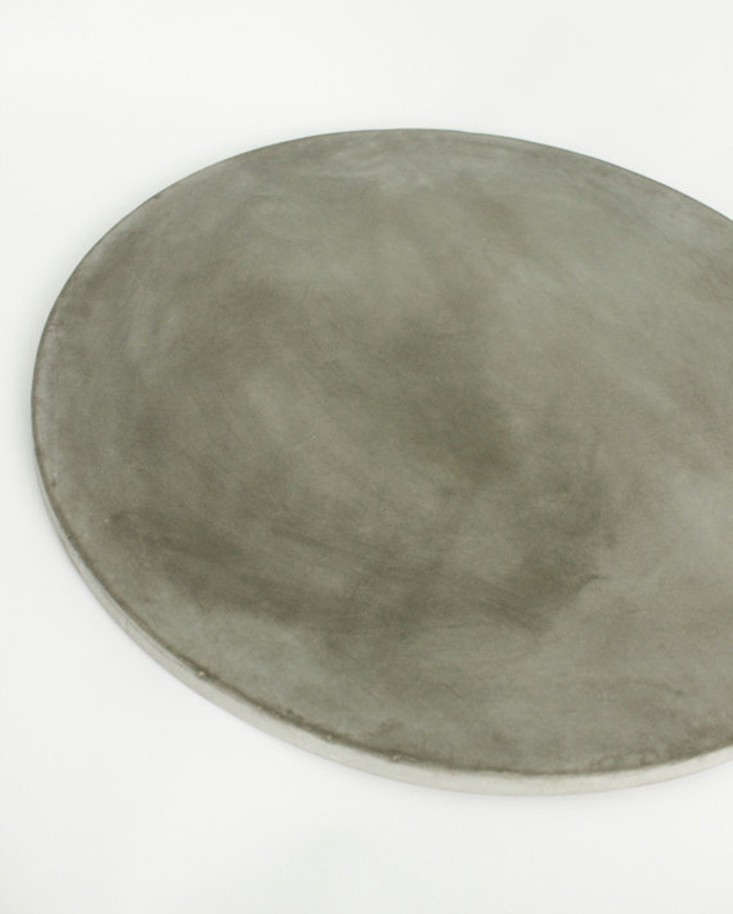
A large concrete Lazy Susan sounds like something a very stylish architect would place in the middle of a dining table and then casually pretend it was “no big deal.” But it is a big dealin the best possible way. It is heavy, sculptural, practical, modern, and oddly satisfying to spin. Whether used as a dining table centerpiece, outdoor entertaining tray, kitchen island organizer, or dramatic display platform, a large concrete Lazy Susan brings together two things people love: industrial design and not having to reach awkwardly across the table for the salsa.
Unlike lightweight wooden or plastic turntables, a concrete Lazy Susan feels permanent. It has visual weight, physical weight, and the kind of quiet confidence that says, “Yes, I can hold six condiment bottles, a cheese board, a vase, and your design expectations.” But because concrete is porous, heavy, and slightly temperamental during curing, choosing or making one requires a little planning. The good news? Once you understand the basicssize, mix, reinforcement, hardware, sealing, and maintenanceyou can end up with a rotating centerpiece that looks custom, performs well, and does not wobble like a grocery cart with emotional problems.
What Is a Large Concrete Lazy Susan?
A large concrete Lazy Susan is a rotating circular tray or tabletop accessory made from cast concrete and mounted on a swivel bearing. The “large” category usually refers to pieces around 18 inches and up, although dining-table versions can reach 24, 30, or even 36 inches in diameter. Smaller versions work well for spices and coffee bars; larger ones are designed for family-style dining, outdoor kitchens, patio tables, buffet setups, and statement decor.
The main appeal is simple: concrete gives the Lazy Susan a modern, handmade, stone-like appearance, while the rotating mechanism makes shared items easier to access. Instead of passing plates around like a tiny traffic system, guests can gently spin the tray and grab what they need. It is especially useful for round dining tables, large square tables, kitchen islands, and outdoor entertaining areas where people naturally gather from different angles.
Why Concrete Works So Well for a Lazy Susan
Concrete is not just sidewalk material wearing a tuxedo. In home design, it has become popular for countertops, fire bowls, planters, furniture, and decorative trays because it can be cast into nearly any shape. When properly mixed, cured, polished, and sealed, concrete can look refined rather than rough. It can be smooth, matte, glossy, lightly textured, charcoal-toned, warm gray, white, or tinted with pigments.
It Feels Substantial
A large concrete Lazy Susan stays put. That weight can be an advantage because it reduces sliding during use. A thin plastic turntable may scoot around when someone spins it too enthusiastically, but concrete tends to remain grounded. For a dining table centerpiece, that stability feels premium.
It Matches Modern Design Styles
Concrete works beautifully with industrial, minimalist, farmhouse-modern, Scandinavian, rustic, coastal, and contemporary interiors. Pair it with black metal chairs and it looks urban. Pair it with oak and linen napkins and suddenly it is “organic modern.” Put it outdoors with candles and grilled vegetables and it becomes the quiet hero of the patio.
It Can Be Customized
Concrete can be poured into custom molds, which means the finished Lazy Susan can be sized to match a specific table. It can also include decorative aggregates, subtle color, embedded stone chips, a terrazzo-inspired finish, or a molded rim to keep items from sliding off. If you are buying one, customization may cost more. If you are making one, customization is half the fun and half the reason your garage suddenly looks like a tiny construction site.
Best Uses for a Large Concrete Lazy Susan
A concrete Lazy Susan is more versatile than it first appears. It is not limited to dinner parties, although it does shine there. Think of it as a rotating surface with design personality.
Dining Table Centerpiece
On a round or square dining table, a large concrete Lazy Susan can hold serving bowls, sauces, napkins, salt, pepper, small plates, and condiments. For family-style meals, it makes the table more functional and reduces the awkward arm-stretching that usually ends with someone’s sleeve in the salad.
Outdoor Entertaining Tray
Concrete is visually suited to patios, decks, outdoor kitchens, and poolside dining areas. A sealed concrete Lazy Susan can hold barbecue sauces, utensils, candles, small planters, or drinks. However, outdoor use requires extra attention to sealing and weather exposure, especially in climates with freeze-thaw cycles.
Kitchen Island Organizer
On a kitchen island, a large concrete turntable can organize oils, vinegars, spice jars, coffee supplies, fruit, or breakfast essentials. It keeps frequently used items accessible while making the counter look intentionally styled instead of “I put everything here and walked away.”
Decor Display Platform
Use it as a rotating base for candles, seasonal decor, ceramics, perfume bottles, or plants. Because concrete has a neutral tone, it lets other materials stand out: glass, brass, wood, greenery, stoneware, and woven textures all look good against it.
Choosing the Right Size
Size matters with a large concrete Lazy Susan, because concrete adds weight quickly. A 12-inch tray may be easy to move, while a 30-inch slab can feel like a gym membership with bearings attached. Before buying or building one, measure your table carefully.
As a rule of thumb, leave enough open table space around the Lazy Susan for plates, glasses, and elbows. For a 48-inch round dining table, a 24-inch Lazy Susan often works well. For a 60-inch table, 28 to 32 inches may be comfortable. For rectangular tables, choose a diameter that serves the middle without crowding place settings.
Height also matters. A low-profile Lazy Susan feels elegant and less intrusive. A thick concrete piece can look bold, but if it sits too high, it may block conversation or make tall serving dishes feel unstable. Most practical designs stay relatively thin while using strong concrete mix and proper reinforcement.
Weight, Balance, and Bearing Strength
The rotating hardware is the unsung hero of the project. A beautiful concrete disk is only useful if it spins smoothly and safely. Lazy Susan bearings come in different sizes and load ratings, from small cabinet turntables to heavy-duty swivels designed for large tabletops and display stands.
For a large concrete Lazy Susan, choose a bearing with a load rating that comfortably exceeds the weight of the concrete plus anything you plan to place on top. Do not cut it close. Concrete is dense, and large trays can be surprisingly heavy. A heavy-duty swivel with steel ball bearings is usually a better match than a lightweight craft turntable.
Balance is just as important as strength. If the slab is unevenly cast or the bearing is mounted off-center, the tray may wobble or rotate poorly. The bearing should be centered accurately, attached securely, and supported by a flat underside. If the underside is rough, sanding or adding a flat mounting plate can improve performance.
Buying vs. Making a Large Concrete Lazy Susan
You can buy a finished concrete Lazy Susan from artisan shops, home decor makers, or custom concrete studios. Buying is easier and often gives you a more polished finish. It is a smart choice if you want a refined piece without experimenting with molds, curing time, dust, and the emotional journey of discovering that concrete has bubbles.
Making one, however, gives you complete control over size, thickness, color, edge profile, and finish. It can also be more affordable if you already have tools and enjoy DIY projects. The process is not overly complicated, but it does require patience. Concrete is not instant cake batter. It needs proper mixing, vibration, curing, sanding, sealing, and hardware installation.
How a Large Concrete Lazy Susan Is Made
The basic process starts with a circular mold. Many DIYers use melamine, plastic forms, silicone molds, or custom-built circular molds because smooth mold surfaces help create a cleaner finish. The concrete mix is poured into the mold, vibrated to release air bubbles, cured slowly, removed, sanded or polished, sealed, and then attached to a swivel bearing.
1. Choose the Concrete Mix
For a large turntable, countertop mix or high-strength concrete mix is usually better than ordinary general-purpose concrete. Countertop mixes are designed to flow into forms, capture detail, and cure into a smoother surface. Some contain additives that improve workability while reducing the need for excess water. Less unnecessary water generally means stronger finished concrete.
2. Build or Select the Mold
A good mold creates a good finish. The mold should be level, sealed at the edges, and smooth inside. Any bump, seam, or crumb in the mold can transfer to the concrete. If you want a small lip around the edge, design that into the mold before pouring. A rim is helpful for dining use because it helps keep bowls and bottles from sliding off during rotation.
3. Add Reinforcement When Needed
Larger concrete pieces are more vulnerable to cracking, especially if they are thin. Reinforcement can include alkali-resistant glass fiber, wire mesh, or other concrete-safe reinforcement materials, depending on the design. Reinforcement should be placed correctly within the slab rather than sitting at the very bottom or poking through the surface.
4. Pour and Vibrate
After mixing, pour the concrete into the mold and work it into the edges. Gentle vibration helps air bubbles rise to the surface. Some DIYers tap the mold, use a rubber mallet, or run a sander without sandpaper against the outside of the form. The goal is not to create a mini earthquake; it is to remove trapped air so the surface has fewer pinholes.
5. Cure Properly
Curing is where patience pays off. Concrete gains strength over time, and rushing the process can lead to weaker results. Many concrete projects are covered with plastic during early curing to retain moisture. Depending on the mix, a piece may be removed from the mold after a couple of days, but full curing can take much longer. The surface should be handled carefully during early stages because it may still be fragile.
6. Sand, Polish, and Finish
Once cured enough to work, the Lazy Susan can be sanded or polished. Lower grits remove roughness; higher grits create a smoother, more refined finish. Edges should be softened slightly so they are comfortable to touch. A perfectly sharp concrete edge may look dramatic, but it is not friendly to hands, tablecloths, or anyone who bumps into it while reaching for guacamole.
Sealing: The Step You Should Not Skip
Concrete is naturally porous, which means it can absorb water, oil, wine, lemon juice, tomato sauce, and other stain-causing substances. For a Lazy Susan used around food, sealing is essential. Choose a sealer appropriate for countertops or food-adjacent surfaces, and follow the manufacturer’s instructions carefully.
A good sealer helps resist staining, moisture absorption, and surface wear. Some sealers create a matte natural look, while others add a satin or glossy finish. For dining use, many people prefer a low-sheen finish because it looks modern and hides minor fingerprints better than high gloss. For outdoor use, UV resistance and water resistance become more important.
Even sealed concrete should not be treated like an indestructible science experiment. Use coasters under oily bottles, wipe spills quickly, and avoid leaving acidic foods such as lemon wedges or vinegar-based sauces sitting directly on the surface. Hot pans should not be placed directly on the Lazy Susan unless the sealer specifically allows it. When in doubt, use a trivet. Concrete may be tough, but sealers can be sensitive.
Maintenance and Cleaning Tips
Cleaning a large concrete Lazy Susan is simple when the surface is properly sealed. Use mild dish soap, warm water, and a soft cloth. Avoid abrasive pads, harsh chemicals, bleach, ammonia, and highly acidic cleaners. These can dull or damage the sealer, leaving the concrete more vulnerable to stains.
For everyday use, wipe the surface after meals and dry it with a soft towel. If the Lazy Susan is used outdoors, bring it inside during severe weather if possible, or cover it when not in use. Check the bearing occasionally for debris, rust, or loosened screws. Smooth rotation depends on clean hardware and a level base.
Depending on the sealer and how often the piece is used, resealing may be needed periodically. If water no longer beads on the surface or stains begin appearing more easily, it may be time to refresh the finish. Always clean and dry the concrete thoroughly before applying any new protective coating.
Design Ideas for a Large Concrete Lazy Susan
The simplest version is a smooth gray disk, but concrete gives you many creative options. A white concrete Lazy Susan looks airy and modern, especially on a dark wood table. A charcoal version feels bold and architectural. A terrazzo-style finish with exposed chips can look playful, while a lightly sanded surface gives a handmade artisan feel.
Minimalist Round Tray
A clean, rimless circle works well in modern kitchens and dining rooms. It is best for decorative use or items with stable bases.
Raised-Rim Dining Turntable
A shallow raised edge is practical for sauces, jars, and serving bowls. It helps prevent small items from sliding during rotation.
Outdoor Concrete Server
For patio use, a slightly thicker slab with a durable sealer can look excellent with grilled foods, potted herbs, and lanterns.
Mixed-Material Base
Concrete pairs beautifully with wood, brass, black steel, or cork. Adding a cork underside or rubber feet can help protect the table beneath the bearing assembly.
Common Mistakes to Avoid
The first mistake is making the Lazy Susan too large for the table. Bigger is not always better. If the tray takes over the entire surface, guests will have nowhere to place plates and drinks. The second mistake is using weak hardware. A concrete disk needs a strong bearing, not a flimsy mechanism meant for a spice rack.
Another common issue is poor sealing. Unsealed concrete may look beautiful on day one and then collect stains like souvenirs. Skipping proper curing is also risky because concrete needs time to gain strength. Finally, rough edges and uneven undersides can make the piece feel unfinished. A few extra minutes spent sanding and leveling can make the difference between “custom artisan object” and “garage pancake.”
Large Concrete Lazy Susan Buying Checklist
Before purchasing, check the diameter, thickness, weight, finish, sealer type, and bearing quality. Ask whether the surface is sealed for food-adjacent use and whether it is intended for indoor or outdoor placement. Look for smooth rotation, stable construction, and a bottom design that will not scratch your table.
If ordering online, review shipping details carefully. Concrete is heavy and fragile if poorly packed. A large piece should be well protected during transit. If buying from a local maker, you may be able to request a custom size or finish and avoid shipping stress altogether.
Experience Notes: Living With a Large Concrete Lazy Susan
The first thing you notice when using a large concrete Lazy Susan is that it changes the mood of the table. It does not just sit there; it anchors the entire setting. A wooden tray feels casual, a marble tray feels elegant, but concrete feels architectural. It gives the table a central point, almost like a small stage where the best parts of the meal get their moment.
In daily use, the best size is usually the one that feels generous without becoming bossy. A 24-inch concrete Lazy Susan on a medium round table can be fantastic for family dinners. It holds sauces, small bowls, napkins, and a shared salad without crowding everyone’s plates. But if the table is smaller, that same piece can feel like a concrete moon has landed in the dining room. Measuring first saves regret later.
Weight is another real-life detail. A large concrete Lazy Susan is not something most people casually move from room to room. Once it is on the table, it tends to stay there. That can be a good thing if you want a permanent centerpiece, but it matters when cleaning or rearranging. Adding felt pads, cork protection, or a smooth base layer can help protect the table and make small adjustments easier.
The rotating action is surprisingly important. A heavy tray that spins smoothly feels luxurious. A heavy tray that scrapes, squeaks, or wobbles feels like a haunted merry-go-round. This is why the bearing should never be an afterthought. A strong, properly centered swivel makes the piece feel intentional and safe. When guests can rotate it with one gentle push, the design feels effortless.
Maintenance becomes second nature. Wiping spills quickly is the biggest habit to build, especially with wine, coffee, citrus, oil, and tomato-based sauces. A sealed surface gives protection, but it is not magic armor. Think of it like a nice dining table: durable, but still deserving of basic manners. Mild soap and water handle most cleanup. Harsh cleaners are unnecessary and can shorten the life of the sealer.
From a styling perspective, concrete is wonderfully flexible. In summer, it looks great with lemons, herbs, glass pitchers, and white plates. In fall, it pairs beautifully with wood bowls, candles, and warm linens. During holidays, it can hold greenery, ornaments, or serving dishes without looking overly decorative. It is neutral enough to disappear when needed and strong enough to make a statement when styled well.
The biggest experience-based lesson is this: a large concrete Lazy Susan works best when it is treated as both furniture and functional serveware. It should be sized thoughtfully, sealed properly, cleaned gently, and paired with hardware that respects its weight. Do that, and it becomes one of those rare home pieces that is practical every day but still earns compliments from people who pretend they “just noticed it.”
Conclusion
A large concrete Lazy Susan is a practical design piece with serious presence. It makes shared meals easier, organizes busy surfaces, and adds a modern handcrafted look to dining rooms, kitchens, and patios. The best versions combine a well-cast concrete surface, strong rotating hardware, proper sealing, and a size that fits the table rather than conquering it.
Whether you buy one from an artisan maker or build your own, pay close attention to weight, balance, bearing strength, finish, and maintenance. Concrete rewards patience. Give it the right support and care, and it will deliver years of useful rotation, stylish serving, and quiet table dramain the good way.