Note: This article is written for web publishing and is based on real Korean-inspired cooking methods, common bulgogi-style flavor principles, and practical home-kitchen testing tips.
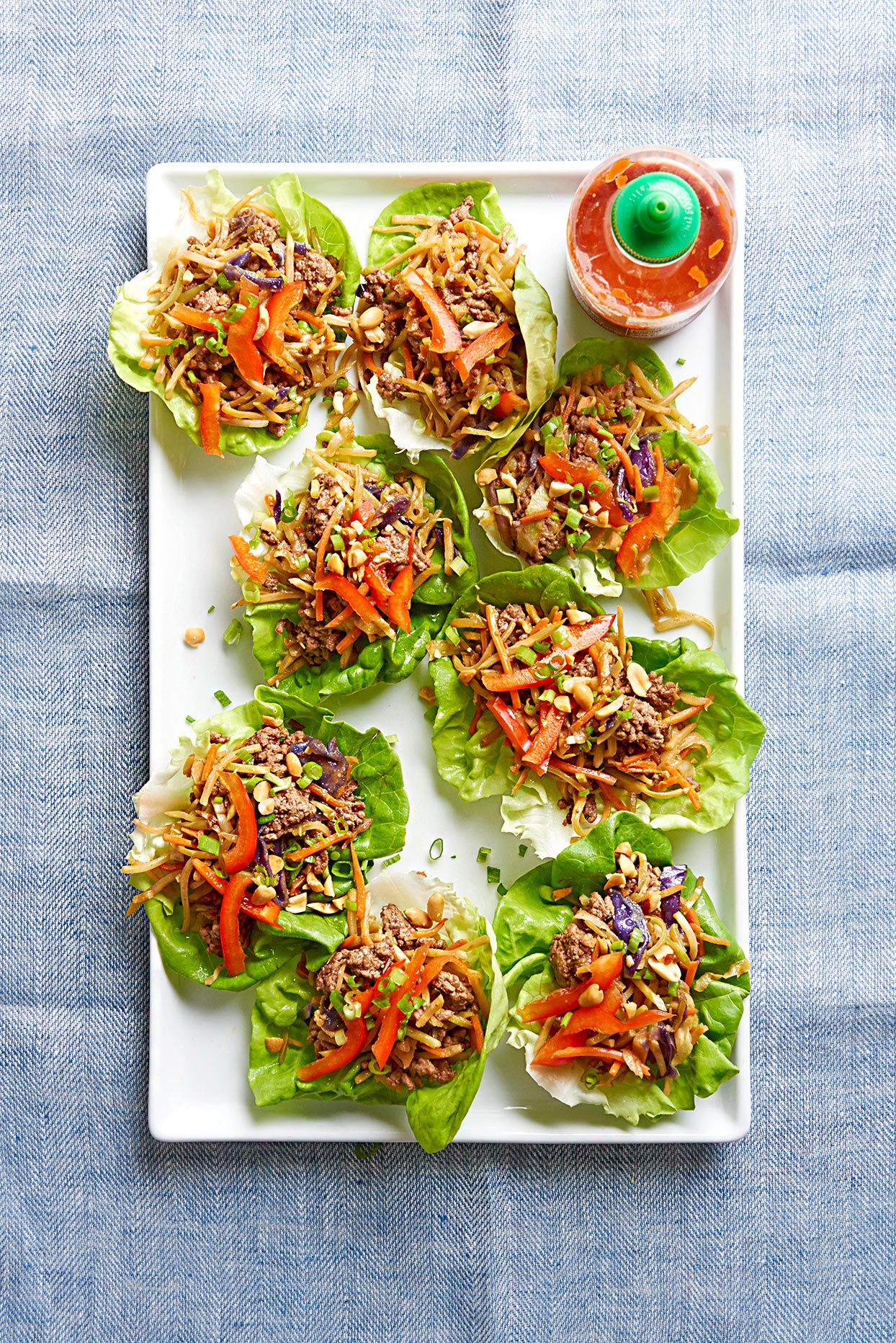
Korean Beef Lettuce Wraps are the kind of dinner that makes everyone at the table suddenly very focused. One minute people are casually chatting, and the next minute they are carefully building tiny lettuce boats like edible architects. A little beef, a little rice, a few crunchy vegetables, a dab of spicy sauce, a sprinkle of sesame seedsthen fold, bite, repeat. That is the magic.
This Korean Beef Lettuce Wraps recipe is fast, flexible, and packed with savory-sweet flavor. It borrows inspiration from Korean bulgogi, ssam-style lettuce wraps, and weeknight-friendly ground beef dinners. The result is a fresh, satisfying meal that tastes like a Korean BBQ night but does not require a tabletop grill, a reservation, or explaining to your smoke alarm that everything is fine.
The beef is seasoned with soy sauce, garlic, ginger, sesame oil, brown sugar, and gochujang for a bold balance of salty, sweet, spicy, and nutty. Crisp lettuce leaves keep everything light and handheld, while toppings like cucumber, carrots, scallions, kimchi, and rice turn each wrap into a customizable bite. It is dinner, appetizer, meal prep, and party food all in one tidy green package.
What Are Korean Beef Lettuce Wraps?
Korean beef lettuce wraps are inspired by ssam, a Korean way of eating that involves wrapping meat, rice, sauce, and vegetables in leafy greens. In Korean BBQ restaurants, you might see grilled bulgogi or galbi wrapped in lettuce with ssamjang, garlic, rice, and banchan. This home version keeps the same spirit but makes it easier for a busy kitchen.
Instead of marinating thin-sliced steak for hours, this recipe uses ground beef for speed and convenience. Ground beef absorbs sauce quickly, cooks in minutes, and makes the wraps easy to assemble. That said, the flavor still leans deeply into Korean-inspired ingredients: garlic, ginger, scallions, toasted sesame oil, gochujang, soy sauce, and rice vinegar.
The final dish is juicy, crisp, slightly spicy, and incredibly fun to eat. It also offers a nice contrast of textures: warm beef, cool lettuce, crunchy vegetables, soft rice, and a sticky sauce that clings to everything like it has career goals.
Why You’ll Love This Korean Beef Lettuce Wraps Recipe
It Is Fast Enough for a Weeknight
From chopping to serving, this recipe takes about 25 minutes. The beef cooks quickly, the sauce comes together in one bowl, and the toppings can be as simple or as fancy as your energy level allows. Some nights you julienne carrots like a food stylist. Other nights you open a bag of shredded slaw and call it character development.
It Has Big Korean-Inspired Flavor
The sauce is the star. Soy sauce brings salt and umami. Brown sugar or honey adds sweetness. Gochujang gives the beef a spicy, fermented depth. Garlic and ginger add sharpness, while toasted sesame oil finishes everything with a warm, nutty aroma. Together, these ingredients create a rich flavor that tastes much more complicated than the cooking process actually is.
It Is Easy to Customize
You can make these wraps mild or spicy, low-carb or rice-filled, extra crunchy or extra saucy. Use butter lettuce for tender cups, romaine for sturdier crunch, or green leaf lettuce for a budget-friendly option. Add kimchi for tang, cucumber for freshness, or crushed peanuts for crunch. There is no single correct wrap, which is wonderful news for anyone who believes dinner should come with options.
Ingredients for Korean Beef Lettuce Wraps
For the Beef Filling
- 1 pound lean ground beef
- 1 tablespoon neutral oil, such as avocado, canola, or vegetable oil
- 3 cloves garlic, minced
- 1 tablespoon fresh ginger, grated
- 3 scallions, thinly sliced, whites and greens separated
- 1/4 cup low-sodium soy sauce
- 1 tablespoon gochujang, plus more to taste
- 1 tablespoon brown sugar or honey
- 1 tablespoon rice vinegar
- 2 teaspoons toasted sesame oil
- 1/2 teaspoon black pepper
- 1 teaspoon toasted sesame seeds
For Serving
- 1 head butter lettuce, Bibb lettuce, romaine hearts, or green leaf lettuce
- 2 cups cooked short-grain white rice or brown rice
- 1 small cucumber, thinly sliced
- 1 carrot, shredded or julienned
- 1/2 cup kimchi, chopped, optional
- Extra gochujang, ssamjang, or spicy mayo
- Lime wedges, optional
- Additional sesame seeds and scallion greens for garnish
Best Lettuce for Korean Beef Lettuce Wraps
The best lettuce depends on your wrap personality. Butter lettuce is soft, flexible, and naturally cup-shaped, making it the most elegant choice. Bibb lettuce is similar and works beautifully for appetizer-style wraps. Romaine hearts are crisp and sturdy, which is helpful if your wrap-building style is “pile it high and hope.” Green leaf lettuce is affordable and easy to find, though the leaves may need trimming.
Whatever type you choose, wash the leaves gently and dry them very well. Wet lettuce makes slippery wraps, and slippery wraps create the kind of dinner drama nobody requested. Use a salad spinner or pat the leaves dry with clean kitchen towels. Keep them chilled until serving so they stay crisp.
How to Make Korean Beef Lettuce Wraps
Step 1: Make the Sauce
In a small bowl, whisk together the soy sauce, gochujang, brown sugar or honey, rice vinegar, sesame oil, and black pepper. Taste the sauce before adding it to the pan. If you want more heat, add another teaspoon of gochujang. If it tastes too strong, add one tablespoon of water to soften the saltiness.
Step 2: Cook the Aromatics
Heat the oil in a large skillet over medium-high heat. Add the white parts of the scallions, garlic, and ginger. Cook for about 30 seconds, just until fragrant. Do not walk away here. Garlic can go from golden to dramatic in the time it takes to check one message.
Step 3: Brown the Beef
Add the ground beef to the skillet. Break it into small pieces with a wooden spoon or spatula. Cook until browned and no longer pink, about 5 to 7 minutes. If there is excess fat in the skillet, carefully drain most of it, leaving a little behind for flavor.
Step 4: Add the Sauce
Pour the sauce over the cooked beef. Stir well so every crumbly, juicy piece gets coated. Let the mixture simmer for 2 to 3 minutes, until the sauce thickens slightly and clings to the beef. The goal is glossy, savory beefnot soup, not dry crumbles, but the happy middle.
Step 5: Finish and Garnish
Turn off the heat and stir in sesame seeds and some of the scallion greens. Taste and adjust. Add a splash of rice vinegar for brightness, a drizzle of sesame oil for richness, or more gochujang for spice.
Step 6: Assemble the Wraps
Place lettuce leaves on a platter. Add a spoonful of rice, a scoop of Korean beef, cucumber, carrot, kimchi, and any sauce you like. Fold the lettuce around the filling and eat right away. A perfect lettuce wrap should be full but still possible to close. If it requires structural engineering, you may have created a salad taco skyscraper. Respectable, but risky.
Recipe Card: Korean Beef Lettuce Wraps
Prep Time
15 minutes
Cook Time
10 minutes
Total Time
25 minutes
Servings
4 servings
Ingredients
- 1 pound lean ground beef
- 1 tablespoon neutral oil
- 3 garlic cloves, minced
- 1 tablespoon grated fresh ginger
- 3 scallions, sliced
- 1/4 cup low-sodium soy sauce
- 1 tablespoon gochujang
- 1 tablespoon brown sugar or honey
- 1 tablespoon rice vinegar
- 2 teaspoons toasted sesame oil
- 1/2 teaspoon black pepper
- 1 teaspoon sesame seeds
- Lettuce leaves, rice, cucumber, carrot, kimchi, and sauces for serving
Instructions
- Whisk soy sauce, gochujang, brown sugar, rice vinegar, sesame oil, and black pepper in a bowl.
- Heat oil in a skillet over medium-high heat. Add garlic, ginger, and scallion whites. Cook for 30 seconds.
- Add ground beef and cook until browned, breaking it into small pieces.
- Drain excess fat if needed, then stir in the sauce.
- Simmer for 2 to 3 minutes, until glossy and slightly thickened.
- Finish with sesame seeds and scallion greens.
- Spoon beef into lettuce leaves with rice, vegetables, kimchi, and sauce. Serve immediately.
Food Safety Tip for Ground Beef
For safety, ground beef should be cooked to an internal temperature of 160°F. A food thermometer is the most reliable way to check doneness because color alone is not always accurate. This is especially important when cooking quickly over high heat, where sauce and browning can make the beef look finished before it has reached the proper temperature.
Flavor Variations
Bulgogi-Style Steak Lettuce Wraps
If you prefer sliced beef, use ribeye, sirloin, flank steak, or skirt steak sliced very thinly. Marinate it for at least 30 minutes in soy sauce, garlic, ginger, sesame oil, brown sugar, grated pear or apple, and a little gochujang. Cook quickly in a hot skillet so the edges caramelize. This version feels closer to restaurant-style Korean BBQ and is excellent for entertaining.
Low-Carb Korean Beef Lettuce Wraps
Skip the rice and add extra vegetables, such as shredded cabbage, cucumber, radish, carrots, and bell peppers. You can also spoon the beef over cauliflower rice before wrapping it in lettuce. The result is still satisfying because the sauce brings plenty of depth.
Spicy Korean Beef Lettuce Wraps
Double the gochujang, add crushed red pepper flakes, or drizzle the finished wraps with chili crisp. For a creamy spicy sauce, mix mayonnaise, gochujang, lime juice, and a tiny bit of honey. This sauce is dangerously good, in the way that makes people start dipping random refrigerator items into it later.
Family-Friendly Mild Version
Reduce the gochujang to one teaspoon and add an extra teaspoon of brown sugar. Serve extra gochujang or ssamjang on the side for people who want heat. This keeps the beef flavorful without making anyone reach for emergency milk.
Best Toppings for Korean Beef Lettuce Wraps
The toppings are where this recipe turns from “nice dinner” into “why don’t we make this every week?” Here are some of the best options:
- Cucumber: cool, crisp, and refreshing against the rich beef.
- Carrots: sweet crunch and bright color.
- Kimchi: tangy, spicy, fermented flavor that cuts through the richness.
- Scallions: fresh onion flavor without overpowering the wrap.
- Sesame seeds: nutty flavor and a finished look.
- Pickled radish: sharp, sweet, and crunchy.
- Ssamjang: a savory Korean dipping sauce that makes the wraps taste fuller and more traditional.
- Rice: soft, comforting, and great for soaking up the sauce.
What to Serve With Korean Beef Lettuce Wraps
These wraps can stand alone as a light meal, but they are even better with a few sides. Serve them with steamed rice, kimchi, cucumber salad, quick pickled vegetables, miso soup, Korean-style spinach, or roasted broccoli. For a party, set up a wrap bar with lettuce leaves, beef, rice, sauces, and toppings in separate bowls. Guests can build their own wraps, which means less plating for you and more pretending you are hosting a very casual Korean BBQ tasting menu.
Make-Ahead and Storage Tips
The beef filling is excellent for meal prep. Cook it completely, cool it, and store it in an airtight container in the refrigerator for up to 3 to 4 days. Reheat in a skillet or microwave until hot. If the beef seems dry after refrigeration, add a splash of water or soy sauce while reheating.
Store lettuce and toppings separately. Lettuce should be washed, dried, and wrapped in paper towels inside a container or zip-top bag. Do not assemble the wraps until just before eating, unless you enjoy lettuce that has given up on its dreams.
You can also freeze the cooked beef filling for up to 2 months. Thaw overnight in the refrigerator, then reheat and serve with fresh lettuce and toppings.
Common Mistakes to Avoid
Using Wet Lettuce
Wet lettuce makes the wraps hard to hold and dilutes the flavor. Dry the leaves thoroughly before serving.
Overloading the Wraps
It is tempting to add everything, especially when the toppings look beautiful. But too much filling makes the lettuce tear. Start small. You can always eat three wraps. In fact, you probably will.
Skipping the Acid
Rice vinegar, kimchi, or lime juice adds brightness. Without acidity, the beef can taste heavy. A small splash makes the whole dish feel fresher.
Adding Sesame Oil Too Early
Toasted sesame oil has a delicate aroma. Add it in the sauce or near the end of cooking rather than frying it hard for a long time. This keeps the flavor nutty instead of flat.
Experience Notes: What Cooking Korean Beef Lettuce Wraps Teaches You
After making Korean Beef Lettuce Wraps a few times, you start to realize this recipe is less about strict rules and more about rhythm. The first time, you may carefully measure every spoonful of soy sauce, gochujang, and sesame oil. By the third time, you are tasting, adjusting, and saying things like, “It needs a little more brightness,” which is exactly the kind of sentence that makes you sound like you own special knives.
The biggest lesson is balance. The beef should be savory, but not painfully salty. It should be a little sweet, but not candy-like. It should have heat, but not so much that the lettuce becomes a decorative fire blanket. Gochujang is powerful, so start modestly if you are new to it. You can always add more sauce at the table, but you cannot politely remove spice from someone’s mouth once dinner has gone volcanic.
Another experience-based tip: prepare your toppings before the beef hits the skillet. This recipe moves quickly. Once the garlic and ginger start sizzling, dinner is basically on a countdown. If the cucumber is not sliced and the lettuce is still wet in the sink, you will end up juggling hot beef, a cutting board, and mild regret. Set out the lettuce leaves, rice, vegetables, sauces, and garnishes first. Then cook the beef. Your future self will nod approvingly.
Texture matters more than people think. Warm beef needs cool crunch. That is why cucumber, carrot, radish, and lettuce are not just pretty toppings; they are part of the eating experience. Without them, the wrap becomes soft on soft on soft, which is less exciting. With them, every bite has contrast: juicy beef, crisp lettuce, chewy rice, sharp kimchi, and nutty sesame. It is like a tiny flavor committee meeting, and everyone actually contributes.
The lettuce choice also changes the mood of the meal. Butter lettuce feels soft and fancy, perfect for dinner guests or appetizer platters. Romaine is more rugged and crunchy, good for people who treat wraps like loaded tacos. Green leaf lettuce is flexible and practical, especially when feeding a family. If the leaves are huge, tear them into smaller pieces. Smaller wraps are easier to eat and, conveniently, make it feel completely reasonable to go back for more.
For meal prep, the beef filling is the hero. A container of Korean-style beef in the fridge can become lettuce wraps on Monday, rice bowls on Tuesday, noodles on Wednesday, and an impressive “I just threw this together” lunch on Thursday. The trick is to keep the fresh ingredients separate. Warm beef plus stored lettuce equals sadness. Warm beef plus freshly washed lettuce equals lunch that looks like you tried harder than you did.
Finally, Korean Beef Lettuce Wraps are great for shared meals because they invite everyone to participate. Some people add extra kimchi. Some go heavy on rice. Someone will make one wrap so full it collapses immediately, and that person is usually the happiest. This recipe works because it is delicious, but it also works because it turns dinner into an activity. It is casual, colorful, and just messy enough to be fun.
Conclusion
Korean Beef Lettuce Wraps are everything a great weeknight recipe should be: fast, flavorful, flexible, and fun to eat. The seasoned beef delivers a savory-sweet punch, the lettuce keeps things fresh, and the toppings let every person at the table build their perfect bite. Whether you serve them as a light dinner, party appetizer, meal-prep filling, or Korean BBQ-inspired family meal, these wraps are easy to love and even easier to repeat.
The best part is that the recipe does not demand perfection. Use ground beef for speed, sliced steak for a more classic bulgogi feel, butter lettuce for elegance, or romaine for crunch. Add rice, skip rice, pile on kimchi, drizzle spicy mayo, or keep things mild. Once you understand the balance of salty, sweet, spicy, nutty, and fresh, you can make this dish your own.