The kitchen is where good intentions go to battle banana peels. One minute you are chopping vegetables like a health-conscious adult; the next, your trash can smells like a swamp with opinions. That is exactly the problem the NatureMill Composter tried to solve: turning everyday kitchen scraps into useful compost without requiring a backyard pile, a pitchfork, or the emotional strength to face yesterday’s onion skins.
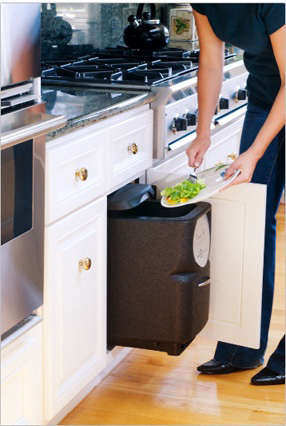
NatureMill became known as an automatic kitchen composter designed for indoor use, small homes, apartments, garages, and anyone who wanted composting to feel less like a wilderness survival course. Unlike simple countertop scrap bins, the NatureMill used a powered system with mixing, heat, airflow, moisture control, and a carbon filter to support faster aerobic decomposition. In plain English: it tried to do the compost pile’s job inside a neat appliance-sized box.
Today, the NatureMill Composter is more of a legacy product than a shiny new gadget on every store shelf. Some models are described as discontinued or out of production, so many people searching for one are likely comparing used units, archived reviews, replacement parts, or modern alternatives. Still, the concept remains fascinating because it sits between traditional composting and today’s electric food recyclers. And unlike many newer machines that simply dry and grind scraps, NatureMill was designed around actual biological composting.
What Is the NatureMill Composter?
The NatureMill Composter is an indoor automatic composter created to process food scraps in a sealed, appliance-style unit. Depending on the model, it was marketed for kitchens, apartments, offices, small restaurants, garages, and outdoor sheltered areas. It looked less like a compost bin and more like a compact kitchen appliance that had gone to environmental science camp and come back with a mission.
Its core promise was simple: add food waste, let the machine mix and aerate it, then remove finished compost from a lower tray every couple of weeks. Some product listings described the system as capable of handling a surprising range of scraps, including vegetables, coffee grounds, grains, eggshells, and in certain models, even meat, fish, and dairy. That last part is where NatureMill stood apart from many backyard composting guides, which usually warn beginners to avoid animal-based scraps because they can create odor and attract pests in ordinary outdoor piles.
The appliance used a two-chamber design. Fresh waste went into the upper mixing chamber, where heat, airflow, and mechanical turning helped create hot composting conditions. Later, partially processed material moved into a lower cure tray, where it continued breaking down until it was ready to remove. A red light or indicator helped signal when it was time to empty the lower chamber.
How the NatureMill Composter Works
The NatureMill system was built around five composting basics: microbes, oxygen, moisture, temperature, and the right balance of “greens” and “browns.” Traditional composters manage those ingredients with turning, watering, layering, and patience. NatureMill tried to automate much of that work.
1. Food Scraps Go Into the Upper Chamber
Users added kitchen scraps through the top opening. Smaller pieces compost faster, so cutting large scraps into smaller chunks helped the machine work more smoothly. That means watermelon rinds, corn pieces, and tough stems should not be tossed in like you are feeding a wood chipper with a college degree. A little prep goes a long way.
2. Mixing and Aeration Keep the Process Active
The machine mixed the contents automatically. Aerobic composting needs oxygen, and without it, food waste can become sour, wet, and smelly. The NatureMill’s fan and air pump helped keep oxygen moving through the material while a mixing bar turned the scraps. That regular movement helped prevent the compact, soggy mess that makes compost bins smell like regret.
3. Heat Supports Faster Decomposition
NatureMill used controlled heat to encourage microbial activity. Hot composting can break down organic material faster than a cold pile, especially when the mix has enough nitrogen, carbon, air, and moisture. The system was described as reaching internal temperatures high enough to support the composting process and reduce odors when used correctly.
4. Sawdust and Baking Soda Help Balance the Mix
One of the most important NatureMill habits was adding sawdust pellets and baking soda. Food scraps are usually nitrogen-rich and wet. Sawdust adds carbon and structure, while baking soda helps manage acidity. Without enough carbon-rich material, even an automatic composter can turn into a tiny indoor bog. NatureMill’s manual-style instructions often emphasized adding sawdust in proportion to food waste, especially during startup and heavy use.
5. Finished Material Moves to the Cure Tray
Once the upper chamber had processed the scraps, compost moved to the lower tray for curing. Curing matters because fresh compost can still be biologically active. Letting it mellow before using it in containers or garden beds makes it more plant-friendly. Think of it like letting soup simmer. Technically, you could rush it, but the results improve when you respect the process.
Why Kitchen Composting Matters
Kitchen composting is not just a cute eco-hobby for people who name their basil plants. Food waste is a major part of what households throw away. When organic material goes to landfills, it decomposes without enough oxygen and produces methane, a powerful greenhouse gas. Composting keeps nutrients and carbon cycling back into soil instead of sealing them inside a landfill where they become an environmental problem with a garbage-truck soundtrack.
Compost also improves soil structure, helps soil hold water, supports beneficial organisms, and can reduce the need for synthetic fertilizers. For gardeners, container growers, and houseplant enthusiasts, compost is basically slow-release plant encouragement. It is not magic, but it does make soil behave more like soil and less like dusty disappointment.
NatureMill Composter Pros
Convenient for Apartments and Small Homes
The biggest advantage of the NatureMill Composter was convenience. Not everyone has a yard, and not every yard has space for a traditional pile. NatureMill made composting possible in kitchens, garages, laundry rooms, balconies, or sheltered outdoor areas. For apartment dwellers, that was a big deal.
More Automated Than a Traditional Compost Bin
Traditional composting can require turning, layering, moisture checks, and seasonal patience. NatureMill automated mixing and airflow, making the process more approachable. It did not remove every responsibility, but it lowered the “composting homework” level dramatically.
Odor Control When Used Correctly
The sealed design, carbon filter, airflow system, sawdust, and baking soda all worked together to reduce odor. That does not mean the unit was magically smell-proof under every condition. Composting is biology, and biology occasionally likes to remind us who is boss. But when balanced correctly, NatureMill was designed to produce a mild earthy, mushroom-like, or sourdough-style smell rather than full trash-can thunder.
Useful Compost for Gardens and Containers
The finished material could be used as a soil amendment for lawns, garden beds, shrubs, fruit trees, and potted plants. It was especially appealing for people who wanted a closed-loop kitchen routine: cook food, collect scraps, make compost, feed plants, harvest herbs, repeat smugly but quietly.
NatureMill Composter Cons
It May Be Hard to Find
The biggest downside today is availability. NatureMill models are often described as discontinued or out of production, so buyers may need to look at secondhand marketplaces, archived product listings, or related rebranded units. That means warranty support, replacement parts, and accurate current pricing may be limited.
It Still Requires Balance
The machine was automatic, not psychic. Users still had to add sawdust, avoid problem materials, manage moisture, and cut large scraps. Too much wet food waste could cause sour odors. Too much dry carbon could slow decomposition. Composting is a recipe, and NatureMill was the mixernot the chef.
Noise Can Be Noticeable
Because the unit used a motor, mixing bar, fan, and air pump, some sound was expected. Reviews and user experiences often described whirring, snapping, or crunching noises during mixing. If your kitchen is also your study space, meditation corner, or sacred late-night cereal temple, the garage might be a better location.
Not Every Scrap Belongs Inside
Even though some NatureMill models accepted more materials than a backyard pile, users still needed to avoid plastics, metals, glass, chemicals, soaps, medicines, large bones, fibrous shells, diapers, human waste, and other unsafe or non-compostable materials. If it sounds like something you would not want in a tomato bed, do not put it in the machine and hope microbes have a law degree.
NatureMill vs. Modern Electric Food Recyclers
Modern electric kitchen composters are popular, but many are better described as food recyclers. They dry and grind scraps into a smaller, lighter material that may still need further composting before it becomes finished compost. That can be useful for reducing odor and storage volume, but it is not the same as mature compost.
NatureMill’s design was different because it encouraged microbial decomposition with oxygen, moisture, heat, and curing. In other words, it was closer to an indoor in-vessel composter than a dehydrator. That distinction matters for gardeners. Dried food grounds may need to be mixed into soil carefully or added to a compost pile, while properly cured compost is generally more stable and soil-ready.
Best Practices for Using a NatureMill Composter
Start It Properly
NatureMill startup instructions often recommended adding natural soil, sawdust pellets, baking soda, and food scraps, then letting the unit run without interruption for about a week. This helped establish compost cultures. The first week is not the time to experiment with a mountain of leftovers from taco night. Be patient and let the microbial workforce clock in.
Chop Large Scraps
Smaller pieces break down faster and reduce strain on the mixing mechanism. Fruit peels, vegetable ends, bread pieces, and soft leftovers are easier to process when cut down. Hard pits, corn cobs, tough stems, and fibrous shells should be avoided or handled with caution according to model instructions.
Add Carbon Regularly
Kitchen scraps are usually “green” materials, meaning they are rich in nitrogen and moisture. Sawdust, dry leaves, straw, shredded paper, or untreated wood shavings can provide carbon. NatureMill’s system leaned heavily on sawdust pellets because they are clean, compact, and easy to dose.
Watch Moisture and Smell
Healthy compost should smell earthy, not rotten. If the contents smell sour, swampy, or sharp, the mix may be too wet, too acidic, or not active enough. Adding sawdust and baking soda, reducing wet scraps, and checking that the mixer and airflow are working can help restore balance.
Let Compost Cure Before Heavy Use
Even if the lower tray looks ready, a short curing period can improve quality. For delicate houseplants or seedlings, mix compost lightly into potting soil instead of piling it directly around stems. Compost is rich, and plantslike peoplecan be overwhelmed by too much enthusiasm.
Who Should Consider a NatureMill Composter?
A NatureMill Composter makes the most sense for someone who wants indoor composting but does not want worms, outdoor piles, or curbside food-waste pickup. It is especially appealing for apartment gardeners, small households, serious cooks, and people who generate regular vegetable scraps, coffee grounds, eggshells, and leftovers.
It may not be ideal for someone who wants a silent appliance, zero maintenance, brand-new warranty support, or a machine that accepts every possible scrap without judgment. If you already have a backyard compost pile, a tumbler, or municipal compost service, NatureMill may be more convenience than necessity.
Kitchen Experience: Living With a NatureMill-Style Composter
Using a kitchen composter changes the way you cook. The first change is awareness. Suddenly, carrot peels, coffee grounds, apple cores, wilted lettuce, and stale bread stop looking like trash. They start looking like future soil. This is either inspiring or alarming, depending on how emotionally attached you are to your garbage can.
In daily use, the best routine is to keep a small prep bowl beside the cutting board. While cooking, scraps go into the bowl instead of the trash. At the end of the meal, soft scraps go into the composter, and anything questionable gets filtered out. This prevents accidental additions like produce stickers, twist ties, plastic wrap, and that one spoon that somehow tries to join every kitchen disaster.
The most pleasant surprise is how much less trash the kitchen produces. Food scraps are heavy, wet, and odor-prone. Removing them from the trash can makes the whole kitchen feel cleaner. Trash bags fill more slowly, smells are reduced, and taking out the garbage becomes less of a heroic act.
The learning curve usually appears around week two. That is when users discover that composting is not only about adding scraps; it is about balance. Too many fruit peels can make the mix wet and acidic. Too much cooked food can create odor. Too little sawdust can leave the chamber dense and sticky. The fix is not complicated: add carbon, cut pieces smaller, avoid overloads, and let the machine catch up.
Noise is another real-world factor. A NatureMill-style unit may hum quietly most of the time, then wake up for a mixing cycle like it remembered an urgent appointment. The sound is not usually dramatic, but in a silent kitchen it can be noticeable. People sensitive to noise may prefer placing the unit in a pantry, mudroom, laundry area, basement, or garage.
Emptying the lower tray is the moment when the whole system feels worth it. Instead of a bag of slimy scraps, you get a dark, crumbly material that smells more like earth than waste. It is not glamorousno one should wear formalwear to empty compostbut it is satisfying. The kitchen has produced something useful instead of simply sending another bag to the curb.
For container gardeners, the compost is best used modestly. Mix a small amount into potting soil, top-dress established plants, or add it to outdoor beds. Do not bury fresh, strong compost directly against tender roots. Compost is a supplement, not a soil replacement. Plants enjoy nutrients, but they do not need a buffet with fireworks.
The biggest lesson from living with a kitchen composter is that convenience creates consistency. People often like the idea of composting but quit because the process is messy, far away, smelly, or confusing. A machine like NatureMill reduces friction. It keeps the composting habit close to where waste happens: the kitchen. That proximity is powerful. When the right choice is also the easy choice, even banana peels behave better.
Final Verdict: Is the NatureMill Composter Still Worth Talking About?
Yes, absolutely. The NatureMill Composter remains worth discussing because it tackled a problem that still matters: how to compost food waste when you do not have the space, time, or desire for a traditional pile. It was not perfect. It required balance, maintenance, electricity, and realistic expectations. But its design was thoughtful, and its focus on actual composting makes it stand out in a market now crowded with machines that mostly dry and grind food scraps.
For today’s buyer, the main caution is availability. If you find a used NatureMill, check the condition carefully, confirm that the motor, mixer, fan, heater, filter, tray, and seals work, and make sure you can manage replacement supplies. If you simply want to reduce food waste, also compare worm composting, bokashi, curbside organics pickup, outdoor tumblers, and modern food recyclers.
In the end, the best kitchen composting system is the one you will actually use. NatureMill’s great achievement was making composting feel less like a chore and more like a household rhythm. Scraps go in, compost comes out, plants get fed, and the trash can loses some of its villain energy. That is a pretty good kitchen story.
Note: NatureMill models may be discontinued or difficult to find new. This article is written for educational, review, and comparison purposes. Always check current availability, safety instructions, and local composting guidelines before buying or using any indoor composter.