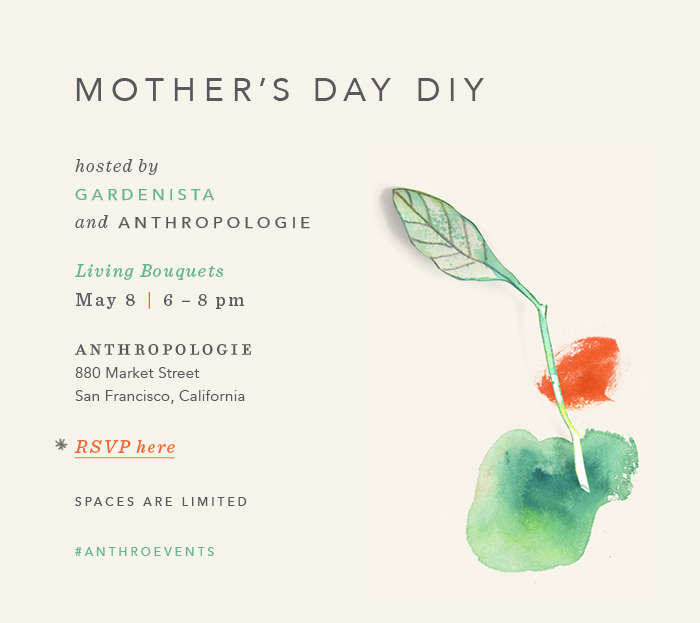
Summary: A Gardenista-inspired DIY workshop at Anthropologie is the kind of event that makes plant people, design lovers, and “I can barely keep basil alive” beginners gather around one table with tiny succulents, good-looking pots, and the dangerous belief that they may now be professional garden stylists.
Why a Gardenista DIY Workshop at Anthropologie Still Feels So Fresh
Some collaborations simply make sense. Peanut butter and jelly. Coffee and Monday survival. Gardenista and Anthropologie. One brings the refined, editor-approved world of cultivated outdoor living; the other brings the dreamy retail atmosphere where a ceramic planter can somehow make you rethink your entire personality. Put them together, and you get a DIY workshop that feels equal parts garden class, design salon, and tiny plant adoption fair.
The original Gardenista workshop at Anthropologie centered on a simple but charming project: a small tabletop succulent garden. Guests gathered at Anthropologie’s downtown San Francisco store to create living arrangements using small ceramic pots, gravel, potting soil, and four to six assorted succulents. The result was not a fussy botanical masterpiece requiring a Latin dictionary and a greenhouse. It was approachable, stylish, compact, and giftablebasically the plant version of showing up to brunch in linen and looking effortlessly well-rested.
That is exactly why the idea still works beautifully today. People want home decor that feels personal, not mass-produced. They want activities that do not involve scrolling until their thumbs stage a union. They want a little nature indoors, especially if that nature fits on a windowsill and does not demand emotional labor every morning. A Gardenista DIY workshop at Anthropologie delivers all of that in one neat, soil-dusted package.
What Makes the Gardenista and Anthropologie Pairing So Appealing?
Gardenista has built its reputation around stylish outdoor spaces, plant primers, garden tours, and practical design ideas for people who love nature but also appreciate a well-placed object. Anthropologie, meanwhile, is known as a full-lifestyle destination with clothing, accessories, home decor, garden, furniture, beauty, and bridal offerings. Its stores are intentionally immersive, which is a polite way of saying you may walk in for a candle and leave convinced you need a hand-painted cabinet, embroidered napkins, and a mysterious vase shaped like a pear.
A DIY workshop connects those two worlds naturally. Gardenista brings the knowledge: how to choose plants, how to arrange them, how to keep them alive after the Instagram photo has been taken. Anthropologie brings the setting: warm lighting, textured displays, beautiful vessels, and enough visual inspiration to make even gravel look curated. Together, they turn a simple succulent project into a small design experience.
The Workshop Formula: Simple Materials, Big Visual Payoff
The genius of the original tabletop garden project was its low barrier to entry. Participants did not need a backyard, a balcony, or a watering can inherited from an elegant grandmother. They needed a small pot, a few tiny succulents, some gravel, soil, and a spoon. Yes, a spoon. Gardening is glamorous, but sometimes it also borrows from the cutlery drawer.
The design concept was to pack several small succulents together so they resembled a living bouquet. That phrase matters. A succulent arrangement becomes more than “plants in dirt” when you think about color, shape, height, texture, and spacing. A rosette-shaped echeveria can sit beside a trailing sedum. A blue-green succulent can soften a burgundy one. A tight-growing plant can balance a looser, more dramatic variety. Suddenly, you are not just planting. You are composing.
How to Create a Gardenista-Inspired Tabletop Succulent Garden
If you missed the original event, do not panic dramatically into your potting soil. The project is easy to recreate at home, for a party, or as a small weekend workshop with friends. The goal is a compact DIY succulent garden that looks polished but does not require advanced gardening experience.
Materials You Will Need
- A small ceramic pot or shallow planter
- Four to six small succulents in assorted shapes and colors
- Fast-draining cactus or succulent potting mix
- Gravel, pebbles, or decorative top dressing
- A teaspoon or small trowel
- Optional: horticultural charcoal for containers without drainage holes
- Optional: a soft brush for cleaning soil from leaves
For best results, choose a container with a drainage hole. Succulents store water in their fleshy leaves and stems, which means they are wonderfully forgivinguntil someone loves them too aggressively with a watering can. Too much water can cause root rot, yellowing leaves, and general plant sadness. A pot with drainage helps prevent the soil from staying soggy.
Step 1: Choose Succulents That Like the Same Conditions
One of the easiest mistakes in a DIY plant arrangement is choosing plants based only on looks. That is understandable. We have all been fooled by a pretty leaf. But a healthy tabletop garden works best when all the plants prefer similar light, soil, and watering conditions. For a succulent bowl, choose sun-loving, drought-tolerant varieties that enjoy bright light and fast-draining soil.
Good candidates include echeveria, haworthia, sedum, graptoveria, crassula, and small kalanchoe varieties. Avoid mixing succulents with moisture-loving tropical plants in the same container. That pairing is the horticultural equivalent of putting a desert camel and a rainforest frog in charge of agreeing on a thermostat.
Step 2: Test the Arrangement Before Planting
Before adding soil, remove the succulents from their nursery pots and hold them together loosely in your hands. This gives you a preview of the final arrangement. Notice which plants look best together. Put taller pieces toward the back or center, depending on how the container will be viewed. Let trailing pieces soften the edge. Mix round shapes with spiky shapes and pale tones with deeper ones.
This is the fun part. Move things around. Pretend you are a floral designer. Say “composition” once or twice. Nobody has to know you are mostly deciding based on vibes.
Step 3: Add Soil and Plant Firmly
Fill the container with a well-draining succulent mix. If the pot has a drainage hole, you can keep the setup simple. If the container has no drainage, be extra careful with watering and consider using a modest bottom layer of drainage material and charcoal. However, remember that a drainage layer is not magic. It does not remove excess water; it only gives it somewhere to sit. The real secret is restraint.
Place each succulent so the top of the root ball sits near the rim of the pot. Add soil around the roots with a spoon, then press gently around the base of each plant so it feels secure. Do not bury the leaves. Succulents are tough, but they do not appreciate being tucked into soil like tiny botanical burritos.
Step 4: Finish With Decorative Gravel
A thin layer of gravel or small stones on top gives the arrangement a finished, professional look. It also helps keep soil from splashing onto the leaves when watering. Choose a top dressing that complements the pot: pale gravel for a clean modern style, darker stones for contrast, or warm-toned pebbles for a desert-inspired look.
Succulent Care After the Workshop
The best DIY workshop is not just about leaving with a pretty object. It is about leaving with confidence. A tabletop succulent garden can last for months or longer if you understand the basics: bright light, dry soil between waterings, and a container that does not trap moisture like a tiny swamp with branding.
Give It Bright Light
Most succulents need bright light to keep their compact shape and vivid color. A sunny windowsill is ideal, especially one with several hours of direct or strong indirect light. If a succulent stretches, leans, or becomes pale, it may be asking for more light in the most dramatic plant way possible.
Water Deeply, Then Wait
Do not mist succulents as their main watering method. They are not spa clients. Water the soil directly and thoroughly, then let it dry completely before watering again. In a pot with drainage, water should flow out the bottom. In a container without drainage, use much less water and check the soil carefully before adding more.
Water needs change with the season. During brighter spring and summer months, succulents may need water more often. During fall and winter, when growth slows and light levels drop, they usually need less. When in doubt, wait a few days. Succulents are much more likely to forgive a dry spell than a flood.
Do Not Overcrowd Forever
A tightly packed arrangement looks lovely at first. Over time, however, the plants may grow and compete for space. If the garden starts looking cramped, remove one or two plants and pot them separately. Congratulations: you now have bonus plants, which is how many innocent people become plant collectors.
Why This DIY Workshop Works as a Gift Idea
A handmade succulent garden makes a thoughtful gift because it feels personal without being overly complicated. It works for Mother’s Day, birthdays, housewarmings, teacher gifts, hostess gifts, or that friend who says “I don’t need anything” but absolutely deserves something better than a last-minute candle from the checkout line.
The project also has emotional staying power. Cut flowers are beautiful, but they fade quickly. A tabletop succulent garden keeps growing, slowly and quietly, reminding the recipient of the person who made it. It is a living bouquet with a longer attention span.
Make It More Personal
To customize the arrangement, choose a pot that matches the recipient’s style. A matte ceramic planter feels modern and calm. A patterned pot adds Anthropologie-style charm. A simple terra-cotta bowl gives the garden a warm, earthy look. You can also add a handwritten care card with basic instructions: bright light, water when dry, do not drown with affection.
Hosting Your Own Gardenista-Style DIY Workshop
You do not need a retail store or a professional event team to recreate the spirit of this workshop. A kitchen table, patio table, school craft room, or office conference table can become a mini garden studio with the right setup.
Prepare the Space
Cover the table with kraft paper or newspaper. Set out bowls of soil, gravel, and decorative stones. Arrange succulents by size and color so participants can “shop” for their plants. Provide spoons, gloves, brushes, and small cards for labeling plant varieties. Keep paper towels nearby unless you enjoy discovering soil in mysterious places three days later.
Keep the Lesson Short and Useful
A good DIY workshop should not feel like a lecture trapped inside a craft project. Start with a quick explanation of succulent care, show one example arrangement, then let people create. Offer help as they go. Some participants will confidently design like landscape architects. Others will stare at three plants for seven minutes as if choosing a college major. Both approaches are valid.
Encourage Individual Style
The best part of a tabletop garden workshop is that every arrangement looks different. One person may create a neat, symmetrical design. Another may build a tiny desert jungle. Someone else may use one dramatic plant and lots of negative space, then explain that it is “minimalist.” Smile and support them. Minimalism is very handy when you run out of succulents.
Design Lessons Hidden in a Tiny Pot
A small succulent garden teaches design principles in a surprisingly approachable way. Scale matters because the plants must fit the pot. Texture matters because smooth leaves, spiky forms, and trailing stems create contrast. Color matters because green is not just green; it can be blue-green, lime, dusty gray, deep burgundy, or silvery sage. Balance matters because one heavy-looking rosette can visually anchor the whole arrangement.
This is why the project fits so well with the Gardenista and Anthropologie aesthetic. It is not only about growing plants. It is about styling with nature. A tabletop garden can soften a desk, brighten a bedside table, decorate a kitchen windowsill, or add life to a coffee table without requiring a full-scale home makeover. It is small-space gardening for people who want beauty, calm, and maybe a little bragging rights.
The Human Side of DIY
Hands-on workshops also offer something that online tutorials cannot fully replace: shared energy. People compare plants, laugh about their lack of gardening experience, ask questions, and learn by watching each other. There is a small thrill in realizing that a complete stranger also does not know how much soil is too much soil. Community blooms in the gaps between instructions.
Gardening and plant care are often associated with stress relief, mindfulness, and a sense of accomplishment. Even a tiny indoor planting project can provide a welcome pause from screens and schedules. You focus on roots, soil, shape, and touch. For a few minutes, the world becomes small enough to fit in a ceramic pot. Honestly, the world could use more ceramic-pot-sized problems.
500-Word Experience Section: What It Feels Like to Join a Gardenista DIY Workshop at Anthropologie
Imagine walking into Anthropologie in the early evening, when the store lighting is soft, the displays look like a set designer had a very good dream, and somewhere nearby there is probably a candle doing the emotional work of an entire spa. Instead of browsing quietly, you are guided toward a table covered with small pots, succulents, gravel, soil, and tools. The scene feels inviting rather than intimidating. Nobody is wearing a lab coat. Nobody is judging your previous crimes against basil.
The first thing you notice is how small the succulents are. They look almost unreal, like tiny sculptures with roots. Some have round, padded leaves arranged in perfect rosettes. Some look spiky and architectural. Some trail over the edge of their nursery pots like they are already planning a dramatic exit. Choosing them becomes unexpectedly fun. You start with practical intentions“I’ll pick three that match”and within minutes you are holding six because each one has “personality.” This is how they get you.
The workshop leader explains the project in a calm, simple way: choose a container, test the plant arrangement, add soil, place the succulents, fill gaps, and finish with gravel. The instructions are clear enough for beginners, but there is still room for creativity. You are not copying a strict pattern. You are making a miniature landscape. Someone near you creates a tidy garden with balanced symmetry. Another person makes a wild little desert scene. You look at your own pot and decide it has “organic movement,” which is a fancy phrase for “slightly crooked but charming.”
The best part is the pace. A succulent garden can technically be assembled in about 15 minutes, but nobody wants to rush. People linger over plant placement. They ask whether the purple one should go beside the pale green one. They brush soil from leaves. They rotate the pot. They add one more pebble, then remove it, then add it again. The process becomes relaxing because it is tactile and focused. Your hands are busy, your mind slows down, and your phone stays blissfully ignored unless you are taking a photo of your new plant child.
There is also a small social magic to the workshop. Strangers begin talking because plants make easy conversation starters. Someone admits they have killed every houseplant they have owned. Someone else shares a windowsill tip. A mother and daughter compare arrangements. A friend group laughs because one pot looks professional and another looks like a succulent traffic jam. The atmosphere is light, creative, and forgiving.
When you leave, you carry more than a finished tabletop garden. You carry a little confidence. You understand why drainage matters, why succulents need bright light, and why overwatering is the fastest route to plant heartbreak. You also have a decorative piece that feels personal because you made it with your own hands. That is the charm of a Gardenista DIY workshop at Anthropologie: it turns a simple container of succulents into an experience, a lesson, a gift, and a tiny reminder that beauty does not always need to be complicated. Sometimes it just needs good soil, decent light, and someone brave enough to use a teaspoon as a gardening tool.
Conclusion: A Small Garden With Big Charm
Joining a Gardenista DIY workshop at Anthropologie is about more than planting succulents in a pretty pot. It is about learning how design and nature can work together on a small, manageable scale. It is about discovering that a tabletop garden can be elegant, personal, beginner-friendly, and surprisingly relaxing. It is also about realizing that you do not need a sprawling backyard to bring a little green beauty into your life.
The original Gardenista and Anthropologie workshop worked because it respected both style and simplicity. The materials were easy to find. The steps were approachable. The finished project looked polished without being precious. Whether you recreate the workshop at home, host a plant night with friends, or simply make one succulent garden as a gift, the idea remains wonderfully useful: start small, choose well, and let nature do some of the decorating.