Few tiny phrases can crash into a room quite like “shut up.” It is only two words, six letters if you ignore the space, and yet it can make a dinner table go silent, a classroom gasp, or a sibling argument instantly level up from “minor disagreement” to “family courtroom drama.” So, is “shut up” a bad word? The honest answer is: not exactly a swear word, but often a rude phrase.
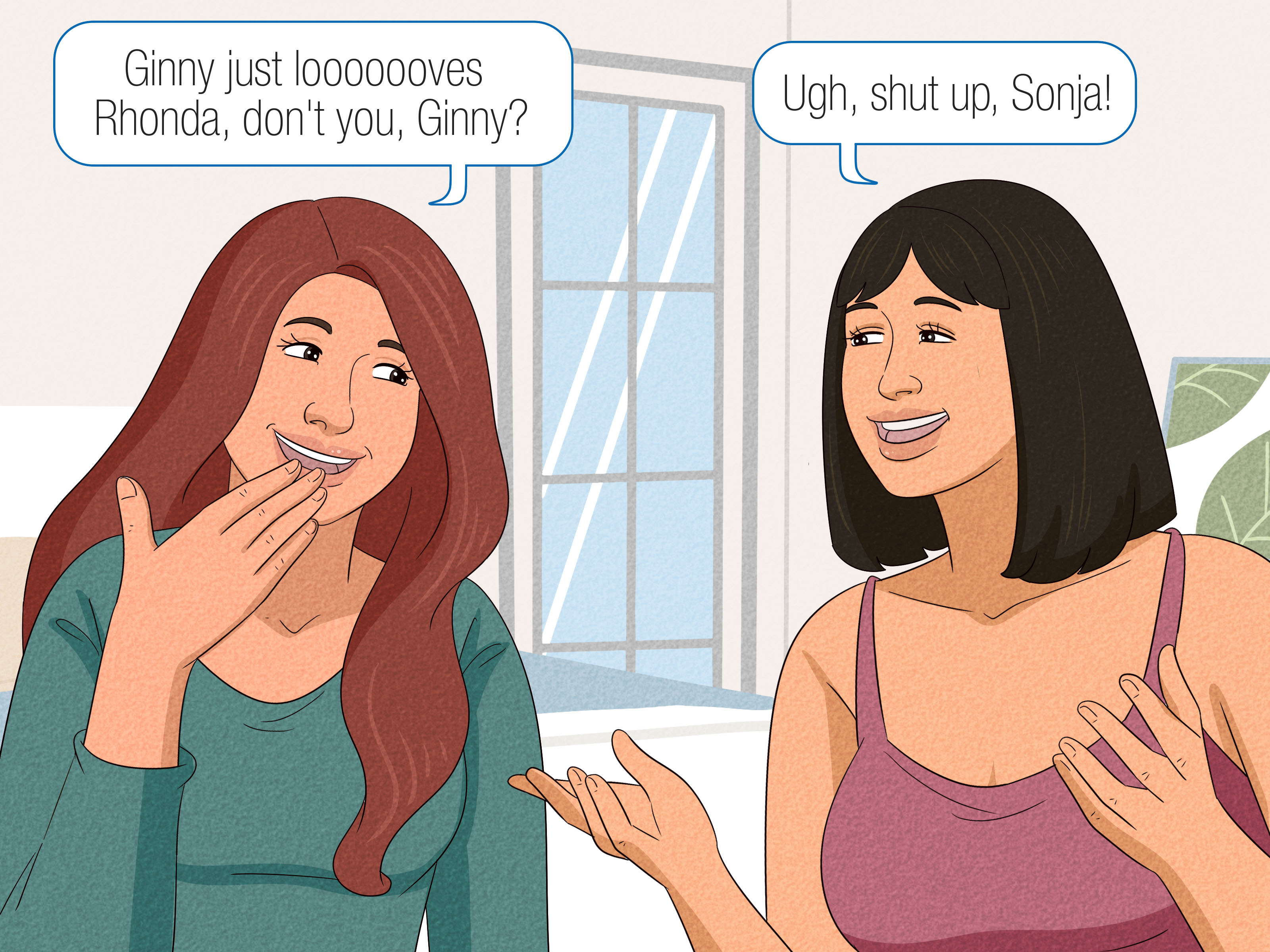
In standard American English, “shut up” usually means “stop talking” or “be quiet.” Dictionaries define it as an informal command, and many note that it is commonly used in a rude or forceful way. That matters because language is not just about dictionary definitions. Words also carry tone, intention, relationship, timing, and social setting. “Shut up!” yelled across a classroom is very different from a best friend laughing, “Shut up, no way!” after hearing unbelievable gossip about a surprise engagement, a celebrity sighting, or your uncle finally learning how to use emojis without sending the eggplant by accident.
This article explains whether “shut up” is considered a bad word, when it is rude, when it is playful, why parents and teachers often correct it, and what to say instead when you want someone to stop talking without sounding like a tiny thunderstorm in human form.
What Does “Shut Up” Mean?
The phrase “shut up” has two main everyday meanings. The first is literal and direct: stop talking, stop making noise, or make someone else stop talking. For example, “The movie started, so everyone shut up.” In casual speech, this might simply describe silence.
The second meaning is more emotional. People also use “shut up” as an exclamation of surprise, disbelief, or excitement. For instance, if someone says, “I won free concert tickets,” a friend might reply, “Shut up!” meaning, “No way!” or “Are you serious?” In that case, the phrase is not meant to silence anyone. It is more like a verbal confetti cannon.
The problem is that the most common command form“Shut up!”often sounds aggressive. It does not ask for quiet; it demands it. It can make the other person feel dismissed, embarrassed, or disrespected. That is why many families, schools, and workplaces treat it as unacceptable language even though it is not profanity.
Is “Shut Up” a Bad Word?
“Shut up” is usually not classified as a curse word, swear word, or obscene expression. You will not typically find it in the same category as profanity. However, it is often considered impolite, disrespectful, or verbally harsh.
Think of it this way: “Shut up” is not a red-alert bad word, but it is definitely not wearing a little etiquette bow tie either. It sits in the middle category of language that may be socially acceptable among close friends in a joking tone but inappropriate in formal, sensitive, or authority-based situations.
Why People Often Think It Is Rude
The phrase is rude because it shuts down conversation instead of guiding it. It does not say, “I need a moment,” “Please lower your voice,” or “Can I finish my thought?” It simply tells someone that their voice is unwanted. That can feel personal, especially when spoken angrily.
It also carries a power move. When someone says “shut up,” they are not inviting cooperation. They are trying to control the moment. In a heated argument, that can make conflict worse. In a classroom, it can embarrass someone. In a workplace, it can sound unprofessional. In a relationship, it can feel dismissive or contemptuous.
Why It Is Not Always Equally Offensive
Language depends heavily on context. “Shut up!” screamed by a stranger on a bus is rude. “Shut up!” said by your best friend while laughing at shocking news may be harmless. “Please shut up” is still blunt, even with “please” wearing a tiny politeness hat. “Shut up and take my money” is a meme-like expression of enthusiasm. The same words can change meaning depending on tone, facial expression, relationship, and situation.
Context Is Everything: When “Shut Up” Is Worse
The phrase becomes more problematic when it is used to insult, control, shame, or silence someone. Here are the moments when “shut up” usually crosses the line.
1. During Arguments
When people are already upset, “shut up” adds fuel to the fire. It tells the other person, “Your words do not matter.” That can make them defensive, louder, or more hurt. In conflict, a harsh opening often leads to a harsh ending. A calmer phrase such as “I need a minute” or “Can we pause?” can change the entire direction of the conversation.
2. In Schools
Teachers often discourage students from saying “shut up” because it can create a hostile or disrespectful classroom atmosphere. Students need ways to ask for quiet without humiliating classmates. “Please be quiet,” “I’m trying to listen,” or “Can you lower your voice?” are better options. They solve the problem without throwing verbal elbows.
3. At Work
In professional settings, “shut up” is rarely appropriate. Even if someone is interrupting or dominating a meeting, bluntly saying “shut up” can damage trust and make the speaker look unprofessional. Better alternatives include “Let’s give others a chance to speak,” “I’d like to finish my point,” or “Can we bring the discussion back to the topic?” These phrases communicate boundaries without making everyone wonder whether HR is about to enter wearing running shoes.
4. Between Parents and Children
Many parents consider “shut up” disrespectful when children say it to adults, siblings, or peers. That makes sense. Children are still learning emotional regulation, social rules, and how words affect people. However, adults should also model the language they want children to use. If a parent yells “shut up” and then punishes a child for repeating it, the child may reasonably think, “Interesting. So this rule comes with a height requirement?”
5. In Romantic Relationships
In close relationships, “shut up” can feel especially hurtful because it suggests contempt or dismissal. Partners usually need language that keeps the door open, not language that slams it shut and puts a chair against it. Instead of “shut up,” try “I’m overwhelmed,” “I need to cool down,” or “I want to understand you, but I need us to slow down.”
When “Shut Up” Might Be Playful
There are casual situations where “shut up” is not meant to be rude. Friends might say it when surprised: “You got the job? Shut up!” In this case, the phrase means “That is amazing!” not “Stop speaking immediately before I call the silence police.”
Comedy, memes, movies, and social media also use the phrase for exaggeration. “Shut up and take my money” means something is so appealing that the speaker wants to buy it immediately. “Shut up, no way!” often signals disbelief or excitement. These uses are usually understood as playful among people who share the same tone and relationship.
Still, playful language can misfire. If you do not know someone well, avoid using “shut up” with them. Humor depends on shared understanding. Without that, a joke can land like a pancake dropped from a balcony.
Is “Shut Up” Bullying?
One use of “shut up” does not automatically equal bullying. People can say rude things when tired, stressed, annoyed, or emotionally overloaded. But repeated use of “shut up” to silence, mock, intimidate, or exclude someone can become part of bullying behavior.
For example, if a group constantly tells one student to “shut up” whenever they speak, that is not just a phrase. It is social rejection. If a sibling repeatedly uses it to control another sibling, it can become verbal intimidation. If a partner uses it to stop the other person from expressing needs, it may be emotionally unhealthy. The pattern matters.
Why “Shut Up” Feels Stronger Than “Be Quiet”
“Be quiet” and “shut up” may point to the same basic action, but they do not feel the same. “Be quiet” can be firm, especially if said sharply, but it is usually more neutral. “Please be quiet” sounds like a request. “Shut up” sounds like a command with boots on.
The word “shut” adds intensity. We shut doors, shut windows, shut boxes, and shut things away. When applied to a person’s speech, it can feel like the speaker is closing the other person down, not merely asking for less noise. That is why “shut up” often feels more personal than “please lower your voice.”
Better Alternatives to “Shut Up”
If your goal is to ask for silence, there are better phrases. You can be clear without being rude. The best replacement depends on the situation.
Polite Alternatives
- “Please be quiet.”
- “Could you lower your voice?”
- “I need a moment of quiet.”
- “Can we pause for a second?”
- “Please let me finish.”
Firm but Respectful Alternatives
- “I can’t listen when we’re talking over each other.”
- “I’m willing to talk, but not if we’re yelling.”
- “Let’s take a break and come back to this.”
- “That came out harsh. Can we restart?”
- “I need you to stop interrupting me.”
Kid-Friendly Alternatives
- “Quiet, please.”
- “Inside voice.”
- “I need space.”
- “Please stop talking for a minute.”
- “I feel upset. I need a break.”
These phrases teach a valuable lesson: you can have a boundary without being mean. That is a life skill right up there with cooking eggs, reading contracts, and not replying “Sounds good!” to an email you have absolutely not read.
How Parents Can Respond When a Child Says “Shut Up”
When a child says “shut up,” the first instinct may be to react dramatically. But a calm response usually works better than a lecture delivered at opera volume. The goal is not just to punish the phrase; it is to teach a better communication habit.
Stay Calm First
A child who says “shut up” is often frustrated, overstimulated, embarrassed, or testing limits. Responding with bigger anger can escalate the moment. A calm tone teaches more than a loud one.
Name the Problem
Try saying, “That sounded rude. You can say, ‘I need a break’ instead.” This identifies the behavior without labeling the child as bad. Children learn better when correction is specific.
Offer a Redo
A simple redo can be powerful: “Try that again with respectful words.” This gives the child a chance to practice. Practice matters because respectful language is not installed automatically like a phone update. Unfortunately, children do not come with a “polite speech version 3.2” download.
Set a Boundary
You might say, “I will listen when you speak respectfully.” This keeps the door open while making the expectation clear. The child is allowed to have feelings; the child is not allowed to use those feelings as a verbal baseball bat.
How Adults Can Recover After Saying “Shut Up”
Adults say rude things too. Stress, lack of sleep, traffic, technology problems, and assembling furniture with instructions that look like ancient cave drawings can all reduce patience. If you say “shut up” and regret it, repair matters.
You can say, “I’m sorry. I was frustrated, but I should not have said that. What I meant was that I needed a minute to think.” This kind of repair does two things. First, it shows respect. Second, it models accountability. People do not need perfect communicators around them; they need repairable ones.
Is “Shut Up” Ever Appropriate?
There are rare situations where a sharp “shut up” may be understandable. If someone is about to reveal private information, interrupt an emergency instruction, or make a dangerous situation worse, a blunt phrase might come out. In urgent moments, perfect politeness is not always the main priority.
However, in normal daily life, there is almost always a better option. Use “shut up” sparingly, if at all. Save it for playful contexts with people who clearly understand your tone, or avoid it completely if you want to be safe.
Social Rules: Age, Culture, and Relationship Matter
Whether “shut up” sounds offensive can depend on age, family culture, region, and personal experience. Some families treat it almost like a forbidden word. Others allow it among siblings but not toward adults. Some friend groups use it jokingly all the time. Some people were raised to hear it as deeply disrespectful.
Because reactions vary, the safest rule is simple: do not use “shut up” when respect matters, when emotions are high, or when you do not know the person well. The phrase may not be profanity, but it can still leave a mark.
Real-Life Examples
Example 1: The Classroom
A student is trying to hear the teacher while classmates whisper behind them. Saying “Shut up!” may start a fight. Saying “Can you please be quiet? I’m trying to listen” is more likely to work and less likely to get everyone a front-row ticket to the principal’s office.
Example 2: The Family Dinner
A younger sibling keeps interrupting. “Shut up!” sounds mean. “Please stop interrupting me. I want to finish my story” is clearer and more respectful. It also reduces the chance that mashed potatoes become emotionally involved.
Example 3: The Workplace Meeting
A coworker keeps talking over others. “Shut up” would be unprofessional. “Let’s pause so everyone can contribute” keeps the conversation focused without turning the conference room into a reality show reunion episode.
Example 4: The Excited Friend
Your friend says, “I just got accepted into my dream college.” You reply, “Shut up! That’s amazing!” In this context, your tone and follow-up make it clear that you are excited, not insulting them. Still, this works best with close friends who know your style.
Experiences Related to “Is ‘Shut Up’ a Bad Word?”
Many people first learn the power of “shut up” in childhood. It usually happens during a small argument that feels enormous at the time. Maybe one child is singing the same cartoon theme song for the 47th time, with the confidence of a stadium performer and the pitch accuracy of a confused smoke alarm. Another child finally snaps and says, “Shut up!” Suddenly, the room changes. The singer looks hurt. A parent appears from nowhere, as parents mysteriously do, and the conversation becomes less about the song and more about respect.
That moment teaches something important: words can do more than describe feelings. They can push people away. The child who said “shut up” may not have meant, “I reject you as a human being.” They probably meant, “My ears are tired, and I need silence before my brain packs a suitcase.” But the words came out as an attack.
Adults have similar experiences. In a stressful meeting, someone may interrupt repeatedly until another person says, “Can you just shut up for a second?” The speaker may have a valid frustration, but the phrase changes the room. Instead of focusing on the interruption, everyone focuses on the disrespect. The message gets buried under the delivery. That is one of the biggest lessons of communication: how you say something can decide whether people hear your point or only hear your tone.
In families, “shut up” often becomes a shortcut for emotions that have not been named. A teenager may say it when feeling cornered. A parent may say it when overwhelmed. A sibling may say it when annoyed. Underneath the phrase might be embarrassment, exhaustion, jealousy, fear, or the simple human need for quiet. The problem is that “shut up” hides the real feeling behind a verbal brick wall.
A healthier habit is to translate the phrase into what the person actually needs. “Shut up” might become “I need a break.” “Shut up” might become “Please stop teasing me.” “Shut up” might become “I’m too upset to talk right now.” These replacements are not weak. They are more accurate. They also make it easier for the other person to respond kindly instead of preparing for battle.
Many teachers, parents, and counselors encourage this kind of language shift because it builds emotional awareness. Children who learn to say “I feel frustrated” instead of “shut up” are not just learning manners. They are learning self-control, empathy, and conflict management. Adults benefit from the same skill. After all, maturity is not never feeling annoyed. Maturity is feeling annoyed and choosing not to launch your sentence like a frying pan.
So, from real-life experience, “shut up” is best understood as a phrase that usually creates more problems than it solves. It may bring quick silence, but it rarely brings understanding. Better words take a little more effort, but they protect relationships. And in most situations, that is worth the extra syllables.
Conclusion: So, Is “Shut Up” a Bad Word?
“Shut up” is not usually a swear word, but it is often a bad choice of words. It can sound rude, harsh, dismissive, or disrespectful, especially during arguments, in classrooms, at work, or between family members. In playful contexts, it can express surprise or excitement, but that depends on tone and relationship.
The safest answer is this: “Shut up” is not profanity, but it is impolite enough that children, students, professionals, and adults in close relationships should usually avoid it. If you need quiet, ask for quiet. If you need space, ask for space. If you need someone to stop interrupting, say that directly. Clear communication beats verbal door-slamming every time.
Note: This article is written for general educational and communication purposes. It explains common American English usage and social expectations around the phrase “shut up,” but individual families, schools, workplaces, and cultures may set stricter or more flexible rules.