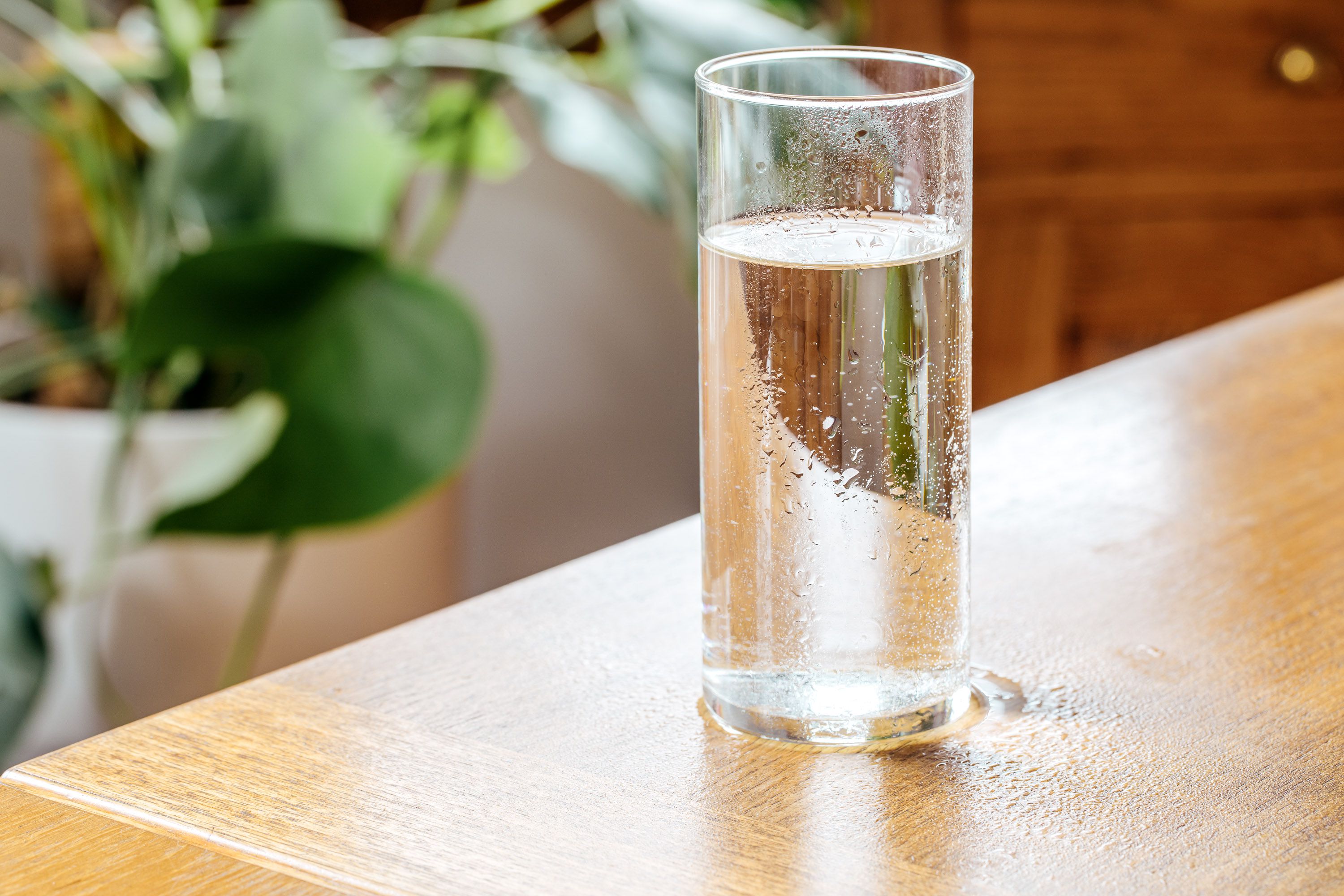
You wake up, you reach for your water, and there it is: a glass on the nightstand that’s been quietly existing since sometime around “one more episode.” It looks innocent. It smells like… nothing. And now your brain hits you with the million-dollar question: Is this still drinkable, or am I about to audition for a stomachache?
The good news: in most everyday situations, water that’s been sitting out for a bit is usually fine. The not-so-fun truth: the safety depends less on the water itself and more on what happened to it while it was waiting around (open air, warm temps, your backwash, a dusty room, a germy bottle cap, or the “science experiment” living inside a reusable bottle you haven’t washed since Tuesday).
The Short Answer (With Real-Life Caveats)
Often, yesespecially if the water started out clean and has been stored in a clean container, covered, and kept at a reasonable room temperature.
Sometimes, noespecially if it’s been open to the air for a long time, exposed to heat (hello, hot car), or contaminated by your mouth (like drinking from the bottle and then leaving it out).
If you’re healthy, a typical “left out overnight” glass is usually low risk. But if you’re in a higher-risk group (more on that below), it’s smarter to be stricter.
What Actually Happens When Water Sits Out?
1) Water doesn’t “spoil” like milkcontamination is the main issue
Plain water isn’t a buffet for bacteria the way sugary drinks or milk are. But water can become a vehicle for germs if germs get introducedby a dirty cup, an unwashed bottle, someone’s hands, your mouth, or even dust settling in.
2) The taste can change (even if it’s still safe)
Have you ever noticed that water left out tastes “flat” or “stale”? That’s usually not dangerit’s chemistry and air exposure. Tap water often contains a disinfectant residual (commonly chlorine or chloramine) to help keep it microbiologically safe in the distribution system. When water sits out, especially in an open container, volatile compounds can dissipate and the water can absorb gases from the air. Your taste buds interpret this as “meh.”
3) Warm temperatures speed up “gross outcomes”
Many microbes grow faster at warmer temperatures. Also, warmth can make odors more noticeable and can worsen the “I don’t trust this anymore” factor. If water sat in a warm environment for a long timeespecially after you drank from the containeryour risk goes up.
Tap Water vs. Bottled Water vs. Filtered Water: Does It Matter?
Tap water
In the U.S., municipal tap water is regulated and treated to meet safety standards. That said, once you pour it into your cup or bottle, the protection depends on the cleanliness of that container and whether it’s covered. (A sparkling clean glass with a cover is a very different situation than a bottle that’s basically a biofilm spa.)
Bottled water
Bottled water is regulated too, but here’s a key point many people miss: ordinary bottled water isn’t sterile unless the label specifically says it is. That’s not a scandal; it’s just how food and beverages work. If you open a bottle and drink from it, you introduce bacteria from your mouth. After that, time and temperature matter.
Filtered water
Many home filters improve taste by reducing chlorine and certain contaminants. That can be great for flavor, but it can also remove some disinfectant residualmeaning the water might not “hold up” as well when left sitting in a warm, dirty, or open environment. The takeaway isn’t “filtered water is unsafe.” It’s: treat filtered water like a fresher product once pouredkeep it covered and clean.
So… How Long Is “A While”?
There’s no universal stopwatch because the variables matter (open vs. closed, clean vs. questionable, hot vs. cool, drank-from vs. untouched). But here are practical, real-world guidelines that are easy to follow.
If it’s in an open cup
- Up to a few hours: Usually fine if the room is clean and cool.
- Overnight (8–12 hours): Often still fine for healthy people, but taste may be off and dust can settle in.
- 24 hours or more: More “toss it” territoryespecially if the environment is warm, humid, or dusty.
If it’s in a closed bottle or capped container
- Clean bottle + not drank-from + room temp: Often fine for a day or two.
- Drank-from bottle: Try to finish within the day. The more backwash, the more you’re giving microbes a ride.
- Smells weird, looks cloudy, or has floating bits: Don’t negotiate with it. Dump it.
If it’s been in a hot car or direct sun
This is where “probably okay” turns into “why risk it?” Heat can encourage microbial growth (especially if you drank from it), and studies suggest higher temperatures can increase the migration of certain chemicals from PET plastic into water over time. You don’t need to panic over one warm bottle, but making “hot car bottled water” a habit is not a wellness flex.
Red Flags: When You Should Absolutely Not Drink It
- It’s cloudy or has particles, film, or slime (especially inside a reusable bottle).
- It smells off (musty, sour, plastic-y, or just “wrong”).
- It tastes sharply weird in a way that isn’t just “flat.”
- It was left open near food prep, pets, trash, cleaning chemicals, or a place with lots of dust/traffic.
- Someone else drank from it (sharing germs is generous, but your immune system did not RSVP).
People Who Should Be More Cautious
Most healthy adults can handle low-level exposures without issues. But some people have a lower margin for error. Be more careful if:
- You have a weakened immune system (due to illness, certain medications, or medical treatment).
- You’re an older adult with health conditions that increase infection risk.
- You’re caring for an infantespecially when mixing formula.
For infants, the stakes are higher. Use safe water and follow reputable guidance for preparation and storage. If water has been sitting out open or you’re unsure, it’s better to start fresh.
Reusable Water Bottles: The Hidden Plot Twist
If there’s one “gotcha” in this whole topic, it’s this: the bottle is often riskier than the water.
Reusable bottles (especially those with straws, rubber gaskets, flip tops, and narrow necks) can build up biofilmsthin layers where microbes hang out and multiply. If you refill a bottle all day without washing it, you’re not “staying hydrated.” You’re running a tiny aquarium for mouth bacteria.
Make your bottle safer with simple habits
- Wash daily with hot soapy water (and actually take apart lids/straws if possible).
- Let it dry completelymoisture is microbial “real estate.”
- Don’t “top off” yesterday’s water. Empty it, rinse it, restart.
- If it ever smells funky even after washing, retire it with honor.
Plastic Bottles, Heat, and “Chemical Concerns” (A Calm, Practical Take)
You may have heard warnings about plastic bottles leaching chemicals into water, especially when heated. Here’s the balanced version:
- Heat can increase chemical migration from plastics over time, including in PET bottles used for many single-use waters.
- Studies have shown antimony levels can rise with higher storage temperatures and longer storage time.
- Regulators set limits for contaminants in drinking water, and typical exposures are often below those limitsbut “below limits” doesn’t mean “make it a habit.”
Bottom line: If your water was left in a hot car for hours, it’s usually not an emergencybut it’s also not the bottle you’d pick if you have other options. For peace of mind, store water in a cool place and use stainless steel or glass when you can.
How to Store Drinking Water So It Stays Fresh (and Boringin the Best Way)
Public health guidance for safe water storage emphasizes clean containers, tight covers, and cool, shaded storage. That applies whether you’re building an emergency water supply or just trying to keep your daily water tasting good.
For everyday life
- Use a clean container and keep it covered.
- Keep water away from direct sunlight and heat sources.
- If you want it to taste fresher longer, store it in the fridge.
- When in doubt, pour it out. Water is cheaper than regret.
For longer-term storage (like emergency water)
U.S. public health guidance recommends sanitizing containers properly, sealing them, labeling storage dates, and keeping them in a cool place away from sunlight and chemicals. If you’re storing water long-term, follow official instructions closely.
FAQs
“If it tastes weird, does that mean it’s unsafe?”
Not always. “Stale” taste can be normal for water left exposed to air. But if the taste is strongly off, metallic, musty, or plastic-likeespecially with cloudinessdon’t drink it.
“Can bacteria really grow in water?”
Water doesn’t magically generate bacteria, but bacteria can be introduced easilyfrom your mouth, from hands, from a dirty bottle, or from the environment. Given time (and the right conditions), they can multiply.
“Should I just boil water that was left out?”
Boiling can reduce microbial risk if contamination is your concern, but it won’t fix every issue (like chemical contamination or gross-tasting plastic notes). If you suspect contamination, it’s often simpler to dump it and start fresh.
Real-Life Experiences and Scenarios (500+ Words of “Yep, Been There” Energy)
Let’s translate all this into the situations that actually happenbecause most of us aren’t labeling our nightstand glass with a storage date like it’s a museum exhibit.
The Nightstand Glass: “It’s only been a few hours… right?”
This is the classic. You poured water before bed with the best intentions. Then you fell asleep immediately, like a champion. By morning, the water has been sitting out in an open cup for 6–10 hours. In most clean indoor environments, that’s generally low risk for a healthy person. The bigger issue is usually tastewater can pick up a faint “room” flavor, especially if your room is dusty or you sleep with a fan blasting.
A simple upgrade: use a bottle with a cap, or put a coaster or small lid over the glass. Congratulations, you’ve just leveled up your hydration like a responsible adult (even if you’re still wearing yesterday’s hoodie).
The Gym Bottle: “I refilled it three times and never washed it.”
This is where people get tricked. The water you put in may be perfectly fine, but the bottleespecially the lid and mouthpiececan become the main character. When you drink directly from it, you’re leaving behind bacteria from your mouth. Refill it, let it warm up, toss it in a bag, repeat… and suddenly the inside of your cap smells like a science project.
If you’ve ever taken a sip and thought, “Why does this taste like penny-flavored regret?” that’s your cue to wash the bottle (and the lid) thoroughly. For straw lids and rubber gaskets, take them apart when possible. They’re tiny germ condos.
The Office Cup: “I forgot it on my desk all weekend.”
If you leave an open cup of water out for days, you’ve increased the chance it picked up dust, microbes, or whatever floats around an office (including that mysterious powdered creamer haze). By Monday, it might still look finebut “looks fine” isn’t a strong safety strategy. This is a “dump it, rinse it, move on” moment.
The Hot Car Bottle: “It’s warm, but I’m thirsty.”
A bottle left in a hot car is the hydration version of eating gas station sushi: sometimes you’re fine, but it’s not the lifestyle choice you want to normalize. Heat can make plastic taste stronger and can increase chemical migration over time. If it was just a short period and it’s your only option, you’re not automatically doomed. But if you can choose, pick a fresh bottle or refill a clean insulated bottle and keep it cool.
The “I Added Lemon” Situation: “It’s basically spa water now.”
Add-ins like lemon, cucumber, or berries make water more deliciousbut they also make it more like food. Once you add produce, treat it more carefully: keep it refrigerated and don’t let it sit out for long. If it’s been out for hours, especially in warmth, it’s smarter to discard and remake.
The Bottom Line in Real Life
If the water has been sitting out overnight in a clean home, you’re usually okayespecially if you’re healthy and it looks and smells normal. But if it’s been sitting out for days, was exposed to heat, or came from a container that’s honestly due for a deep clean, the best move is to pour it out and refill. Hydration should feel refreshingnot like a game of “Guess That Smell.”
Conclusion
Drinking water that’s been sitting out isn’t automatically unsafe. Most of the time, the real question is: Was it protected from contamination? If it was left open for a long time, stored warm, or drank-from and then abandoned, the risk goes up. If it was clean, covered, and kept cool, the risk stays low. When in doubt, trust the simplest rule in the universe: fresh water is easy to make.