Caffeine water sounds like a beverage invented during a meeting where someone asked, “What if water had deadlines?” It combines ordinary hydration with a stimulant that can improve alertness, sharpen attention and make a sleepy afternoon feel slightly less personal.
But is caffeine water bad for you? For most healthy adults, an occasional bottle is unlikely to be harmful when its caffeine content fits comfortably within the person’s total daily intake. The real issue is not that caffeine has been added to water. It is how much caffeine the drink contains, how quickly it is consumed, what else the person has had that day and how sensitive that individual is to stimulants.
The U.S. Food and Drug Administration says that up to 400 milligrams of caffeine per day is an amount not generally associated with negative effects for most adults. That figure is not a personal challenge, a performance goal or permission to drink four caffeinated waters before lunch. Some people experience anxiety, palpitations or insomnia after much smaller amounts.
What Is Caffeine Water?
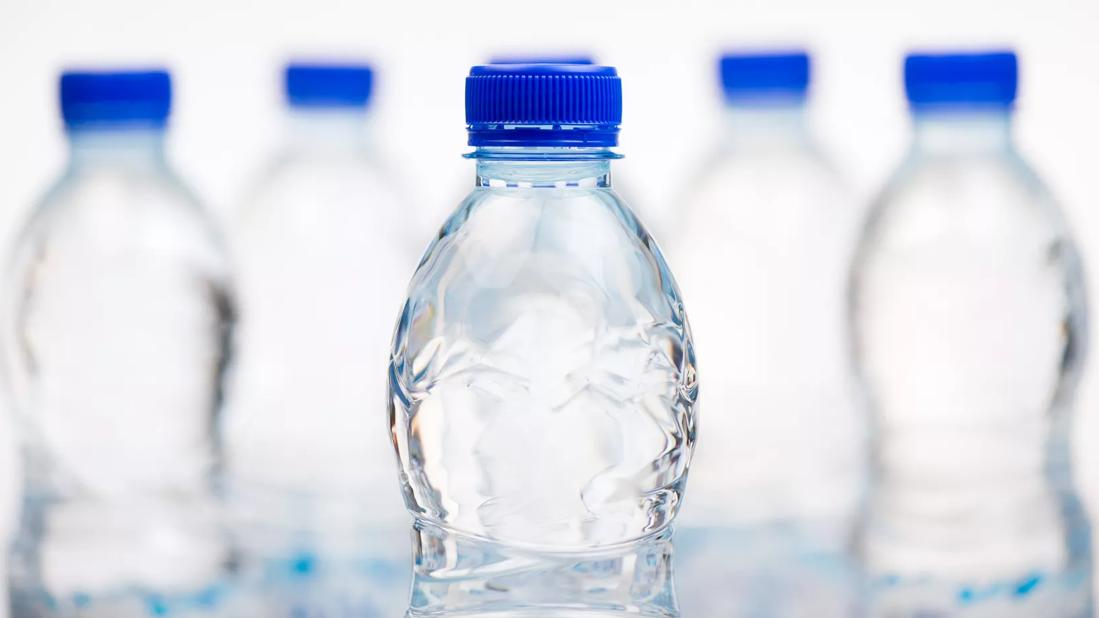
Caffeine water is still or sparkling water containing added caffeine. Depending on the product, it may also include flavors, electrolytes, vitamins, artificial sweeteners, sugar alcohols or a small amount of sugar.
Unlike many traditional energy drinks, caffeinated water is often marketed as light, clean and hydration-focused. Some versions contain no calories and no sugar. That can make them appear nearly identical to plain bottled water, even though their effects are closer to those of coffee, tea or another caffeinated drink.
Caffeine content varies substantially. Cleveland Clinic reports that some caffeinated waters provide approximately 45 to 125 milligrams or more per bottle. A bottle at the upper end of that range can contain more caffeine than a typical small cup of coffee. Two or three bottles can therefore become a serious caffeine stack, especially when combined with morning coffee, tea, soda, chocolate, pre-workout powder or certain over-the-counter medications.
How Caffeine Water Affects Your Body
Caffeine is a central nervous system stimulant. One of its main actions is blocking adenosine receptors in the brain. Adenosine is involved in the gradual buildup of sleepiness throughout the day. When caffeine temporarily interferes with that signal, you may feel more awake, focused and energetic.
The effect is temporary, however. Caffeine does not erase sleep debt or create new energy. It mostly turns down the brain’s “I am tired” notification for a while. Unfortunately, that notification may return later with several unread messages.
Caffeine’s average half-life in a healthy adult is about five hours, although metabolism varies widely. Research references place the possible range anywhere from roughly two to 12 hours, depending on genetics, pregnancy, smoking, medications and other individual factors. This means that a 100-milligram caffeinated water consumed late in the afternoon could leave a meaningful amount of caffeine circulating at bedtime.
So, Is Caffeine Water Bad for You?
Not automatically. Caffeine water can fit into a healthy adult’s diet, but it should be treated as a caffeinated beverage rather than as unlimited plain water.
For someone who tolerates caffeine well, reads labels carefully and drinks one moderately caffeinated bottle early in the day, the risk is generally low. For someone who already drinks several coffees, struggles with anxiety or uses caffeinated water throughout the evening, the same product may cause unpleasant symptoms.
The safest question is not simply, “Is this bottle healthy?” A more useful question is, “How much caffeine have I consumed from every source today?”
Possible Benefits of Caffeinated Water
Caffeine water may offer a few practical advantages:
- Improved alertness: A moderate dose of caffeine can reduce feelings of fatigue and temporarily improve attention.
- Convenience: It provides caffeine without brewing coffee or carrying a hot drink.
- Lower sugar intake: Unsweetened versions may be a better choice than sugary soda, heavily sweetened coffee or some energy drinks.
- Additional fluid: The water in the beverage still contributes to fluid intake.
- No coffee flavor: It can suit people who want caffeine but dislike coffee or tea.
These advantages depend on the product. A caffeinated water packed with sugar, stimulants or unnecessary extras is not nutritionally identical to plain water with a modest dose of caffeine.
Potential Side Effects
Excess caffeine can cause jitteriness, restlessness, headache, nausea, digestive discomfort, increased heart rate, heart palpitations, temporary increases in blood pressure, anxiety and disrupted sleep. The FDA, MedlinePlus, Cleveland Clinic and Poison Control all emphasize that sensitivity varies significantly from person to person.
Someone who feels calm after two cups of coffee may share an office with someone whose left eyelid starts filing complaints after half a cup. Body size, habitual caffeine use, genetics, health conditions and medications can all influence the response.
Does Caffeine Water Dehydrate You?
This question deserves more nuance than a simple yes or no.
Caffeine can increase urine production, particularly in larger doses or in people who are not accustomed to it. However, the fluid contained in a moderately caffeinated beverage generally still makes a positive contribution to hydration. Harvard Health and Mayo Clinic note that moderate amounts of caffeinated beverages do not automatically cause dehydration in healthy people.
That does not make caffeine water a perfect substitute for plain water. Large amounts of caffeine may worsen fluid-related problems in people who are already dehydrated, ill, exercising intensely or spending long periods in hot weather. The CDC also notes that fluid needs increase with heat, physical activity, fever, vomiting and diarrhea.
A sensible approach is to use plain water as the foundation of hydration and count caffeinated water as an optional caffeinated drink. During a hot outdoor workout, a regular bottle of water does not need a motivational stimulant hiding inside it.
How Much Caffeine Water Is Too Much?
For most healthy adults, the FDA’s commonly referenced ceiling is 400 milligrams of caffeine per day from all sources. Importantly, this is an upper amount not generally associated with negative effects, not a recommended daily requirement.
Consider this example:
- Morning brewed coffee: 150 milligrams
- Midday caffeinated water: 125 milligrams
- Afternoon tea: 70 milligrams
- Chocolate and a caffeinated headache medicine: 60 milligrams
The total is 405 milligrams. None of the individual choices looks extreme, but together they cross the general FDA reference level. This is how “I barely had any caffeine” sometimes turns into staring at the ceiling at 2:13 a.m.
The FDA requires caffeine to appear in the ingredient list when it is added as a stand-alone ingredient. However, the exact caffeine quantity is not always required on every conventional food or beverage label. Many manufacturers disclose it voluntarily. When the amount is unclear, check the package, visit the manufacturer’s product information or choose a beverage with transparent labeling.
Who Should Be Especially Careful?
People Who Are Pregnant or Breastfeeding
The American College of Obstetricians and Gynecologists advises keeping caffeine consumption below 200 milligrams per day during pregnancy. Caffeine from water counts just as much as caffeine from coffee, tea, chocolate or soda. ACOG also notes that moderate intake of around 200 milligrams per day is unlikely to affect most breastfed babies, although newborn and premature infants may be more sensitive.
Children and Teenagers
Caffeinated water can be especially confusing for young people because it looks like ordinary water. The American Academy of Pediatrics has advised that stimulant-containing energy drinks have no place in the diets of children and adolescents, while current FDA guidance encourages parents to discuss caffeine intake with a pediatric healthcare professional. Water and other non-caffeinated beverages are better everyday choices for children.
People With Anxiety or Sleep Problems
Caffeine may intensify nervousness, racing thoughts, agitation or physical symptoms that resemble anxiety. It can also delay sleep and reduce sleep quality even when a person manages to fall asleep. Anyone caught in a cycle of poor sleep followed by increasing caffeine use may benefit from reducing the dose and moving it earlier in the day.
People With Heart or Blood Pressure Concerns
Moderate caffeine intake is tolerated by many healthy adults, including many people with stable heart conditions. Nevertheless, caffeine can temporarily raise blood pressure and may trigger noticeable palpitations in sensitive individuals. People with severe hypertension, recurring rapid heartbeat or unexplained palpitations should discuss caffeine use with a healthcare professional rather than relying on a universal limit.
People Taking Medications or Other Stimulants
Certain medications and supplements can increase caffeine sensitivity, slow its breakdown or compound its stimulant effects. The FDA recommends asking a healthcare provider about caffeine limits when a medical condition or medication may affect tolerance. Combining caffeinated water with pre-workout supplements, caffeine tablets or multiple energy products makes accidental overconsumption much easier.
Caffeine Water vs. Coffee and Energy Drinks
Caffeine itself is handled similarly by the body whether it occurs naturally in coffee or is added to water. The differences come from the dose, serving size and other ingredients.
| Beverage | Potential Advantage | What to Watch |
|---|---|---|
| Plain water | No calories, no caffeine and dependable hydration | Nothing significant for most healthy people |
| Caffeine water | Hydration plus alertness, often without sugar | Hidden or easily overlooked caffeine |
| Black coffee | Familiar caffeine source with naturally occurring compounds | Variable caffeine, acidity and added cream or sugar |
| Energy drink | Convenient stimulant effect | Potentially high caffeine, sugar and additional stimulants |
Caffeinated water may be preferable to a heavily sweetened energy drink, but plain water remains the better default beverage. “Better than a giant neon energy drink” and “the same as water” are not equivalent statements.
How to Drink Caffeine Water More Safely
- Read the caffeine amount. Check how many milligrams are in the full bottle, not just one serving.
- Add up every source. Include coffee, tea, soda, chocolate, supplements and medications.
- Start with a smaller dose. This is especially important when trying a new product.
- Drink it earlier. Avoid late-day caffeine when sleep is easily disrupted.
- Keep plain water available. Do not make every bottle of water a caffeinated one.
- Avoid rapid consumption. Drinking several bottles quickly raises the risk of unpleasant or dangerous effects.
- Reduce gradually. Abruptly stopping regular caffeine use can cause headaches, fatigue and irritability.
Severe symptoms such as seizures, collapse, breathing difficulty, extreme confusion or an inability to wake require emergency help. In the United States, Poison Control can be reached at 1-800-222-1222, while life-threatening symptoms require a call to 911.
Everyday Experiences With Caffeine Water
The following scenarios are practical composites rather than reports about specific individuals. They illustrate why the same caffeinated water can feel useful in one situation and miserable in another.
The Afternoon Productivity Experiment
Imagine an office worker who usually drinks one coffee at breakfast. At 2 p.m., a deadline approaches and concentration starts wandering toward online shopping. A caffeinated water containing 60 milligrams provides a mild lift without the sugar of soda or the heaviness of another latte. The drink is finished slowly, several hours before bedtime, and total caffeine remains moderate.
In this situation, the beverage does what the buyer expected. It supplies fluid, adds a manageable stimulant dose and helps the person stay attentive. The lesson is not that caffeine water is magical. The dose simply matched the person’s tolerance and schedule.
The “It Is Just Water” Mistake
Now picture someone carrying a 125-milligram caffeinated water during a long morning. Because the bottle looks like ordinary flavored water, it is replaced with another one after lunch. Add a large morning coffee, and daily caffeine may already be approaching or exceeding 400 milligrams.
By late afternoon, the person feels shaky and strangely tired at the same time. Concentration becomes worse rather than better. Dinner brings heartburn, and bedtime arrives with a body that is exhausted but a brain that has opened 37 imaginary browser tabs.
The problem was not one mysterious toxic ingredient. It was dose blindness. Water packaging made the caffeine easier to forget.
The Workout Bottle Problem
A recreational runner may bring caffeinated water to an outdoor workout because the label promises energy and hydration. During a short, cool session, a moderate amount may be tolerated well. During a long run in hot weather, however, the athlete may need more plain fluid, carbohydrates or electrolytes than the product provides.
Caffeine can make effort feel easier for some people, but it does not replace an appropriate hydration and fueling plan. Treating caffeinated water as a complete sports drink could leave the runner energized enough to continue while still falling behind on actual fluid or nutritional needs.
The Sleep Cycle
Another common experience begins with an innocent 4 p.m. bottle. The person falls asleep at the normal time and assumes caffeine has no effect. Yet sleep feels lighter, morning arrives too quickly and an extra caffeinated drink seems necessary the next day.
Over several weeks, afternoon caffeine becomes a response to fatigue partly created by the previous afternoon’s caffeine. Reducing the dose may initially cause headaches or sleepiness, but a gradual taper and earlier timing can help break the cycle.
The Better-Beverage Swap
For someone who normally drinks two sugary energy drinks per day, replacing one with unsweetened caffeine water may reduce added sugar and calories. That is a meaningful improvement, but it does not solve excessive caffeine intake if both drinks contain large stimulant doses.
A more effective transition might involve choosing one lower-caffeine product, switching the second drink to plain flavored water and paying attention to sleep. The healthiest change is often a series of reasonable substitutions rather than a dramatic vow to survive forever on celery and optimism.
Final Verdict
Caffeine water is not inherently bad for most healthy adults. It can provide hydration and a convenient boost, particularly when it replaces a high-sugar drink. Its main risk is that consumers may treat it like ordinary water and overlook the caffeine dose.
Check the label, count caffeine from every source and pay attention to symptoms such as insomnia, anxiety, stomach upset, headaches or palpitations. Plain water should remain your primary hydration drink. Caffeinated water is better viewed as an occasional coffee alternative that happens to arrive in a water bottle.
Note: This article provides general educational information and is not a substitute for personalized medical advice. It synthesizes guidance and research from the FDA, CDC, National Library of Medicine, MedlinePlus, Cleveland Clinic, Mayo Clinic, American College of Obstetricians and Gynecologists, American Academy of Pediatrics, American Heart Association, Harvard Health, Sleep Foundation, Poison Control, NCCIH and NIAAA.