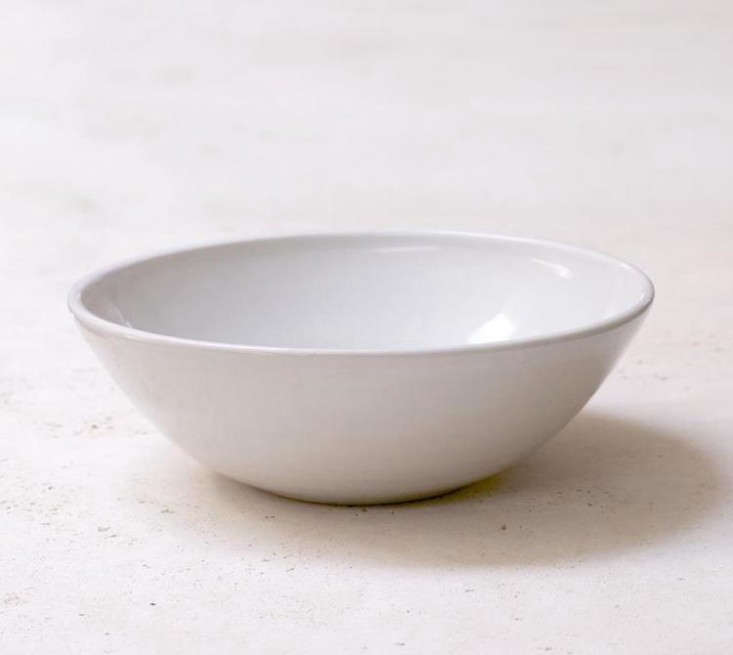
The Irving Place Studio Porcelain Large Salad Bowl is the kind of tabletop piece that quietly steals the show. It does not shout. It does not need gold trim, a dramatic pattern, or a suspiciously fragile “hand wash only” label to feel special. Instead, it leans into what great serveware has always done best: making food look generous, thoughtful, and a little more elegant than your average Tuesday night deserves.
For anyone who loves artisan ceramics, handmade dinnerware, modern table settings, or simply a bowl big enough to toss a salad without launching arugula across the kitchen, this piece has a lot to admire. Made from glazed porcelain and associated with Irving Place Studio’s Los Angeles ceramic tradition, the bowl reflects the studio’s reputation for refined, hand-thrown tableware designed for everyday use. It is practical, sculptural, and quietly collectiblebasically the dinner party guest who brings great wine and never talks over people.
Below is an in-depth look at what makes the Irving Place Studio Porcelain Large Salad Bowl appealing, how it fits into modern dining, why porcelain remains a favorite for serveware, and how this kind of large salad bowl can become one of the hardest-working pieces in a kitchen.
What Is the Irving Place Studio Porcelain Large Salad Bowl?
The Irving Place Studio Porcelain Large Salad Bowl is a glazed porcelain serving bowl listed in archived design and home sources as a large-format tabletop piece measuring approximately 4 3/4 inches high by 12 inches wide. That size places it comfortably in the “serious serving bowl” category. It is not a tiny cereal bowl pretending to have ambition. It is built for family-style salads, grain bowls, fruit displays, pasta sides, roasted vegetables, and the occasional mountain of chips when the game is on and dignity has left the room.
Irving Place Studio was known for contemporary handmade ceramics rooted in traditional techniques. The studio’s work combined clean lines, simple forms, and practical table use with the sensibility of handmade art. Its pieces often feel minimal at first glance, but the longer you look, the more the details matter: the curve of the rim, the depth of the glaze, the balance of weight, and the evidence of the maker’s hand.
The Story Behind Irving Place Studio
Irving Place Studio was a family-run ceramic collaboration connected to Dora De Larios, her daughter Sabrina Judge, and son-in-law Aaron Glascock. The studio began in 2012 and became known for elegant, hand-thrown ceramics for everyday dining. The name itself carries heritage: Dora De Larios had a long and influential career in Los Angeles ceramics, with work spanning functional wares, sculpture, public art, and tableware.
That background matters because the Irving Place Studio Porcelain Large Salad Bowl is not just a bowl in the generic “kitchen object” sense. It belongs to a design lineage where function and art are not enemies forced to sit at opposite ends of the table. They are more like polite cousins who both brought dessert.
Dora De Larios was recognized for clean forms, distinctive glazes, and a multicultural artistic vocabulary. Her influence helped give Irving Place Studio pieces a rare balance: simple enough for daily use, yet interesting enough to feel collected rather than merely purchased.
Why Porcelain Works So Well for a Large Salad Bowl
Porcelain has a long history in dinnerware for good reason. It is made from refined clay materials and fired at high temperatures, creating a dense, hard, nonporous ceramic body. In plain English: it is elegant, durable, and less likely to absorb flavors or stains than more porous materials. That is excellent news if your salad dressing contains garlic, lemon, mustard, anchovy, or any other ingredient that likes to move in permanently.
For a salad bowl, porcelain offers several advantages. It presents greens beautifully, handles colorful ingredients well, and provides a clean backdrop for everything from shaved fennel to roasted squash. A glazed porcelain surface is also easy to clean, which matters after vinaigrette, herbs, olive oil, and bits of feta have held a small but enthusiastic party inside it.
Porcelain vs. Stoneware vs. Wood
Wooden salad bowls have warmth and rustic charm, but they require more careful maintenance. Stoneware can feel earthy and substantial, but it may be heavier and more casual in appearance. Porcelain sits in a beautiful middle ground. It is refined without feeling fussy, sturdy without looking clunky, and polished enough for holidays while still suitable for weekday dinners.
The Irving Place Studio Porcelain Large Salad Bowl benefits from that versatility. It can sit beside linen napkins and candles at a dinner party, but it also makes sense on a kitchen island next to grilled chicken, roasted potatoes, and someone asking, “Are there more croutons?” There are always more croutons. There must be.
Design Appeal: Simple, Handmade, and Timeless
The best handmade serveware does not rely on trends. It has proportion, presence, and restraint. The Irving Place Studio Porcelain Large Salad Bowl fits that category because its beauty comes from form and material rather than loud decoration. This makes it easy to pair with many table styles: modern, California casual, farmhouse, minimalist, eclectic, or the beloved “I own seven different plates and somehow it works” aesthetic.
A large porcelain bowl also adds visual calm to a busy table. If the food is colorful, the bowl does not compete. If the meal is simple, the bowl gives it structure. That is the quiet magic of well-designed serveware: it makes dinner feel intentional, even when dinner is technically leftovers wearing a nice vinaigrette.
A Bowl That Looks Good Empty
One underrated test of great tabletop design is whether the object looks beautiful when empty. A bowl that only works when filled to the brim is doing half the job. The Irving Place Studio bowl has the kind of sculptural simplicity that can live on open shelving, a dining table, or a console. Fill it with citrus, linen napkins, seasonal fruit, or nothing at all. A good bowl understands silence.
Best Uses for the Irving Place Studio Porcelain Large Salad Bowl
Although the name says “salad bowl,” this piece is much more flexible than that. A 12-inch-wide bowl is a useful scale for both everyday meals and entertaining. Here are several practical ways to use it well.
1. Big Green Salads
This is the obvious use, and it is a very good one. Large salads need space. Greens bruise when crushed, and nobody wants a salad that looks like it lost a wrestling match. A wide porcelain bowl gives room for tossing romaine, kale, arugula, herbs, cucumbers, tomatoes, nuts, cheese, and dressing without chaos.
2. Grain Bowls and Pasta Salads
Quinoa, farro, couscous, or orzo salads look especially attractive in porcelain. The clean glazed surface highlights the color of roasted vegetables, herbs, olives, and citrus. It also helps the dish feel more composed, which is helpful when the recipe is really “everything in the refrigerator, but make it Mediterranean.”
3. Fruit on the Counter
A large porcelain bowl filled with lemons, oranges, apples, pears, or stone fruit can act as both storage and decor. It brings color into the kitchen while keeping produce visible. Visible fruit gets eaten. Hidden fruit becomes a science project in the crisper drawer.
4. Holiday Side Dishes
For Thanksgiving, Christmas, Easter, or weekend hosting, a large salad bowl can serve roasted carrots, green beans, mashed sweet potatoes, rolls, or a composed salad. White or neutral porcelain is especially helpful because it does not fight with patterned plates, floral arrangements, or that one relative’s extremely enthusiastic holiday sweater.
5. A Centerpiece Piece
When not serving food, the bowl can become a centerpiece. Try it with pinecones in winter, citrus in spring, peaches in summer, or mini pumpkins in fall. The result feels polished but not overdecorated. In other words, it looks like you triedbut not like you wrestled a craft store and lost.
How to Style It on the Table
The Irving Place Studio Porcelain Large Salad Bowl works best when its simplicity is allowed to breathe. Pair it with natural materials such as linen, wood, rattan, or brushed metal. A handmade bowl often looks especially good beside other pieces that have subtle texture rather than a glossy, showroom-perfect sameness.
For a modern table, place it with matte flatware, clear glass tumblers, and simple white or cream plates. For a warmer California-inspired setting, add wooden salad servers, a neutral runner, small ceramic bowls, and casual cloth napkins. For a more formal meal, use it as the clean visual anchor among polished glassware and layered plates.
Color Pairings That Work
Porcelain is wonderfully adaptable. If the bowl is light or neutral, it pairs beautifully with sage green, terracotta, charcoal, indigo, oatmeal, or soft clay tones. If you prefer a brighter table, let the food bring the color: radicchio, herbs, citrus, pomegranate seeds, heirloom tomatoes, and edible flowers can make a simple porcelain bowl look like it hired a stylist.
Care Tips for Porcelain Serveware
Porcelain is durable, but handmade porcelain deserves thoughtful care. Always follow the maker’s specific care instructions when available. In general, glazed porcelain should be protected from thermal shock, harsh abrasives, and unnecessary banging around in the sink. It may be strong, but it is not auditioning for a demolition derby.
- Use soft sponges: Avoid steel wool or aggressive scrubbers that can dull the glaze.
- Avoid sudden temperature changes: Do not move a cold bowl directly into high heat or pour boiling liquid into a chilled piece unless the maker confirms it is safe.
- Store carefully: If stacking with other ceramics, place a thin cloth or paper layer between pieces to reduce scratches.
- Check microwave and dishwasher guidance: Porcelain often performs well in modern kitchens, but handmade glazes and studio ceramics can vary.
- Use wooden or silicone servers: They are gentler on the glazed surface than sharp metal utensils.
Is It Good for Everyday Use?
Yes, and that is part of the appeal. Irving Place Studio’s tableware philosophy centered on handmade pieces for everyday use, not objects that sit behind glass while everyone whispers near them. The large salad bowl is refined enough for guests but practical enough for regular meals. That balance is exactly what many modern homes need.
Today, many people are moving away from “special occasion only” dinnerware. Instead, they want fewer, better pieces that can handle real life. A beautiful large bowl should not be reserved exclusively for holidays. Use it on a Wednesday. Put popcorn in it. Serve a chopped salad. Fill it with peaches. Let it earn its cabinet space.
Why Collectors and Design Lovers Appreciate It
The Irving Place Studio Porcelain Large Salad Bowl has additional interest because the studio is no longer operating in the same way it once did. That gives archived pieces a collectible quality, especially for people who appreciate American studio ceramics, Los Angeles design history, and functional handmade objects.
Collectors often look for pieces with a story, and this bowl has one. It connects to a respected ceramic artist, a family studio, handmade production, and a design approach that valued simplicity over trend-chasing. Unlike mass-produced serveware that may be replaced every season, this kind of bowl has staying power. It feels less like kitchen inventory and more like part of a home’s visual memory.
Buying Considerations
Because the Irving Place Studio Porcelain Large Salad Bowl has appeared as a discontinued product in archived listings, shoppers may need to look through resale marketplaces, design archives, vintage dealers, estate sales, or specialty ceramic collectors. When evaluating a piece, pay attention to condition, glaze quality, chips, cracks, repairs, and seller photos.
If buying online, ask for images of the rim, foot, interior, and underside. A tiny glaze variation may be normal for handmade ceramics, but structural cracks are different. Also check dimensions carefully. A bowl that looks large in a photo may arrive ready to serve three almonds and a whisper of lettuce. Measurements are your friend.
What Makes It Worth Considering?
The value of this bowl is not only in material or size. It is in the combination of handmade production, refined design, practical function, and studio heritage. If you want a serving bowl that feels personal, understated, and useful, it checks many boxes. If you want something flashy, neon, and shaped like a flamingo, this is probably not your bird.
How It Compares to Modern Salad Bowls
Modern salad bowls come in many materials: porcelain, stoneware, glass, acacia wood, stainless steel, melamine, and recycled composites. Each has its place. Melamine is lightweight and useful outdoors. Wood is warm and classic. Glass is clean and simple. Stoneware is cozy and substantial. Porcelain, however, remains one of the most elegant choices for indoor dining because it combines strength, smoothness, and refined presentation.
Compared with many mass-market bowls, the Irving Place Studio piece offers a more artisanal character. You are not just buying a container for lettuce. You are choosing a piece that reflects handcraft, proportion, and a studio point of view. That matters if your table is part of how you express hospitality.
Food Presentation Ideas
A large porcelain salad bowl can make simple dishes feel restaurant-worthy with very little effort. Try a citrus and fennel salad with thinly sliced oranges, shaved fennel, olives, mint, and olive oil. Or build a hearty harvest salad with kale, roasted squash, toasted pecans, goat cheese, and maple-Dijon dressing. For summer, use tomatoes, peaches, basil, burrata, and flaky salt. The bowl’s clean surface lets the ingredients do the flirting.
For casual gatherings, use it for pasta salad with cherry tomatoes, mozzarella, basil, and vinaigrette. For brunch, fill it with berries and grapes. For a cozy dinner, serve roasted vegetables with herbs and lemon zest. The key is to use the bowl’s width to create layers rather than piling everything into a dense mound. Food looks better when it has room to relax. Frankly, so do people.
Experience Notes: Living With a Large Porcelain Salad Bowl
Using a large porcelain salad bowl in daily life changes the rhythm of the table in small but noticeable ways. The first thing you notice is space. A proper 12-inch serving bowl gives you room to toss ingredients without doing that awkward half-stir where lettuce escapes, tomatoes roll away, and one cucumber slice makes a dramatic break for freedom. With a bowl like the Irving Place Studio Porcelain Large Salad Bowl, the food can move. Dressing coats more evenly. Herbs distribute better. The salad looks intentional rather than compressed.
The second experience is visual. A handmade porcelain bowl makes even simple food feel cared for. A green salad with lemon vinaigrette suddenly looks brighter. A bowl of oranges becomes a kitchen still life. Roasted vegetables seem more inviting when they are not trapped in the sheet pan where they were born. This is the difference between feeding people and presenting food with warmth. It does not require complicated cooking; it only requires a vessel that respects the meal.
Another real-life advantage is versatility. A large porcelain salad bowl rarely stays in one role. One night it holds Caesar salad. The next morning it holds apples. On Friday it becomes the chip bowl. On Sunday it serves pasta with roasted tomatoes. During the holidays, it catches dinner rolls under a linen towel. In between, it sits on the table looking useful and calm, which is more than can be said for most junk drawers.
There is also something satisfying about the weight and presence of porcelain. It feels stable when placed at the center of the table. It does not look disposable or temporary. Guests tend to treat a beautiful bowl with care, and that changes the mood of the meal. People pass food more slowly. They notice the colors. They ask where the bowl came from. Suddenly, the salad has a backstory, which is impressive because salad usually has the personality of a responsible email.
Care becomes part of the experience too. You learn not to toss metal tongs into it like you are scoring points. You reach for wooden servers. You rinse it gently. You dry it and put it somewhere visible because hiding a handsome handmade bowl in the back of a cabinet feels slightly rude. Over time, it becomes one of those pieces you reach for automatically because it works for so many situations.
The best experience, though, is how it supports family-style dining. A large bowl invites sharing. It sits in the middle of the table and says, “Take some, pass it on, stay a while.” That is the real charm of a piece like the Irving Place Studio Porcelain Large Salad Bowl. It is not only about porcelain, glaze, or dimensions. It is about creating a table where food feels generous, design feels human, and even a regular weeknight dinner gets a tiny upgrade.
Conclusion
The Irving Place Studio Porcelain Large Salad Bowl is a beautiful example of functional ceramic design: simple, useful, handmade, and quietly elegant. Its glazed porcelain construction gives it a refined look, while its generous size makes it practical for salads, sides, fruit, pasta, and entertaining. More importantly, it carries the spirit of Irving Place Studio’s Los Angeles ceramic heritagea blend of artistry, family collaboration, and everyday usability.
For design lovers, collectors, and home cooks who believe serveware should do more than merely “hold stuff,” this bowl offers lasting appeal. It turns food into a centerpiece, makes casual meals feel more thoughtful, and proves that a great bowl can be both humble and memorable. In a world full of forgettable kitchen objects, that is no small serving.